Connal Parr – författare
Visar alla böcker från författaren Connal Parr. Handla med fri frakt och snabb leverans.
4 produkter
4 produkter
1 551 kr
Skickas inom 7-10 vardagar
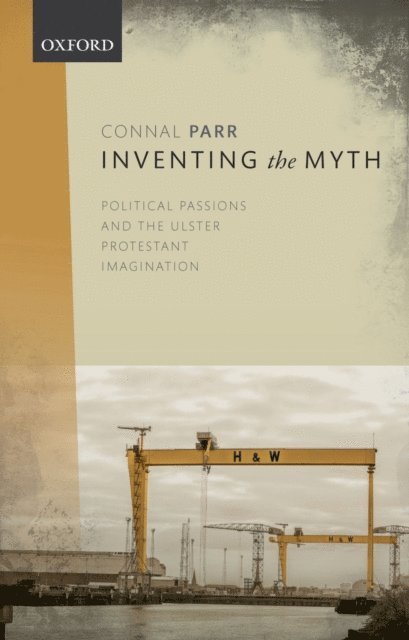
This book approaches Ulster Protestantism through its theatrical and cultural intersection with politics, re-establishing a forgotten history and engaging with contemporary debates. Anchored by the perspectives of ten writers - some of whom have been notably active in political life - it uniquely examines tensions going on within. Through its exploration of class division and drama from the early twentieth century to the present, the book restores the progressive and Labour credentials of the community's recent past along with its literary repercussions, both of which appear in recent decades to have diminished. Drawing on over sixty interviews, unpublished scripts, as well as rarely-consulted archival material, it shows - contrary to a good deal of clichéd polemic and safe scholarly assessment - that Ulster Protestants have historically and continually demonstrated a vigorous creative pulse as well as a tendency towards Left wing and class politics. St. John Ervine, Thomas Carnduff, John Hewitt, Sam Thompson, Stewart Parker, Graham Reid, Ron Hutchinson, Marie Jones, Christina Reid, and Gary Mitchell profoundly challenge as well as reflect their communities. Illuminating a diverse and conflicted culture stretching beyond Orange Order parades, the weaving together of the lives and work of each of the writers highlights mutual themes and insights on their identity, as if part of some grander tapestry of alternative twentieth-century Protestant culture. Ulster Protestantism's consistent delivery of such dissenting voices counters its monolithic and reactionary reputation.
592 kr
Skickas inom 5-8 vardagar
This book approaches Ulster Protestantism through its theatrical and cultural intersection with politics, re-establishing a forgotten history and engaging with contemporary debates. Anchored by the perspectives of ten writers - some of whom have been notably active in political life - it uniquely examines tensions going on within. Through its exploration of class division and drama from the early twentieth century to the present, the book restores the progressive and Labour credentials of the community's recent past along with its literary repercussions, both of which appear in recent decades to have diminished. Drawing on over sixty interviews, unpublished scripts, as well as rarely-consulted archival material, it shows - contrary to a good deal of clichéd polemic and safe scholarly assessment - that Ulster Protestants have historically and continually demonstrated a vigorous creative pulse as well as a tendency towards Left wing and class politics. St. John Ervine, Thomas Carnduff, John Hewitt, Sam Thompson, Stewart Parker, Graham Reid, Ron Hutchinson, Marie Jones, Christina Reid, and Gary Mitchell profoundly challenge as well as reflect their communities. Illuminating a diverse and conflicted culture stretching beyond Orange Order parades, the weaving together of the lives and work of each of the writers highlights mutual themes and insights on their identity, as if part of some grander tapestry of alternative twentieth-century Protestant culture. Ulster Protestantism's consistent delivery of such dissenting voices counters its monolithic and reactionary reputation.
1 389 kr
Skickas inom 5-8 vardagar
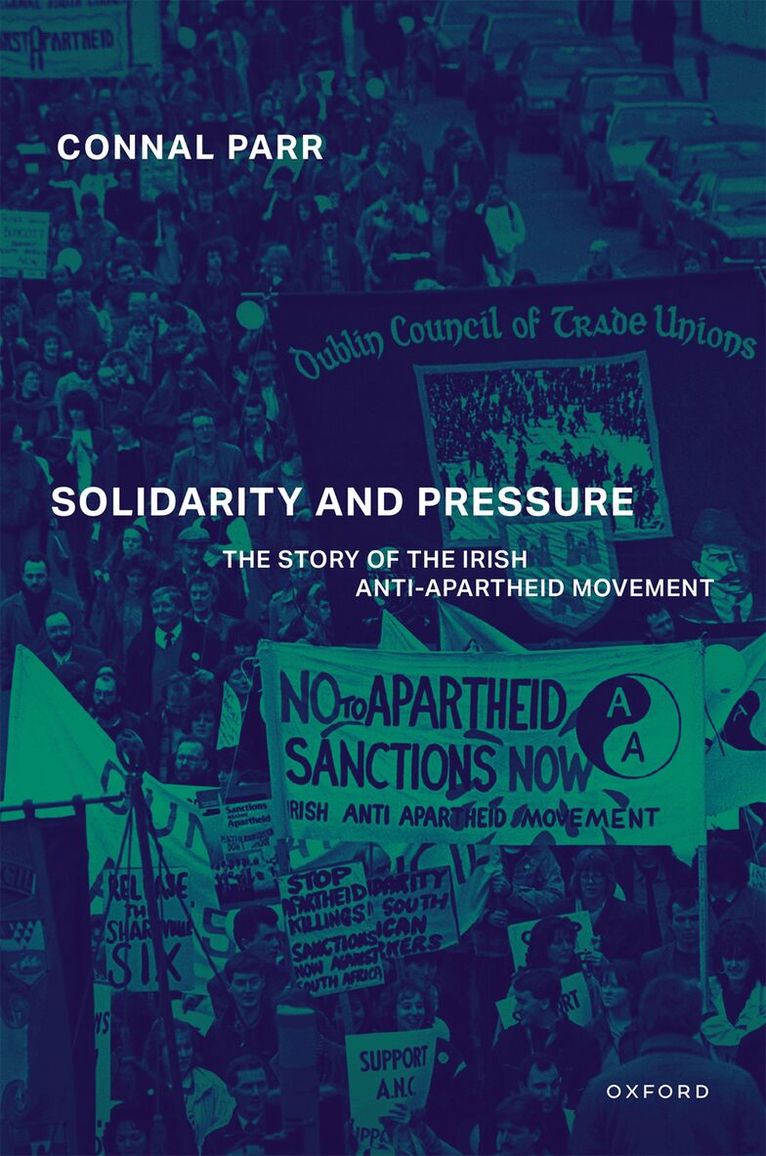
Solidarity and Pressure is the first full-length study of the Irish Anti-Apartheid Movement (IAAM). Founded in April 1964, the IAAM spearheaded fundraising efforts, organized events, lobbied Irish politicians, and actively promoted the struggle against Apartheid South Africa across local, international, political, and cultural spheres. Despite its modest size, Ireland's movement was ranked by the African National Congress as one of the strongest in terms of solidarity, alongside the Dutch and Scandinavian movements.Drawing on seventy interviews, the IAAM's own records, and private papers from Anti-Apartheid activists, Solidarity and Pressure captures the exhilarating story of the IAAM across three decades: how it thrived in Ireland due to the historical context of national liberation, along with the opposition it faced in the Cold War era. It charts the birth of the movement, its engagement with southern Africa, overlaps with the conflict in Northern Ireland, the opposition it faced from authorities in Ireland and South Africa, the Dunnes Stores strike (1984-87), its relationship with Irish political parties and governments, and its advocacy for sporting and cultural boycotts. The book assesses the contribution of the IAAM's enigmatic founder Kader Asmal (1934-2011), and his co-founder and wife, Louise Asmal, who championed the ANC's strategy of forging broad political coalitions, successfully drawing in members from all Irish political parties to advance the Anti-Apartheid struggle.
Del 137 - Reimagining Ireland
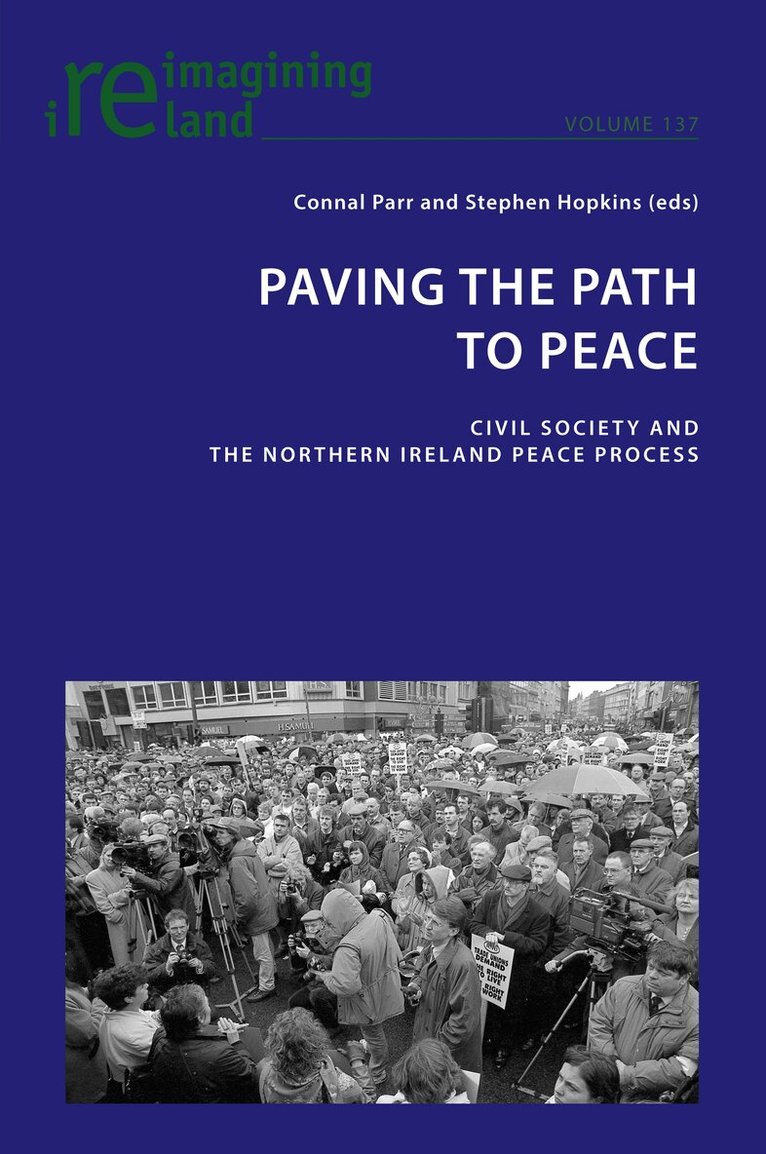
Paving the Path to Peace
Civil Society and the Northern Ireland Peace Process
Häftad, Engelska, 2025
574 kr
Skickas inom 5-8 vardagar
From the Foreword:«This important contribution...to the history of this period shines a light on voices often left in the shadows of history's formal and established narrative, voices that reached across divides, laying down the roots of trust and shared humanity that would make the peace process possible. This work serves as both a reminder and a call. It is a reminder of the vital contributions of those civil society organisations who risked and hoped for peace when it was far from certain, and a call to each of us, in Ireland and beyond, to draw from their example as we strive for a world beyond the acceptance of war as anything other than a great human failure, and encourages us to continue to strive for a world where peace, justice, and equality prevail as the natural condition once again.»(Michael D. Higgins, Uachtarán na hÉireann, President of Ireland) In the context of the twenty-fifth anniversary of the Good Friday Agreement in April 2023, elite politicians and paramilitary groups were presented as the drivers for conflict and peace in Northern Ireland. This book shifts the focus to the role played by civil society groups which sought to mobilise for peace and reconciliation in the late 1980s and early 1990s. It begins with an analysis of peace activism in Northern Ireland during the earlier decades of violence and is followed by an in-depth case study of the Peace Train Organisation, which was set up to counter paramilitary attacks on the trainline between Dublin and Belfast. The final part assembles contributions from fifteen key protagonists in civil society organisations, reflecting upon their work and lives. The authors seek to redress the balance in the historiography and popular perception of this critical period, arguing that civil society groups helped shift the social and political climate surrounding the conflict. The book breaks new ground in the memorialisation of the peace process, highlighting the neglected role of transnational civil society peace activism.