Constanze Guthenke – författare
Visar alla böcker från författaren Constanze Guthenke. Handla med fri frakt och snabb leverans.
6 produkter
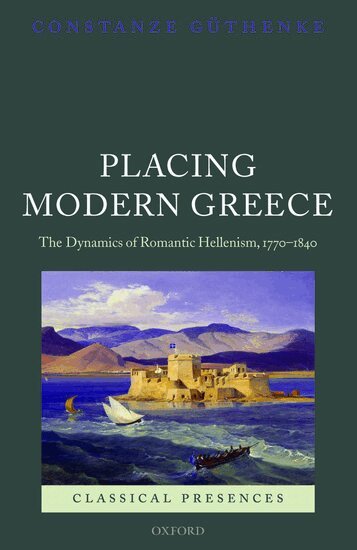
Placing Modern Greece
The Dynamics of Romantic Hellenism, 1770-1840
E-bok, 2008
1349 kr
Lägg i varukorg
Placing Modern Greece is about literary representations of Greece in the period of Romanticism, encompassing the time in the 1820s when it became a territorial and political reality as a nation state. Constanze Guthenke claims that the imagining of and attitude towards Greece was shaped by a …
Placing Modern Greece
The Dynamics of Romantic Hellenism, 1770-1840
Inbunden, 2008
2389 kr
Lägg i varukorg
Placing Modern Greece is about literary representations of Greece in the period of Romanticism, encompassing the time in the 1820s when it became a territorial and political reality as a nation state. Constanze Guthenke claims that the imagining of and attitude towards Greece was shaped by a …
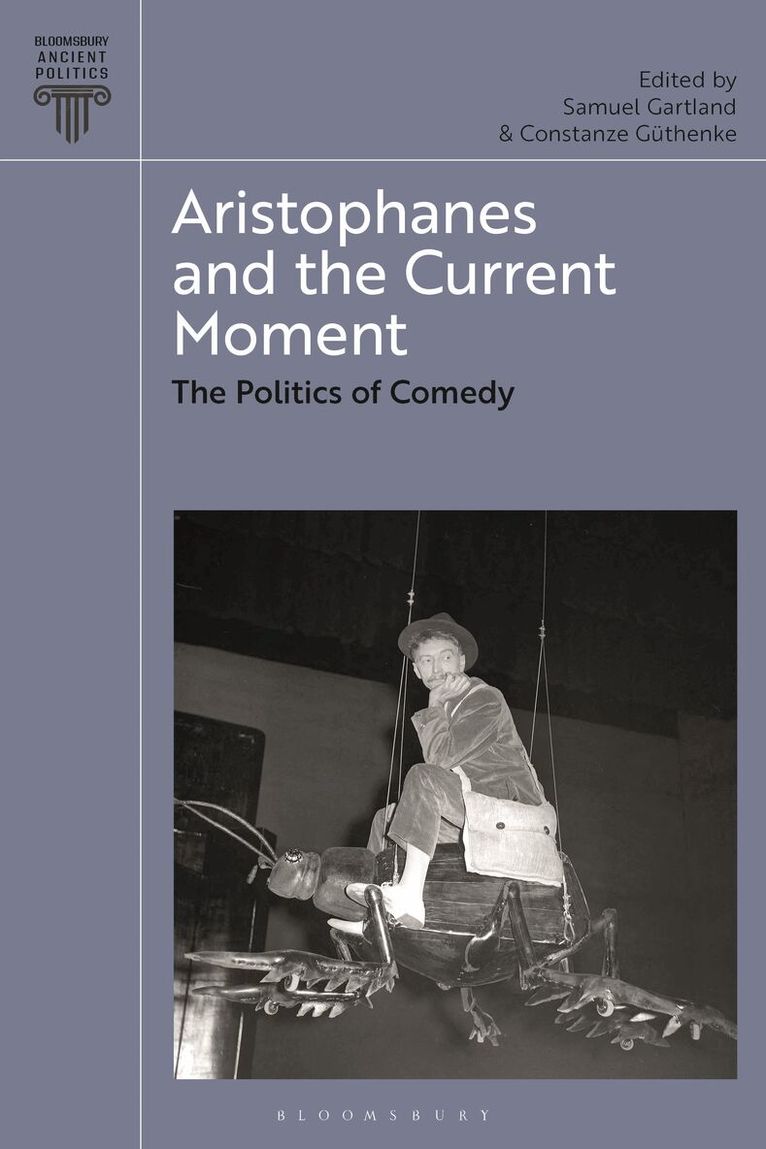
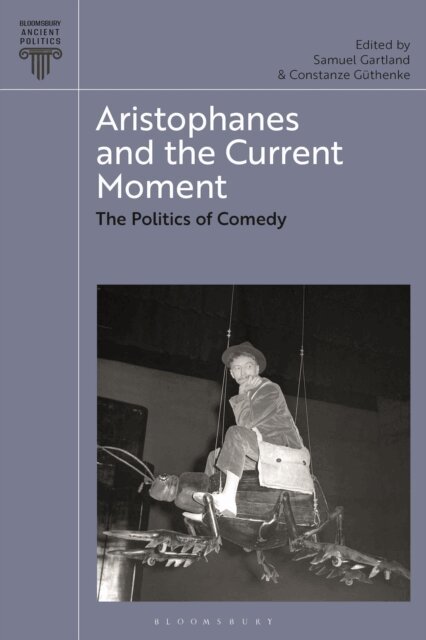
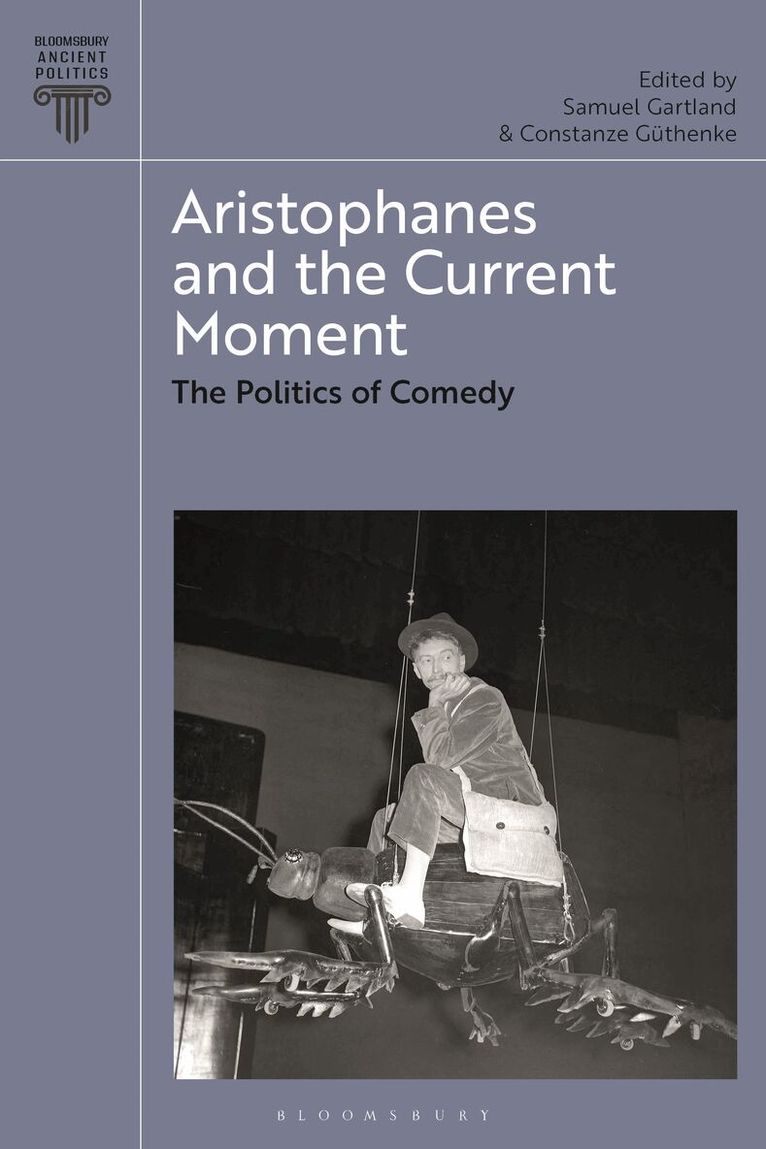
Aristophanes and the Current Moment
The Politics of Comedy
Av Constanze Güthenke, Samuel Gartland
Inbunden, 2025
1469 kr
Lägg i varukorg
Aristophanes’ comedies have long been read as a response to the political turbulence of 5th-century Athens, particularly during the Peloponnesian War. However, this volume frames him as a ‘political correspondent,’ whose works engage critically with both his time and ours. The contributions to this …
Aristophanes and the Current Moment
The Politics of Comedy
Av Constanze Güthenke, Samuel Gartland
E-bok, 2025
1613 kr
Lägg i varukorg
Aristophanes' comedies have long been read as a response to the political turbulence of 5th-century Athens, particularly during the Peloponnesian War. However, this volume frames him as a 'political correspondent,' whose works engage critically with both his time and ours. The contributions to this …
Aristophanes and the Current Moment
The Politics of Comedy
Av Constanze Güthenke, Samuel Gartland
E-bok, 2025
1613 kr
Lägg i varukorg
Aristophanes' comedies have long been read as a response to the political turbulence of 5th-century Athens, particularly during the Peloponnesian War. However, this volume frames him as a 'political correspondent,' whose works engage critically with both his time and ours. The contributions to this …
Aristophanes and the Current Moment
The Politics of Comedy
Av Constanze Güthenke, Samuel Gartland
Häftad, 2027
474 kr
Kommande
Aristophanes’ comedies have long been read as a response to the political turbulence of 5th-century Athens, particularly during the Peloponnesian War. However, this volume frames him as a ‘political correspondent,’ whose works engage critically with both his time and ours. The contributions to this …