Daisuke Miyao - Böcker
Visar alla böcker från författaren Daisuke Miyao. Handla med fri frakt och snabb leverans.
11 produkter
11 produkter
626 kr
Skickas inom 5-8 vardagar
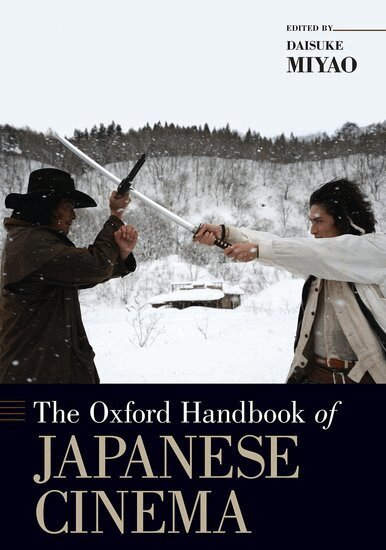
The reality of transnational innovation and dissemination of new technologies, including digital media, has yet to make a dent in the deep-seated culturalism that insists on reinscribing a divide between the West and Japan. The Oxford Handbook of Japanese Cinema aims to counter this trend toward dichotomizing the West and Japan and to challenge the pervasive culturalism of today's film and media studies.Featuring twenty essays, each authored by a leading researcher in the field, this volume addresses productive debates about where Japanese cinema is and where Japanese cinema is going at the period of crisis of national boundary under globalization. It reevaluates the position of Japanese cinema within the discipline of cinema and media studies and beyond, and situates Japanese cinema within the broader fields of transnational film history. Likewise, it examines the materiality of Japanese cinema, scrutinizes cinema's relationship to other media, and identifies the specific practices of film production and reception. As a whole, the volume fosters a dialogue between Japanese scholars of Japanese cinema, film scholars of Japanese cinema based in Anglo-American and European countries, film scholars of non-Japanese cinema, film archivists, film critics, and filmmakers familiar with film scholarship.A comprehensive volume that grasps Japanese cinema under the rubric of the global and also fills the gap between Japanese and non-Japanese film studies and between theories and practices, The Oxford Handbook of Japanese Cinema challenges and responds to the major developments underfoot in this rapidly changing field.
2 193 kr
Skickas inom 5-8 vardagar
The reality of transnational innovation and dissemination of new technologies, including digital media, has yet to make a dent in the deep-seated culturalism that insists on reinscribing a divide between the West and Japan, even in realms of technological activity that are quite evidently dispersed across cultures. Film and media studies are not immune to this trend. They continue to fret over the "Westernness" of film technologies vis-à-vis the apparently self-evident "Japaneseness" of other modes of cultural production. The main goal of The Oxford Handbook of Japanese Cinema is to counter this trend toward dichotomizing the West and Japan and to challenge the pervasive culturalism of today's film and media studies. This volume addresses productive debates about what Japanese cinema is, where Japanese cinema is, and where Japanese cinema is going at the period of crisis of national boundary under globalization. In order to do so, this volume attempts to foster dialogue between Japanese scholars of Japanese cinema, film scholars of Japanese cinema based in Anglo-American and European countries, film scholars of non-Japanese cinema, film archivists, film critics, and filmmakers familiar with film scholarship.
1 404 kr
Skickas inom 7-10 vardagar
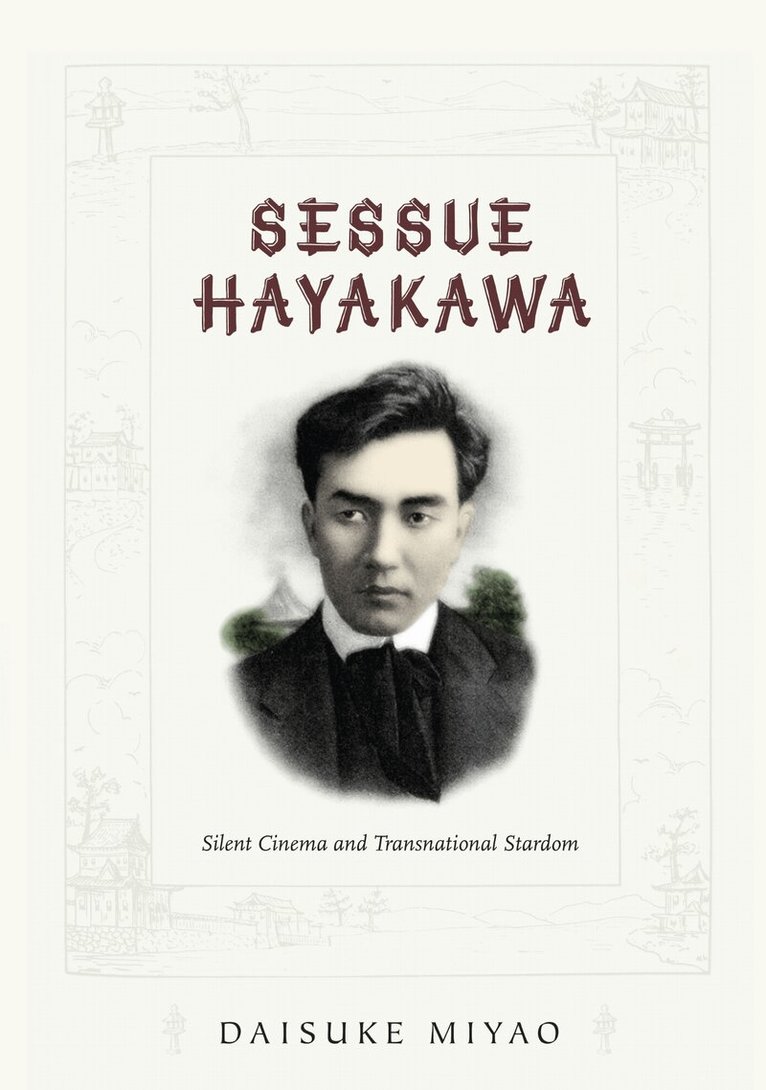
While the actor Sessue Hayakawa (1886–1973) is perhaps best known today for his Oscar-nominated turn as a Japanese military officer in The Bridge on the River Kwai (1957), in the early twentieth century he was an internationally renowned silent film star, as recognizable as Charlie Chaplin or Douglas Fairbanks. In this critical study of Hayakawa’s stardom, Daisuke Miyao reconstructs the Japanese actor’s remarkable career, from the films that preceded his meteoric rise to fame as the star of Cecil B. DeMille’s The Cheat (1915) through his reign as a matinee idol and the subsequent decline and resurrection of his Hollywood fortunes.Drawing on early-twentieth-century sources in both English and Japanese, including Japanese-language newspapers in the United States, Miyao illuminates the construction and reception of Hayakawa’s stardom as an ongoing process of cross-cultural negotiation. Hayakawa’s early work included short films about Japan that were popular with American audiences as well as spy films that played upon anxieties about Japanese nationalism. The Jesse L. Lasky production company sought to shape Hayakawa’s image by emphasizing the actor’s Japanese traits while portraying him as safely assimilated into U.S. culture. Hayakawa himself struggled to maintain his sympathetic persona while creating more complex Japanese characters that would appeal to both American and Japanese audiences. The star’s initial success with U.S. audiences created ambivalence in Japan, where some described him as traitorously Americanized and others as a positive icon of modernized Japan. This unique history of transnational silent-film stardom focuses attention on the ways that race, ethnicity, and nationality influenced the early development of the global film industry.
440 kr
Skickas inom 7-10 vardagar
While the actor Sessue Hayakawa (1886–1973) is perhaps best known today for his Oscar-nominated turn as a Japanese military officer in The Bridge on the River Kwai (1957), in the early twentieth century he was an internationally renowned silent film star, as recognizable as Charlie Chaplin or Douglas Fairbanks. In this critical study of Hayakawa’s stardom, Daisuke Miyao reconstructs the Japanese actor’s remarkable career, from the films that preceded his meteoric rise to fame as the star of Cecil B. DeMille’s The Cheat (1915) through his reign as a matinee idol and the subsequent decline and resurrection of his Hollywood fortunes.Drawing on early-twentieth-century sources in both English and Japanese, including Japanese-language newspapers in the United States, Miyao illuminates the construction and reception of Hayakawa’s stardom as an ongoing process of cross-cultural negotiation. Hayakawa’s early work included short films about Japan that were popular with American audiences as well as spy films that played upon anxieties about Japanese nationalism. The Jesse L. Lasky production company sought to shape Hayakawa’s image by emphasizing the actor’s Japanese traits while portraying him as safely assimilated into U.S. culture. Hayakawa himself struggled to maintain his sympathetic persona while creating more complex Japanese characters that would appeal to both American and Japanese audiences. The star’s initial success with U.S. audiences created ambivalence in Japan, where some described him as traitorously Americanized and others as a positive icon of modernized Japan. This unique history of transnational silent-film stardom focuses attention on the ways that race, ethnicity, and nationality influenced the early development of the global film industry.
1 362 kr
Skickas inom 7-10 vardagar
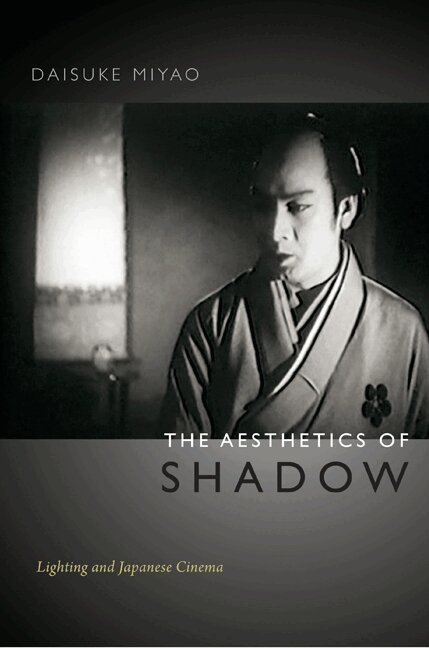
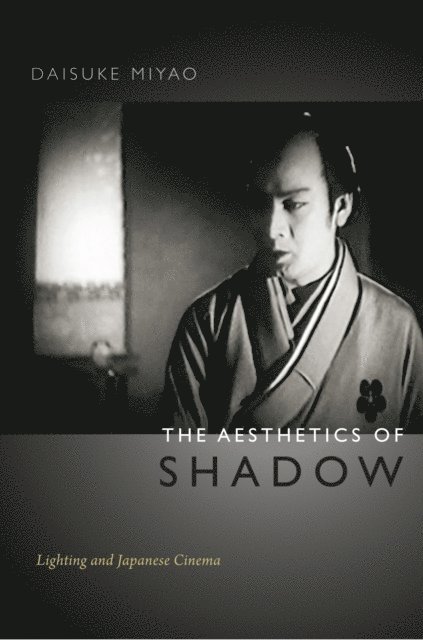
In this revealing study, Daisuke Miyao explores "the aesthetics of shadow" in Japanese cinema in the first half of the twentieth century. This term, coined by the production designer Yoshino Nobutaka, refers to the perception that shadows add depth and mystery. Miyao analyzes how this notion became naturalized as the representation of beauty in Japanese films, situating Japanese cinema within transnational film history. He examines the significant roles lighting played in distinguishing the styles of Japanese film from American and European film and the ways that lighting facilitated the formulation of a coherent new Japanese cultural tradition. Miyao discusses the influences of Hollywood and German cinema alongside Japanese Kabuki theater lighting traditions and the emergence of neon commercial lighting during this period. He argues that lighting technology in cinema had been structured by the conflicts of modernity in Japan, including capitalist transitions in the film industry, the articulation of Japanese cultural and national identity, and increased subjectivity for individuals. By focusing on the understudied element of film lighting and treating cinematographers and lighting designers as essential collaborators in moviemaking, Miyao offers a rereading of Japanese film history.
1 389 kr
Skickas inom 7-10 vardagar
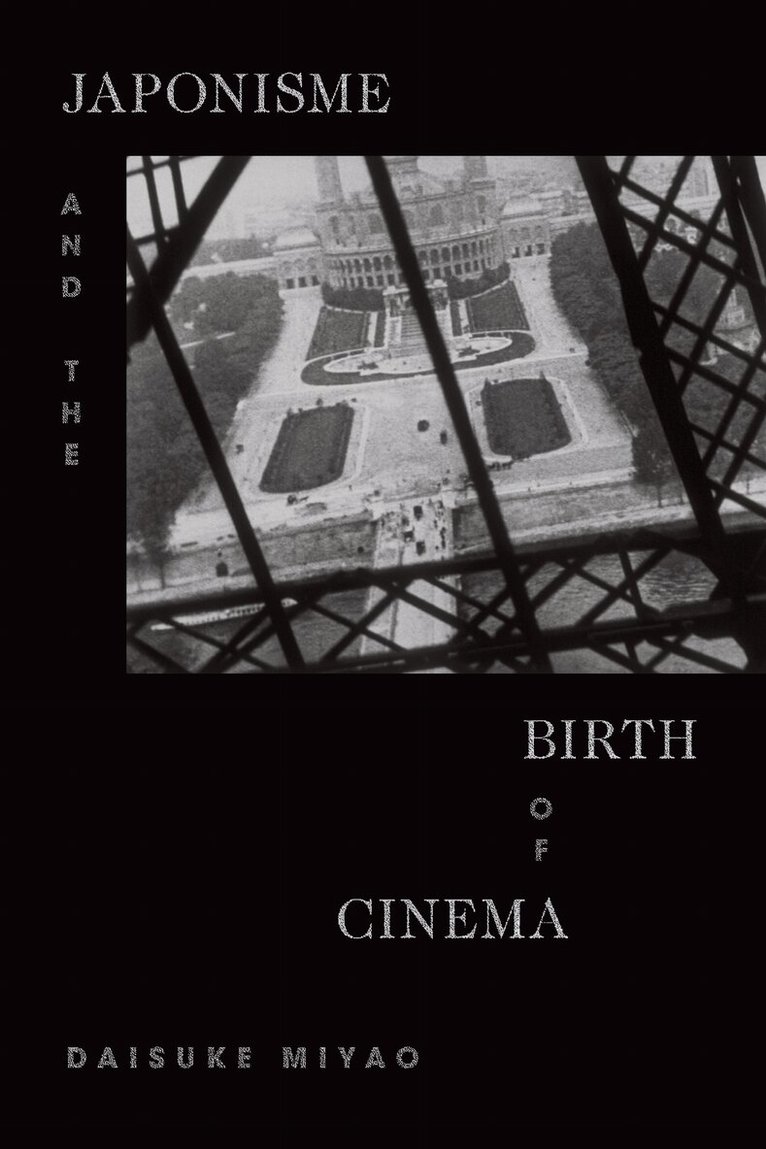
In Japonisme and the Birth of Cinema, Daisuke Miyao explores the influence of Japanese art on the development of early cinematic visual style, particularly the actualitÉ films made by the LumiÈre brothers between 1895 and 1905. Examining nearly 1,500 LumiÈre films, Miyao contends that more than being documents of everyday life, they provided a medium for experimenting with aesthetic and cinematic styles imported from Japan. Miyao further analyzes the LumiÈre films produced in Japan as a negotiation between French Orientalism and Japanese aesthetics. The LumiÈre films, Miyao shows, are best understood within a media ecology of photography, painting, and cinema, all indebted to the compositional principles of Japonisme and the new ideas of kinetic realism it inspired. The LumiÈre brothers and their cinematographers shared the contemporaneous obsession among Impressionist and Post-Impressionist artists about how to instantly and physically capture the movements of living things in the world. Their engagement with Japonisme, he concludes, constituted a rich and productive two-way conversation between East and West.
332 kr
Skickas inom 7-10 vardagar
In Japonisme and the Birth of Cinema, Daisuke Miyao explores the influence of Japanese art on the development of early cinematic visual style, particularly the actualitÉ films made by the LumiÈre brothers between 1895 and 1905. Examining nearly 1,500 LumiÈre films, Miyao contends that more than being documents of everyday life, they provided a medium for experimenting with aesthetic and cinematic styles imported from Japan. Miyao further analyzes the LumiÈre films produced in Japan as a negotiation between French Orientalism and Japanese aesthetics. The LumiÈre films, Miyao shows, are best understood within a media ecology of photography, painting, and cinema, all indebted to the compositional principles of Japonisme and the new ideas of kinetic realism it inspired. The LumiÈre brothers and their cinematographers shared the contemporaneous obsession among Impressionist and Post-Impressionist artists about how to instantly and physically capture the movements of living things in the world. Their engagement with Japonisme, he concludes, constituted a rich and productive two-way conversation between East and West.
1 270 kr
Skickas inom 7-10 vardagar
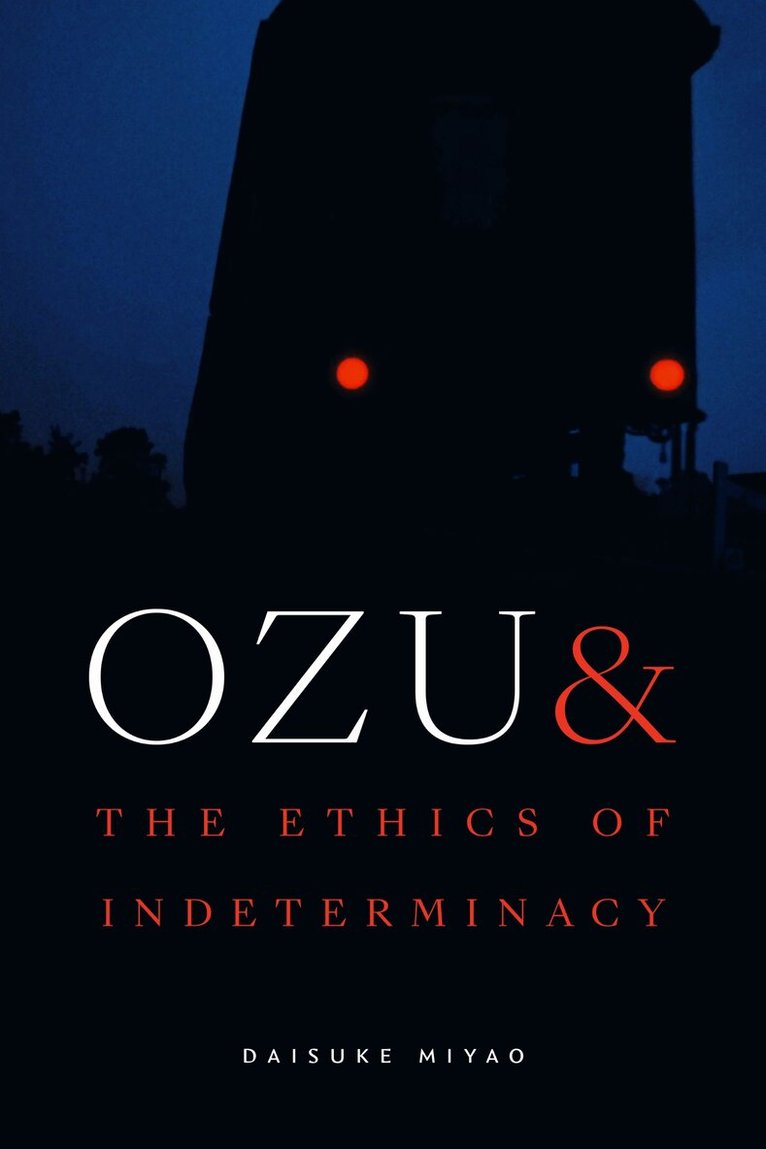
Ozu and the Ethics of Indeterminacy re-examines cinema studies through the work of Japanese filmmaker Yasujirō Ozu, employing the multiple methodologies and indeterminacy of Ozu’s films as a model for discussions of cinema’s relationship to the world and the formation of film studies as a discipline. Centering a selection of Ozu films in each chapter, Daisuke Miyao builds a method based on the way films directed by Ozu avoid unitary perspective and allow multiple possibilities of standpoint and spectatorial position, which Miyao calls the ethics of indeterminacy. Analyzing Ozu’s use of cinematography, narrative, and color, Miyao theorizes the indeterminate in film—the seen and unseen, human and nonhuman, domestic and international—to initiate a multi-directional dialogue on the study of cinema that reaches beyond auteurism and culturalism to establish a new basis for disciplinary conversations.
323 kr
Skickas inom 7-10 vardagar
Ozu and the Ethics of Indeterminacy re-examines cinema studies through the work of Japanese filmmaker Yasujirō Ozu, employing the multiple methodologies and indeterminacy of Ozu’s films as a model for discussions of cinema’s relationship to the world and the formation of film studies as a discipline. Centering a selection of Ozu films in each chapter, Daisuke Miyao builds a method based on the way films directed by Ozu avoid unitary perspective and allow multiple possibilities of standpoint and spectatorial position, which Miyao calls the ethics of indeterminacy. Analyzing Ozu’s use of cinematography, narrative, and color, Miyao theorizes the indeterminate in film—the seen and unseen, human and nonhuman, domestic and international—to initiate a multi-directional dialogue on the study of cinema that reaches beyond auteurism and culturalism to establish a new basis for disciplinary conversations.
1 245 kr
Skickas inom 10-15 vardagar
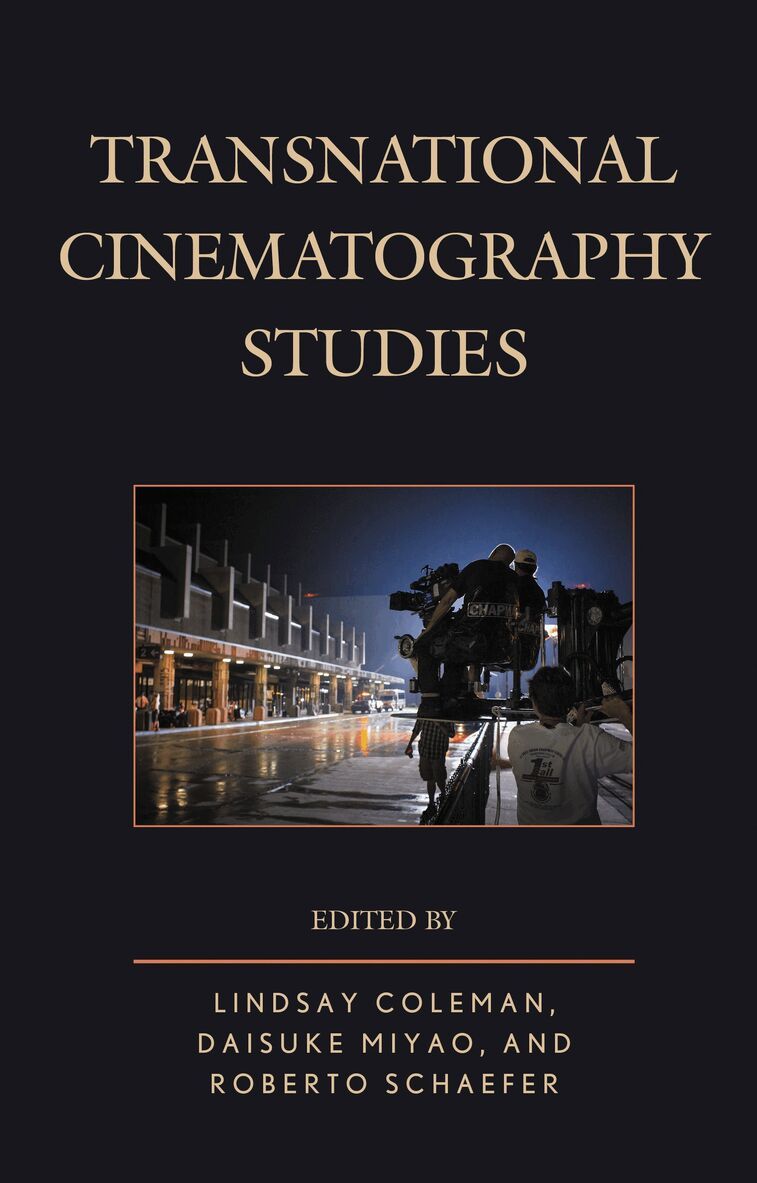
Transnational Cinematography Studies introduces new perspectives to the discipline of film and media studies. First, this volume focuses on a crucial yet largely unexplored area in film and media studies: the substantial communication between critical studies of cinema and film production practices. This book integrates theories and practices of cinematographic technology. Secondly, Transnational Cinematography Studies expands the scope of film and media studies into the arena of transnationalism. Cinema is now discussed in terms of globalization of audio-visual cultures, with regard to such issues as Hollywood film studios’ so-called “runaway productions” and multi-national co-productions; Hollywood remakes of Asian horror films or Hong-Kong martial arts films; and the growing significance of international film festivals. However, this volume proposes that globalization is not in itself new in the history of cinema, and that cinema has always been at the forefront of transnational culture from the beginning of its history.
181 kr
Kommande
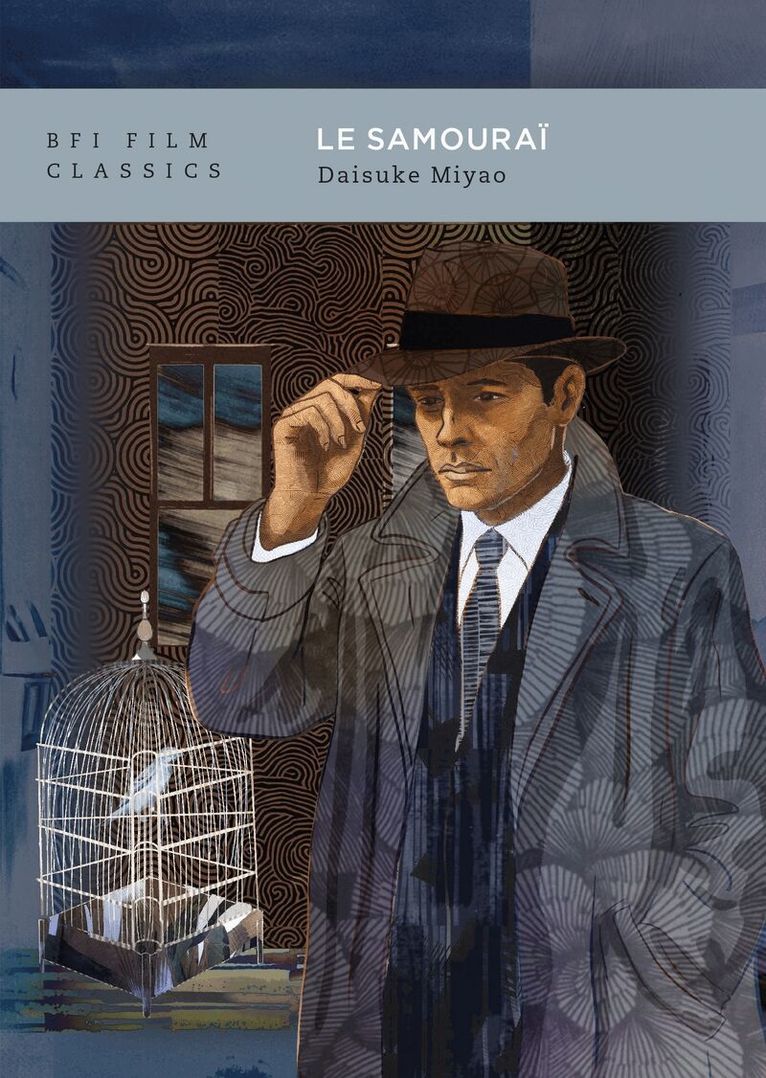
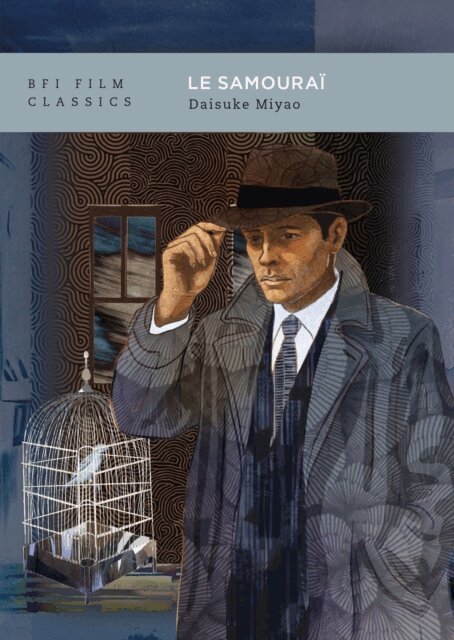
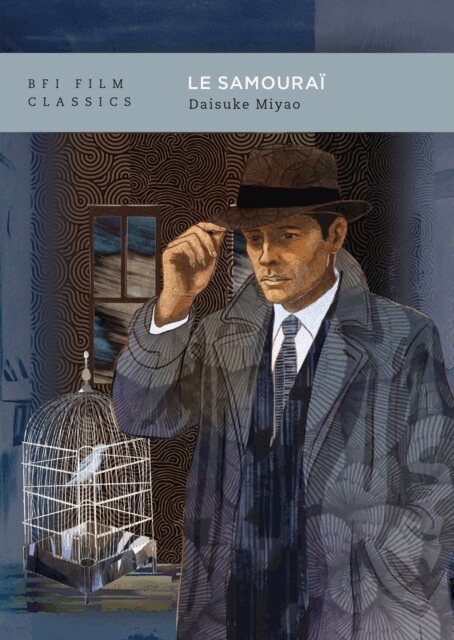
In this compelling study, Daisuke Miyao explores Jean-Pierre Melville's cult 1967 thriller Le Samouraï, a film that unfolds in a coolly stylised Paris where the paths of a contract killer, Jef Costello (Alain Delon), and the police commissaire pursuing him (François Périer) fatally intersect.Despite its title, Le Samouraï, is not a sword-clashing tale of feudal Japan. Rather, Miyao suggests that the film's philosophical framework draws on both existentialism and the samurai moral philosophy of bushido, or 'the way of the warrior', and considers how these philosophies may help explain Jef Costello's identity crisis and his concluding act of self-annihilation. In a close analysis of Melville's technical and aesthetic decisions, Miyao highlights the film's use of close-ups to convey or mask emotion, the play of light and shadow, and the function of flashbacks and dream sequences in the narrative, as well as the meanings of Costello's pet bullfinch.Setting Le Samouraï within the shifting landscape of post-war French cinema, Miyao traces its dialogue with Hollywood film noir and Japanese art cinema, particularly Kurosawa's Rashomon (1950), suggesting that both genres informed and influenced Melville's film-making.Finally, Miyao discusses the film’s enduring legacy, from Jim Jarmusch’s Ghost Dog: The Way of the Samurai (1999) to Yoko M.’s 2020 novella Jef, a prequel to the film.