• Fri frakt över 249 kr
  • •
  • Snabba leveranser
  • •
  • Billiga böcker
Kundservice

Du är på sajten för privatpersoner.

Företag, bibliotek eller offentlig verksamhet?

Du handlar på classic.bokus.com, där alla dina funktioner finns intakta.
Till classic.bokus.com
Bokus logotyp. Gå till startsidan.
  • Erbjudanden
  • Nyheter
  • Student
  • Topplistor
  • Barn & ungdom
  • Bokus Play
  • E-böcker
  • Pocketböcker
  • Spel & pussel

10% rabatt på allt med kod NYSTART10 →

Sidfot

Mina sidor

    Hjälp

    • Kundservice
    • Vanliga frågor och svar
    • Frakt och leverans
    • Retur vid ångerrätt
    • Reklamera vara
    • Betalning
    • Köpvillkor
    • Allmänna villkor
    • Information om webbplatsens tillgänglighet

    Om Bokus

    • Om oss
    • Pressrum
    • För studenter
    • För företag
    • För bibliotek och offentlig verksamhet
    • För leverantörer
    • Hållbarhet

    Populärt

    • Aktuella erbjudanden
    • Presentkort
    • Studentlitteratur
    • Nya böcker
    • Topplistor
    • Signerade böcker
    • Engelska böcker

    Inspiration

    • Boktips
    • BookTok
    • Populära bokserier
    • Barnbokskaraktärer
    • Populära författare
    Logotyp för Bokus
    Följ oss på Facebook (extern länk)Följ oss på Instagram (extern länk)Följ oss på YouTube (extern länk)Följ oss på TikTok (extern länk)
    bokus @ CookiesAnpassa cookiesIntegritetspolicyKöpvillkor
    Till Citymail hemsida (extern länk)Till Budbee hemsida (extern länk)Till Postnord hemsida (extern länk)Till Schenker hemsida (extern länk)Till Early Bird hemsida (extern länk)Till Walleys hemsida (extern länk)
    1. Kultur
    2. Scenkonst och film
    3. Film

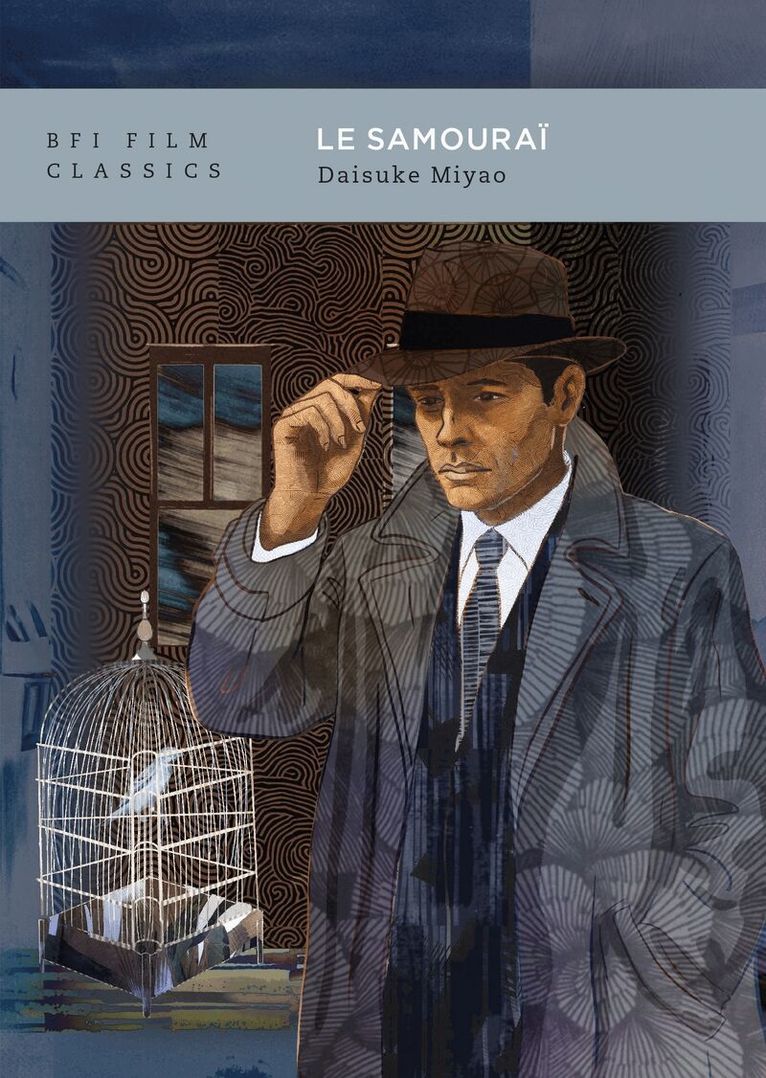
    Le Samouraï

    AvDaisuke Miyao

    Häftad, Engelska, 2026

    Del i serien BFI Film Classics

    171 kr

    Skickas . Fri frakt över 249 kr.

    Fler format och utgåvor

    E-bok

    209 kr

    E-bok

    202 kr

    Beskrivning

    In this compelling study, Daisuke Miyao explores Jean-Pierre Melville's cult 1967 thriller Le Samouraï, a film that unfolds in a coolly stylised Paris where the paths of a contract killer, Jef Costello (Alain Delon), and the police commissaire pursuing him (François Périer) fatally intersect.Despite its title, Le Samouraï, is not a sword-clashing tale of feudal Japan. Rather, Miyao suggests that the film's philosophical framework draws on both existentialism and the samurai moral philosophy of bushido, or 'the way of the warrior', and considers how these philosophies may help explain Jef Costello's identity crisis and his concluding act of self-annihilation. In a close analysis of Melville's technical and aesthetic decisions, Miyao highlights the film's use of close-ups to convey or mask emotion, the play of light and shadow, and the function of flashbacks and dream sequences in the narrative, as well as the meanings of Costello's pet bullfinch.Setting Le Samouraï within the shifting landscape of post-war French cinema, Miyao traces its dialogue with Hollywood film noir and Japanese art cinema, particularly Kurosawa's Rashomon (1950), suggesting that both genres informed and influenced Melville's film-making.Finally, Miyao discusses the film’s enduring legacy, from Jim Jarmusch’s Ghost Dog: The Way of the Samurai (1999) to Yoko M.’s 2020 novella Jef, a prequel to the film.

    Produktinformation

    • Utgivningsdatum:2026-06-11
    • Mått:183 x 9 x 138 mm
    • Vikt:150 g
    • Format:Häftad
    • Språk:Engelska
    • Serie:BFI Film Classics
    • Antal sidor:96
    • Förlag:Bloomsbury Publishing PLC
    • ISBN:9781839029639

    Utforska kategorier

    • Film inom Kultur

    Mer om författaren

    Daisuke Miyao is Professor and Hajime Mori Chair of the Literature Department at University of California, San Diego, and the author of Japonisme and the Birth of Cinema (2020), Cinema Is a Cat: A Cat Lover’s Introduction to Film Studies (2019), The Aesthetics of Shadow: Lighting and Japanese Cinema (2013), and Sessue Hayakawa: Silent Cinema and Transnational Stardom (2007).

    Innehållsförteckning

    • Introduction1. Vertigo: Ethics of Camera Movements2. Shadow of a Doubt: The Aesthetics of Lighting 3. The Birds, the Cats, and Film Noir4. Body Double: The Mirror and the Close-up5. Zen Showed Melville the WayConclusionNotesCreditsBibliography