Dána-Ain Davis - Böcker
Visar alla böcker från författaren Dána-Ain Davis. Handla med fri frakt och snabb leverans.
8 produkter
8 produkter
608 kr
Skickas inom 10-15 vardagar
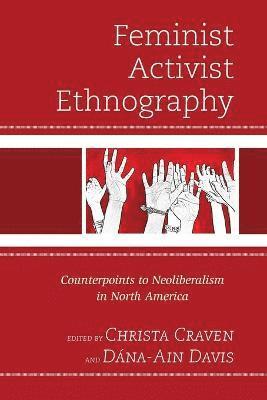
Writing in the wake of neoliberalism, where human rights and social justice have increasingly been subordinated to proliferating “consumer choices” and ideals of market justice, contributors to this collection argue that feminist ethnographers are in a key position to reassert the central feminist connections between theory, methods, and activism. Together, we suggest avenues for incorporating methodological innovations, collaborative analysis, and collective activism in our scholarly projects. What are the possibilities (and challenges) that exist for feminist ethnography 25 years after initial debates emerged in this field about reflexivity, objectivity, reductive individualism, and the social relevance of activist scholarship? How can feminist ethnography intensify efforts towards social justice in the current political and economic climate? This collection continues a crucial dialog about feminist activist ethnography in the 21st century—at the intersection of engaged feminist research and activism in the service of the organizations, people, communities, and feminist issues we study.
1 456 kr
Skickas inom 3-6 vardagar
Examines the consequences of welfare reform for Black women fleeing domestic violence.This timely and compelling ethnography examines the impact of welfare reform on women seeking to escape domestic violence. Dána-Ain Davis profiles twenty-two women, thirteen of whom are Black, living in a battered women's shelter in a small city in upstate New York. She explores the contradictions between welfare reform's supposed success in moving women off of public assistance and toward economic self-sufficiency and the consequences welfare reform policy has presented for Black women fleeing domestic violence. Focusing on the intersection of poverty, violence, and race, she demonstrates the differential treatment that Black and White women face in their entanglements with the welfare bureaucracy by linking those entanglements to the larger political economy of a small city, neoliberal social policies, and racialized ideas about Black women as workers and mothers.
566 kr
Skickas inom 3-6 vardagar
Examines the consequences of welfare reform for Black women fleeing domestic violence.This timely and compelling ethnography examines the impact of welfare reform on women seeking to escape domestic violence. Dána-Ain Davis profiles twenty-two women, thirteen of whom are Black, living in a battered women's shelter in a small city in upstate New York. She explores the contradictions between welfare reform's supposed success in moving women off of public assistance and toward economic self-sufficiency and the consequences welfare reform policy has presented for Black women fleeing domestic violence. Focusing on the intersection of poverty, violence, and race, she demonstrates the differential treatment that Black and White women face in their entanglements with the welfare bureaucracy by linking those entanglements to the larger political economy of a small city, neoliberal social policies, and racialized ideas about Black women as workers and mothers.
410 kr
Skickas inom 5-8 vardagar
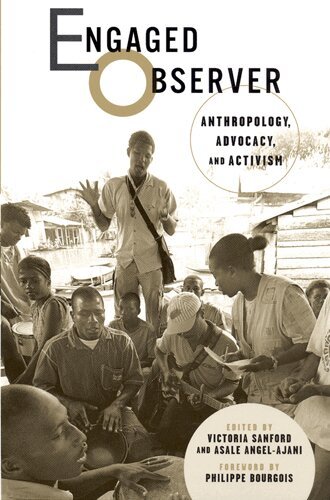
Anthropology has long been associated with an ethos of “engagement.” The field’s core methods and practices involve long-term interpersonal contact between researchers and their study participants, giving major research topics in the field a distinctively human face. Can research findings be authentic and objective? Are anthropologists able to use their data to aid the participants of their study, and is that aid always welcome?In Engaged Observer, Victoria Sanford and Asale Angel-Ajani bring together an international array of scholars who have been embedded in some of the most conflict-ridden and dangerous zones in the world to reflect on the role and responsibility of anthropological inquiry. They explore issues of truth and objectivity, the role of the academic, the politics of memory, and the impact of race, gender, and social position on the research process. Through ethnographic case studies, they offer models for conducting engaged research and illustrate the contradictions and challenges of doing so.
952 kr
Skickas inom 10-15 vardagar
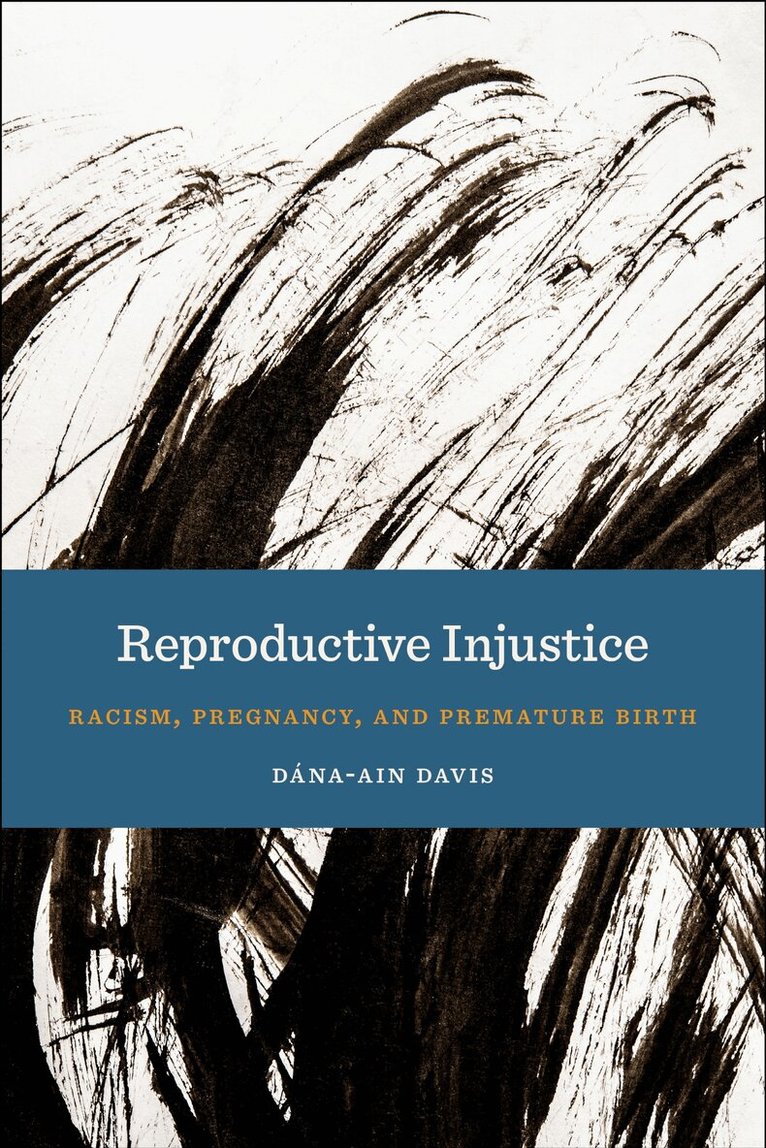
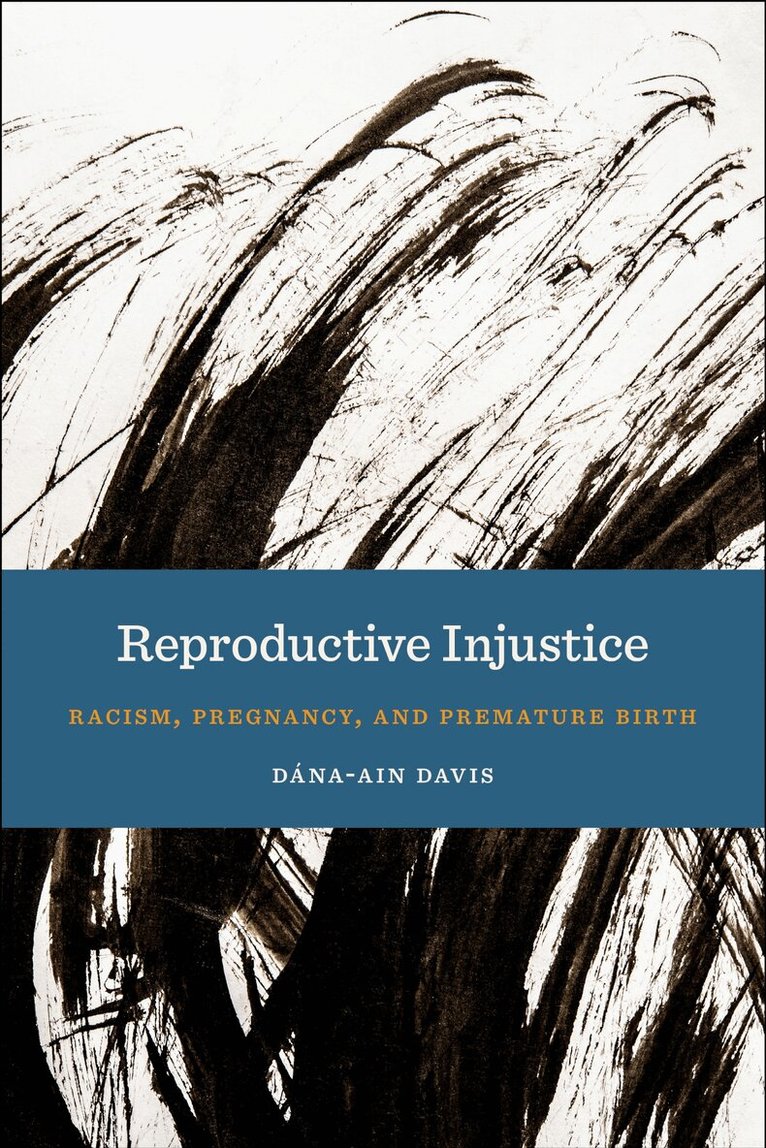
Winner, 2020 Senior Book Prize, given by the Association of Feminist Anthropology Winner, 2020 Eileen Basker Memorial Prize, given by the Society for Medical Anthropology Honorable Mention, 2020 Victor Turner Prize in Ethnographic Writing, given by the Society for Humanistic AnthropologyFinalist, 2020 PROSE Award in the Sociology, Anthropology and Criminology category, given by the Association of American Publishers A troubling study of the role that medical racism plays in the lives of Black women who have given birth to premature and low birth weight infantsBlack women have higher rates of premature birth than other women in America. This cannot be simply explained by economic factors, with poorer women lacking resources or access to care. Even professional, middle-class Black women are at a much higher risk of premature birth than low-income white women in the United States. Dána-Ain Davis looks into this phenomenon, placing racial differences in birth outcomes into a historical context, revealing that ideas about reproduction and race today have been influenced by the legacy of ideas which developed during the era of slavery.While poor and low-income Black women are often the "mascots" of premature birth outcomes, this book focuses on professional Black women, who are just as likely to give birth prematurely. Drawing on an impressive array of interviews with nearly fifty mothers, fathers, neonatologists, nurses, midwives, and reproductive justice advocates, Dána-Ain Davis argues that events leading up to an infant's arrival in a neonatal intensive care unit (NICU), and the parents' experiences while they are in the NICU, reveal subtle but pernicious forms of racism that confound the perceived class dynamics that are frequently understood to be a central factor of premature birth.The book argues not only that medical racism persists and must be considered when examining adverse outcomes—as well as upsetting experiences for parents—but also that NICUs and life-saving technologies should not be the only strategies for improving the outcomes for Black pregnant women and their babies. Davis makes the case for other avenues, such as community-based birthing projects, doulas, and midwives, that support women during pregnancy and labor are just as important and effective in avoiding premature births and mortality.
361 kr
Skickas inom 7-10 vardagar
Winner, 2020 Senior Book Prize, given by the Association of Feminist Anthropology Winner, 2020 Eileen Basker Memorial Prize, given by the Society for Medical Anthropology Honorable Mention, 2020 Victor Turner Prize in Ethnographic Writing, given by the Society for Humanistic AnthropologyFinalist, 2020 PROSE Award in the Sociology, Anthropology and Criminology category, given by the Association of American Publishers A troubling study of the role that medical racism plays in the lives of Black women who have given birth to premature and low birth weight infantsBlack women have higher rates of premature birth than other women in America. This cannot be simply explained by economic factors, with poorer women lacking resources or access to care. Even professional, middle-class Black women are at a much higher risk of premature birth than low-income white women in the United States. Dána-Ain Davis looks into this phenomenon, placing racial differences in birth outcomes into a historical context, revealing that ideas about reproduction and race today have been influenced by the legacy of ideas which developed during the era of slavery.While poor and low-income Black women are often the "mascots" of premature birth outcomes, this book focuses on professional Black women, who are just as likely to give birth prematurely. Drawing on an impressive array of interviews with nearly fifty mothers, fathers, neonatologists, nurses, midwives, and reproductive justice advocates, Dána-Ain Davis argues that events leading up to an infant's arrival in a neonatal intensive care unit (NICU), and the parents' experiences while they are in the NICU, reveal subtle but pernicious forms of racism that confound the perceived class dynamics that are frequently understood to be a central factor of premature birth.The book argues not only that medical racism persists and must be considered when examining adverse outcomes—as well as upsetting experiences for parents—but also that NICUs and life-saving technologies should not be the only strategies for improving the outcomes for Black pregnant women and their babies. Davis makes the case for other avenues, such as community-based birthing projects, doulas, and midwives, that support women during pregnancy and labor are just as important and effective in avoiding premature births and mortality.
Feminist Ethnography
Thinking through Methodologies, Challenges, and Possibilities
Inbunden, Nederländska, 2022
1 076 kr
Skickas inom 10-15 vardagar
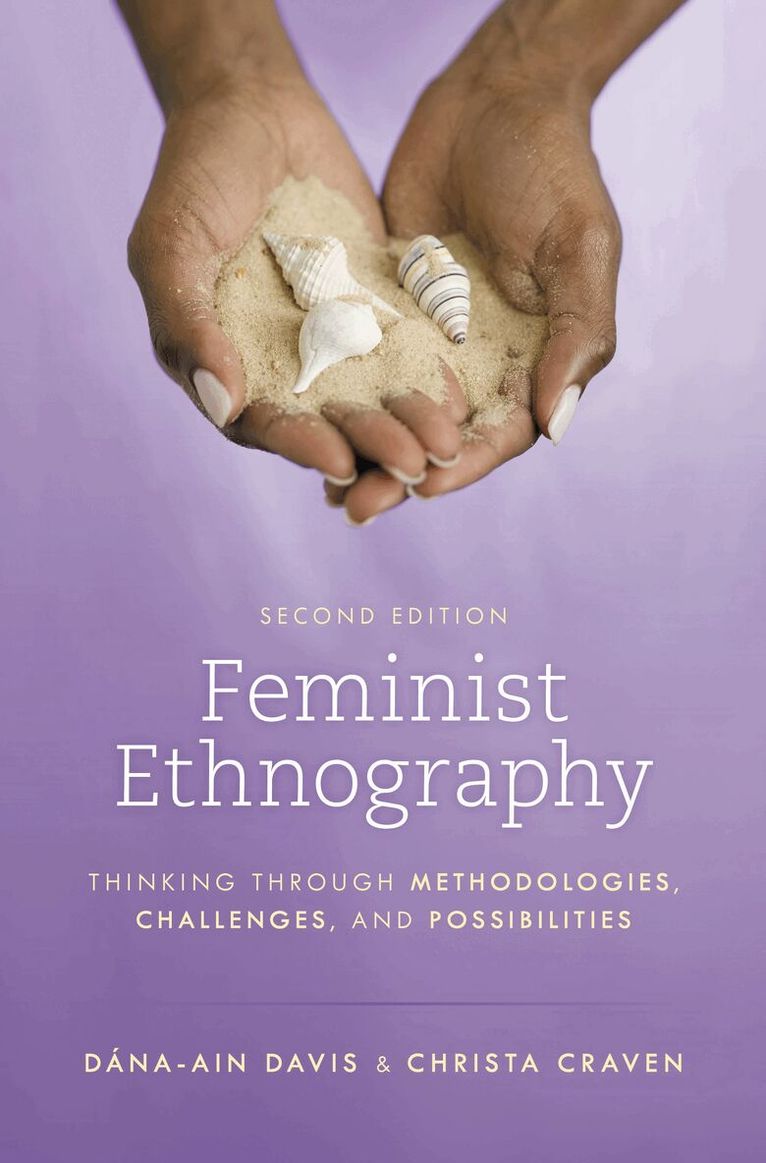
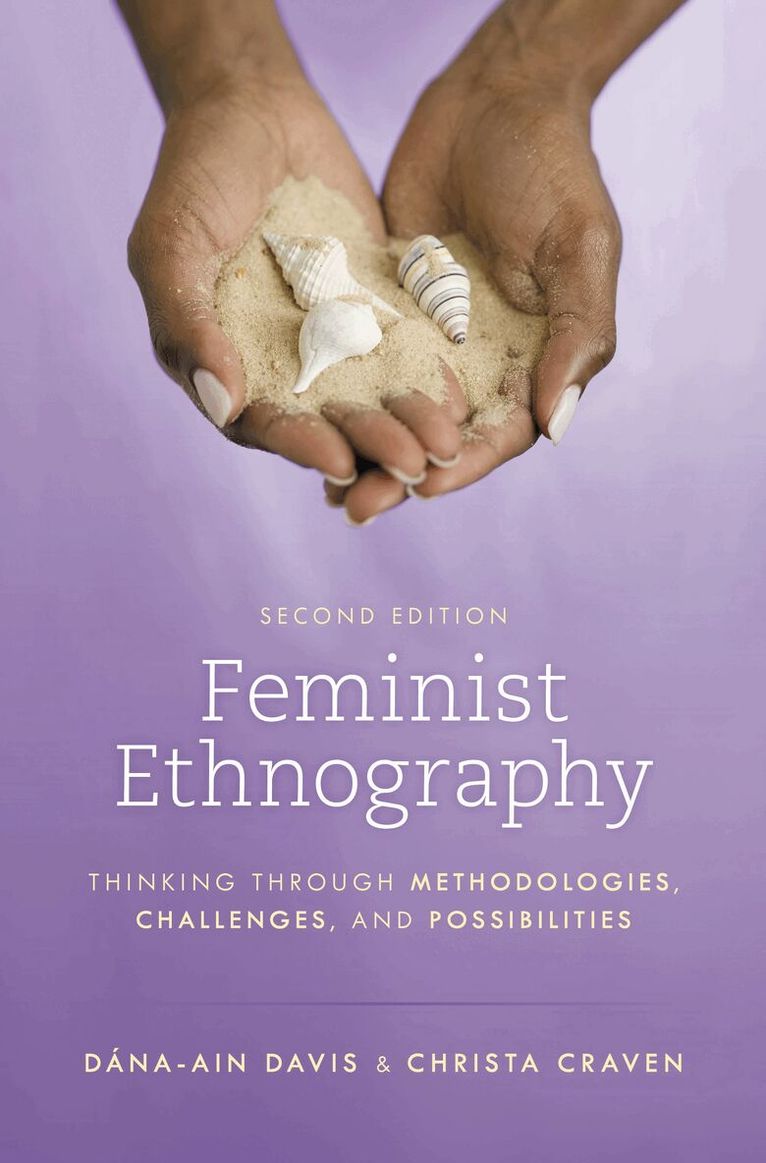
Feminist Ethnography, Second Edition, is an interdisciplinary and cross-cultural introduction to the methods, challenges, and possibilities of feminist ethnography. Dána-Ain Davis and Christa Craven use a problem-based approach—focused on inquiry and investigation—to present a feminist framework for thinking critically about how we document everyday experiences. The book begins with an introduction to feminist perspectives, their meanings over time, and a brief history of feminist ethnography. Then the authors examine feminist methodologies, answering the question, how does one do feminist ethnography, and investigates common challenges such as ethical dilemmas and logistical constraints faced during fieldwork. Finally, Davis and Craven discuss what it means to be a feminist activist ethnographer, including advocacy efforts and engagement with public policy, and ask students to consider: what is your vision for the future of feminist ethnography? New to this Edition:Six new interviews with feminist ethnographers include reflections on the intersections of trans studies, disability studies, and the Cite Black Women movementNew section on safety, accessibility, and fieldwork to address the risks all ethnographers face, but in particular those who challenge long-held assumptions that ethnographers are (all) white, Western, able-bodied, well-funded, cisgender, and usually male Enhanced discussion of virtual ethnography in the wake of COVID-19Added content on transgender/nonbinary experiences and disability studies
Feminist Ethnography
Thinking through Methodologies, Challenges, and Possibilities
Häftad, Nederländska, 2022
488 kr
Skickas inom 10-15 vardagar
Feminist Ethnography, Second Edition, is an interdisciplinary and cross-cultural introduction to the methods, challenges, and possibilities of feminist ethnography. Dána-Ain Davis and Christa Craven use a problem-based approach—focused on inquiry and investigation—to present a feminist framework for thinking critically about how we document everyday experiences. The book begins with an introduction to feminist perspectives, their meanings over time, and a brief history of feminist ethnography. Then the authors examine feminist methodologies, answering the question, how does one do feminist ethnography, and investigates common challenges such as ethical dilemmas and logistical constraints faced during fieldwork. Finally, Davis and Craven discuss what it means to be a feminist activist ethnographer, including advocacy efforts and engagement with public policy, and ask students to consider: what is your vision for the future of feminist ethnography? New to this Edition:Six new interviews with feminist ethnographers include reflections on the intersections of trans studies, disability studies, and the Cite Black Women movementNew section on safety, accessibility, and fieldwork to address the risks all ethnographers face, but in particular those who challenge long-held assumptions that ethnographers are (all) white, Western, able-bodied, well-funded, cisgender, and usually male Enhanced discussion of virtual ethnography in the wake of COVID-19Added content on transgender/nonbinary experiences and disability studies