David D. Perlmutter - Böcker
Visar alla böcker från författaren David D. Perlmutter. Handla med fri frakt och snabb leverans.
7 produkter
7 produkter
2 098 kr
Skickas inom 10-15 vardagar
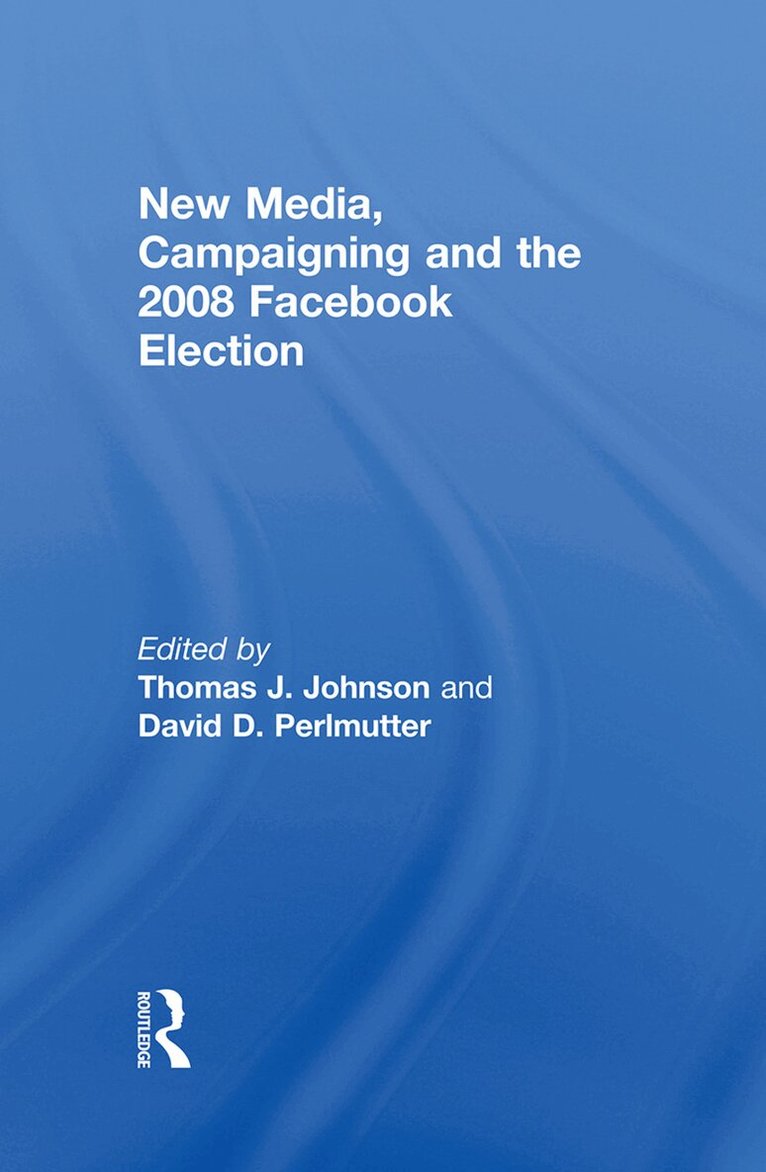
Some political observers dubbed the 2008 presidential campaign as 'the Facebook Election'. Barack Obama, in particular, employed social media such as blogs, Twitter, Flickr, Digg, YouTube, MySpace and Facebook to run a 'grassroots-style' campaign. The Obama campaign was keenly aware that voters, particularly the young, are not simply consumers of information, but conduits of information as well. They often replaced the professional filter of traditional media with a social one. Social media allowed candidates to do electronically what previously had to be done through shoe leather and phone banks: contact volunteers and donors, and schedule and promote events. The 2008 Election marked a new era where the candidates no longer had complete control over their campaign message. The individual viewer in a campaign crowd with a cell phone can record a candidate’s gaffe, post it on YouTube or Flickr and within days millions will be gasping or guffawing. The traditional campaign, with its centralized power and planning, although not dead, now coexists with an unstructured digital democracy. New Media, Campaigning and the 2008 Facebook Election examines the way social media changed how candidates campaigned, how the media covered the election and how voters received information.This book is based on a special issue of Mass Communication & Society.
661 kr
Skickas inom 10-15 vardagar
Some political observers dubbed the 2008 presidential campaign as 'the Facebook Election'. Barack Obama, in particular, employed social media such as blogs, Twitter, Flickr, Digg, YouTube, MySpace and Facebook to run a 'grassroots-style' campaign. The Obama campaign was keenly aware that voters, particularly the young, are not simply consumers of information, but conduits of information as well. They often replaced the professional filter of traditional media with a social one. Social media allowed candidates to do electronically what previously had to be done through shoe leather and phone banks: contact volunteers and donors, and schedule and promote events. The 2008 Election marked a new era where the candidates no longer had complete control over their campaign message. The individual viewer in a campaign crowd with a cell phone can record a candidate’s gaffe, post it on YouTube or Flickr and within days millions will be gasping or guffawing. The traditional campaign, with its centralized power and planning, although not dead, now coexists with an unstructured digital democracy. New Media, Campaigning and the 2008 Facebook Election examines the way social media changed how candidates campaigned, how the media covered the election and how voters received information.This book is based on a special issue of Mass Communication & Society.
385 kr
Skickas inom 10-15 vardagar
“Sitting down with a young and brilliant mathematician, I asked what he thought were his biggest problems in working toward tenure. Instead of describing difficulties with his equations or his software programs, he lamented that (a) his graduate assistant wasn’t completing his tasks on time, (b) his department chair didn’t seem to care if junior faculty obtained grants, and (c) a senior professor kept glaring at him in faculty meetings. He knew he could handle the intellectual side of being an academic—but what about the people side? ‘Why didn’t they offer “Being a Professor 101” in graduate school?’ he wondered.”Promotion and Tenure Confidential provides that course in an astute and practical book, which shows that P&T is not just about research, teaching, and service but also about human relations and political good sense. Drawing on research and extensive interviews with junior and senior faculty across many institutions, David D. Perlmutter provides clear-sighted guidance on planning and managing an academic career, from graduate school to tenure and beyond.Topics include:— Making the transformation from student and protégé to teacher and mentor— Seeking out and holding onto lifelong allies— How to manage your online reputation and avoid “death by Google”— What to say and what not to say to deans and department chairs— How meeting deadlines wins points with everyone in your life— How, when, and to whom to say “no”— When and how to look for a new job when you have a job— How (and whom) to ask for letters of recommendation— What to do if you know you’re not going to get tenure
Picturing China in the American Press
The Visual Portrayal of Sino-American Relations in Time Magazine
Inbunden, Engelska, 2007
1 873 kr
Skickas inom 5-8 vardagar
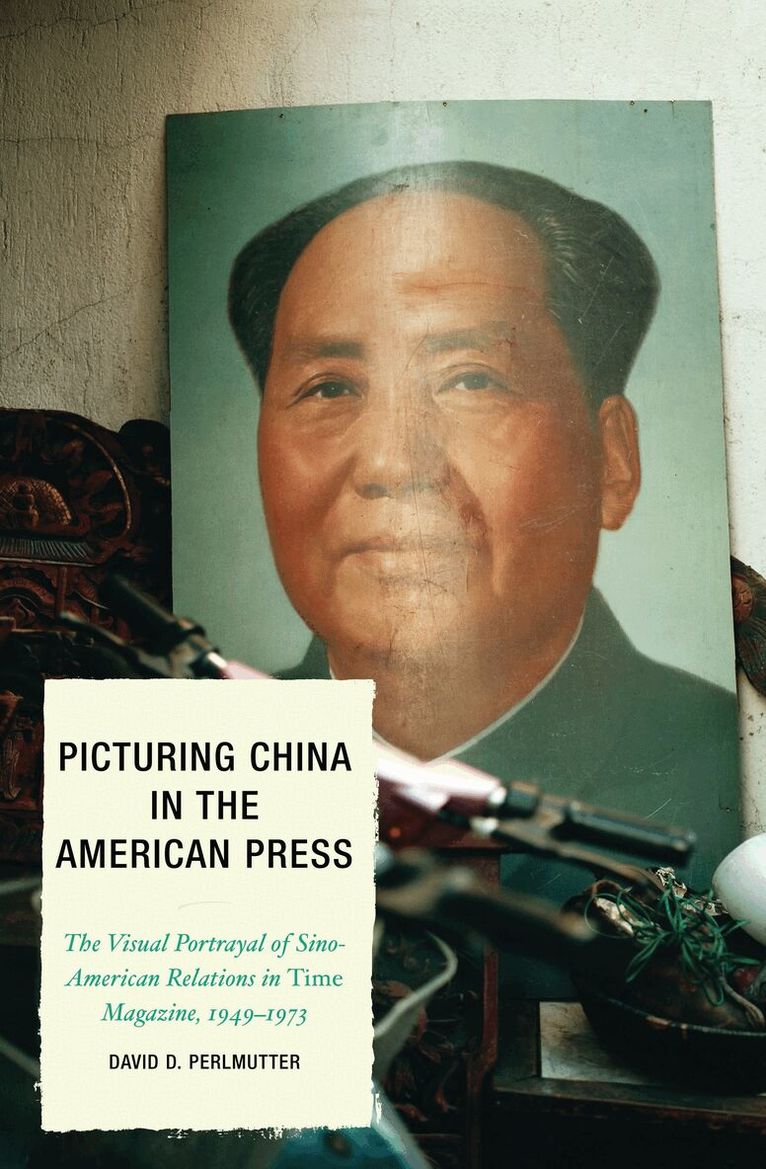
Picturing China in the American Press juxtaposes what the ordinary American news reader was shown visually inTime Magazine between 1949 and 1973 with contemporary perspectives on the behind-the-scenes history of the period. Time Magazine is an especially fruitful source for such a visual-historical contrast and comparison because it was China-centric, founded and run by Henry Luce, a man who loved China and was commensurably obsessed with winning China to democracy and Western influence. Picturing China examines in detail major events (the Korean War and Nixon's trip to China), less considerable occurrences (shellings of Straits islands and diplomatic flaps), great personages (Chairman Mao and Henry Kissinger), and the common people and common life of China as seen through the lenses and described by the pens of American reporters, artists, photographers, and editors. Picturing China in the American Press is of great interest to both scholars of communications, Chinese history, China Studies, and journalists.
Picturing China in the American Press
The Visual Portrayal of Sino-American Relations in Time Magazine
Häftad, Engelska, 2007
675 kr
Skickas inom 10-15 vardagar
Picturing China in the American Press juxtaposes what the ordinary American news reader was shown visually inTime Magazine between 1949 and 1973 with contemporary perspectives on the behind-the-scenes history of the period. Time Magazine is an especially fruitful source for such a visual-historical contrast and comparison because it was China-centric, founded and run by Henry Luce, a man who loved China and was commensurably obsessed with winning China to democracy and Western influence. Picturing China examines in detail major events (the Korean War and Nixon's trip to China), less considerable occurrences (shellings of Straits islands and diplomatic flaps), great personages (Chairman Mao and Henry Kissinger), and the common people and common life of China as seen through the lenses and described by the pens of American reporters, artists, photographers, and editors. Picturing China in the American Press is of great interest to both scholars of communications, Chinese history, China Studies, and journalists.
From Pigeons to News Portals
Foreign Reporting and the Challenge of New Technology
Häftad, Engelska, 2007
475 kr
Skickas inom 3-6 vardagar
Ever since the invention of the telegraph, journalists have sought to remove the barriers of time and space. Today, we readily accept that reporters can jet quickly to a distant location and broadcast instantly from a satellite-connected, video-enabled cell phone hanging from their belts. But now that live news coverage is possible from virtually anywhere, is foreign correspondence better? And what are the implications of recent changes in journalistic technology for policy makers and their constituents? In From Pigeons to News Portals, edited by David D. Perlmutter and John Maxwell Hamilton, scholars and journalists survey, probe, and demystify the new foreign correspondence that has emerged from rapidly changing media technology. These distinguished authors challenge long-held beliefs about foreign news coverage, not the least of which is whether, in our interconnected world, such a thing as ""foreign news"" even exists anymore. Essays explore the ways people have used new media technology - from satellites and cell phones to the Internet - to affect content, delivery modes, and amount and style of coverage. They examine the ways in which speedy reporting conflicts with in-depth reporting, the pros and cons of ""parachute"" journalism, the declining dominance of mainstream media as a source of foreign news, and the implications of this new foreign correspondence for foreign policy. Entertainment media such as film, television, and video gaming form worldwide opinions about America, often in negative ways. Meanwhile, live reporting abroad is both a blessing and curse for foreign policy makers. Because foreign news is so vital to effective policy making and citizenship, we imperil our future by failing to understand the changes technology brings and how we can wrest the best practice out of those changes. This provocative volume offers valuable insights and analyses to help us better understand the evolving state of foreign news.
607 kr
Skickas inom 3-6 vardagar
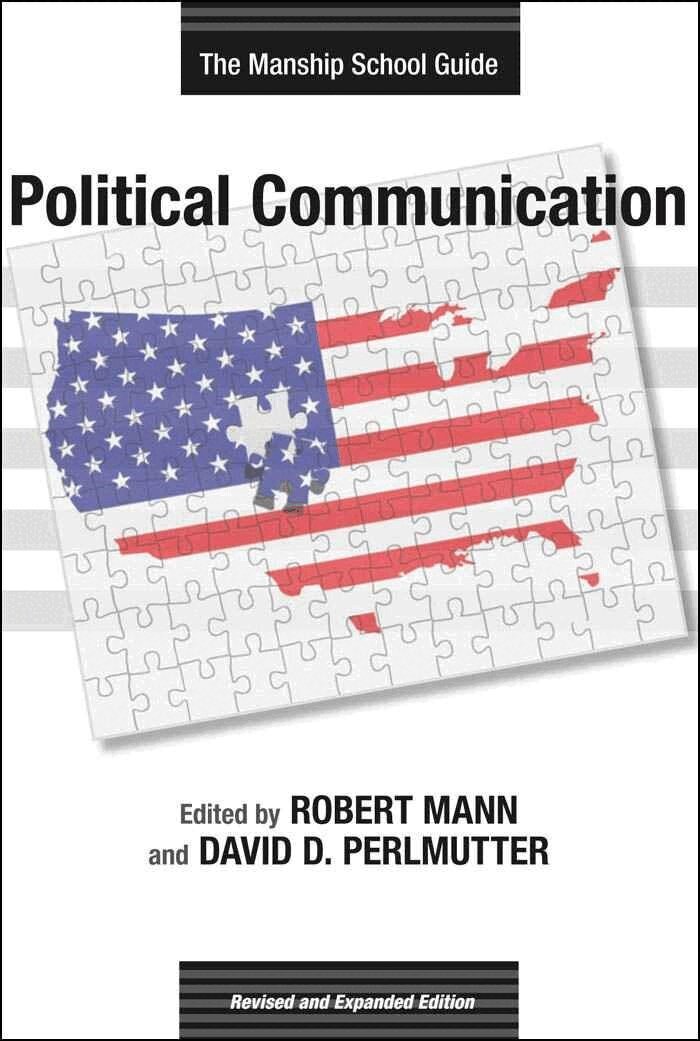
A new era of political power has arrived, one in which the social media forces of Facebook, YouTube, and Twitter indisputably play a larger role in the political process. In this revised and expanded edition of Political Communication: The Manship School Guide, edited by Robert Mann and David D. Perlmutter, contributors discuss technological changes in the context of studies and techniques that remain unchallenged, resulting in a truly comprehensive manual of the world of political communication. This shift in communication began with Howard Dean's social media interaction between voters and candidates. Later, Barack Obama redefined these techniques during his march to the White House. This intriguing development in political campaigns focuses the impact of social media on political consultation and communication, and this volume provides an up-to-date and peerless guide to the events, methods, technologies, venues, theories, and applications of political dialogues.More than just a how-to primer, this new edition also expertly explains the process behind the political engine. Political Communication: The Manship School Guide includes individual essays that tackle the growing myths revolving around politics, such as the political money-monster and the ""Mr. Smith Goes to Washington""-candidate fantasy.Twenty-seven chapters from a variety of contributors - including academics, journalists, and political professionals - provide insightful, astute, and critical essays for a deeper understanding of political communication and the many roles the public has played in twenty-first-century politics.With this second edition, Political Communication: The Manship School Guide offers readers a valuable resource that clarifies the confusing world of politics.