David Gaertner - Böcker
Visar alla böcker från författaren David Gaertner. Handla med fri frakt och snabb leverans.
4 produkter
4 produkter
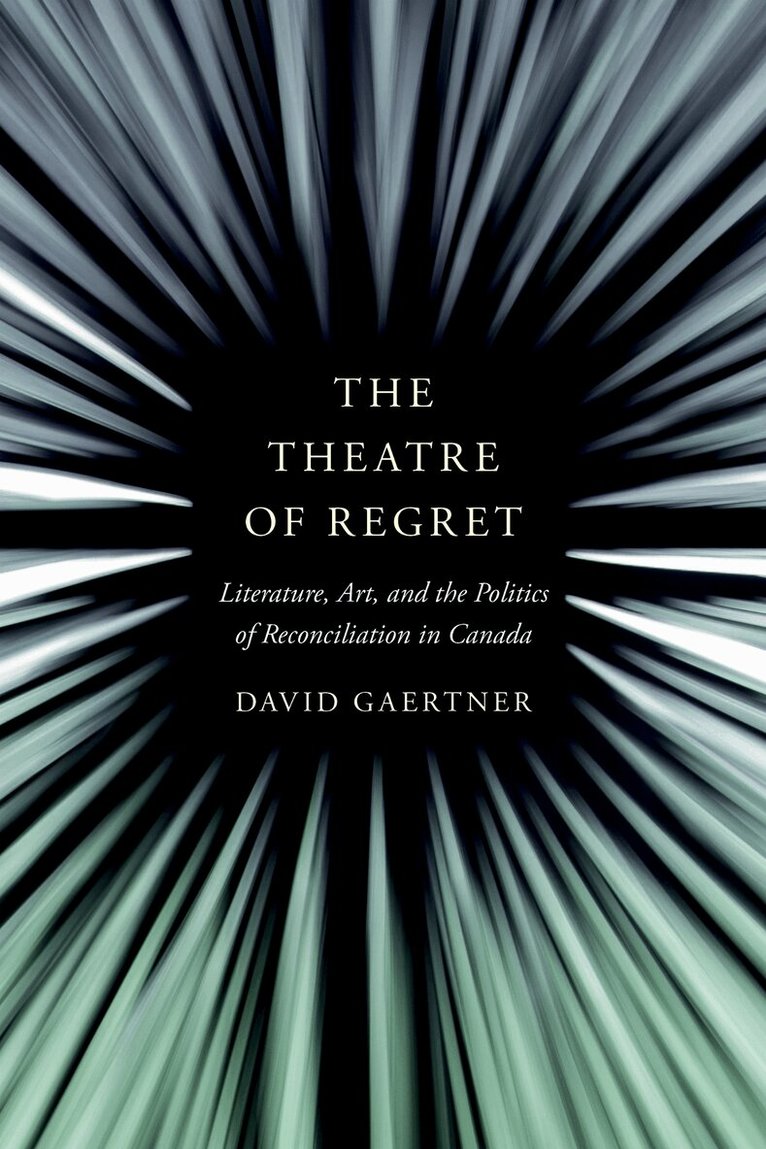
Theatre of Regret
Literature, Art, and the Politics of Reconciliation in Canada
Inbunden, Engelska, 2020
820 kr
Skickas
The Theatre of Regret reveals the role that Indigenous and allied literatures play in challenging state-centred discourses of reconciliation in Canada.
Theatre of Regret
Literature, Art, and the Politics of Reconciliation in Canada
Häftad, Engelska, 2021
416 kr
Skickas inom 7-10 vardagar
The Canadian public largely understands reconciliation as the harmonization of Indigenous–settler relations for the benefit of the nation. But is this really happening?Reconciliation politics, as developed in South America and South Africa, work counter to retributive justive in order to redress the divide opened up between survivors and perpetrators as a result of historical violence. The Theatre of Regret asks whether, within the context of settler colonialism, this approach will ultimately favour the state over the needs and requirements of Indigenous peoples. Interweaving literature, art, and other creative media throughout his analysis, David Gaertner questions the state-centred frameworks of reconciliation by exploring the critical roles that Indigenous and allied authors, artists, and thinkers play in defining, challenging, and refusing settler regret.Through close examination of its core concepts – acknowledgement, apology, redress, and forgiveness – this study exposes the colonial ideology at the root of reconciliation in Canada.
492 kr
Skickas inom 7-10 vardagar
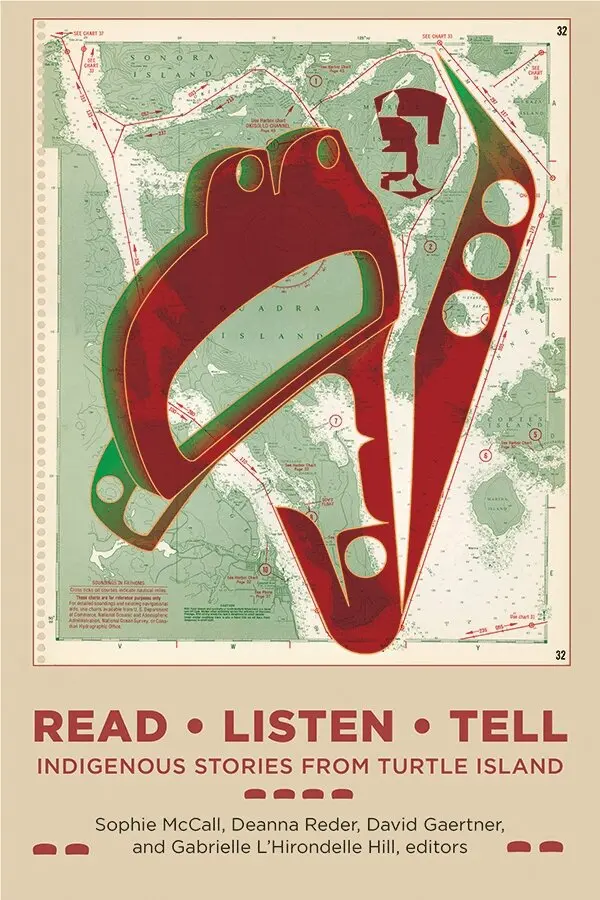
Don't say in the years to come that you would have lived your life differently if only you had heard this story. You've heard it now."" - Thomas King, in this volumeRead, Listen, Tell brings together an extraordinary range of Indigenous stories from across Turtle Island (North America). From short fiction to as-told-to narratives, from illustrated stories to personal essays, these stories celebrate the strength of heritage and the liveliness of innovation. Ranging in tone from humorous to defiant to triumphant, the stories explore core concepts in Indigenous literary expression, such as the relations between land, language, and community, the variety of narrative forms, and the continuities between oral and written forms of expression. Rich in insight and bold in execution, the stories proclaim the diversity, vitality, and depth of Indigenous writing.Building on two decades of scholarly work to centre Indigenous knowledges and perspectives, the book transforms literary method while respecting and honouring Indigenous histories and peoples of these lands. It includes stories by acclaimed writerslike Thomas King, Sherman Alexie, Paula Gunn Allen, and Eden Robinson, a new generation of emergent writers, and writers and storytellers who have often been excluded from the canon, such as French- and Spanish-language Indigenous authors, Indigenous authors from Mexico, Chicana/o authors, Indigenous-language authors, works in translation, and ""lost"" or underappreciated texts.In a place and time when Indigenous people often have to contend with representations that marginalize or devalue their intellectual and cultural heritage, this collection is a testament to Indigenous resilience and creativity. It shows that the ways in which we read, listen, and tell play key roles in how we establish relationships with one another, and how we might share knowledges across cultures, languages, and social spaces.
292 kr
Skickas inom 11-20 vardagar
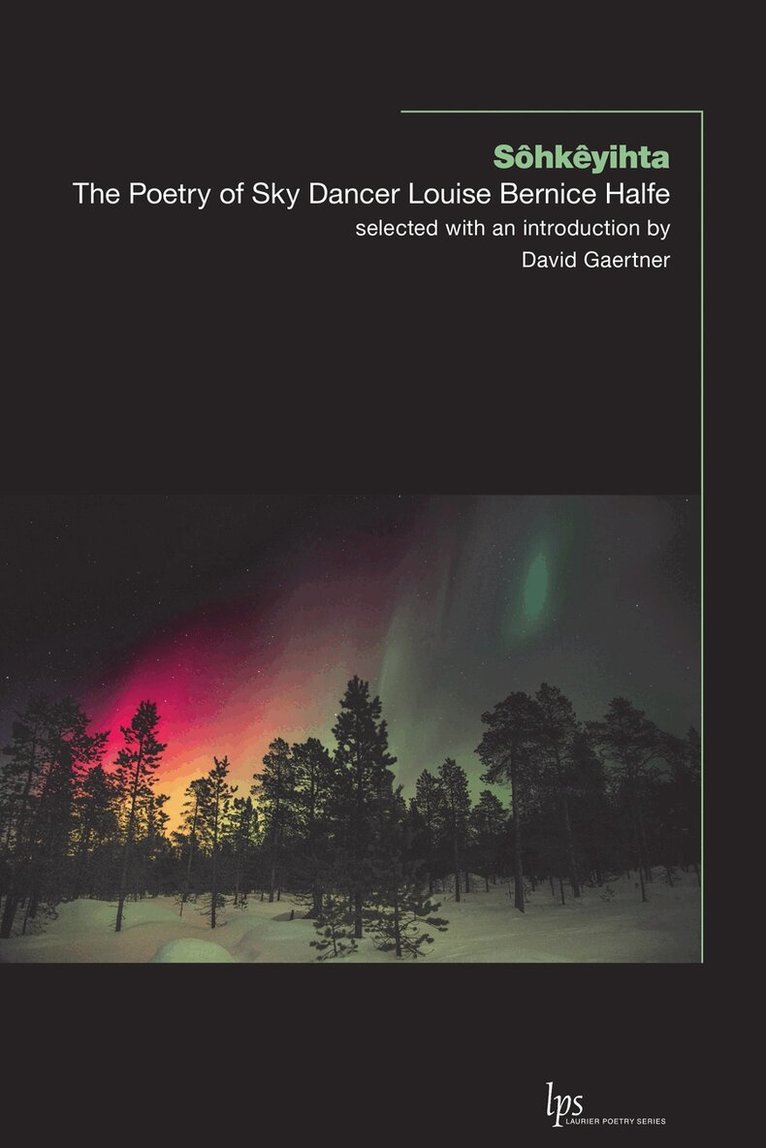
I build this story like my lair. One willow, / a rib at a time"" - ""The Crooked Good""Since 1990, Sky Dancer Louise Bernice Halfe's work has stood out as essential testimony to Indigenous experiences within the ongoing history of colonialism and the resilience of Indigenous storytellers. Sôhkêyihta includes searing poems, written across the expanse of Halfe's career, aimed at helping readers move forward from the darkness into a place of healing.Halfe's own afterword is an evocative meditation on the Cree word sôhkêyihta: Have courage. Be brave. Be strong. She writes of coming into her practice as a poet and the stories, people, and experiences that gave her courage and allowed herto construct her ""lair."" She also reflects on her relationship with nêhiyawêwin, the Cree language, and the ways in which it informs her relationships and poetics.The introduction by David Gaertner situates Halfe's writing within the history of whiteness and colonialism that works to silence and repress Indigenous voices. Gaertner pays particular attention to the ways in which Halfe addresses, incorporates, and pushes back against silence, and suggests that her work is an act of bearing witness - what Kwagiulth scholar Sarah Hunt identifies as making Indigenous lives visible.