

Read, Listen, Tell
Sophie McCall, Deanna Reder, David Gaertner, Gabrielle L'Hirondelle Hill
Häftad, 2017
515 kr
835 kr
Skickas . Fri frakt över 249 kr.
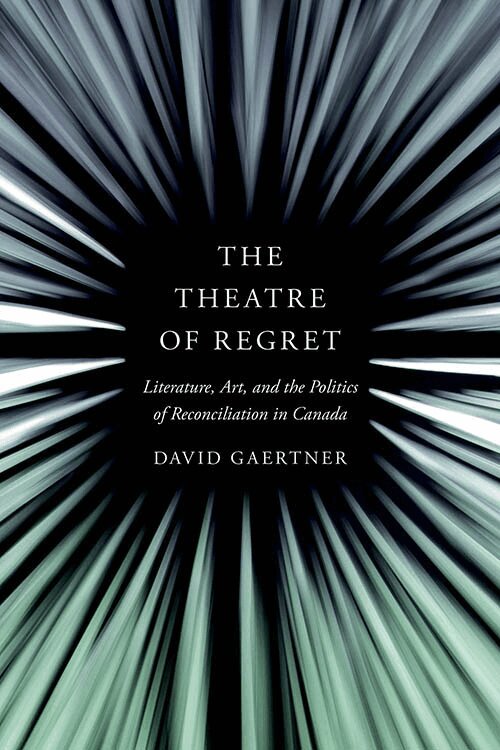
The Canadian public largely understands reconciliation as the harmonization of Indigenous–settler relations for the benefit of the nation. But is this really happening?
Reconciliation politics, as developed in South America and South Africa, work counter to retributive justive in order to redress the divide opened up between survivors and perpetrators as a result of historical violence. The Theatre of Regret asks whether, within the context of settler colonialism, this approach will ultimately favour the state over the needs and requirements of Indigenous peoples. Interweaving literature, art, and other creative media throughout his analysis, David Gaertner questions the state-centred frameworks of reconciliation by exploring the critical roles that Indigenous and allied authors, artists, and thinkers play in defining, challenging, and refusing settler regret.
Through close examination of its core concepts – acknowledgement, apology, redress, and forgiveness – this study exposes the colonial ideology at the root of reconciliation in Canada.
Sophie McCall, Deanna Reder, David Gaertner, Gabrielle L'Hirondelle Hill
Häftad, 2017
515 kr


David Gaertner
Inbunden, 2025
1 028 kr

Sophie McCall, Deanna Reder, David Gaertner, Gabrielle L'Hirondelle Hill
Häftad, 2017
515 kr
David Gaertner
Inbunden, 2025
1 028 kr




835 kr
Skickas . Fri frakt över 249 kr.
The Canadian public largely understands reconciliation as the harmonization of Indigenous–settler relations for the benefit of the nation. But is this really happening?
Reconciliation politics, as developed in South America and South Africa, work counter to retributive justive in order to redress the divide opened up between survivors and perpetrators as a result of historical violence. The Theatre of Regret asks whether, within the context of settler colonialism, this approach will ultimately favour the state over the needs and requirements of Indigenous peoples. Interweaving literature, art, and other creative media throughout his analysis, David Gaertner questions the state-centred frameworks of reconciliation by exploring the critical roles that Indigenous and allied authors, artists, and thinkers play in defining, challenging, and refusing settler regret.
Through close examination of its core concepts – acknowledgement, apology, redress, and forgiveness – this study exposes the colonial ideology at the root of reconciliation in Canada.
Sophie McCall, Deanna Reder, David Gaertner, Gabrielle L'Hirondelle Hill
Häftad, 2017
515 kr
David Gaertner
Inbunden, 2025
1 028 kr
Sophie McCall, Deanna Reder, David Gaertner, Gabrielle L'Hirondelle Hill
Häftad, 2017
515 kr
David Gaertner
Inbunden, 2025
1 028 kr
835 kr
Skickas . Fri frakt över 249 kr.
The Canadian public largely understands reconciliation as the harmonization of Indigenous–settler relations for the benefit of the nation. But is this really happening?
Reconciliation politics, as developed in South America and South Africa, work counter to retributive justive in order to redress the divide opened up between survivors and perpetrators as a result of historical violence. The Theatre of Regret asks whether, within the context of settler colonialism, this approach will ultimately favour the state over the needs and requirements of Indigenous peoples. Interweaving literature, art, and other creative media throughout his analysis, David Gaertner questions the state-centred frameworks of reconciliation by exploring the critical roles that Indigenous and allied authors, artists, and thinkers play in defining, challenging, and refusing settler regret.
Through close examination of its core concepts – acknowledgement, apology, redress, and forgiveness – this study exposes the colonial ideology at the root of reconciliation in Canada.
Sophie McCall, Deanna Reder, David Gaertner, Gabrielle L'Hirondelle Hill
Häftad, 2017
515 kr
David Gaertner
Inbunden, 2025
1 028 kr
Sophie McCall, Deanna Reder, David Gaertner, Gabrielle L'Hirondelle Hill
Häftad, 2017
515 kr
David Gaertner
Inbunden, 2025
1 028 kr