David L. Carlson – författare
Visar alla böcker från författaren David L. Carlson. Handla med fri frakt och snabb leverans.
10 produkter
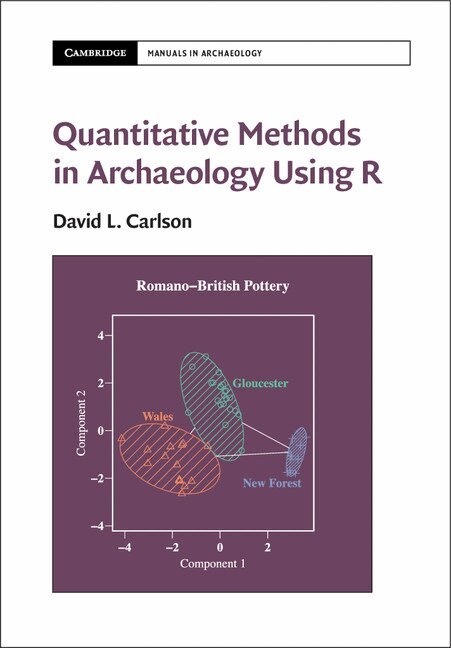
Quantitative Methods in Archaeology Using R
Inbunden, 2017
1462 kr
Lägg i varukorg
Quantitative Methods in Archaeology Using R is the first hands-on guide to using the R statistical computing system written specifically for archaeologists. It shows how to use the system to analyze many types of archaeological data. Part I includes tutorials on R, with applications to real …
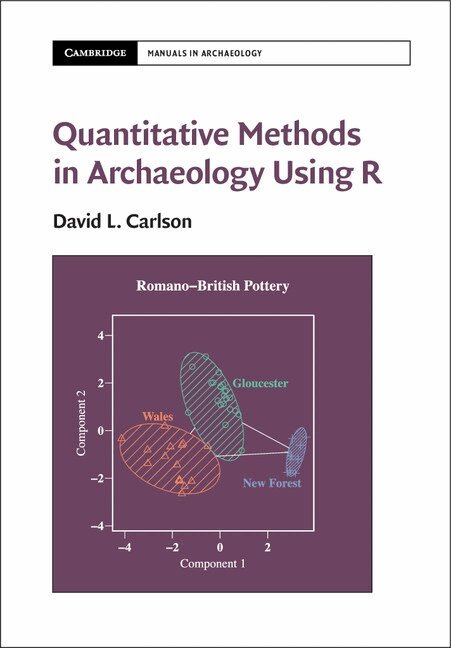
Quantitative Methods in Archaeology Using R
Häftad, 2017
672 kr
Lägg i varukorg
Quantitative Methods in Archaeology Using R is the first hands-on guide to using the R statistical computing system written specifically for archaeologists. It shows how to use the system to analyze many types of archaeological data. Part I includes tutorials on R, with applications to real …
Quantitative Methods in Archaeology Using R
E-bok, 2017
657 kr
Lägg i varukorg
Quantitative Methods in Archaeology Using R is the first hands-on guide to using the R statistical computing system written specifically for archaeologists. It shows how to use the system to analyze many types of archaeological data. Part I includes tutorials on R, with applications to real …
Quantitative Methods in Archaeology Using R
E-bok, 2017
672 kr
Lägg i varukorg
Quantitative Methods in Archaeology Using R is the first hands-on guide to using the R statistical computing system written specifically for archaeologists. It shows how to use the system to analyze many types of archaeological data. Part I includes tutorials on R, with applications to real …
I Can't Believe I Did That!
Instinctive Behavior in Humans
E-bok, 2008
120 kr
Lägg i varukorg
This book explains the origins of what we generally refer to as Human Nature. Despite the tremendous variation in human behavior, there are several distinct traits that are common to our species in general and, in fact, common to all species. These include dominance and submission, aggression, …
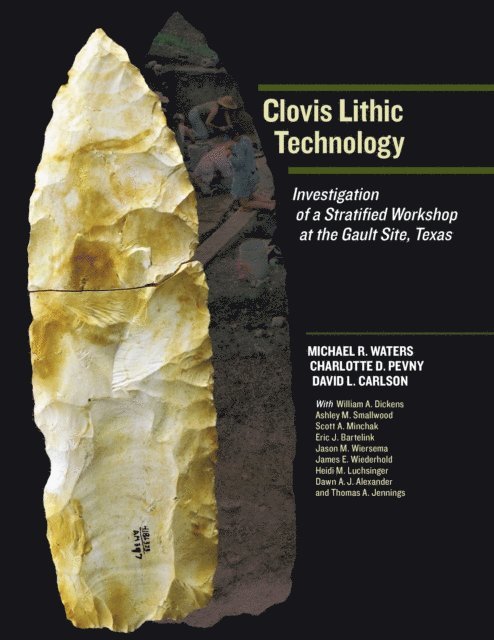
Clovis Lithic Technology
Investigation of a Stratified Workshop at the Gault Site, Texas
Av Thomas A. Jennings, David L. Carlson m. fl.
E-bok, 2011
529 kr
Lägg i varukorg
Some 13,000 years ago, humans were drawn repeatedly to a small valley in what is now Central Texas, near the banks of Buttermilk Creek. These early hunter-gatherers camped, collected stone, and shaped it into a variety of tools they needed to hunt game, process food, and subsist in the Texas …
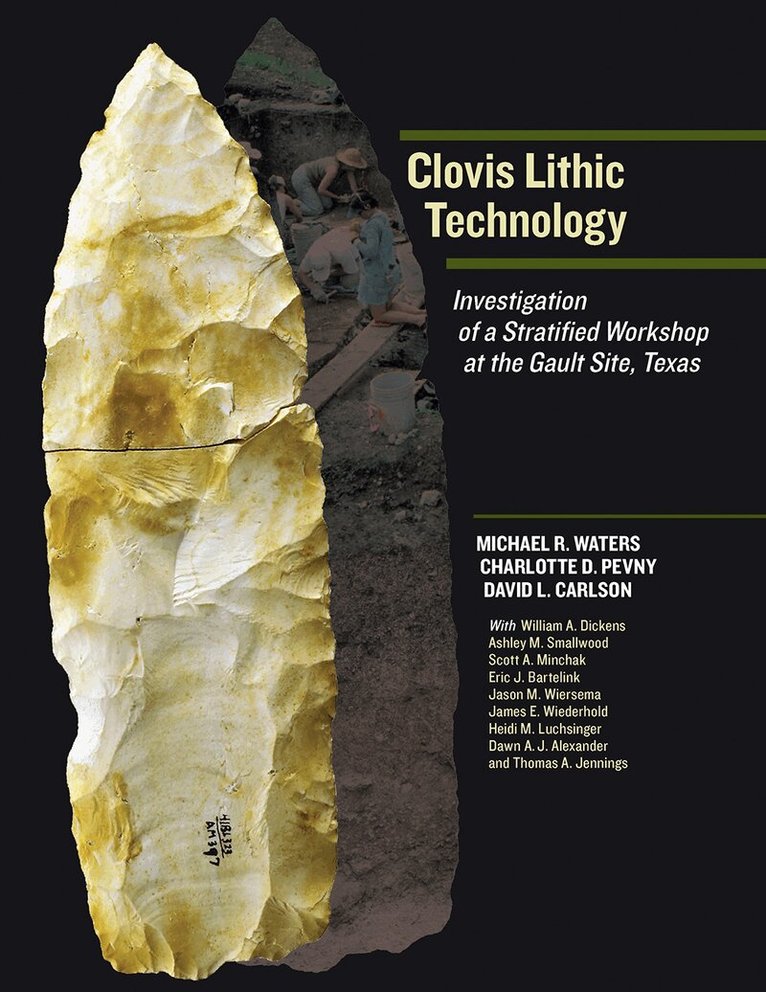
Clovis Lithic Technology
Investigation of a Stratified Workshop at the Gault Site, Texas
Av Michael R. Waters, Charlotte D. Pevny m. fl.
Häftad, 2026
560 kr
Lägg i varukorg
Some 13,000 years ago, humans were drawn repeatedly to a small valley in what is now Central Texas, near the banks of Buttermilk Creek. These early hunter-gatherers camped, collected stone, and shaped it into a variety of tools they needed to hunt game, process food, and subsist in the Texas …
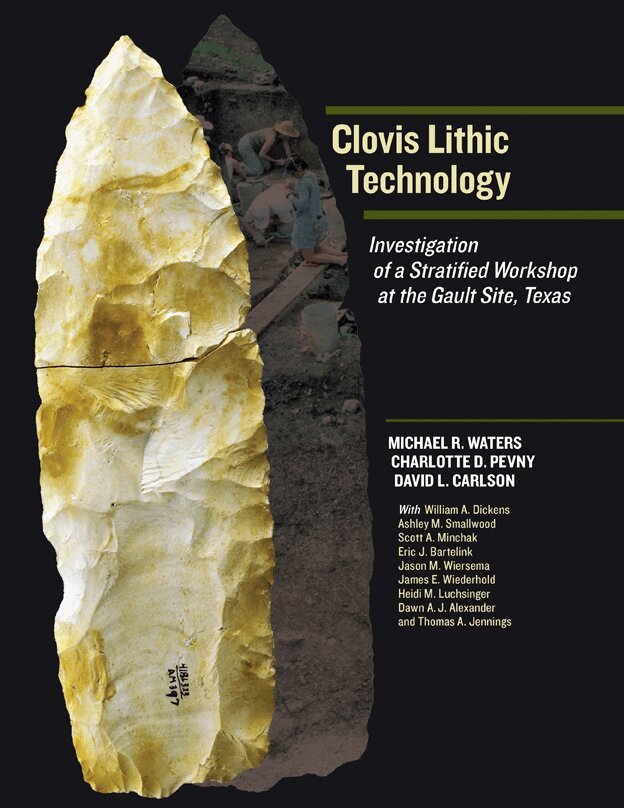
Clovis Lithic Technology
Investigation of a Stratified Workshop at the Gault Site, Texas
Av Michael R. Waters, Charlotte D. Pevny m. fl.
Inbunden, 2011
555 kr
Tillfälligt slut
Some 13,000 years ago, humans were drawn repeatedly to a small valley in what is now Central Texas, near the banks of Buttermilk Creek. These early hunter-gatherers camped, collected stone, and shaped it into a variety of tools they needed to hunt game, process food, and subsist in the Texas …
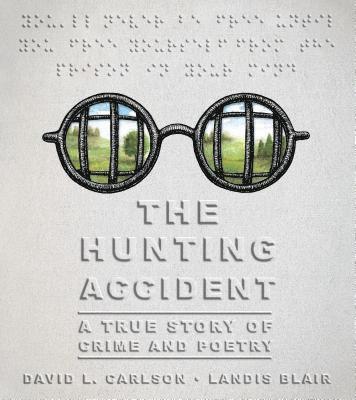
Hunting Accident
A True Story of Crime and Poetry
Inbunden, 2017
413 kr
Tillfälligt slut
As a child, Charlie Rizzo had been told that his father lost his vision in a hunting accident. It wasn't until Charlie found himself in a jail cell for his petty crimes that he learned the truth. Matt Rizzo was blinded by a shotgun blast to the face while working for the mob. Just a teenager and …