David M. Knight – författare
Visar alla böcker från författaren David M. Knight. Handla med fri frakt och snabb leverans.
17 produkter
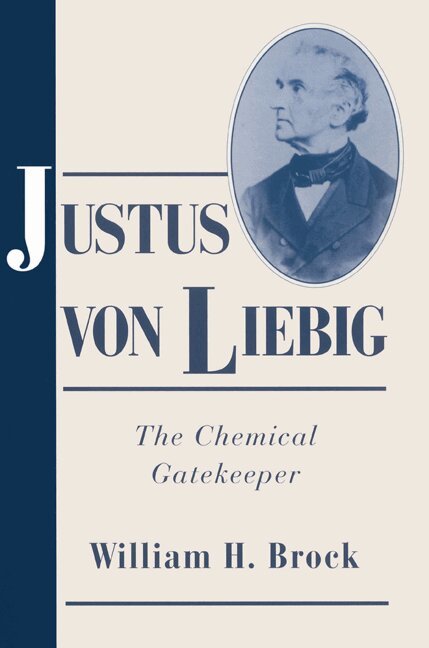
Justus von Liebig
The Chemical Gatekeeper
Av William H. Brock, Sally Gregory Kohlstedt m. fl.
Häftad, 2002
976 kr
Lägg i varukorg
One of the founding fathers of organic chemistry and also a great teacher, the German scientist Justus von Liebig transformed scientific education, medical practice, and agriculture in Great Britain. William H. Brock's fresh interpretation of Liebig's stormy career shows how he moved chemistry into …
Atoms and Elements
A Study of Theories of Matter in England in the Nineteenth Century
E-bok, 2018
644 kr
Lägg i varukorg
First published in 1967. The impression is sometimes given that the Atomic Theory was revived in the early years of the nineteenth century by John Dalton, and that continuously from then on it has played a vital role in chemistry. The aim of this study is to revise this over-simplified picture. …
Atoms and Elements
A Study of Theories of Matter in England in the Nineteenth Century
E-bok, 2018
678 kr
Lägg i varukorg
First published in 1967. The impression is sometimes given that the Atomic Theory was revived in the early years of the nineteenth century by John Dalton, and that continuously from then on it has played a vital role in chemistry. The aim of this study is to revise this over-simplified picture. …
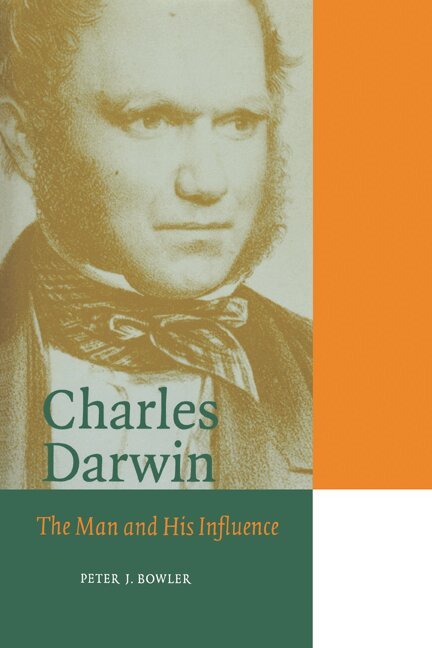
Charles Darwin
The Man and his Influence
Av Peter J. Bowler, Sally Gregory Kohlstedt m. fl.
Inbunden, 1996
1503 kr
Lägg i varukorg
Darwin's enormous influence on science and culture, begun during his lifetime, is still very evident today. The Origin of Species excited much debate and controversy, challenging the foundations of Christianity, yet underpinning the Victorian concept of progress, and today still evokes powerful and …
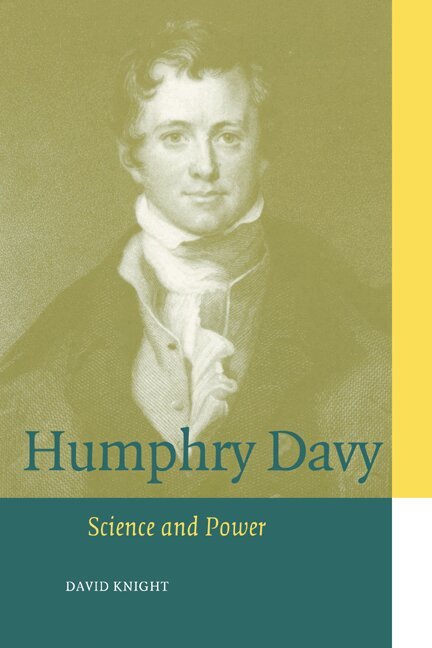
Humphry Davy
Science and Power
Av David Knight, Sally Gregory Kohlstedt m. fl.
Häftad, 1998
950 kr
Lägg i varukorg
In this illuminating and entertaining biography David Knight draws upon Humphry Davy's poetry, notebooks, and informal writings to introduce us to one of the first professional scientists. Davy is best remembered for his work on laughing gas, for the arc lamp, for isolating sodium and potassium, …
Charles Darwin
The Man and his Influence
Av Peter J. Bowler, Sally Gregory Kohlstedt m. fl.
Häftad, 1996
448 kr
Lägg i varukorg
Darwin's enormous influence on science and culture, begun during his lifetime, is still very evident today. The Origin of Species excited much debate and controversy, challenging the foundations of Christianity, yet underpinning the Victorian concept of progress, and today still evokes powerful and …
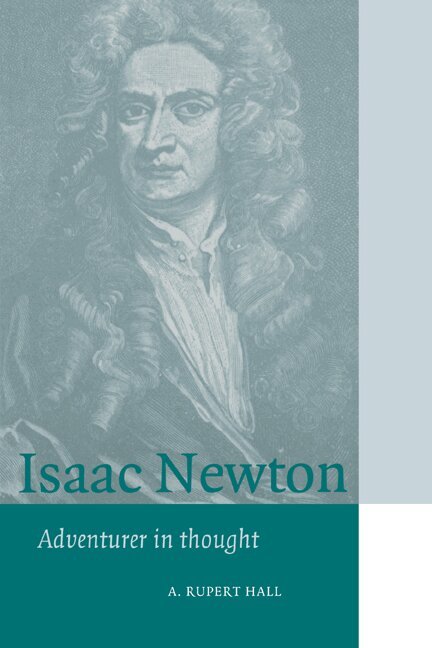
Isaac Newton
Adventurer in Thought
Av A. Rupert Hall, Sally Gregory Kohlstedt m. fl.
Häftad, 1996
863 kr
Lägg i varukorg
In this elegant, absorbing biography of Isaac Newton (1642-1727), Rupert Hall surveys the vast field of modern scholarship in order to interpret Newton's mathematical and experimental approach to nature. Mathematics was always the deepest, most innovative and productive of Newton's interests. …
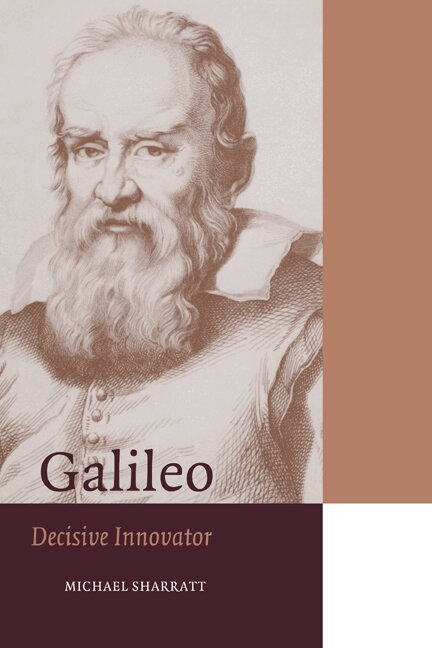
Galileo
Decisive Innovator
Av Michael Sharratt, Sally Gregory Kohlstedt m. fl.
Häftad, 1996
448 kr
Lägg i varukorg
In this entertaining and authoritative biography Michael Sharratt examines the flair, imagination, hard-headedness, clarity, combativeness, and penetration of Galileo Galilei. To follow his career as he exploited unforeseen opportunities to unseat established ways of comprehending nature is to …
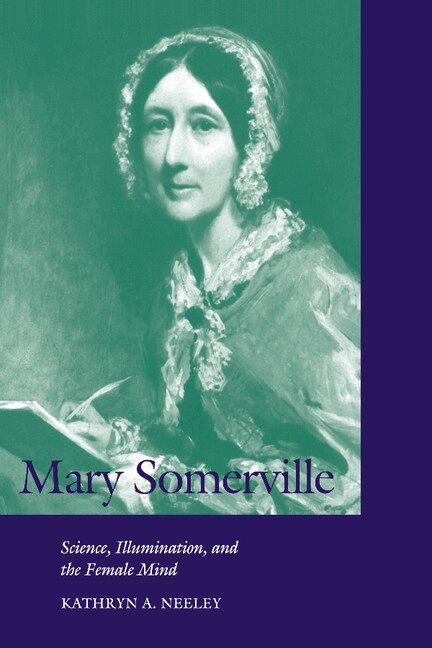
Mary Somerville
Science, Illumination, and the Female Mind
Av Kathryn A. Neeley, Sally Gregory Kohlstedt m. fl.
Häftad, 2001
471 kr
Lägg i varukorg
In an era when science was perceived as a male domain, Mary Somerville (1780-1872) became both the leading woman scientist of her day and an integral part of the British scientific community. She achieved this status through careful management of her gender identity and by creating rich, readable, …
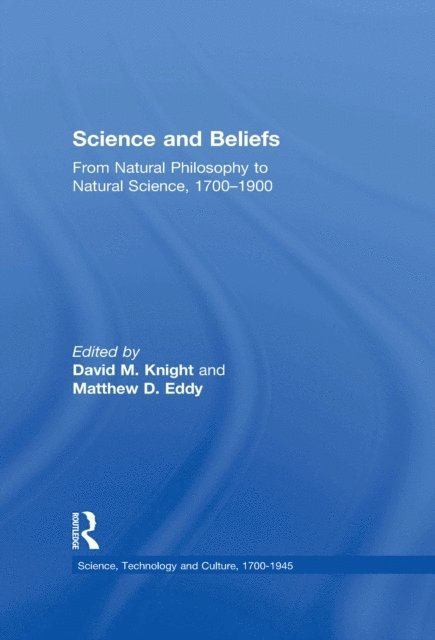
Science and Beliefs
From Natural Philosophy to Natural Science, 1700–1900
Av Matthew D. Eddy, David M. Knight
Inbunden, 2005
2519 kr
Lägg i varukorg
The years between 1700 and 1900 witnessed a fundamental transition in attitudes towards science, as earlier concepts of natural philosophy were replaced with a more modern conception of science. This process was by no means a simple progression, and the changing attitudes to science was marked by …
Science and Beliefs
From Natural Philosophy to Natural Science, 1700–1900
Av Matthew D. Eddy, David M. Knight
Häftad, 2017
868 kr
Lägg i varukorg
The years between 1700 and 1900 witnessed a fundamental transition in attitudes towards science, as earlier concepts of natural philosophy were replaced with a more modern conception of science. This process was by no means a simple progression, and the changing attitudes to science was marked by …
Atoms and Elements
A Study of Theories of Matter in England in the Nineteenth Century
Inbunden, 2018
1832 kr
Lägg i varukorg
First published in 1967. The impression is sometimes given that the Atomic Theory was revived in the early years of the nineteenth century by John Dalton, and that continuously from then on it has played a vital role in chemistry. The aim of this study is to revise this over-simplified picture. …
Atoms and Elements
A Study of Theories of Matter in England in the Nineteenth Century
Häftad, 2020
562 kr
Lägg i varukorg
First published in 1967. The impression is sometimes given that the Atomic Theory was revived in the early years of the nineteenth century by John Dalton, and that continuously from then on it has played a vital role in chemistry. The aim of this study is to revise this over-simplified picture. …
Science and Beliefs
From Natural Philosophy to Natural Science, 1700–1900
Av Matthew D. Eddy, David M. Knight
E-bok, 2017
1000 kr
Lägg i varukorg
The years between 1700 and 1900 witnessed a fundamental transition in attitudes towards science, as earlier concepts of natural philosophy were replaced with a more modern conception of science. This process was by no means a simple progression, and the changing attitudes to science was marked by …
Science and Beliefs
From Natural Philosophy to Natural Science, 1700–1900
Av Matthew D. Eddy, David M. Knight
E-bok, 2017
1022 kr
Lägg i varukorg
The years between 1700 and 1900 witnessed a fundamental transition in attitudes towards science, as earlier concepts of natural philosophy were replaced with a more modern conception of science. This process was by no means a simple progression, and the changing attitudes to science was marked by …
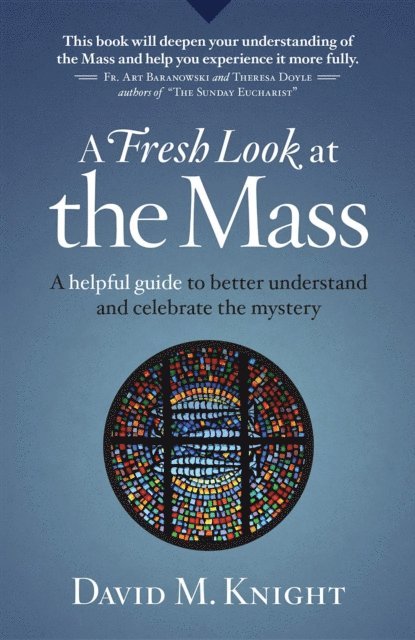
Fresh Look at the Mass
A Helpful Guide to Better Understand and Celebrate the Mystery
E-bok, 2015
163 kr
Lägg i varukorg
In A Fresh Look at the Mass, Fr. Knight guides you through the Mass step by step, inviting you to open your eyes, ears, mind, and heart. You''ll take a fresh look at how the Mass''s prayers, gestures, and symbols bring you into a new world-the real world-of relationship with God and one another. …