David Yetman - Böcker
Visar alla böcker från författaren David Yetman. Handla med fri frakt och snabb leverans.
9 produkter
9 produkter
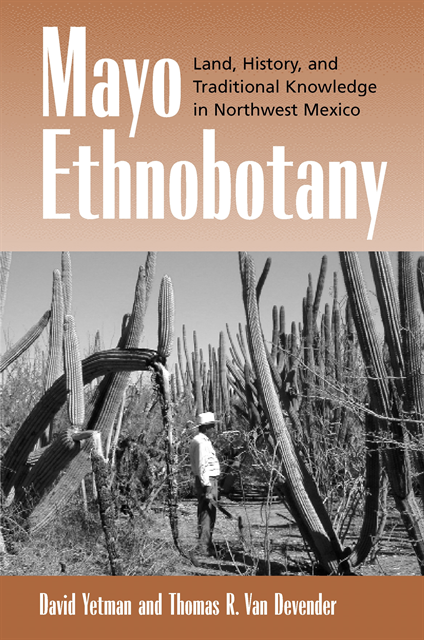
Mayo Ethnobotany
Land, History, and Traditional Knowledge in Northwest Mexico
Inbunden, Engelska, 2002
928 kr
Skickas inom 3-6 vardagar
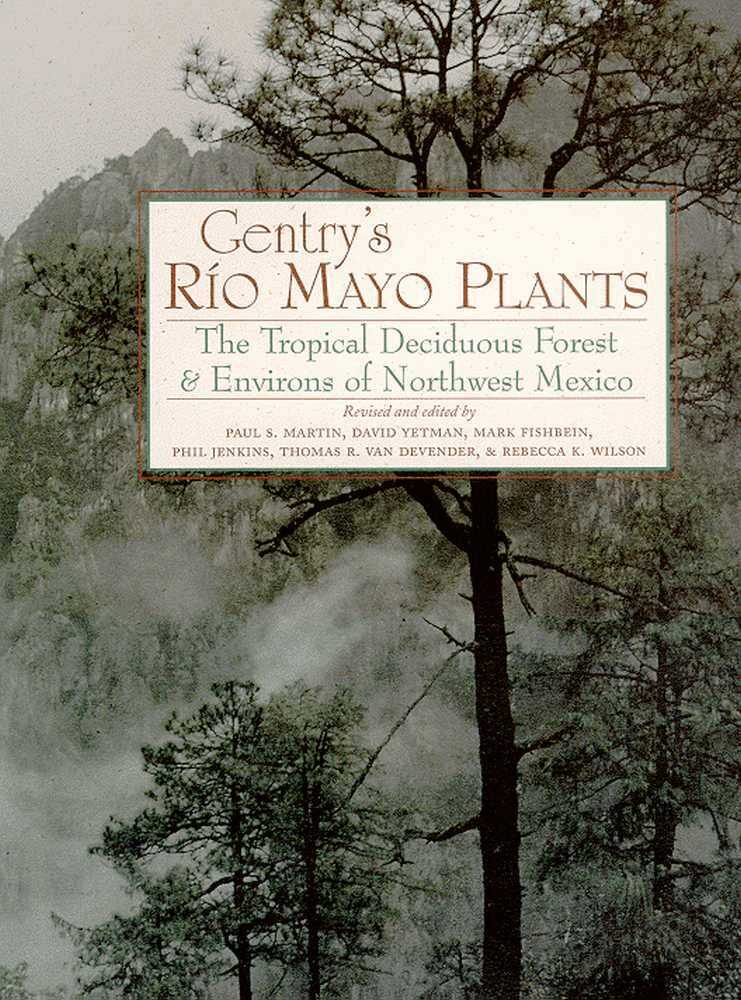
The Mayos, an indigenous people of northwestern Mexico, live in small towns spread over southern Sonora and northern Sinaloa, lands of remarkable biological diversity. Traditional Mayo knowledge is quickly being lost as this culture becomes absorbed into modern Mexico. Moreover, as big agriculture spreads into the region, the natural biodiversity of these lands is also rapidly disappearing. This engaging and accessible ethnobotany, based on hundreds of interviews with the Mayos and illustrated with the authors' strikingly beautiful photographs, helps preserve our knowledge of both an indigenous culture and an endangered environment.This book contains a comprehensive description of northwest Mexico's tropical deciduous forests and thornscrub on the traditional Mayo lands reaching from the Sea of Cortes to the foothills of the Sierra Madre. The first half of the book is a highly readable account of the climate, geology, and vegetation of the region. The authors also provide a valuable history of the people, their language, culture, festival traditions, and plant use.The second half of the book is an annotated list of plants presenting the authors' detailed findings on plant use in Mayo culture.
665 kr
Skickas inom 7-10 vardagar
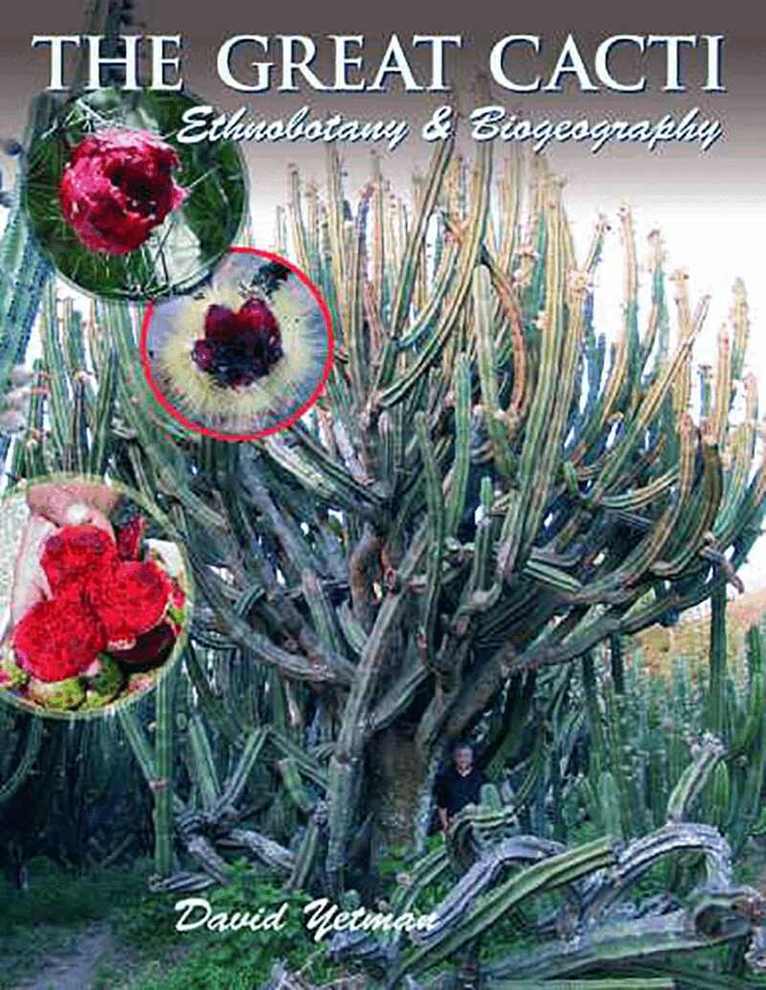
Towering over deserts, arid scrublands, and dry tropical forests, giant cacti grow throughout the Americas, from the United States to Argentina—often in rough terrain and on barren, parched soils, places inhospitable to people. But as David Yetman shows, many of these tall plants have contributed significantly to human survival.Yetman has been fascinated by columnar cacti for most of his life and now brings years of study and reflection to a wide-ranging and handsomely illustrated book. Drawing on his close association with the Guarijíos, Mayos, and Seris of Mexico—peoples for whom such cacti have been indispensable to survival—he offers surprising evidence of the importance of these plants in human cultures. The Great Cacti reviews the more than one hundred species of columnar cacti, with detailed discussions of some 75 that have been the most beneficial to humans or are most spectacular. Focusing particularly on northwestern Mexico and the southwestern United States, Yetman examines the role of each species in human society, describing how cacti have provided food, shelter, medicine, even religiously significant hallucinogens.Taking readers to the exotic sites where these cacti are found—from sea-level deserts to frigid Andean heights—Yetman shows that the great cacti have facilitated the development of native culture in hostile environments, yielding their products with no tending necessary. Enhanced by over 300 superb color photos, The Great Cacti is both a personal and scientific overview of sahuesos, soberbios, and other towering flora that flourish where few other plants grow—and that foster human life in otherwise impossible places.
161 kr
Skickas inom 7-10 vardagar
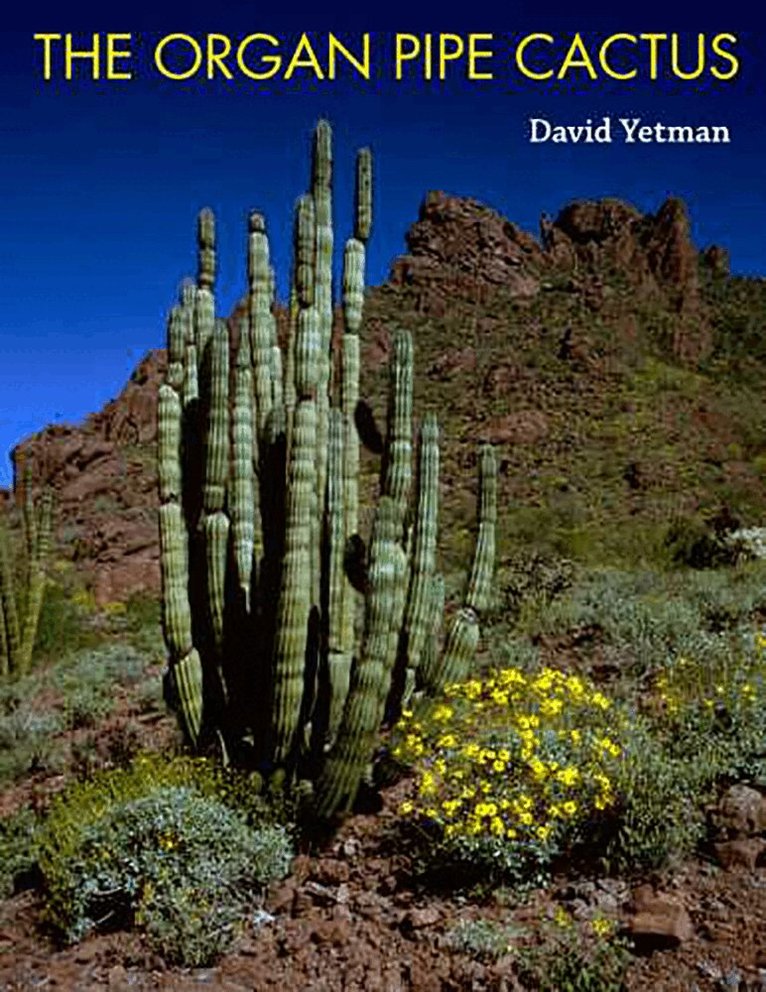
Distinguished by its slender vertical branches, which resemble the tubes of a pipe organ, and growing to the imposing height of 15 to more than 30 feet, it’s obvious how the organ pipe cactus got its name. In the United States, these spectacular and intriguing plants are found exclusively in a small area of the Sonoran Desert in the southwestern corner of Arizona. With a landscape marked by sharp, rocky slopes and daytime highs in the summer reaching 110 degrees Fahrenheit, the region is inhospitable for most ordinary life, whether plant or animal. But the organ pipe cactus is far from ordinary. Although it is the most common columnar cactus, it is so unusual in the United States that it is only one of three cacti to have a national preserve established to protect it. In this regard, it joins a select group of plants—including Joshua trees, redwoods, and sequoias—upon which that honor has been conferred. In this beautifully illustrated, large-format book, David Yetman provides an in-depth and comprehensive look at these intriguing and picturesque plants that most Americans will never have the opportunity to see. Chapters explore their ethnobotanical uses, their habitat, their distribution, and special conditions required for their germination, establishment, growth, and survival. Yetman also places the organ pipe in perspective as a member of a genus with at least twenty-three species, ranging from the prostrate Stenocereus eruca of Baja California to the 50-foot high giant S. chacalapensis of the coast of Oaxaca.
397 kr
Skickas inom 11-20 vardagar
257 kr
Skickas inom 7-10 vardagar
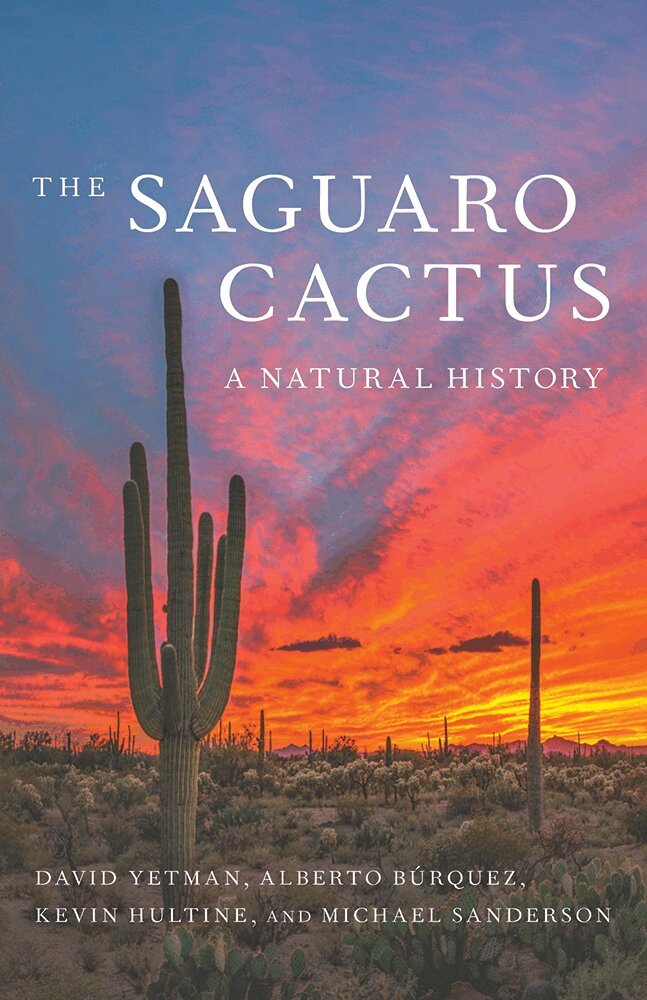
The saguaro, with its great size and characteristic shape - its arms stretching heavenward, its silhouette often resembling a human - has become the emblem of the Sonoran Desert of southwestern Arizona and northwestern Mexico. The largest and tallest cactus in the United States, it is both familiar and an object of fascination and curiosity.This book offers a complete natural history of this enduring and iconic desert plant. Gathering everything from the saguaro's role in Sonoran Desert ecology to its adaptations to the desert climate and its sacred place in Indigenous culture, this book shares precolonial through current scientific findings.The saguaro is charismatic and readily accessible but also decidedly different from other desert flora. The essays in this book bear witness to our ongoing fascination with the great cactus and the plant's unusual characteristics, covering the saguaro's history of discovery,place in the cactus family,ecology,anatomy and physiology,genetics, andethnobotany.The Saguaro Cactus offers testimony to the cactus's prominence as a symbol, the perceptions it inspires, its role in human society, and its importance in desert ecology.
334 kr
Skickas inom 7-10 vardagar
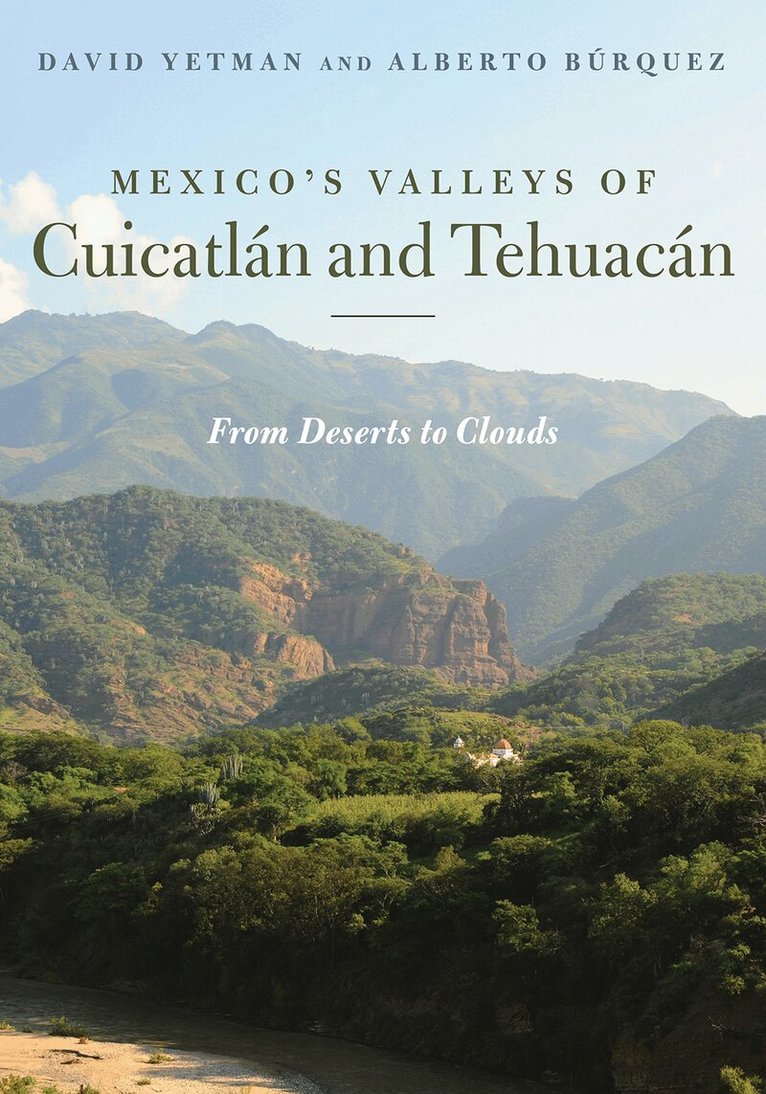
Mexico’s Valleys of CuicatlÁn and TehuacÁn: From Deserts to Clouds provides an accessible and photographic view of the culture, history, and environment of an extraordinary region of southern Mexico. The Valleys of CuicatlÁn and TehuacÁn are lauded by botanists for their spectacular plant life--they contain the densest columnar cacti forests in the world. Recent archaeological excavations reveal them also to be a formative Mesoamerican site as well. So singular is this region that it is home to the TehuacÁn-CuicatlÁn Biosphere Reserve and a UNESCO World Heritage Site.Through firsthand experience and engaging prose, the authors provide a synthesis of the geology, ecology, history, and cultures of the valleys, showing their importance and influence as Mesoamerican arteries for environmental and cultural interchange through Mexico. It also reveals the extraordinary plant life that draws from habitats ranging from deserts to wet tropical forests.The authors, both experts in their respective fields, begin with a general description of the geography of the valleys, followed by an introduction to climate and hydrology, a look at the valleys’ often bewildering geology. The book delves into cultural and linguistic backgrounds of the valleys and discusses archaeological sites that that encapsulate the valleys’ fascinating history prior to the arrival of Europeans. The book concludes by describing the flora that makes the region so singular.
297 kr
Skickas inom 11-20 vardagar
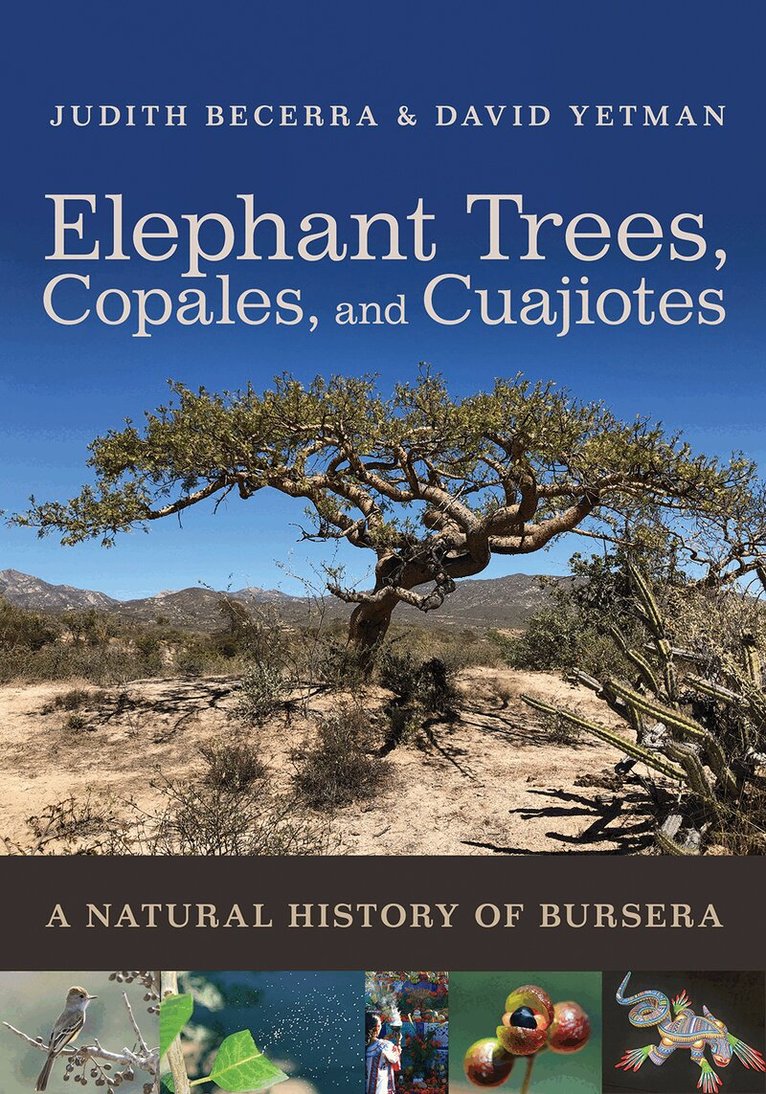
Predominantly native to the U.S. Southwest, Mexico, and the Caribbean, the various species of Bursera have been prized throughout history for their distinctive aromas, medicinal properties, workable wood, and attractive appearance. Despite its extensive past and current use as incense in religious ceremonies, and its resourceful antiseptic ability to treat a range of maladies, no comprehensive book exists on this vital yet overlooked plant. Highlighting bursera’s importance and impact within the desert Southwest and Mexico, this volume will be the first book to describe the ecology, evolution, ethnobotany, and peculiar chemistry of the many species of Bursera.In the United States, Bursera is represented by the short, contorted, and aromatic elephant tree of the hot Sonoran Desert and the stately and colorful gumbo limbo of southern Florida, while in the torrid lowlands of southern Mexico, the engines of evolution have produced forests dominated by dozens of species of Bursera, each with a peculiar ecological slot. This evolutionary tableau presents a complicated sex life that puzzles scientists. Recent research also reveals a gripping narrative of an epic struggle between trees and the insects that would subsist on their leaves: the insects seeking to exploit a food resource, the trees reacting with ever-changing, dramatic counter strategies. In addition to the fascinating and intricate workings of the genus’s ecological adaptations, burseras play a formative role in the lives of indigenous populations. Native peoples relish the plants’ aromatic resin, workable wood, and often colorful bark as a source for endless human applications.Written in an engaging style, enhanced with two hundred color photographs, and complete with a compendium of species descriptions, this book will be an essential reference on a significant North American plant.
372 kr
Skickas inom 3-6 vardagar
This account of the people, culture, land, and history of Sonora, Mexico, describes blistering deserts, alpine mountains, tropical river valleys, and arid coastlines, and relates the lives and stories of cattlemen, lumbermen, fishermen, weavers, cobblers, musicians, bootleggers, and Indians.
319 kr
Skickas inom 7-10 vardagar
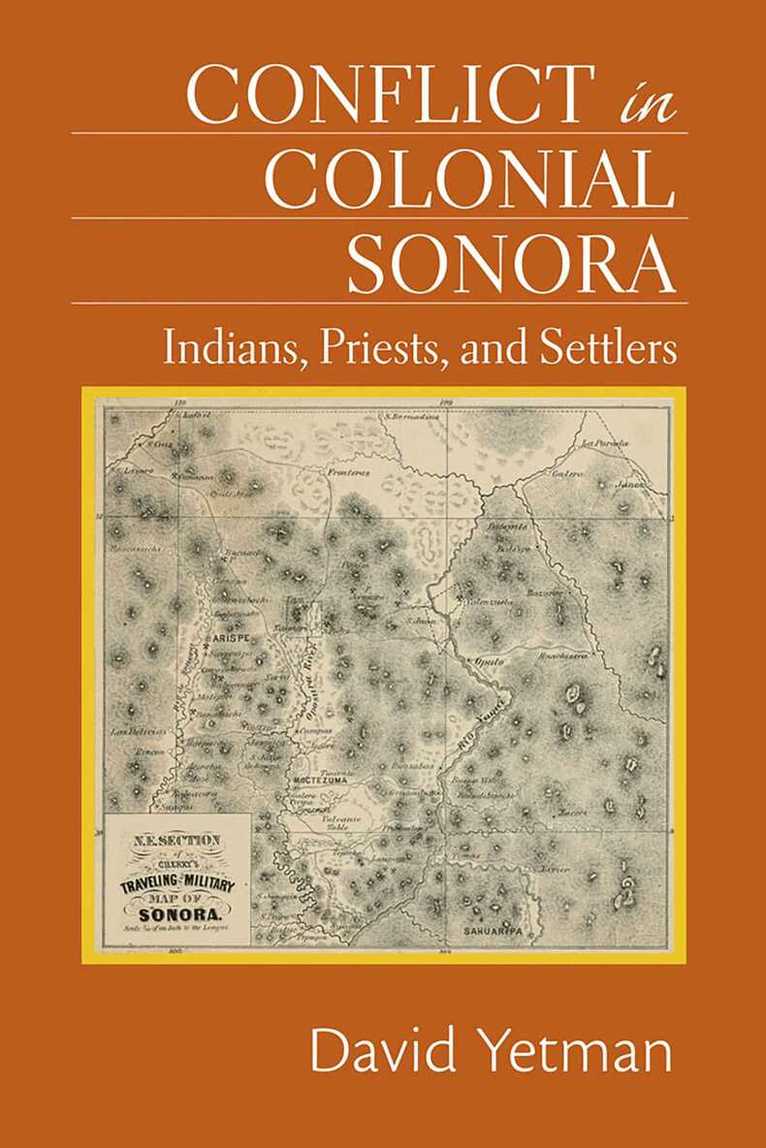
In the seventeenth and eighteenth centuries northwestern Mexico was the scene of ongoing conflict among three distinct social groups - Indians, religious orders of priests, and settlers. Priests hoped to pacify Indians, who in turn resisted the missionary clergy. Settlers, who often encountered opposition from priests, sought to dominate Indians, take over their land, and, when convenient, exploit them as servants and laborers. Indians struggled to maintain control of their traditional lands and their cultures and persevere in their ancient enmities with competing peoples, with whom they were often at war. The missionaries faced conflicts within their own orders, between orders, and between the orders and secular clergy. Some settlers championed Indian rights against the clergy, while others viewed Indians as ongoing impediments to economic development and viewed the priests as obstructionists.In this study, Yetman, distinguished scholar of Sonoran history and culture, examines seven separate instances of such conflict, each of which reveals a different perspective on this complicated world. Based on extensive archival research, Yetman's account shows how the settlers, due to their persistence in these conflicts, emerged triumphant, with the Jesuits disappearing from the scene and Indians pushed into the background.