Thomas R. Van Devender – författare
Visar alla böcker från författaren Thomas R. Van Devender. Handla med fri frakt och snabb leverans.
6 produkter
Mayo Ethnobotany
Land, History, and Traditional Knowledge in Northwest Mexico
Av David Yetman, Thomas R. Van Devender
Inbunden, 2002
698 kr
Lägg i varukorg
The Mayos, an indigenous people of northwestern Mexico, live in small towns spread over southern Sonora and northern Sinaloa, lands of remarkable biological diversity. Traditional Mayo knowledge is quickly being lost as this culture becomes absorbed into modern Mexico. Moreover, as big agriculture …
Mayo Ethnobotany
Land, History, and Traditional Knowledge in Northwest Mexico
Av Thomas R. Van Devender, David Yetman
E-bok, 2002
849 kr
Lägg i varukorg
The Mayos, an indigenous people of northwestern Mexico, live in small towns spread over southern Sonora and northern Sinaloa, lands of remarkable biological diversity. Traditional Mayo knowledge is quickly being lost as this culture becomes absorbed into modern Mexico. Moreover, as big agriculture …
Sonoran Desert Tortoise
Natural History, Biology, and Conservation
Av Thomas R. Van Devender, Thomas R. Van Devender m. fl.
Häftad, 2006
452 kr
Lägg i varukorg
One of the most recognisable animals of the Southwest, the desert tortoise (Gopherus agassizii) makes its home in both the Sonoran and Mohave Deserts, as well as in tropical areas to the south in Mexico. Called by Tohono O'odham people "komik'c-ed," or "shell with living thing inside," it is one of …
GENTRY'S RIO MAYO PLANTS
Av The University of Arizona Press, Paul S. Martin m. fl.
Inbunden, 1998
928 kr
Tillfälligt slut
The Rio Mayo region of northwestern Mexico is a major geographic area whose natural history remains poorly known to outsiders. Lying in a region where desert and tropical, northern and southern, and continental and coastal species converge, it boasts an abundance of flora first documented by Howard …
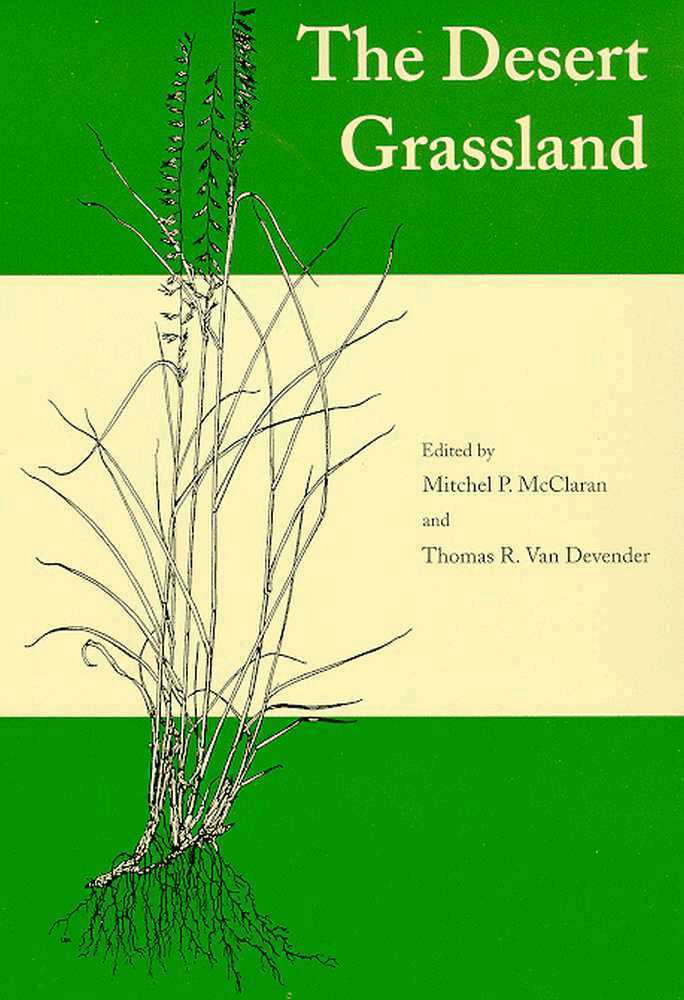
DESERT GRASSLAND
Av The University of Arizona Press, Mitchel P. McClaran m. fl.
Häftad, 1997
384 kr
Tillfälligt slut
The mixed grass and shrub vegetation known to scientists as desert grassland is common to the basins and valleys that skirt the mountain ranges throughout southwestern North America, extending from Arizona, New Mexico and Texas down through thirteen Mexican states. This variegated ground cover is …
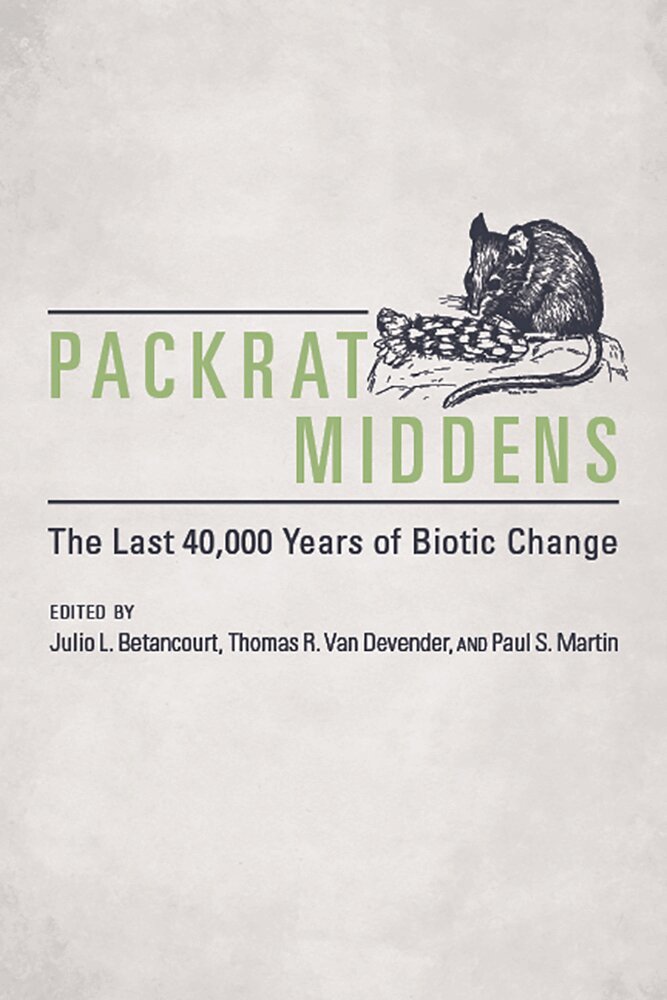
Packrat Middens
The Last 40,000 Years of Biotic Change
Av Julio L. Betancourt, Thomas R. Van Devender m. fl.
Häftad, 2016
509 kr
Tillfälligt slut
Over the past thirty years, late Quaternary environments in the arid interior of western North America have been revealed by a unique source of fossils: well-preserved fragments of plants and animals accumulated locally by packrats and quite often encased, amberlike, in large masses of crystallized …