Dirk van Miert – författare
Visar alla böcker från författaren Dirk van Miert. Handla med fri frakt och snabb leverans.
8 produkter
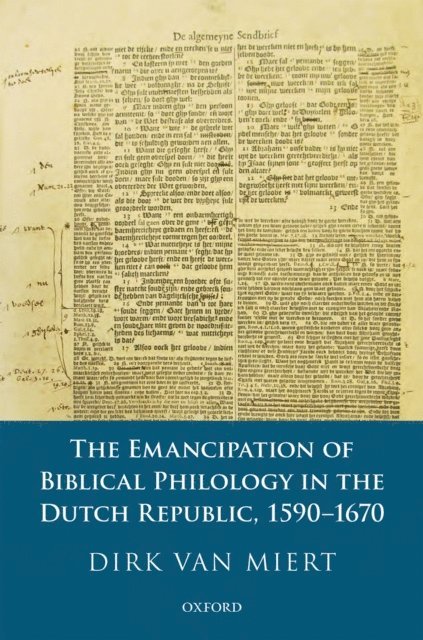
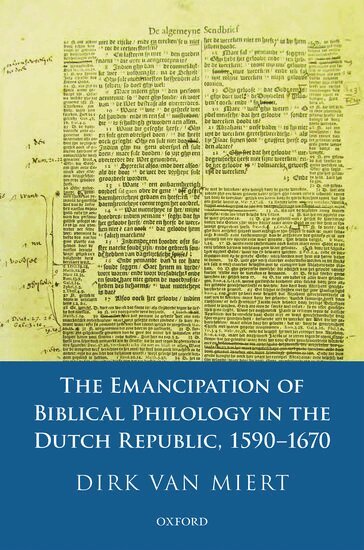
Emancipation of Biblical Philology in the Dutch Republic, 1590-1670
E-bok, 2018
1602 kr
Lägg i varukorg
The Emancipation of Biblical Philology in the Dutch Republic, 1590-1670 argues that the application of tools, developed in the study of ancient Greek and Latin authors, to the Bible was aimed at stabilizing the biblical text but had the unintentional effect that the text grew more and more …
Emancipation of Biblical Philology in the Dutch Republic, 1590-1670
E-bok, 2018
1602 kr
Lägg i varukorg
The Emancipation of Biblical Philology in the Dutch Republic, 1590-1670 argues that the application of tools, developed in the study of ancient Greek and Latin authors, to the Bible was aimed at stabilizing the biblical text but had the unintentional effect that the text grew more and more …
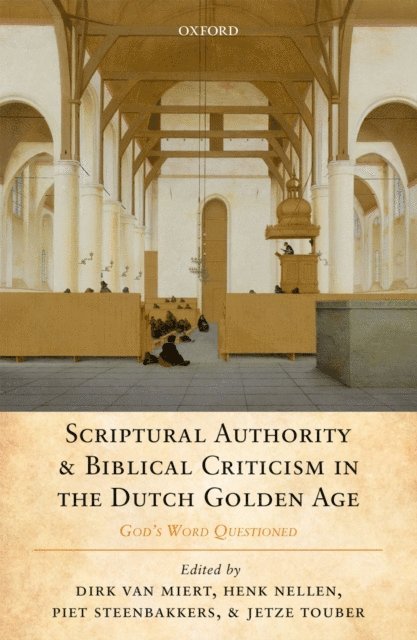
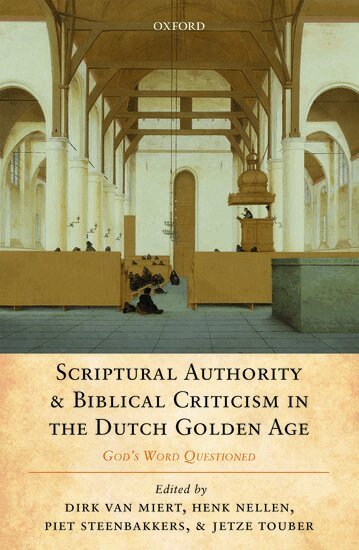
Scriptural Authority and Biblical Criticism in the Dutch Golden Age
God's Word Questioned
Av Henk Nellen, Jetze Touber m. fl.
E-bok, 2017
1940 kr
Lägg i varukorg
Scriptural Authority and Biblical Criticism in the Dutch Golden Age explores the hypothesis that in the long seventeenth century humanist-inspired biblical criticism contributed significantly to the decline of ecclesiastical truth claims. Historiography pictures this era as one in which the …
Scriptural Authority and Biblical Criticism in the Dutch Golden Age
God's Word Questioned
Av Henk Nellen, Jetze Touber m. fl.
E-bok, 2017
1940 kr
Lägg i varukorg
Scriptural Authority and Biblical Criticism in the Dutch Golden Age explores the hypothesis that in the long seventeenth century humanist-inspired biblical criticism contributed significantly to the decline of ecclesiastical truth claims. Historiography pictures this era as one in which the …
The Emancipation of Biblical Philology in the Dutch Republic, 1590-1670
Inbunden, 2018
2344 kr
Lägg i varukorg
The Emancipation of Biblical Philology in the Dutch Republic, 1590-1670 argues that the application of tools, developed in the study of ancient Greek and Latin authors, to the Bible was aimed at stabilizing the biblical text but had the unintentional effect that the text grew more and more …
Scriptural Authority and Biblical Criticism in the Dutch Golden Age
God's Word Questioned
Av Henk Nellen, Dirk van Miert m. fl.
Inbunden, 2017
3021 kr
Lägg i varukorg
Scriptural Authority and Biblical Criticism in the Dutch Golden Age explores the hypothesis that in the long seventeenth century humanist-inspired biblical criticism contributed significantly to the decline of ecclesiastical truth claims. Historiography pictures this era as one in which the …
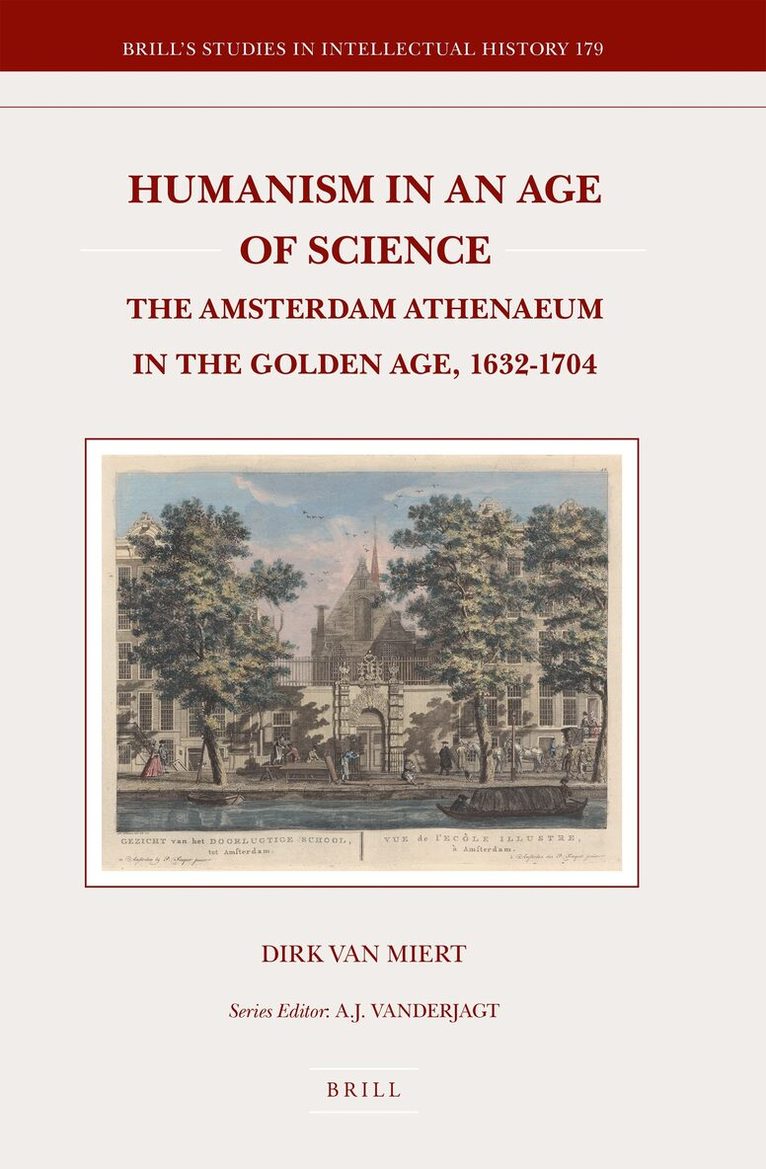
Humanism in an Age of Science
The Amsterdam Athenaeum in the Golden Age, 1632-1704
Inbunden, 2009
2489 kr
Lägg i varukorg
In 1632, the Amsterdam regents founded an Athenaeum or 'Illustrious School'. This kind of institution provided academic teaching, although it could not grant degrees and had no compulsory four-faculty system. Athenaeums proliferated in the first century after the Dutch Revolt, but few of them …
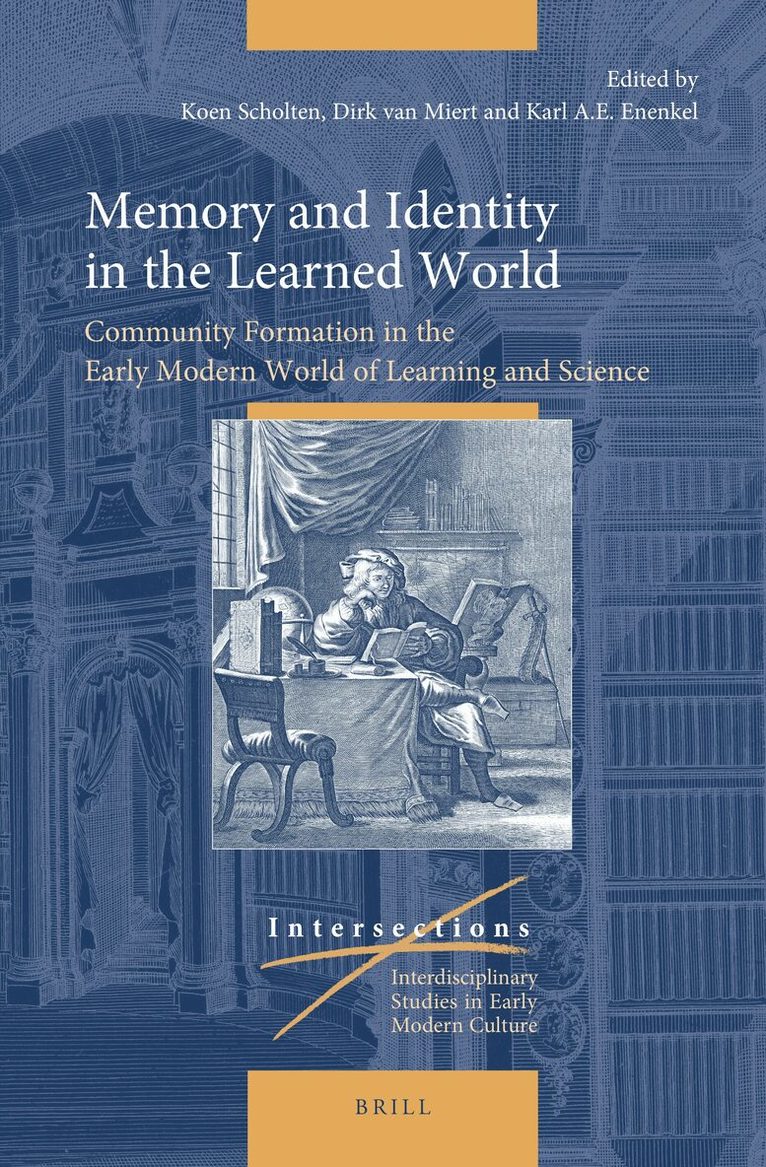
Memory and Identity in the Learned World
Community Formation in the Early Modern World of Learning and Science
Av Koen Scholten, Dirk van Miert m. fl.
Inbunden, 2022
2358 kr
Lägg i varukorg
Memory and Identity in the Learned World offers a detailed and varied account of community formation in the early modern world of learning and science. The book traces how collective identity, institutional memory and modes of remembrance helped to shape learned and scientific communities. The case …