Don Nerbas – författare
Visar alla böcker från författaren Don Nerbas. Handla med fri frakt och snabb leverans.
7 produkter
7 produkter
Inbunden, Engelska, 2025
444 kr
Skickas inom 5-8 vardagar
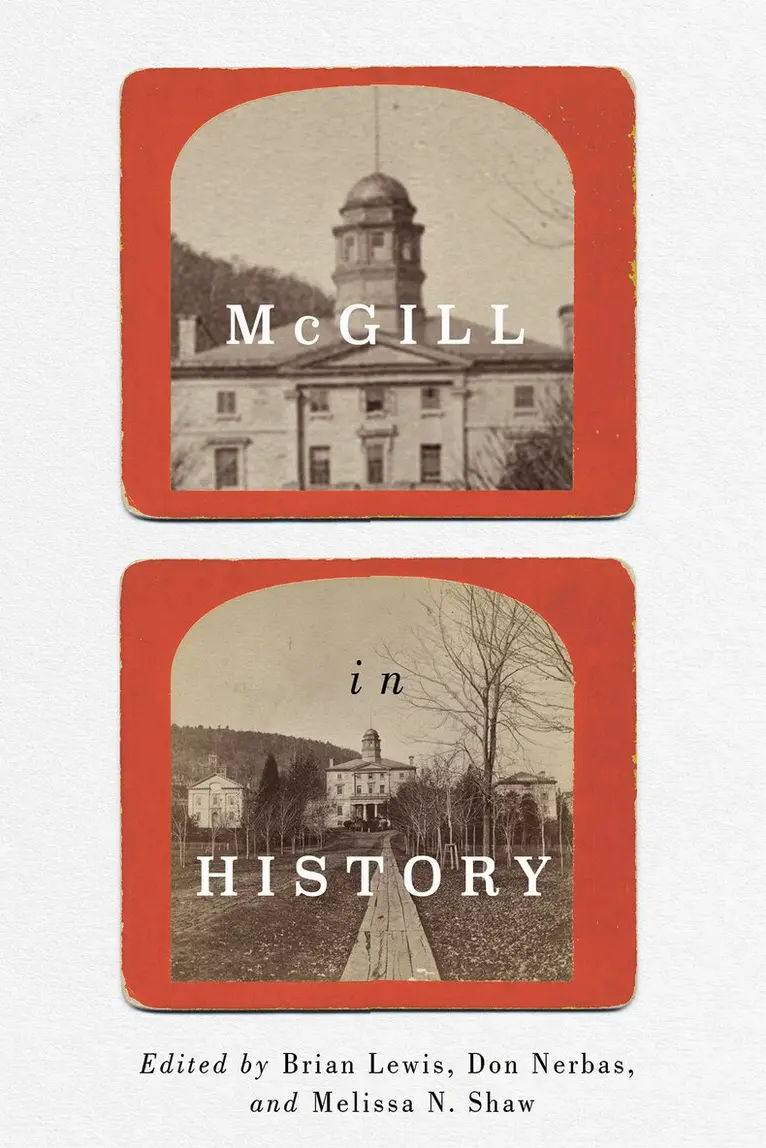
In 2021, McGill University celebrated its bicentennial anniversary, reflecting on contributions to research, education, and other successes. The university’s founding within the context of nineteenth-century Atlantic capitalism requires that a deeper account engage with the more complex and difficult elements of its history.McGill in History brings together diverse historiographies and perspectives to critically examine how McGill has been implicated in power structures and is the product of conflicting ideologies. James McGill, the university’s namesake, owned and profited from the sale of enslaved Black and Indigenous people, a legacy highlighted by the removal of his statue and ongoing debates over the racially charged Redman name used by the men’s sports teams. Imperialism, settler colonialism, slavery, sexism, and homophobia are elements of McGill’s story that must be fully integrated into a broader understanding of the university’s institutional history. Challenging siloed narratives with new research, the contributors to this volume emphasize the important task of scholars to scrutinize and confront history that is unflattering and to rethink their institution’s own story – a reckoning happening across many institutions of higher education around the world.McGill in History broadens the historical frame of critical university studies, showing how the university can serve as a model for understanding power in modern society.
E-bok
PDF, Engelska, 2025413 kr
Läs direkt efter köp
In 2021, McGill University celebrated its bicentennial anniversary, reflecting on contributions to research, education, and other successes. The university's founding within the context of nineteenth-century Atlantic capitalism requires that a deeper account engage with the more complex and difficult elements of its history.McGill in History brings together diverse historiographies and perspectives to critically examine how McGill has been implicated in power structures and is the product of conflicting ideologies. James McGill, the university's namesake, owned and profited from the sale of enslaved Black and Indigenous people, a legacy highlighted by the removal of his statue and ongoing debates over the racially charged Redman name used by the men's sports teams. Imperialism, settler colonialism, slavery, sexism, and homophobia are elements of McGill's story that must be fully integrated into a broader understanding of the university's institutional history. Challenging siloed narratives with new research, the contributors in this volume highlight the important task of scholars to scrutinize and confront history that is unflattering and to rethink their institution's own story a reckoning happening across many institutions of higher education around the world.McGill in History broadens the historical frame of critical university studies, showing how the university can serve as a model for understanding power in modern society.
E-bok
Engelska, 2025428 kr
Läs direkt efter köp
In 2021, McGill University celebrated its bicentennial anniversary, reflecting on contributions to research, education, and other successes. The university's founding within the context of nineteenth-century Atlantic capitalism requires that a deeper account engage with the more complex and difficult elements of its history.McGill in History brings together diverse historiographies and perspectives to critically examine how McGill has been implicated in power structures and is the product of conflicting ideologies. James McGill, the university's namesake, owned and profited from the sale of enslaved Black and Indigenous people, a legacy highlighted by the removal of his statue and ongoing debates over the racially charged Redman name used by the men's sports teams. Imperialism, settler colonialism, slavery, sexism, and homophobia are elements of McGill's story that must be fully integrated into a broader understanding of the university's institutional history. Challenging siloed narratives with new research, the contributors in this volume highlight the important task of scholars to scrutinize and confront history that is unflattering and to rethink their institution's own story a reckoning happening across many institutions of higher education around the world.McGill in History broadens the historical frame of critical university studies, showing how the university can serve as a model for understanding power in modern society.
Häftad, Engelska, 2013
444 kr
Skickas inom 5-8 vardagar
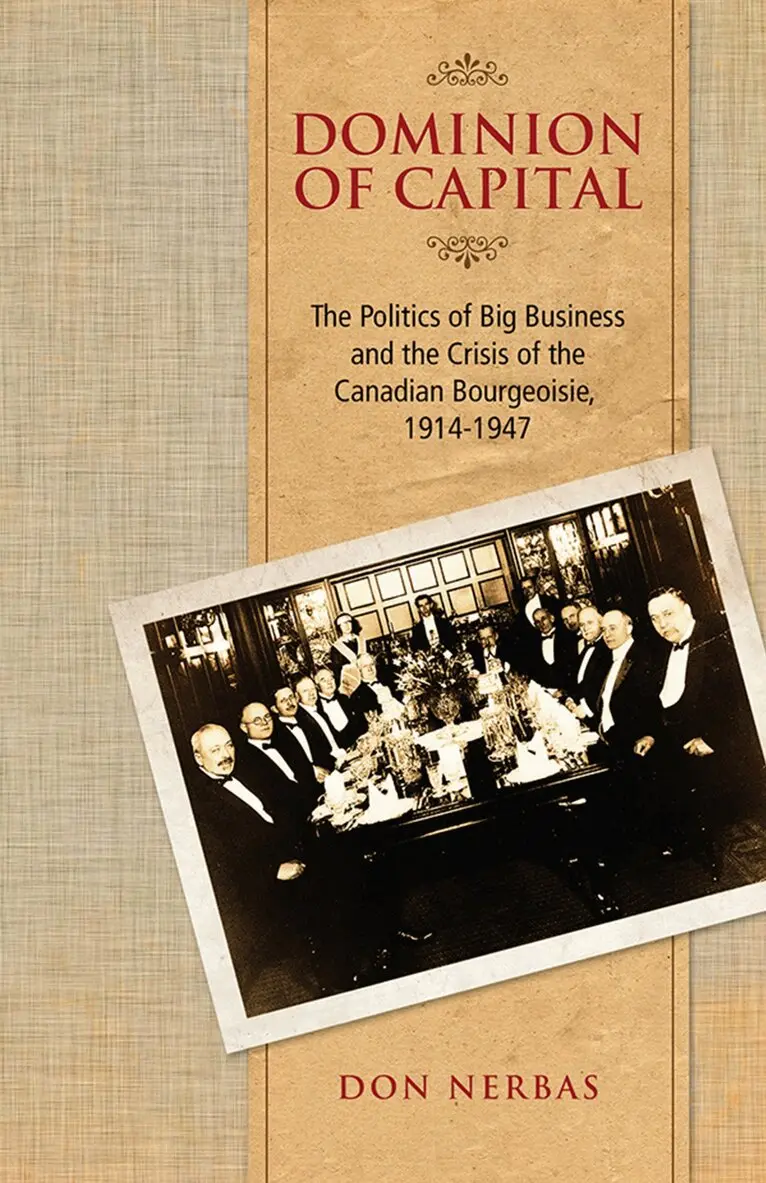
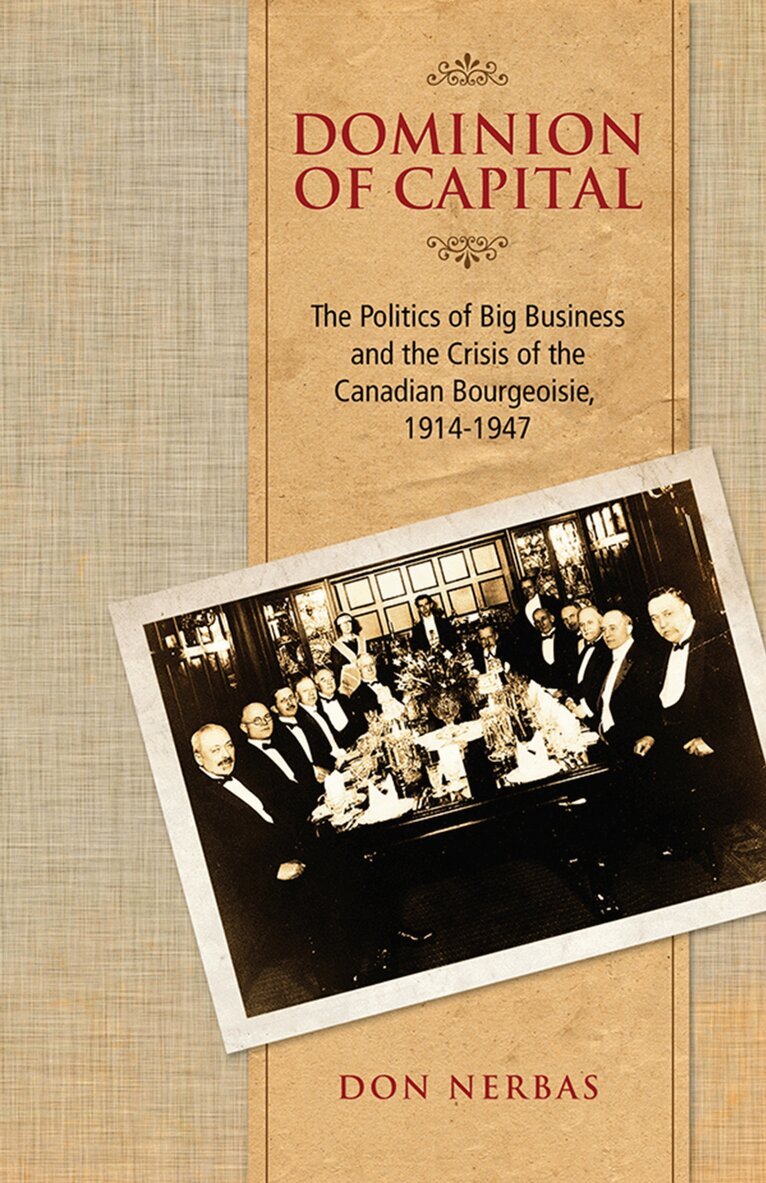
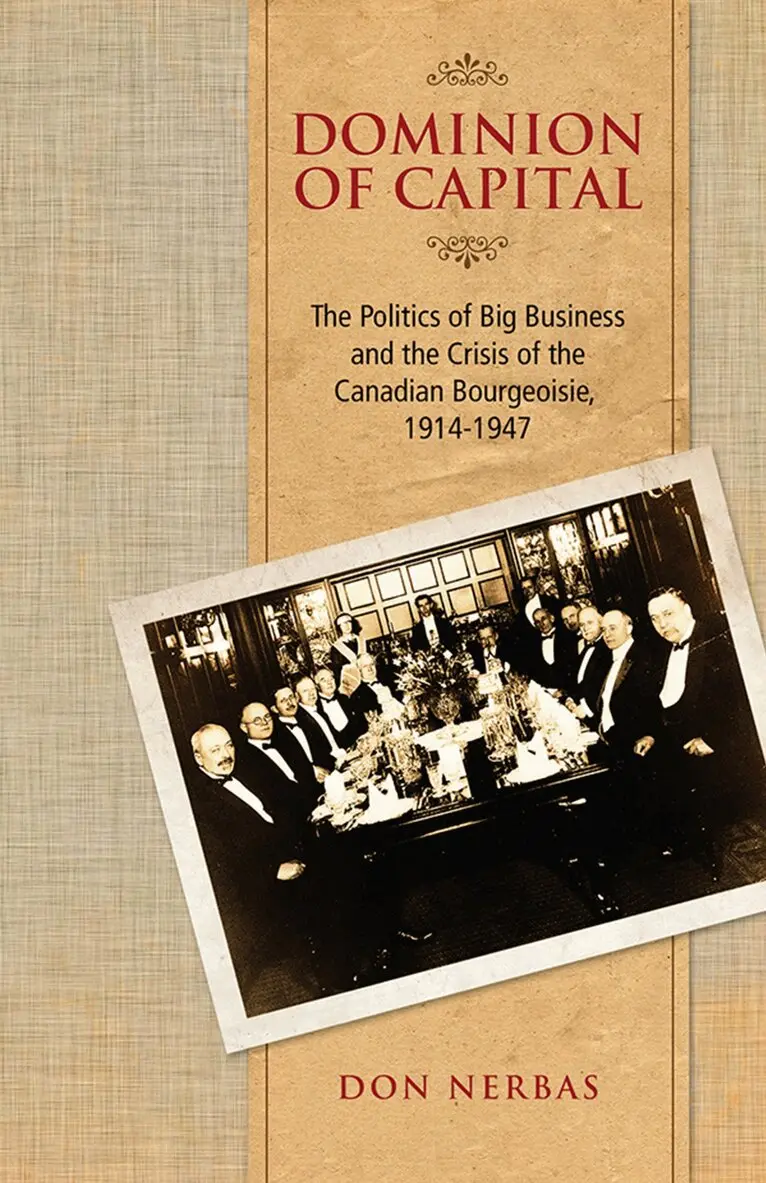
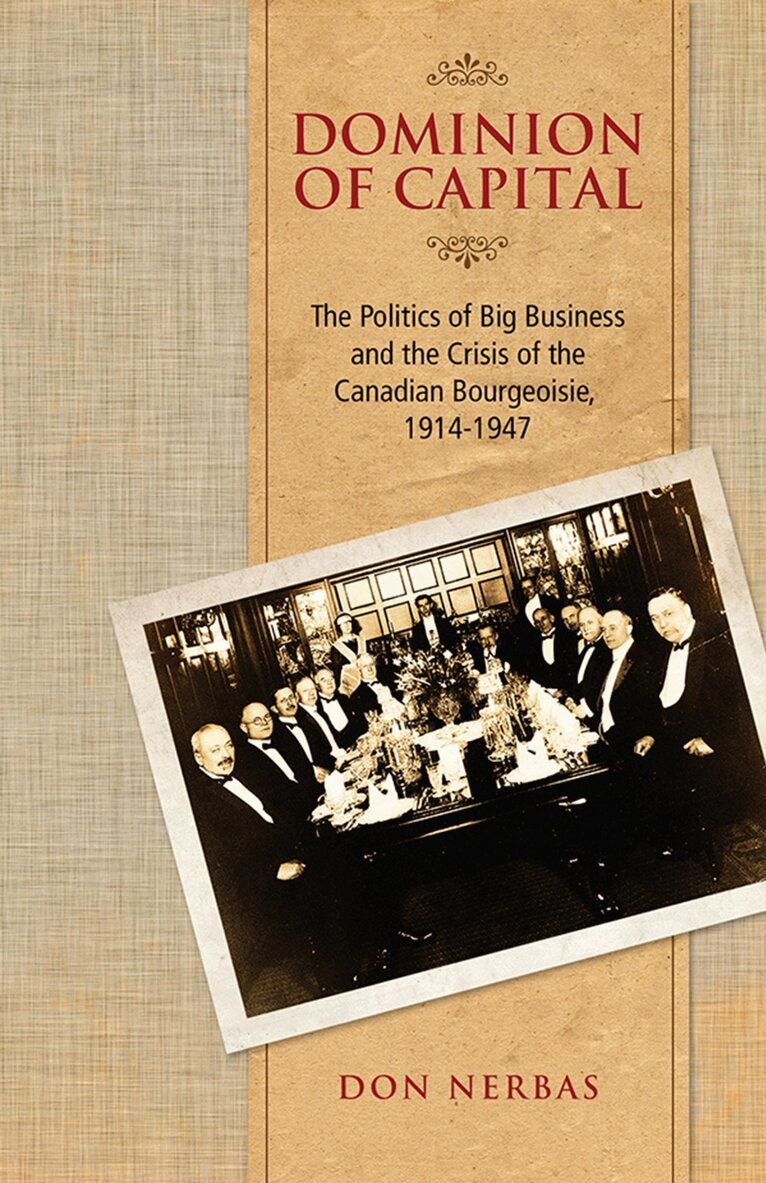
In the critical decades following the First World War, the Canadian political landscape was shifting in ways that significantly recast the relationship between big business and government. As public pressures changed the priorities of Canada’s political parties, many of Canada’s most powerful businessmen struggled to come to terms with a changing world that was less sympathetic to their ideas and interests than before. Dominion of Capital offers a new account of relations between government and business in Canada during a period of transition between the established expectations of the National Policy and the uncertain future of the twentieth century.Don Nerbas tells this fascinating story through close portraits of influential business and political figures of this period – including Howard P. Robinson, Charles Dunning, Sir Edward Beatty, R.S. McLaughlin, and C.D. Howe – that provide insight into how events in different sectors of the economy and regions of the country shaped the political outlook and strategies of the country’s business elite. Drawing on business, political, social, and cultural history, Nerbas revises standard accounts of government-business relations in this period and sheds new light on the challenges facing big business in early twentieth-century Canada.
E-bok
PDF, Engelska, 2013551 kr
Läs direkt efter köp
In the critical decades following the First World War, the Canadian political landscape was shifting in ways that significantly recast the relationship between big business and government. As public pressures changed the priorities of Canada’s political parties, many of Canada’s most powerful businessmen struggled to come to terms with a changing world that was less sympathetic to their ideas and interests than before. Dominion of Capital offers a new account of relations between government and business in Canada during a period of transition between the established expectations of the National Policy and the uncertain future of the twentieth century.Don Nerbas tells this fascinating story through close portraits of influential business and political figures of this period – including Howard P. Robinson, Charles Dunning, Sir Edward Beatty, R.S. McLaughlin, and C.D. Howe – that provide insight into how events in different sectors of the economy and regions of the country shaped the political outlook and strategies of the country’s business elite. Drawing on business, political, social, and cultural history, Nerbas revises standard accounts of government-business relations in this period and sheds new light on the challenges facing big business in early twentieth-century Canada.
E-bok
Engelska, 2013555 kr
Läs direkt efter köp
In the critical decades following the First World War, the Canadian political landscape was shifting in ways that significantly recast the relationship between big business and government. As public pressures changed the priorities of Canada’s political parties, many of Canada’s most powerful businessmen struggled to come to terms with a changing world that was less sympathetic to their ideas and interests than before. Dominion of Capital offers a new account of relations between government and business in Canada during a period of transition between the established expectations of the National Policy and the uncertain future of the twentieth century.Don Nerbas tells this fascinating story through close portraits of influential business and political figures of this period – including Howard P. Robinson, Charles Dunning, Sir Edward Beatty, R.S. McLaughlin, and C.D. Howe – that provide insight into how events in different sectors of the economy and regions of the country shaped the political outlook and strategies of the country’s business elite. Drawing on business, political, social, and cultural history, Nerbas revises standard accounts of government-business relations in this period and sheds new light on the challenges facing big business in early twentieth-century Canada.
Häftad, Engelska, 2024
359 kr
Skickas inom 5-8 vardagar
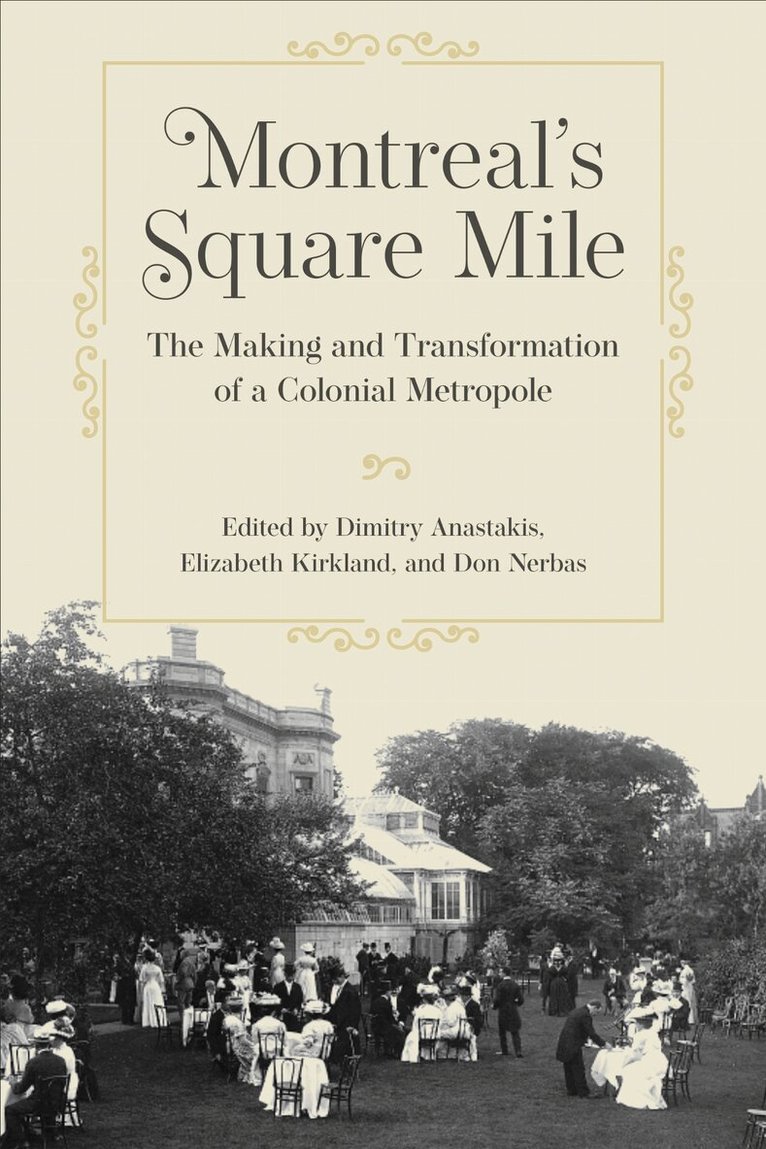
In nineteenth-century Canada, the Square Mile was an elite residential district in Montreal that represented a dramatic new concentration of wealth. Montreal’s Square Mile chronicles the history of the neighbourhood, from its origins to its decline, including the diverse and far-reaching sources of its making and its twentieth-century transformations. Spanning the interconnected worlds of family and home life, business and high politics, architecture and urban redevelopment, this interdisciplinary and richly illustrated volume presents a new account of the Square Mile’s history and an investigation of the neighbourhood’s impact beyond the immediate urban environment.