Dragos Gheorghiu - Böcker
Visar alla böcker från författaren Dragos Gheorghiu. Handla med fri frakt och snabb leverans.
11 produkter
11 produkter
Del 1619 - BAR International Series
Fire as an Instrument: The Archaeology of Pyrotechnologies
Häftad, Engelska, 2007
526 kr
Skickas inom 5-8 vardagar
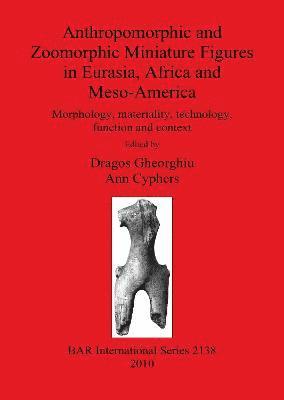
Anthropomorphic and Zoomorphic Miniature Figures in Eurasia Africa and Meso-America
Morphology, materiality, technology, function and context
Häftad, Engelska, 2010
669 kr
Skickas inom 5-8 vardagar
637 kr
Skickas inom 5-8 vardagar
381 kr
Skickas
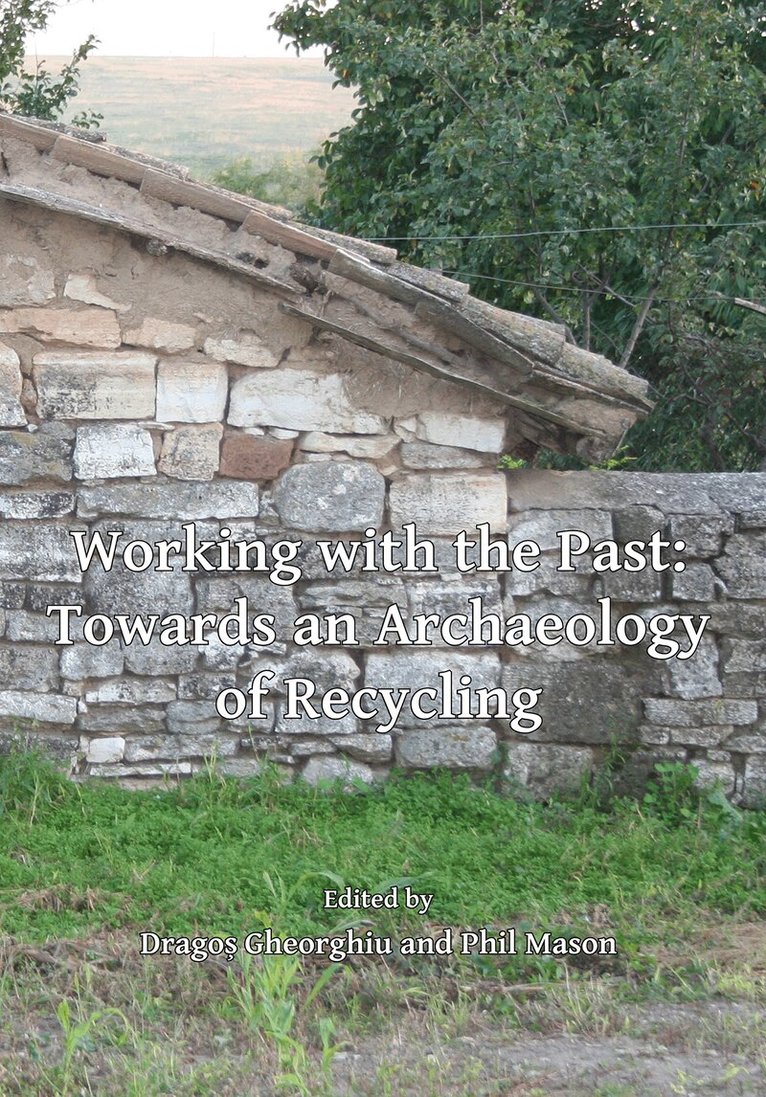
Recycling is a basic anthropological process of humankind. The reutilization of materials or of ideas from the Past is a process determined by various natural or cultural causes. Recycling can be motivated by a crisis or by a complex symbolic cause like the incorporation of the Past into the Present. What archaeology has not insisted upon is the dimensional scale of the process, which operates from the micro-scale of the recycling of the ancestors’ material, up to the macro-scale of the landscape. It is well known that there are direct relations between artefacts and landscapes in what concerns the materiality and mobility of objects. An additional relation between artefact and landscape may be the process of recycling. In many ways artefact and landscape can be considered as one aspect of material culture, perceived at a different scale, since both have the same materiality and suffer the same process of reutilisation. This book invites archaeologists to approach the significant process of recycling within the archaeological record at two different levels: of artefacts and of landscape.
606 kr
Skickas
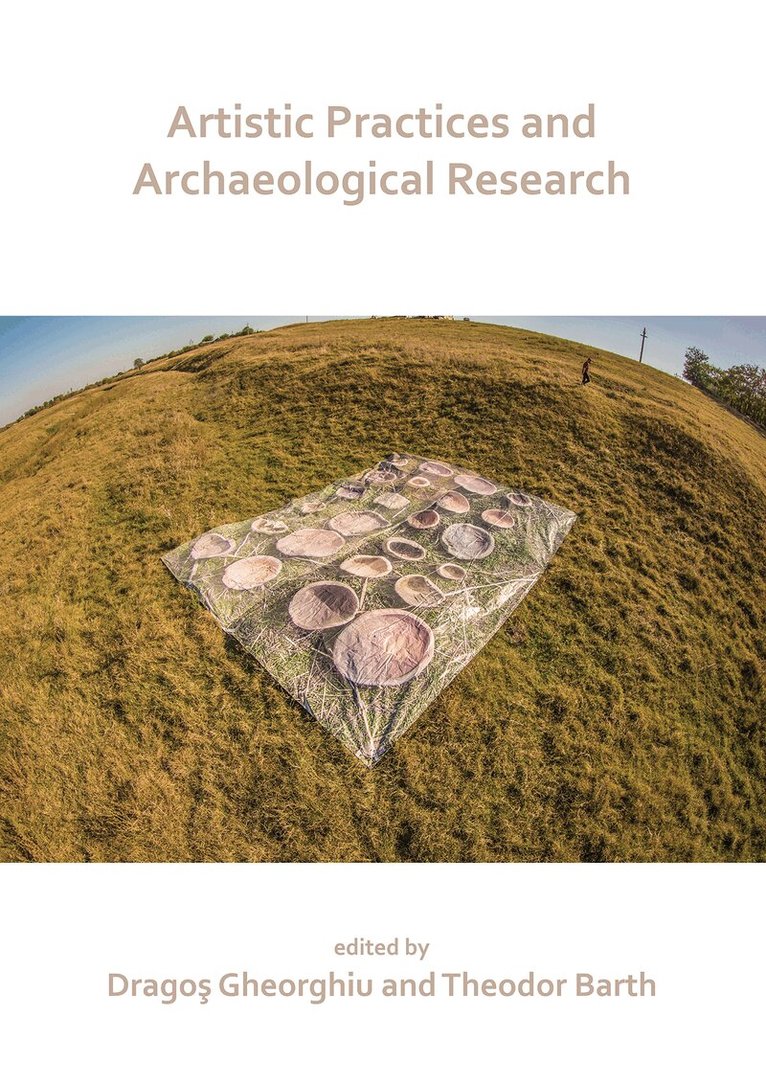
‘Artistic Practices and Archaeological Research’ aims to expand the field of archaeological research with an anthropological understanding of practices which include artistic methods. The project has come about through a collaborative venture between Dragos Gheorghiu (archaeologist and professional visual artist) and Theodor Barth (anthropologist). This anthology contains articles from professional archaeologists, artists and designers. The contributions cover a scale ranging from theoretical reflections on pre-existing archaeological finds/documentation, to reflective field-practices where acts of ‘making’ are used to interface with the site. These acts feature a manufacturing range from ceramics, painting, drawing, type-setting and augmented reality (AR). The scope of the anthology – as a book or edited whole – has accordingly been to determine a comparative approach resulting in an identifiable set of common concerns. Accordingly, the book proceeds from a comparative approach to research ontologies, extending the experimental ventures of the contributors, to the hatching of artistic propositions that demonstrably overlap with academic research traditions, of epistemic claims in the making. This comparative approach relies on the notion of transposition: that is an idea of the makeshift relocation of methodological issues – research ontologies at the brink of epistemic claims – and accumulates depth from one article to the next as the reader makes her way through the volume. However, instead of proposing a set method, the book offers a lighter touch in highlighting the role of operators between research and writing, rather entailing a duplication of practice, in moving from artistic ideas to epistemic claims. This, in the lingo of artistic research, is known as exposition. Emphasising the construct of the ‘learning theatre’ the volume provides a support structure for the contributions to book-project, in the tradition of viewing from natural history. The contributions are hands-on and concrete, while building an agenda for a broader contemporary archaeological discussion.
456 kr
Skickas
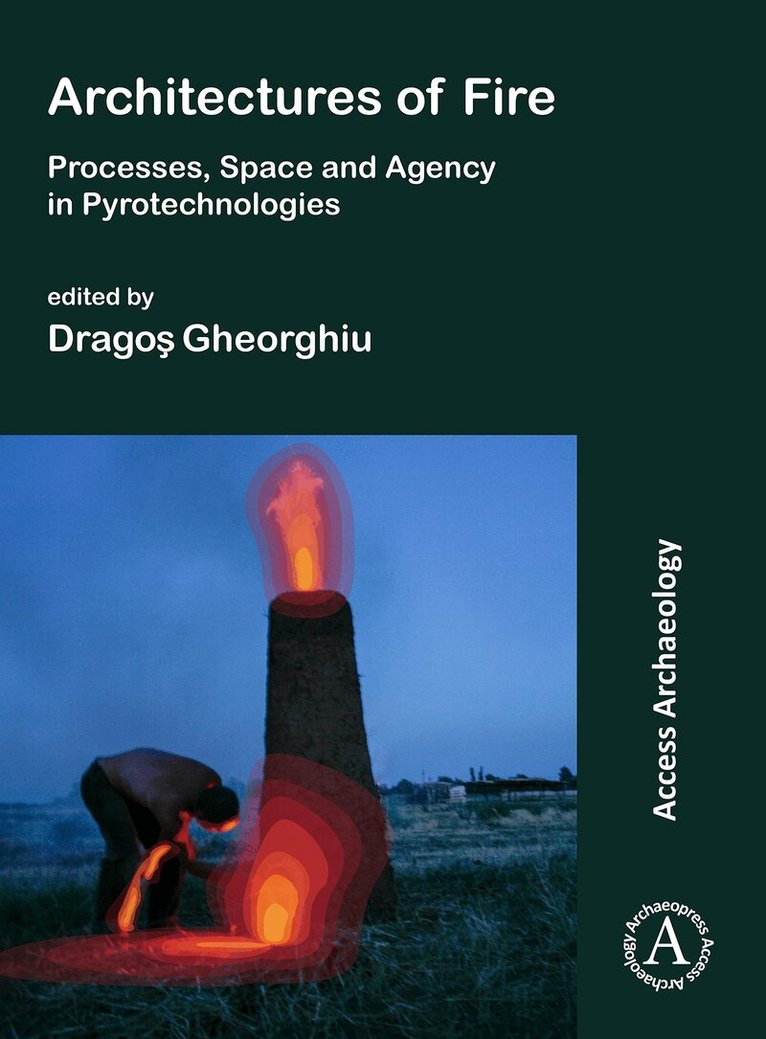
Architectures of Fire attempts to present the entanglement between the physical phenomenon of fire, the pyro-technological instrument that it is, its material supports, and the human being. In this perspective, the physical process of combustion, material culture, as well as the development of human action in space, are addressed together.Fire is located at the centre of all pre-modern architecture. It creates the living or technological space. Fire creates architectures since it imposes geometry, from the simple circles of stone or clay, which control its spread (and which are the geometrical figures of its optimal efficiency), to cone trunks, cylinders, half-spheres, half-cylinders or parallelepipeds, circular geometric figures that efficiently control the air-draught process required for combustion. All these forms involving the circle are determined by the control and conservation of thermal energy.We should not imagine that the term ‘architecture’ evokes only constructed objects that delimit human action. Architecture means not only the built space, but also the experienced space, in the present case around the pyro-instruments. Pyro-instruments involve an ergonomic, kinesthetic and visual relationship, as well as the rhythmic actions of feeding or maintaining fire at a certain technological tempo. The technological agency is structured both by the physics of the combustion phenomenon, and by the type of operation to be performed.
Material Virtual and Temporal Compositions: On the Relationships between Objects
Papers from a session held at the European Association of Archaeologists Fifth Annual Meeting in Bournemouth 1999
Häftad, Engelska, 2001
462 kr
Skickas inom 5-8 vardagar
Fire in Archaeology
Papers from a session held at the European Association of Archaeologists Sixth Annual Meeting in Lisbon 2000
Häftad, Engelska, 2002
669 kr
Skickas inom 5-8 vardagar
478 kr
Skickas inom 5-8 vardagar
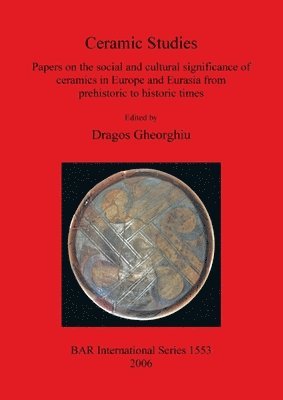
Ceramic Studies
Papers on the social and cultural significance of ceramics in Europe and Eurasia from prehistoric to historic times
Häftad, Engelska, 2006
478 kr
Skickas inom 5-8 vardagar
760 kr
Kommande
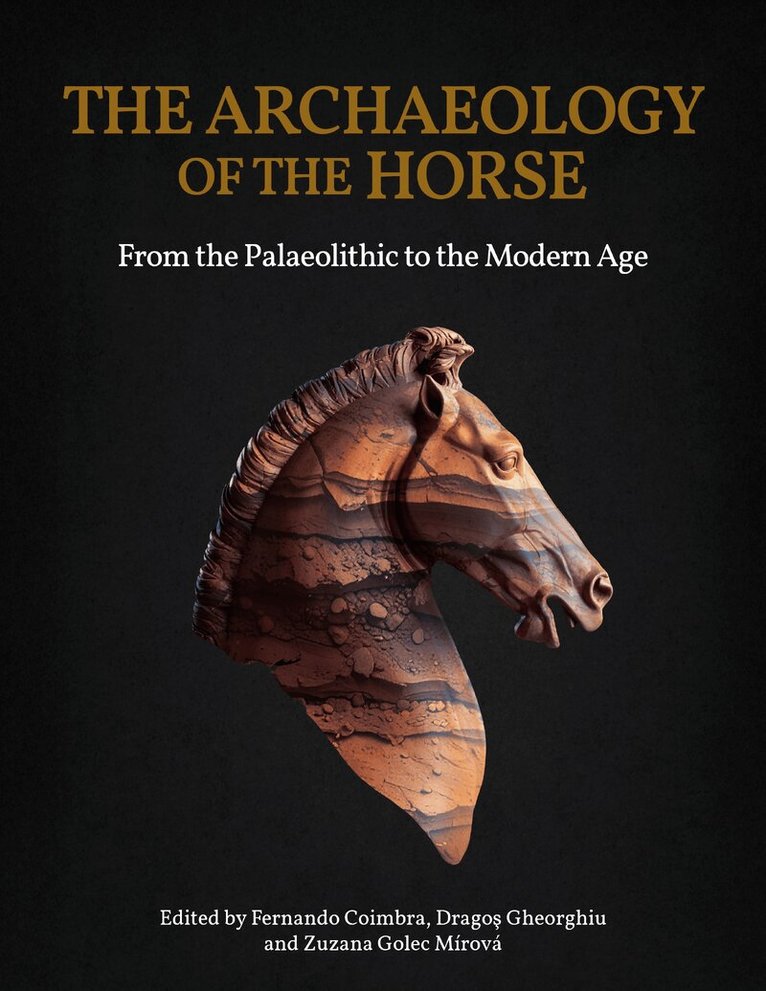
The horse has a strong presence in archaeology. Its relationship with past human beings has great diversity, which can be analysed through economic, social, artistic and mythological aspects. This book, the outcome of a session at the European Association of Archaeologists' Annual Meeting in Rome in 2024, focuses on a variety of different aspects about the archaeology of the horse, such as its presence in prehistoric rock art and sculpture, antiquity and medieval art, the domestication process, the use of the horse for riding and traction, its use in funerary rituals, symbolism and presence in myths in diverse societies, among other themes.In the Palaeolithic, this animal was not only a source of meat for nourishment, but it appears in the origins of artistic representations through paintings and carvings on cave walls and on open air outcrops. The domestication process included the use of mare’s milk, which is rich in proteins and carbohydrates, being low in fat, and having a high content in vitamin C, making it better than cow’s milk. When horses started to be ridden people could travel faster, developing trade and communication, disclosing cultural issues. With the emergence of complex societies, the horse was used in hunting, as a ‘war machine’ and as a symbol of social status. Iconography available in a variety of archaeologically visible media such as rock art, sculptures, numismatics, mosaics, and frescoes, among other artistic manifestations, enables us to understand better the importance of the horse in the development of civilisation. The book seeks to go beyond previous publications about the horse, which usually do not encompass prehistoric cultures, are often geographically limited, or focus on physical characteristics of the horse in battle or on descriptions of horse equipment with a lack of scientific archaeological context. The chapters presented here engage with the human-horse relationship on a variety of levels and at different time periods, with an emphasis on the social and cultural significance of the horse, zooarchaeological evidence, the role of horses in combat and ritual contexts and the relationship between horse and rider in iconography, art and burial rites.