Elina Gertsman – författare
Visar alla böcker från författaren Elina Gertsman. Handla med fri frakt och snabb leverans.
17 produkter
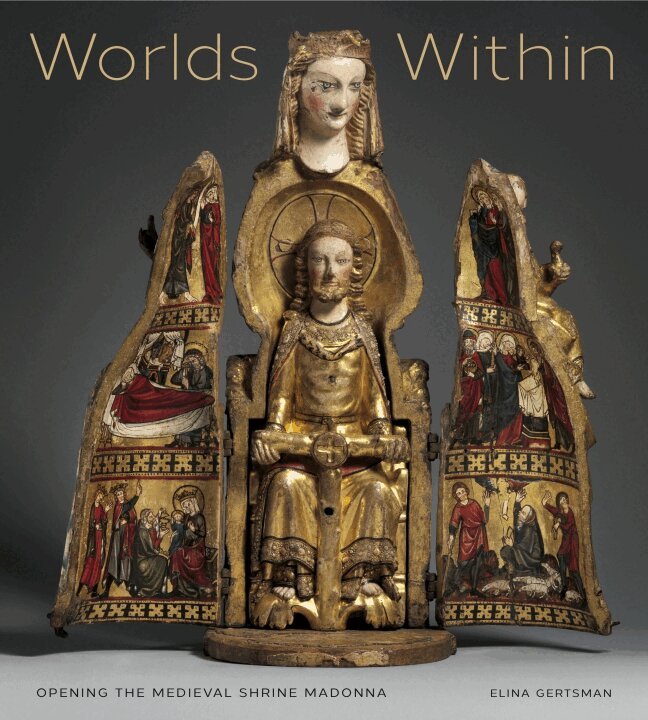
Worlds Within
Opening the Medieval Shrine Madonna
Inbunden, 2015
1185 kr
Lägg i varukorg
In Worlds Within, Elina Gertsman investigates the Shrine Madonnas, or Vierges ouvrantes—sculptures that conceal within their bodies complex carved and/or painted iconographies. The Shrine Madonna emerged in Europe at the end of the 1200s and reached a peak of popularity during the following three …
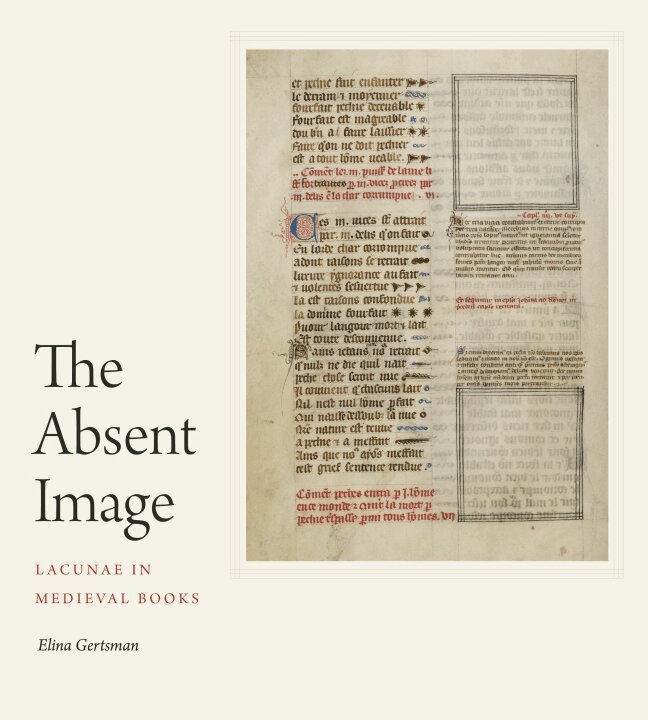
Absent Image
Lacunae in Medieval Books
Inbunden, 2021
694 kr
Lägg i varukorg
Winner of the 2022 Charles Rufus Morey Award from the College Art Association Winner of the 2023 Otto Gründler Book Prize from Western Michigan UniversityGuided by Aristotelian theories, medieval philosophers believed that nature abhors a vacuum. Medieval art, according to modern scholars, abhors …
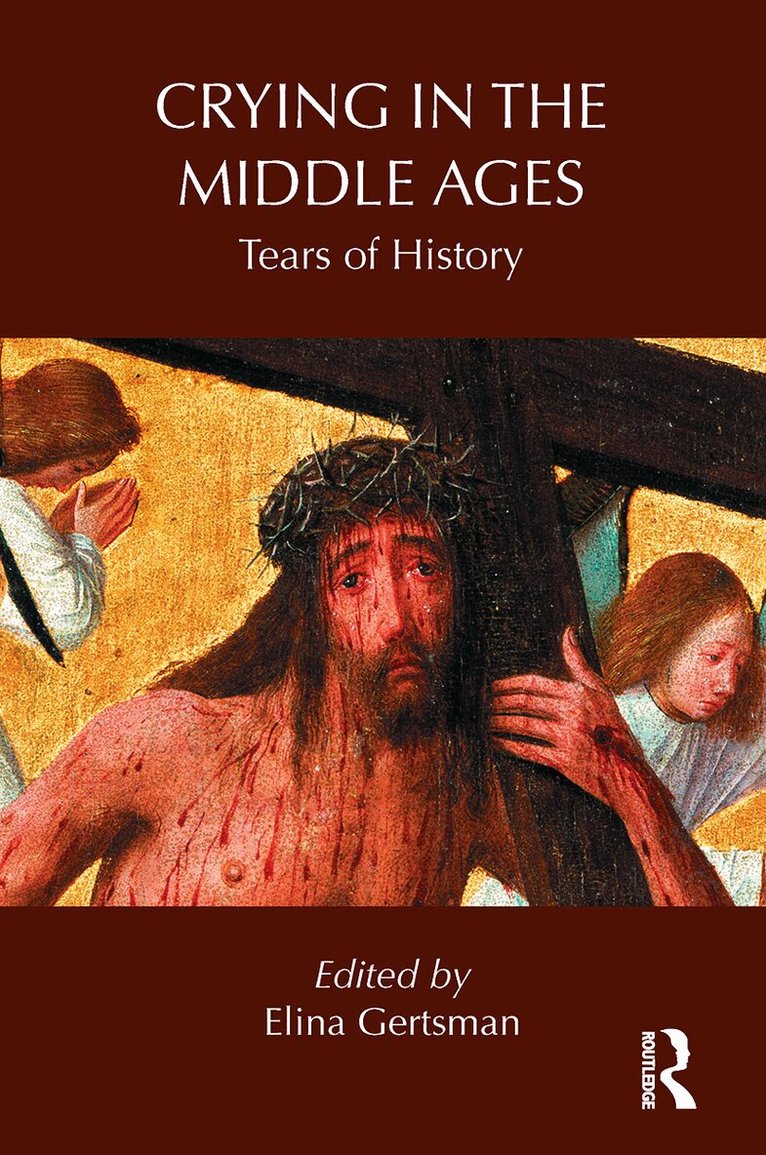
Crying in the Middle Ages
Tears of History
Häftad, 2013
907 kr
Lägg i varukorg
Sacred and profane, public and private, emotive and ritualistic, internal and embodied, medieval weeping served as a culturally charged prism for a host of social, visual, cognitive, and linguistic performances. Crying in the Middle Ages addresses the place of tears in Jewish, Christian, and …
Crying in the Middle Ages
Tears of History
Inbunden, 2011
2504 kr
Lägg i varukorg
Sacred and profane, public and private, emotive and ritualistic, internal and embodied, medieval weeping served as a culturally charged prism for a host of social, visual, cognitive, and linguistic performances. Crying in the Middle Ages addresses the place of tears in Jewish, Christian, and …
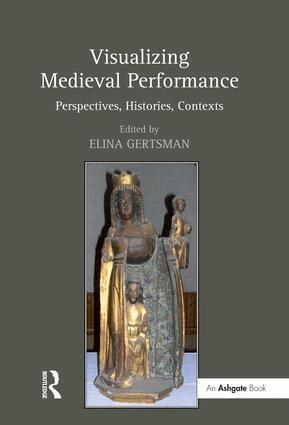
Visualizing Medieval Performance
Perspectives, Histories, Contexts
Inbunden, 2008
3146 kr
Lägg i varukorg
Taking a fresh look at the interconnections between medieval images, texts, theater, and practices of viewing, reading and listening, this explicitly interdisciplinary volume explores various manifestations of performance and meanings of performativity in the Middle Ages. The contributors - from …
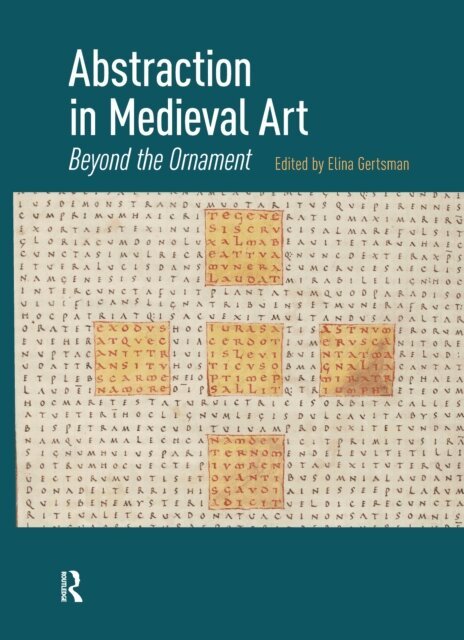
Abstraction in Medieval Art
Beyond the Ornament
E-bok, 2025
831 kr
Lägg i varukorg
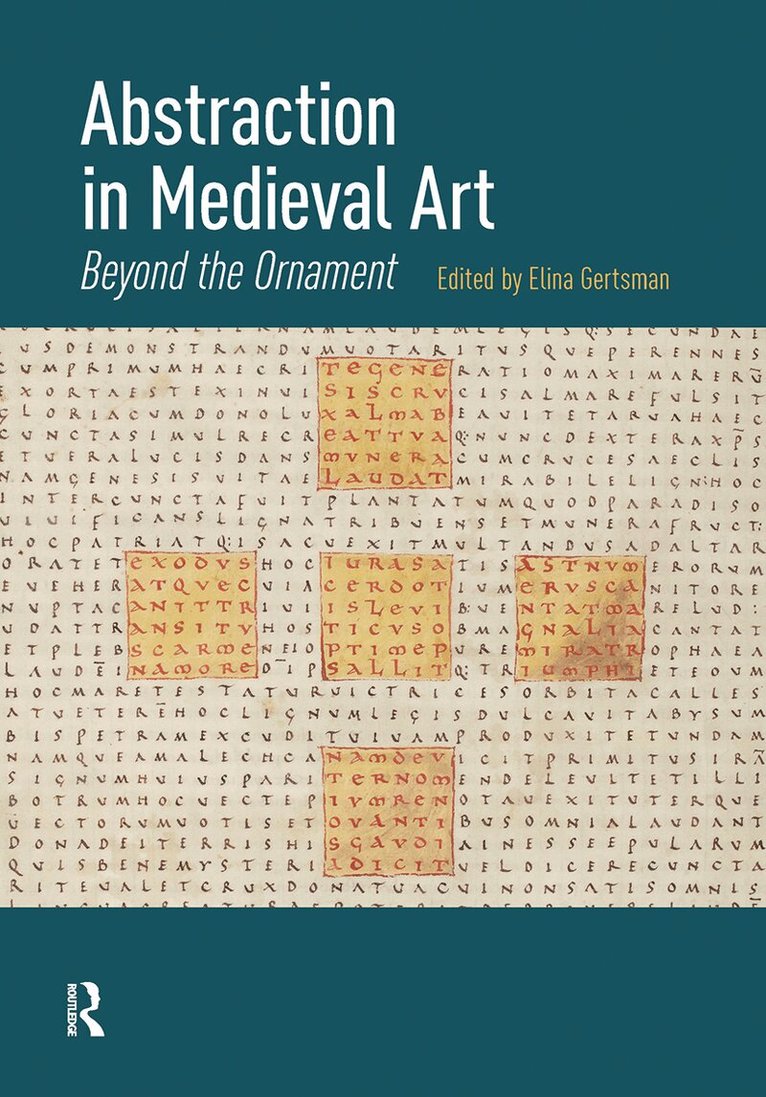
Abstraction haunts medieval art, both withdrawing figuration and suggesting elusive presence. How does it make or destroy meaning in the process? Does it suggest the failure of figuration, the faltering of iconography? Does medieval abstraction function because it is imperfect, incomplete, and …
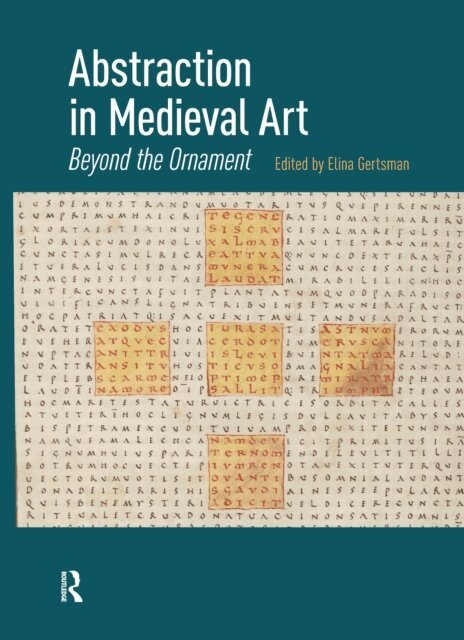
Abstraction in Medieval Art
Beyond the Ornament
E-bok, 2025
813 kr
Lägg i varukorg
Abstraction haunts medieval art, both withdrawing figuration and suggesting elusive presence. How does it make or destroy meaning in the process? Does it suggest the failure of figuration, the faltering of iconography? Does medieval abstraction function because it is imperfect, incomplete, and …
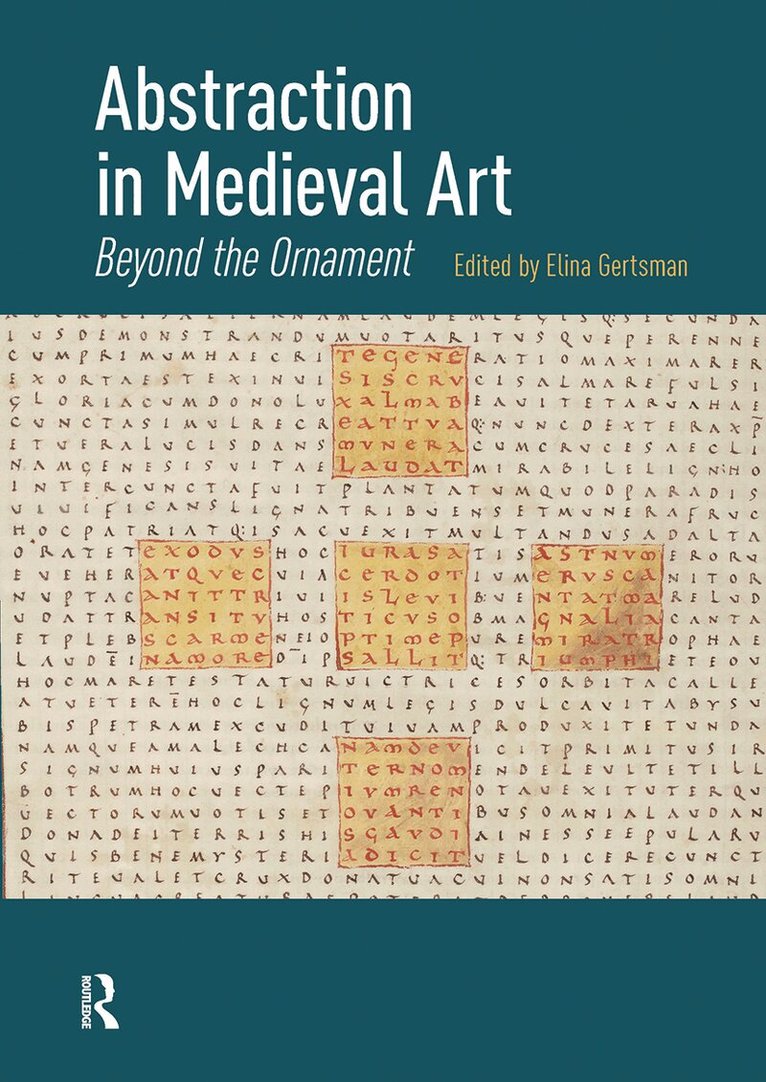
Abstraction in Medieval Art
Beyond the Ornament
Häftad, 2025
704 kr
Lägg i varukorg
Abstraction haunts medieval art, both withdrawing figuration and suggesting elusive presence. How does it make or destroy meaning in the process? Does it suggest the failure of figuration, the faltering of iconography? Does medieval abstraction function because it is imperfect, incomplete, and …
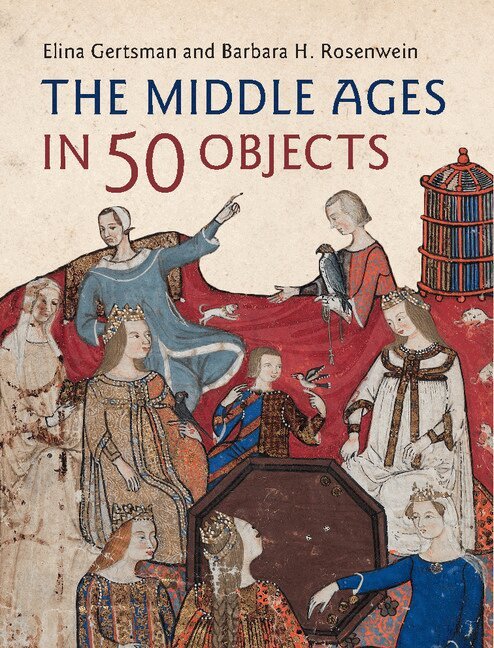
The Middle Ages in 50 Objects
Av Elina Gertsman, Barbara H. Rosenwein
Inbunden, 2018
381 kr
Lägg i varukorg
The extraordinary array of images included in this volume reveals the full and rich history of the Middle Ages. Exploring material objects from the European, Byzantine and Islamic worlds, the book casts a new light on the cultures that formed them, each culture illuminated by its treasures. The …
Crying in the Middle Ages
Tears of History
E-bok, 2012
1051 kr
Lägg i varukorg
Sacred and profane, public and private, emotive and ritualistic, internal and embodied, medieval weeping served as a culturally charged prism for a host of social, visual, cognitive, and linguistic performances. Crying in the Middle Ages addresses the place of tears in Jewish, Christian, and …
Crying in the Middle Ages
Tears of History
E-bok, 2012
1074 kr
Lägg i varukorg
Sacred and profane, public and private, emotive and ritualistic, internal and embodied, medieval weeping served as a culturally charged prism for a host of social, visual, cognitive, and linguistic performances. Crying in the Middle Ages addresses the place of tears in Jewish, Christian, and …
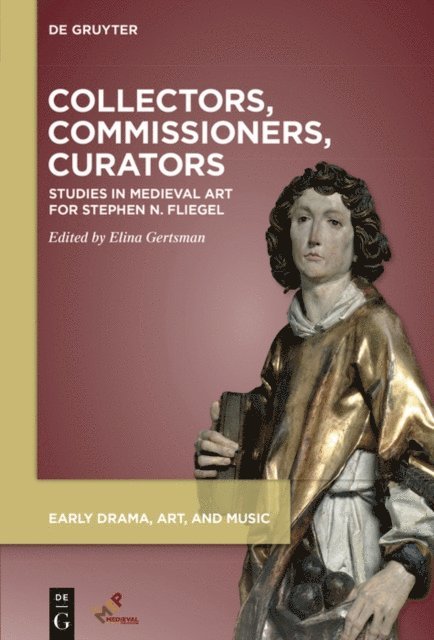
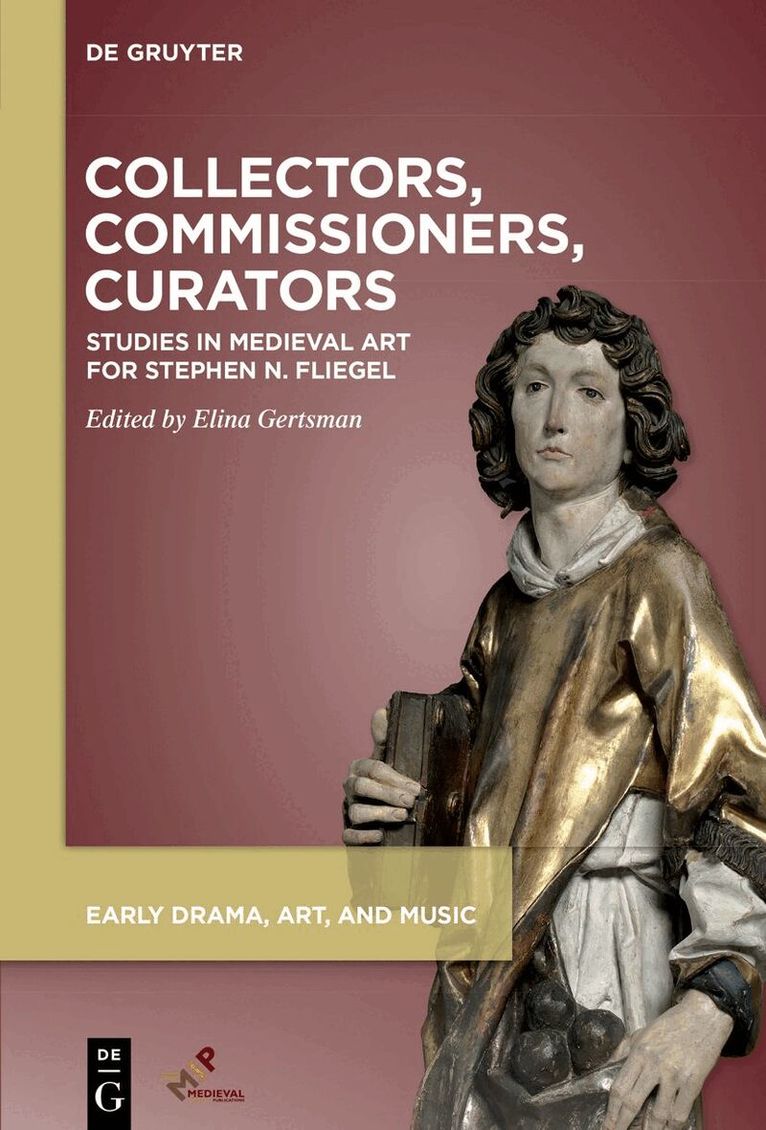
Collectors, Commissioners, Curators
Studies in Medieval Art for Stephen N. Fliegel
E-bok, 2023
1473 kr
Lägg i varukorg
This volume celebrates the storied career of Stephen N. Fliegel, the former Robert Bergman Curator of Medieval Art at the Cleveland Museum of Art (CMA). Authors of these essays, all leading curators in their fields, offer insights into curatorial practices by highlighting key objects in some of the …
Collectors, Commissioners, Curators
Studies in Medieval Art for Stephen N. Fliegel
E-bok, 2023
1458 kr
Lägg i varukorg
This volume celebrates the storied career of Stephen N. Fliegel, the former Robert Bergman Curator of Medieval Art at the Cleveland Museum of Art (CMA). Authors of these essays, all leading curators in their fields, offer insights into curatorial practices by highlighting key objects in some of the …
Collectors, Commissioners, Curators
Studies in Medieval Art for Stephen N. Fliegel
Inbunden, 2023
1706 kr
Lägg i varukorg
This volume celebrates the storied career of Stephen N. Fliegel, the former Robert Bergman Curator of Medieval Art at the Cleveland Museum of Art (CMA). Authors of these essays, all leading curators in their fields, offer insights into curatorial practices by highlighting key objects in some of the …
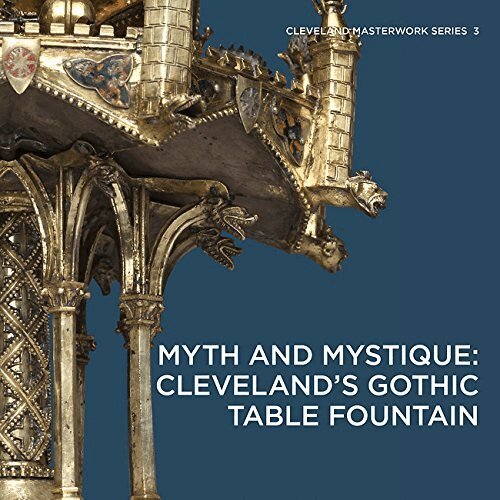
Myth and Mystique: Cleveland's Gothic Table Fountain
Av Stephen N Fliegel, Elina Gertsman
Inbunden, 2016
254 kr
Lägg i varukorg
The Cleveland table fountain, dated c. 132040, is the only version of its kind to have survived in its complete form from the Middle Ages. A superb example of French Gothic goldsmithing, it is an exquisite structure and a unique example of courtly taste and princely fashion. In its full working …
Tributes to Richard K. Emmerson
Crossing Medieval Disciplines
Av Elina Gertsman, Karlyn Griffith m. fl.
Inbunden, 2021
2004 kr
Lägg i varukorg
Abstraction in Medieval Art
Beyond the Ornament
Inbunden, 2021
2586 kr
Lägg i varukorg
Essays in this collection explores questions that coalesce around three broad themes: medieval abstraction as the untethering of the image from what it purports to represent; abstraction as a vehicle for signification; and abstraction as a form of figuration.