Emily O'Gorman - Böcker
Visar alla böcker från författaren Emily O'Gorman. Handla med fri frakt och snabb leverans.
11 produkter
11 produkter
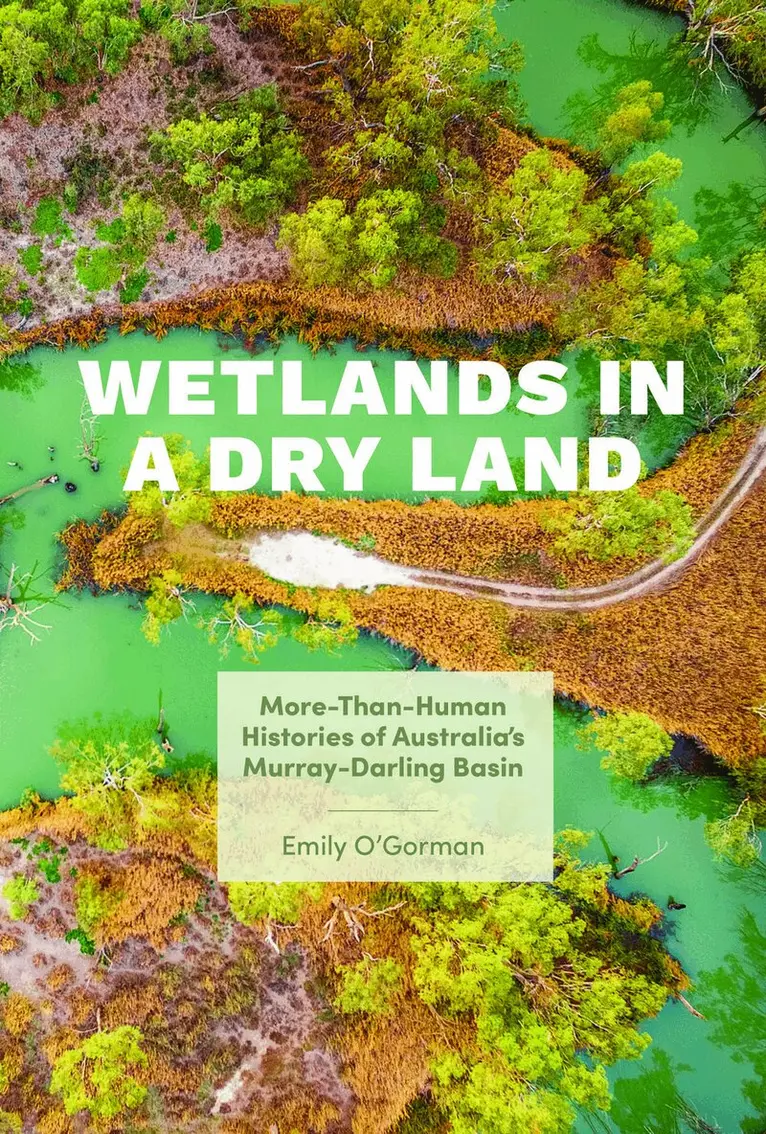
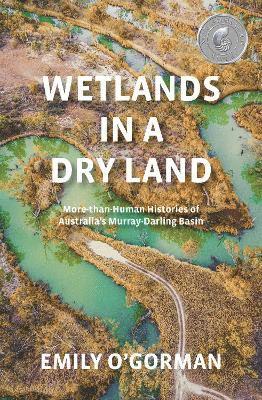
Wetlands in a Dry Land
More-Than-Human Histories of Australia's Murray-Darling Basin
Inbunden, Engelska, 2021
1 738 kr
Skickas inom 7-10 vardagar
Winner of the Inaugural Book Prize from the Australia & Aotearoa New Zealand Environmental History NetworkA compelling environmental history of a critical ecosystem under threatIn the name of agriculture, urban growth, and disease control, humans have drained, filled, or otherwise destroyed nearly 87 percent of the world's wetlands over the past three centuries. Unintended consequences include biodiversity loss, poor water quality, and the erosion of cultural sites, and only in the past few decades have wetlands been widely recognized as worth preserving. Emily O'Gorman asks, What has counted as a wetland, for whom, and with what consequences?Using the Murray-Darling Basin—a massive river system in eastern Australia that includes over 30,000 wetland areas—as a case study and drawing on archival research and original interviews, O'Gorman examines how people and animals have shaped wetlands from the late nineteenth century to today. She illuminates deeper dynamics by relating how Aboriginal peoples acted then and now as custodians of the landscape, despite the policies of the Australian government; how the movements of water birds affected farmers; and how mosquitoes have defied efforts to fully understand, let alone control, them. Situating the region's history within global environmental humanities conversations, O'Gorman argues that we need to understand wetlands as socioecological landscapes in order to create new kinds of relationships with and futures for these places.
Wetlands in a Dry Land
More-Than-Human Histories of Australia's Murray-Darling Basin
Häftad, Engelska, 2021
431 kr
Skickas inom 7-10 vardagar
Winner of the Inaugural Book Prize from the Australia & Aotearoa New Zealand Environmental History NetworkA compelling environmental history of a critical ecosystem under threatIn the name of agriculture, urban growth, and disease control, humans have drained, filled, or otherwise destroyed nearly 87 percent of the world's wetlands over the past three centuries. Unintended consequences include biodiversity loss, poor water quality, and the erosion of cultural sites, and only in the past few decades have wetlands been widely recognized as worth preserving. Emily O'Gorman asks, What has counted as a wetland, for whom, and with what consequences?Using the Murray-Darling Basin—a massive river system in eastern Australia that includes over 30,000 wetland areas—as a case study and drawing on archival research and original interviews, O'Gorman examines how people and animals have shaped wetlands from the late nineteenth century to today. She illuminates deeper dynamics by relating how Aboriginal peoples acted then and now as custodians of the landscape, despite the policies of the Australian government; how the movements of water birds affected farmers; and how mosquitoes have defied efforts to fully understand, let alone control, them. Situating the region's history within global environmental humanities conversations, O'Gorman argues that we need to understand wetlands as socioecological landscapes in order to create new kinds of relationships with and futures for these places.
Wetlands in a Dry Land
More-than-Human Histories of Australia's Murray-Darling Basin
Häftad, Engelska, 2024
335 kr
Skickas inom 3-6 vardagar
What counts as a wetland, especially in Australia, the driest inhabited continent on earth? In the name of agriculture, urban growth and disease control, humans have drained, filled or otherwise destroyed nearly 87 percent of the world's wetlands over the past three centuries. Only recently have wetlands been widely recognised as worth preserving for their diverse plants, animals, insects, and their human histories. Examining Australia's own Murray-Darling Basin, environmental historian Emily O'Gorman shows how people and animals have shaped wetlands since the late nineteenth century. O'Gorman draws on archival research and original interviews to illuminate how Aboriginal peoples acted then and now as custodians of the landscape, how the movements of water birds affected farmers and how mosquitoes have defied efforts to fully understand, let alone control, them. Situating Australia's history within global environmental humanities conversations, O'Gorman argues that we need to understand wetlands as socioecological landscapes that transcend the nature-culture divide and to embrace non-Western ways of knowing and being. Only then can we begin to create sustainable relationships with, and futures for, the wetlands.
752 kr
Skickas inom 7-10 vardagar
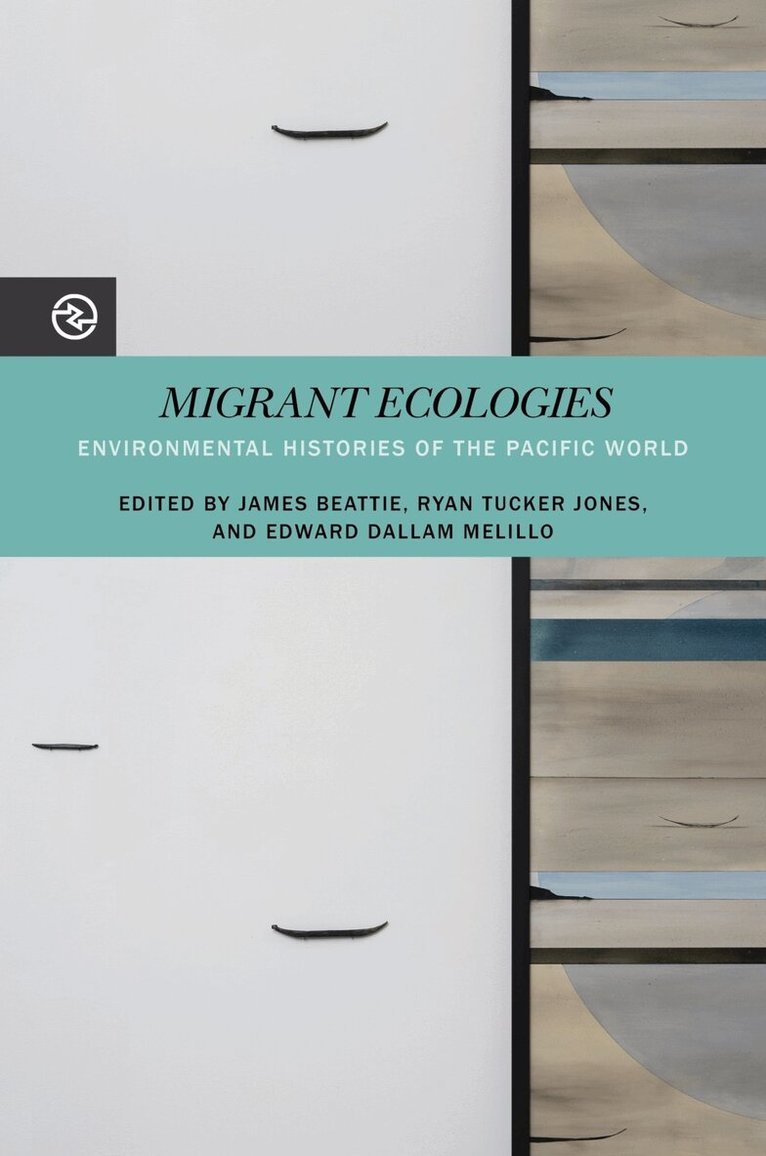
Migrant Ecologies: Environmental Histories of the Pacific World is the first volume explicitly dedicated to the environmental history of Earth’s largest ocean. Covering nearly one-third of the planet, the Pacific Ocean is remarkable for its diverse human and non-human inhabitants, their astounding long-distance migrations over time, and their profound influences on other parts of the world. This book creates an understanding of the past, present, and futures of the lands, seas, peoples, practices, microbes, animals, plants, and other natural forces that shape the Pacific. It effectively argues for the existence of an interconnected Pacific World environmental history, as well as for the Pacific Ocean as a necessary framework for understanding that history.The fifteen chapters in this comprehensive collection, written by leading experts from across the globe, span a vast array of topics, from disease ecology and coffee cultivation to nuclear testing and whaling practices. They explore regions stretching from the Tuamotu Archipelago in the south Pacific to the Kamchatka Peninsula in the far north, resisting the depiction of the Pacific as isolated and uninhabited. What unites these diverse contributions is a concern for how the people, places, and non-human beings of the Pacific World have been shaped by, and have in turn modified, their oceanic realm. Building on a recent renaissance in Pacific history, these chapters make a powerful argument for the importance of the Pacific World as a coherent unit of analysis and a valuable lens through which to examine past, ongoing, and emerging environmental issues. By showcasing surprising and innovative perspectives on the environmental histories of the peoples and ecosystems in and around the Pacific Ocean, this work adds to current conversations and debates about the Pacific World and offers myriad opportunities for further discussions, both inside and outside of the classroom.
292 kr
Skickas inom 7-10 vardagar
Migrant Ecologies: Environmental Histories of the Pacific World is the first volume explicitly dedicated to the environmental history of Earth’s largest ocean. Covering nearly one-third of the planet, the Pacific Ocean is remarkable for its diverse human and non-human inhabitants, their astounding long-distance migrations over time, and their profound influences on other parts of the world. This book creates an understanding of the past, present, and futures of the lands, seas, peoples, practices, microbes, animals, plants, and other natural forces that shape the Pacific. It effectively argues for the existence of an interconnected Pacific World environmental history, as well as for the Pacific Ocean as a necessary framework for understanding that history.The fifteen chapters in this comprehensive collection, written by leading experts from across the globe, span a vast array of topics, from disease ecology and coffee cultivation to nuclear testing and whaling practices. They explore regions stretching from the Tuamotu Archipelago in the south Pacific to the Kamchatka Peninsula in the far north, resisting the depiction of the Pacific as isolated and uninhabited. What unites these diverse contributions is a concern for how the people, places, and non-human beings of the Pacific World have been shaped by, and have in turn modified, their oceanic realm. Building on a recent renaissance in Pacific history, these chapters make a powerful argument for the importance of the Pacific World as a coherent unit of analysis and a valuable lens through which to examine past, ongoing, and emerging environmental issues. By showcasing surprising and innovative perspectives on the environmental histories of the peoples and ecosystems in and around the Pacific Ocean, this work adds to current conversations and debates about the Pacific World and offers myriad opportunities for further discussions, both inside and outside of the classroom.
3 363 kr
Skickas inom 10-15 vardagar
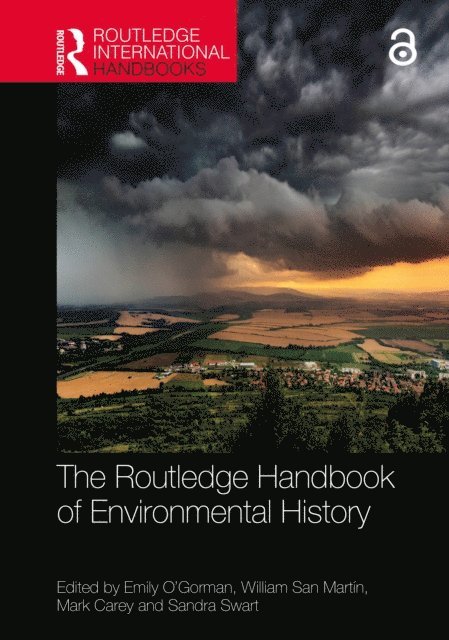
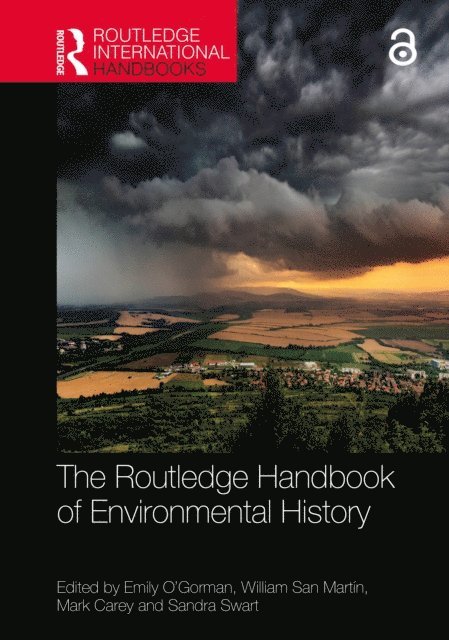
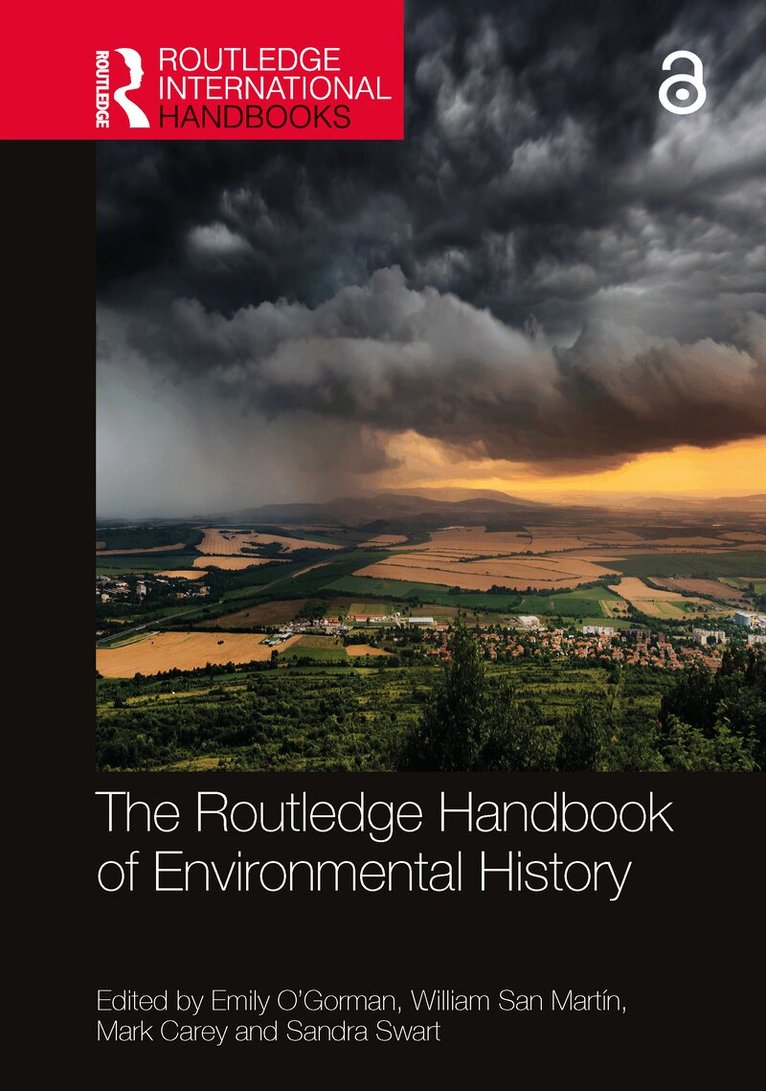
The Routledge Handbook of Environmental History presents a cutting-edge overview of the dynamic and ever-expanding field of environmental history. It addresses recent transformations in the field and responses to shifting scholarly, political, and environmental landscapes.The handbook fully and critically engages with recent exciting changes, contextualizes them within longer-term shifts in the field, and charts potential new directions for study. It focuses on five key areas:Theories and concepts related to changing considerations of social justice, including postcolonial, antiracist, and feminist approaches, and the field’s growing emphasis on multiple human voices and agencies.The roles of non-humans and the more-than-human in the telling of environmental histories, from animals and plants to insects as vectors of disease and the influences of water and ice, the changing theoretical approaches and the influence of concepts in related areas such as animal and discard studies.How changes in theories and concepts are shaping methods in environmental history and shifting approaches to traditional sources like archives and oral histories as well as experiments by practitioners with new methods and sources.Responses to a range of current complex problems, such as climate change, and how environmental historians can best help mitigate and resolve these problems.Diverse ways in which environmental historians disseminate their research within and beyond academia, including new modes of research dissemination, teaching, and engagements with stakeholders and the policy arena.This is an important resource for environmental historians, researchers and students in the related fields of political ecology, environmental studies, natural resources management and environmental planning.Chapters 9, 10 and 26 of this book are freely available as a downloadable Open Access PDF at http://www.taylorfrancis.com under a Creative Commons Attribution-Non Commercial-No Derivatives (CC-BY-NC-ND) 4.0 license.
719 kr
Skickas inom 10-15 vardagar
The Routledge Handbook of Environmental History presents a cutting-edge overview of the dynamic and ever-expanding field of environmental history. It addresses recent transformations in the field and responses to shifting scholarly, political, and environmental landscapes.The handbook fully and critically engages with recent exciting changes, contextualizes them within longer-term shifts in the field, and charts potential new directions for study. It focuses on five key areas:Theories and concepts related to changing considerations of social justice, including postcolonial, antiracist, and feminist approaches, and the field’s growing emphasis on multiple human voices and agencies.The roles of non-humans and the more-than-human in the telling of environmental histories, from animals and plants to insects as vectors of disease and the influences of water and ice, the changing theoretical approaches and the influence of concepts in related areas such as animal and discard studies.How changes in theories and concepts are shaping methods in environmental history and shifting approaches to traditional sources like archives and oral histories as well as experiments by practitioners with new methods and sources.Responses to a range of current complex problems, such as climate change, and how environmental historians can best help mitigate and resolve these problems.Diverse ways in which environmental historians disseminate their research within and beyond academia, including new modes of research dissemination, teaching, and engagements with stakeholders and the policy arena.This is an important resource for environmental historians, researchers and students in the related fields of political ecology, environmental studies, natural resources management and environmental planning.Chapters 9, 10 and 26 of this book are freely available as a downloadable Open Access PDF at http://www.taylorfrancis.com under a Creative Commons Attribution-Non Commercial-No Derivatives (CC-BY-NC-ND) 4.0 license.
551 kr
Skickas inom 10-15 vardagar
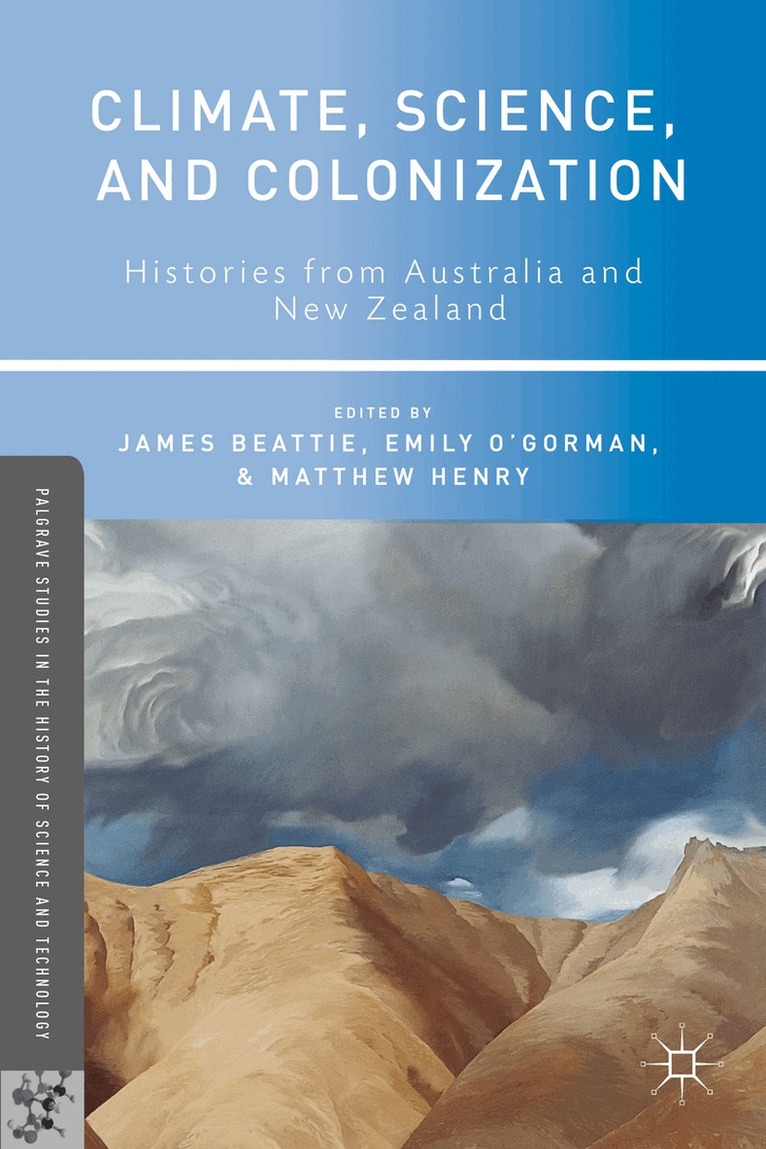
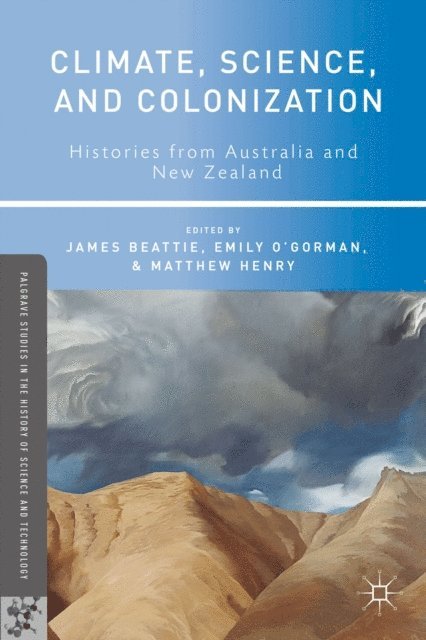
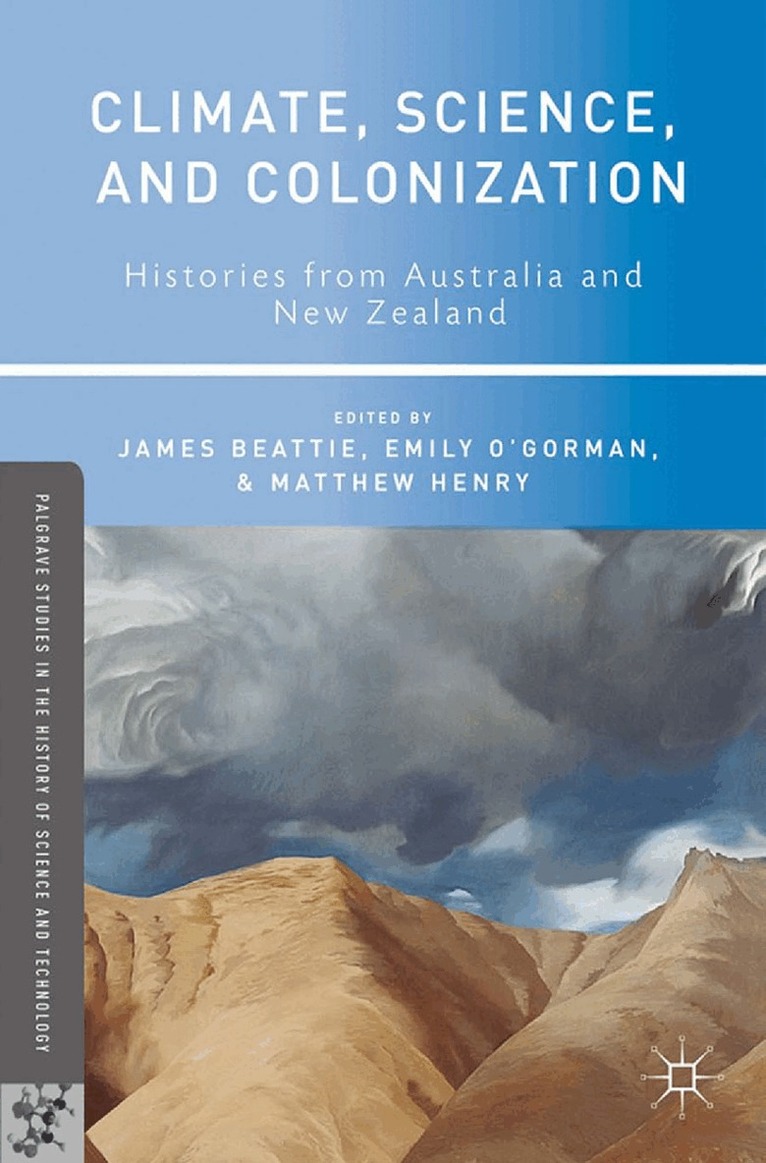
Offering new historical understandings of human responses to climate and climate change, this cutting-edge volume explores the dynamic relationship between settlement, climate, and colonization, covering everything from the physical impact of climate on agriculture and land development to the development of "folk" and government meteorologies.
551 kr
Skickas inom 10-15 vardagar
Offering new historical understandings of human responses to climate and climate change, this cutting-edge volume explores the dynamic relationship between settlement, climate, and colonization, covering everything from the physical impact of climate on agriculture and land development to the development of "folk" and government meteorologies.
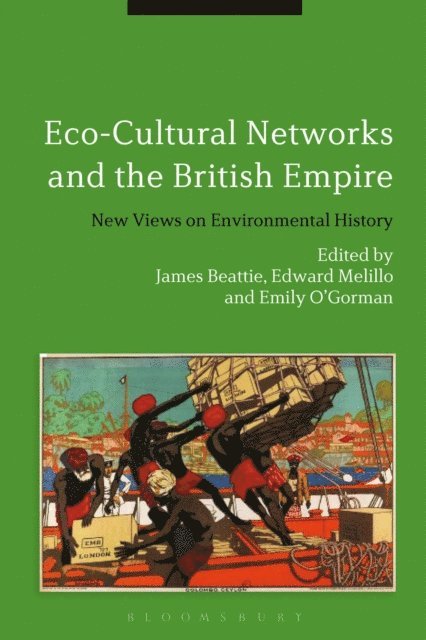
Eco-Cultural Networks and the British Empire
New Views on Environmental History
Inbunden, Engelska, 2014
1 888 kr
Skickas inom 10-15 vardagar
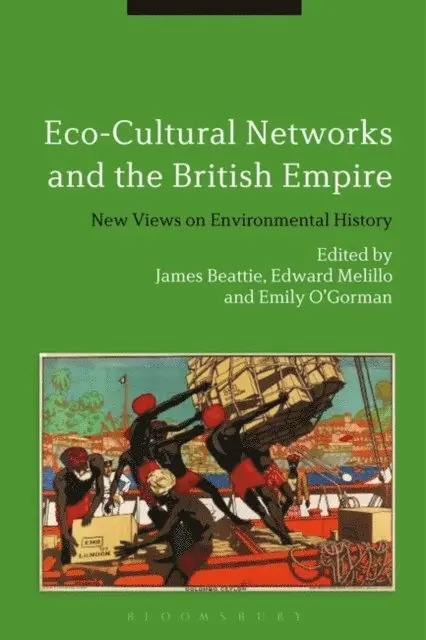
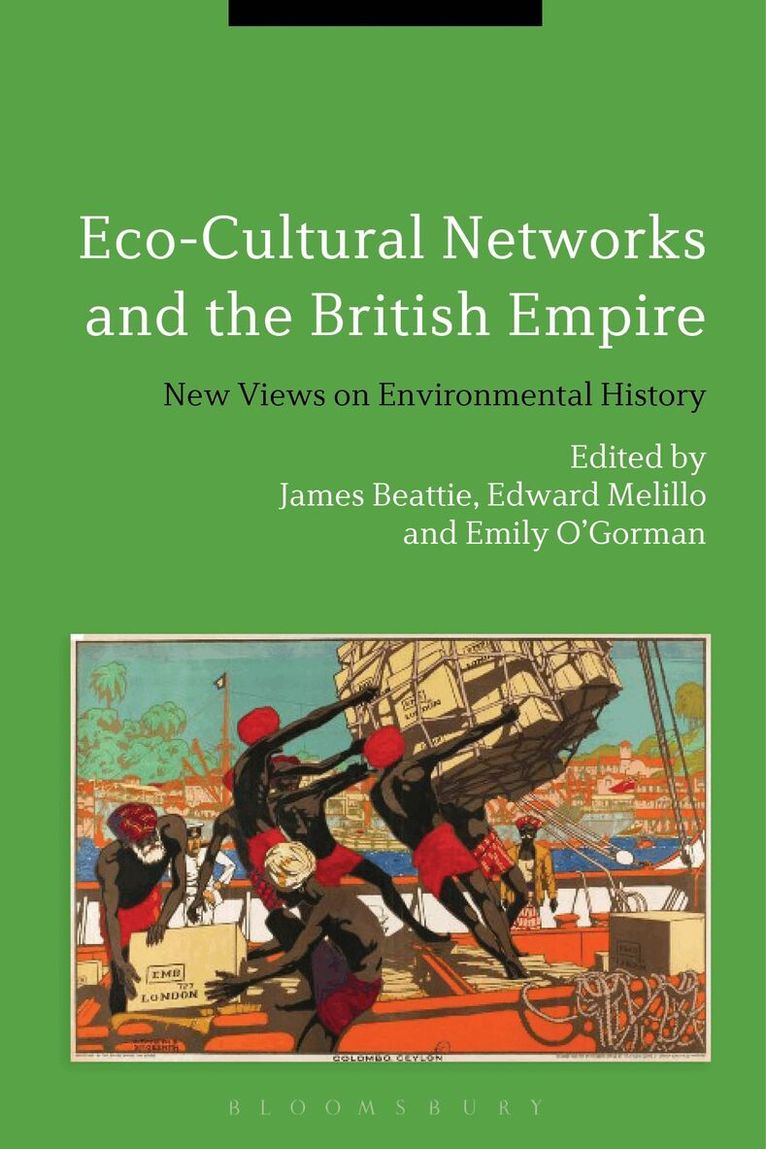
19th-century British imperial expansion dramatically shaped today‘s globalised world. Imperialism encouraged mass migrations of people, shifting flora, fauna and commodities around the world and led to a series of radical environmental changes never before experienced in history. Eco-Cultural Networks and the British Empire explores how these networks shaped ecosystems, cultures and societies throughout the British Empire and how they were themselves transformed by local and regional conditions.This multi-authored volume begins with a rigorous theoretical analysis of the categories of ‘empire’ and ‘imperialism’. Its chapters, written by leading scholars in the field, draw methodologically from recent studies in environmental history, post-colonial theory and the history of science. Together, these perspectives provide a comprehensive historical understanding of how the British Empire reshaped the globe during the 19th and 20th centuries. This book will be an important addition to the literature on British imperialism and global ecological change.
Eco-Cultural Networks and the British Empire
New Views on Environmental History
Häftad, Engelska, 2016
544 kr
Skickas inom 10-15 vardagar
19th-century British imperial expansion dramatically shaped today‘s globalised world. Imperialism encouraged mass migrations of people, shifting flora, fauna and commodities around the world and led to a series of radical environmental changes never before experienced in history. Eco-Cultural Networks and the British Empire explores how these networks shaped ecosystems, cultures and societies throughout the British Empire and how they were themselves transformed by local and regional conditions.This multi-authored volume begins with a rigorous theoretical analysis of the categories of ‘empire’ and ‘imperialism’. Its chapters, written by leading scholars in the field, draw methodologically from recent studies in environmental history, post-colonial theory and the history of science. Together, these perspectives provide a comprehensive historical understanding of how the British Empire reshaped the globe during the 19th and 20th centuries. This book will be an important addition to the literature on British imperialism and global ecological change.