Inbunden, Engelska, 2021
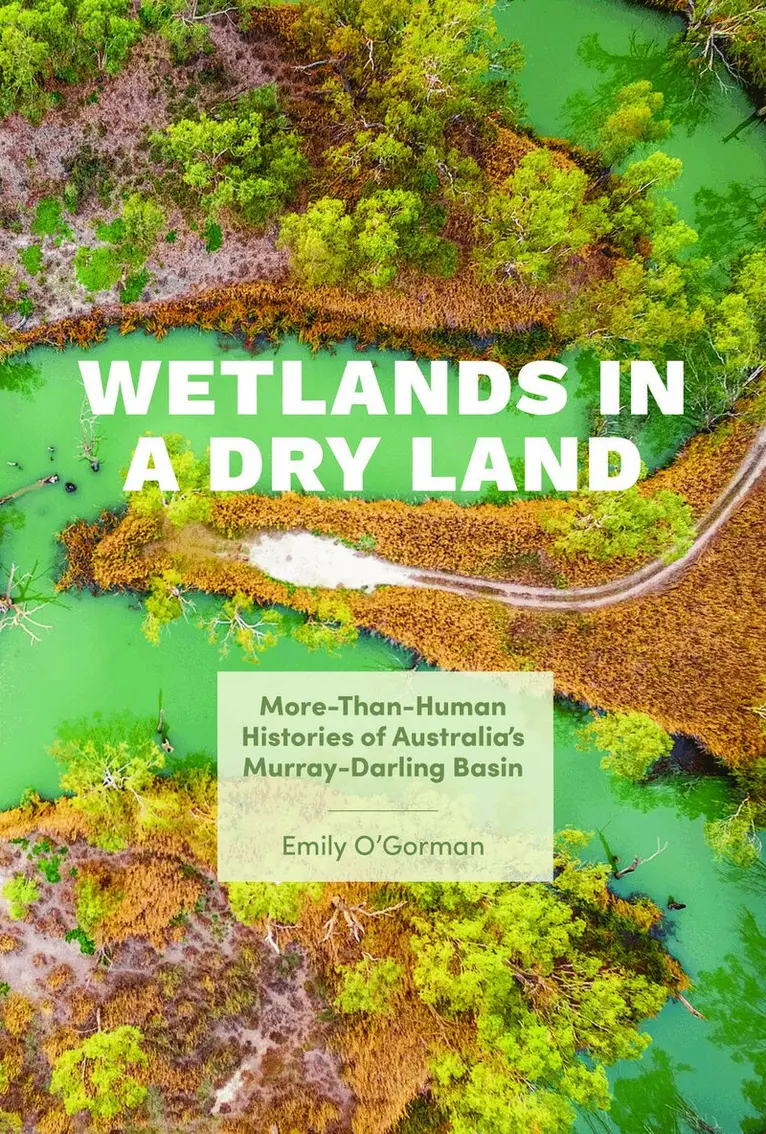
Wetlands in a Dry Land
More-Than-Human Histories of Australia's Murray-Darling Basin
Av Emily O'Gorman, Paul S. Sutter
Del i serien Weyerhaeuser Environmental Books
1855 kr
Beställningsvara. Skickas inom 7-10 vardagar. Fri frakt över 249 kr.
Fler format och utgåvor
Beskrivning
Winner of the Inaugural Book Prize from the Australia & Aotearoa New Zealand Environmental History NetworkA compelling environmental history of a critical ecosystem under threatIn the name of agriculture, urban growth, and disease control, humans have drained, filled, or otherwise destroyed nearly 87 percent of the world’s wetlands over the past three centuries. Unintended consequences include biodiversity loss, poor water quality, and the erosion of cultural sites, and only in the past few decades have wetlands been widely recognized as worth preserving. Emily O’Gorman asks, What has counted as a wetland, for whom, and with what consequences?Using the Murray-Darling Basin—a massive river system in eastern Australia that includes over 30,000 wetland areas—as a case study and drawing on archival research and original interviews, O’Gorman examines how people and animals have shaped wetlands from the late nineteenth century to today. She illuminates deeper dynamics by relating how Aboriginal peoples acted then and now as custodians of the landscape, despite the policies of the Australian government; how the movements of water birds affected farmers; and how mosquitoes have defied efforts to fully understand, let alone control, them. Situating the region’s history within global environmental humanities conversations, O’Gorman argues that we need to understand wetlands as socioecological landscapes in order to create new kinds of relationships with and futures for these places.
Produktinformation
- Utgivningsdatum: 2021-07-13
- Mått: 152 x 229 x 27 mm
- Vikt: 544 g
- Format: Inbunden
- Språk: Engelska
- Serie: Weyerhaeuser Environmental Books
- Antal sidor: 288
- Förlag: University of Washington Press
- Medarbetare: Paul S. Sutter
- ISBN: 9780295749037
- Utmärkelser: Runner-up for Nautilus Book Award 2021 (United States)
Utforska kategorier
Mer om författaren
Emily O’Gorman is senior lecturer at Macquarie University.
Recensioner i media
"By focusing in on those key wetlands as case studies, O’Gorman plots a rather more open-ended story-map that draws out the Basin’s water-management, from Deep Time to the present day. It enlarges the scale of its history to include the more-than-human world; it registers the aspirations as well as the inconsistencies of ‘progress’ and ‘sustainability’ and it gives rich, place-based readings that help us understand how we got here."
Betyg & recensioner
0 recensioner
Inga recensioner tillgängliga.