Emmanuel O Oritsejafor – författare
Visar alla böcker från författaren Emmanuel O Oritsejafor. Handla med fri frakt och snabb leverans.
13 produkter
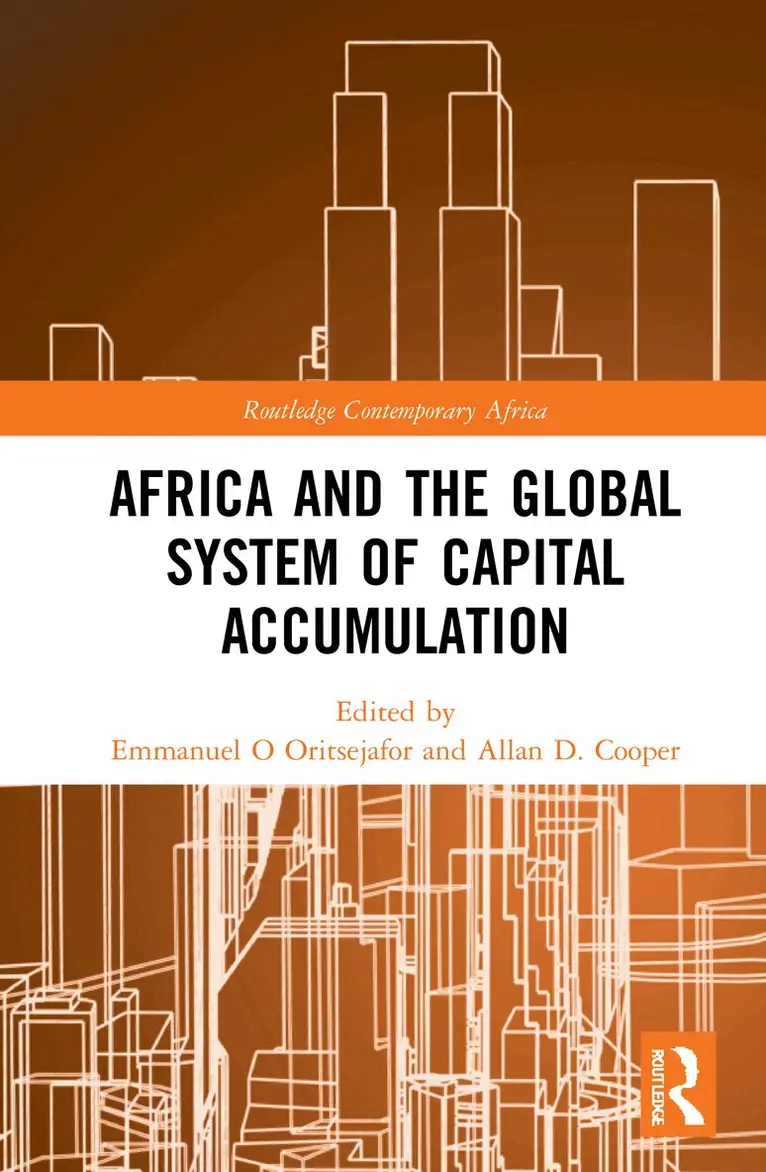
Africa and the Global System of Capital Accumulation
Av Emmanuel O Oritsejafor, Allan D. Cooper
Inbunden, 2021
2510 kr
Lägg i varukorg
Africa and the Global System of Capital Accumulation offers a groundbreaking analysis of the strategic role Africa plays in the global capitalist economy. The exploitation of Africa’s rich resources, as well as its labor, make it possible for major world powers to sustain their authority over their …
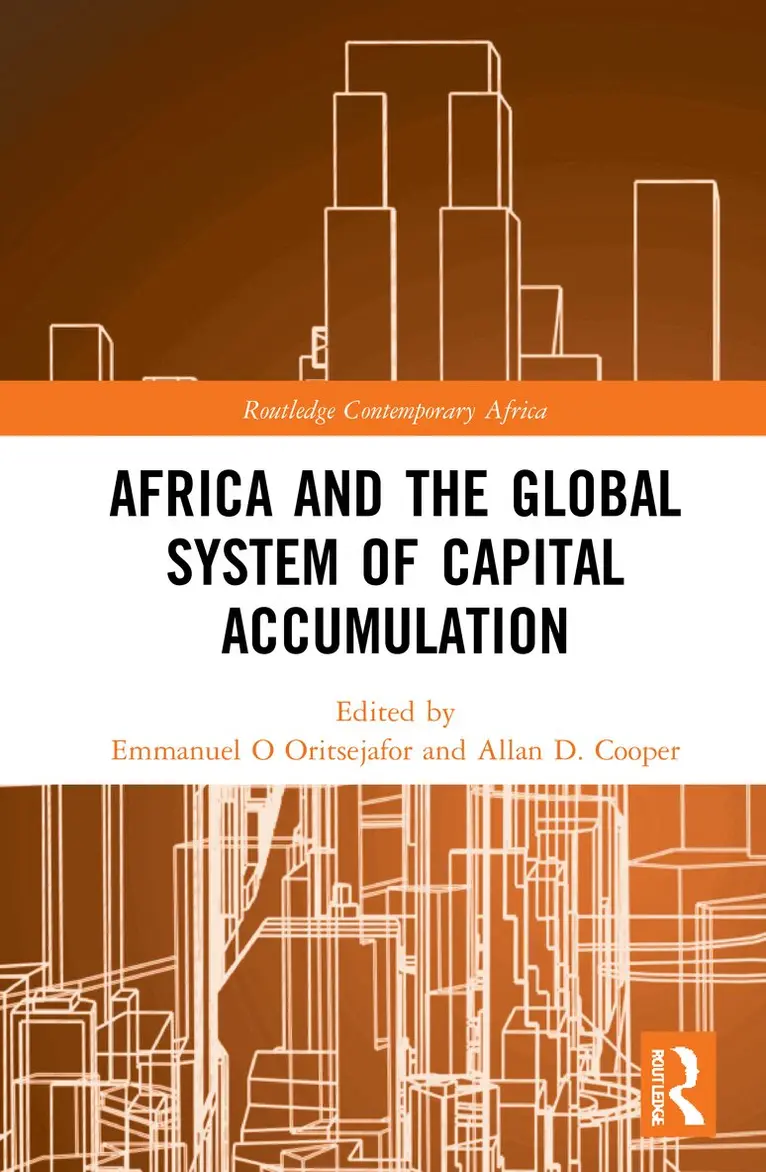
Africa and the Global System of Capital Accumulation
Av Emmanuel O Oritsejafor, Allan D. Cooper
Häftad, 2023
691 kr
Lägg i varukorg
Africa and the Global System of Capital Accumulation offers a groundbreaking analysis of the strategic role Africa plays in the global capitalist economy. The exploitation of Africa’s rich resources, as well as its labor, make it possible for major world powers to sustain their authority over their …
Africa and the Global System of Capital Accumulation
Av Allan D. Cooper, Emmanuel O Oritsejafor
E-bok, 2021
820 kr
Lägg i varukorg
Africa and the Global System of Capital Accumulation offers a groundbreaking analysis of the strategic role Africa plays in the global capitalist economy. The exploitation of Africa’s rich resources, as well as its labor, make it possible for major world powers to sustain their authority over their …
Africa and the Global System of Capital Accumulation
Av Allan D. Cooper, Emmanuel O Oritsejafor
E-bok, 2021
838 kr
Lägg i varukorg
Africa and the Global System of Capital Accumulation offers a groundbreaking analysis of the strategic role Africa plays in the global capitalist economy. The exploitation of Africa’s rich resources, as well as its labor, make it possible for major world powers to sustain their authority over their …
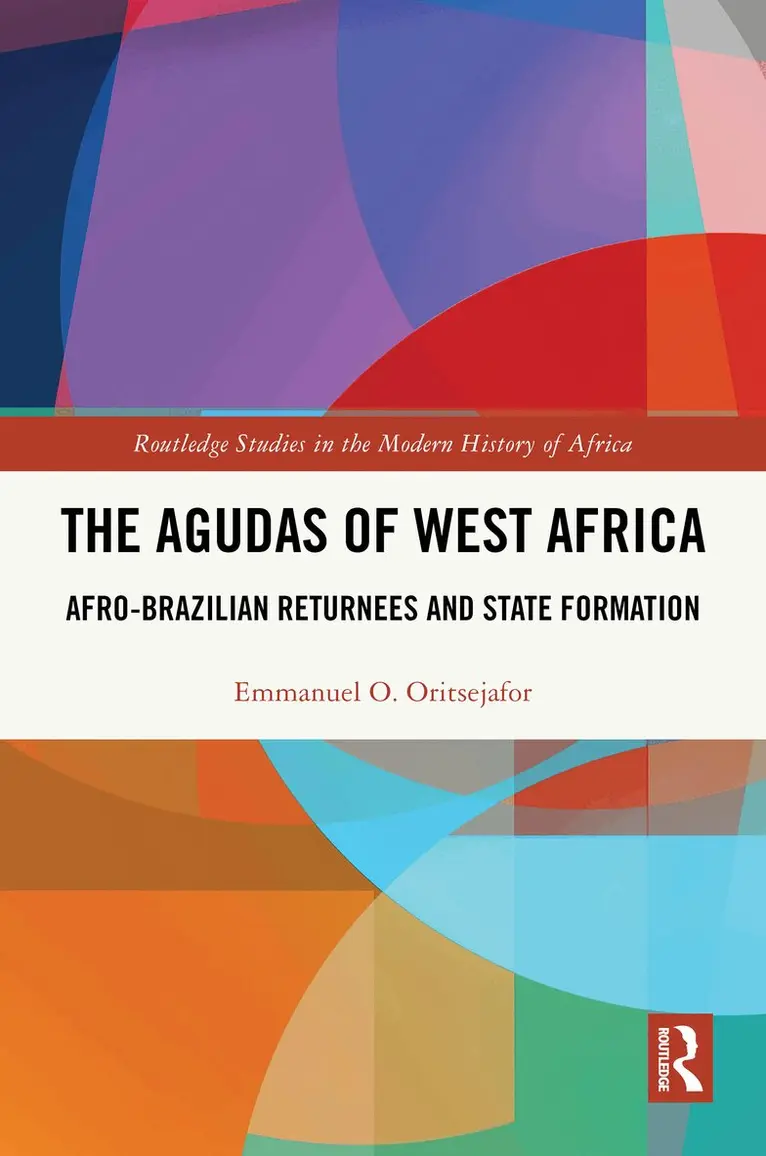
Agudas of West Africa
Afro-Brazilian Returnees and State Formation
E-bok, 2029
869 kr
Kommande
Brazil had by far the largest number of enslaved Africans during the transatlantic slave trade and after liberation, many returned to Africa, leveraging their experiences of emancipation and resistance to support decolonization and state formation efforts. This book argues that the formation of …
Agudas of West Africa
Afro-Brazilian Returnees and State Formation
E-bok, 2029
869 kr
Kommande
Brazil had by far the largest number of enslaved Africans during the transatlantic slave trade and after liberation, many returned to Africa, leveraging their experiences of emancipation and resistance to support decolonization and state formation efforts. This book argues that the formation of …
Agudas of West Africa
Afro-Brazilian Returnees and State Formation
Inbunden, 2026
2548 kr
Kommande
Brazil had by far the largest number of enslaved Africans during the transatlantic slave trade and after liberation, many returned to Africa, leveraging their experiences of emancipation and resistance to support decolonization and state formation efforts. This book argues that the formation of …
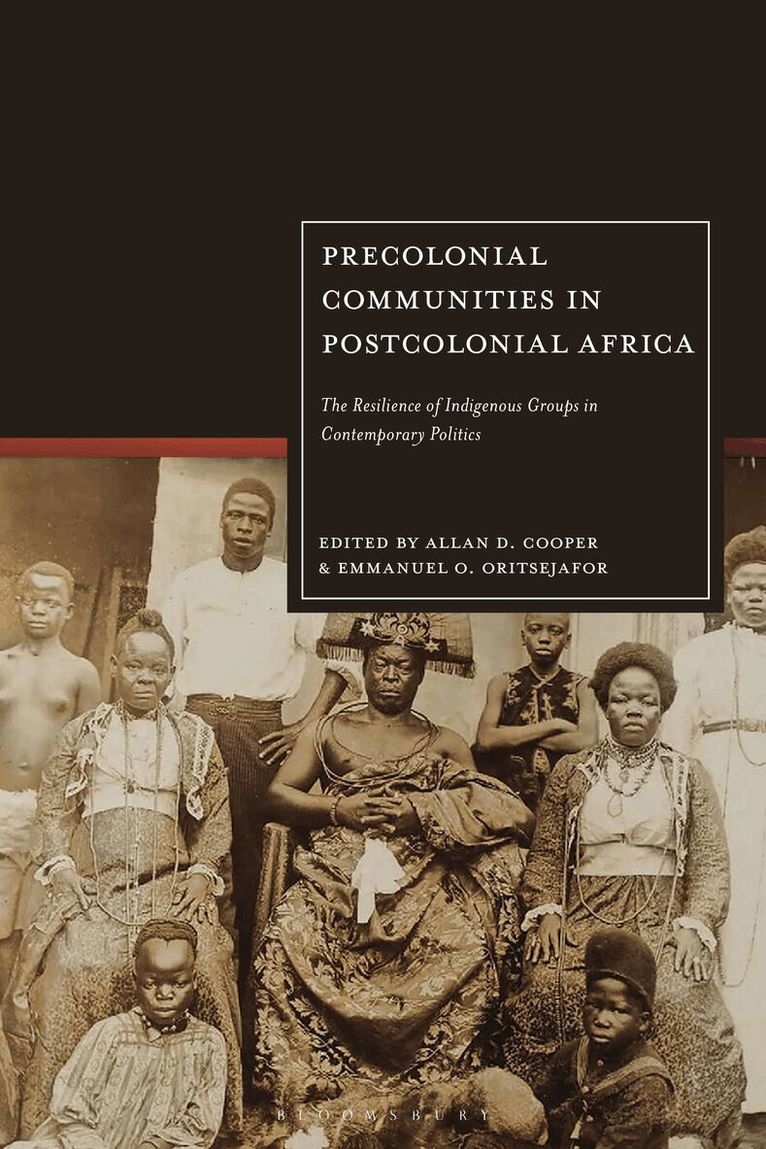
Precolonial Communities in Postcolonial Africa
The Resilience of Indigenous Groups in Contemporary Politics
Av Allan D. Cooper, Emmanuel O. Oritsejafor m. fl.
Inbunden, 2026
1207 kr
Lägg i varukorg
This collection takes on one of the most important and vexing issues in African development - the role played by African states in under-development on the continent - and shows how empowering resilient precolonial communities offers under-explored routes forward.Rather than comparing African …
Precolonial Communities in Postcolonial Africa
The Resilience of Indigenous Groups in Contemporary Politics
Av Allan D. Cooper, Emmanuel O. Oritsejafor m. fl.
E-bok, 2026
1325 kr
Lägg i varukorg
This collection takes on one of the most important and vexing issues in African development - the role played by African states in under-development on the continent - and shows how empowering resilient precolonial communities offers under-explored routes forward.Rather than comparing African …
Precolonial Communities in Postcolonial Africa
The Resilience of Indigenous Groups in Contemporary Politics
Av Allan D. Cooper, Emmanuel O. Oritsejafor m. fl.
E-bok, 2026
1325 kr
Lägg i varukorg
This collection takes on one of the most important and vexing issues in African development - the role played by African states in under-development on the continent - and shows how empowering resilient precolonial communities offers under-explored routes forward.Rather than comparing African …
Governance and Democracy in Africa
Regional and Continental Perspectives
Av James S. Guseh, Emmanuel O. Oritsejafor
Häftad, 2019
530 kr
Lägg i varukorg
This book looks at the fundamental issue of governance in Africa. After half a century of experimenting with democratic institutions, African countries are still ambivalent about the complete or absolute adoption of this form of governance. Africa lost tremendous human and natural resources in the …
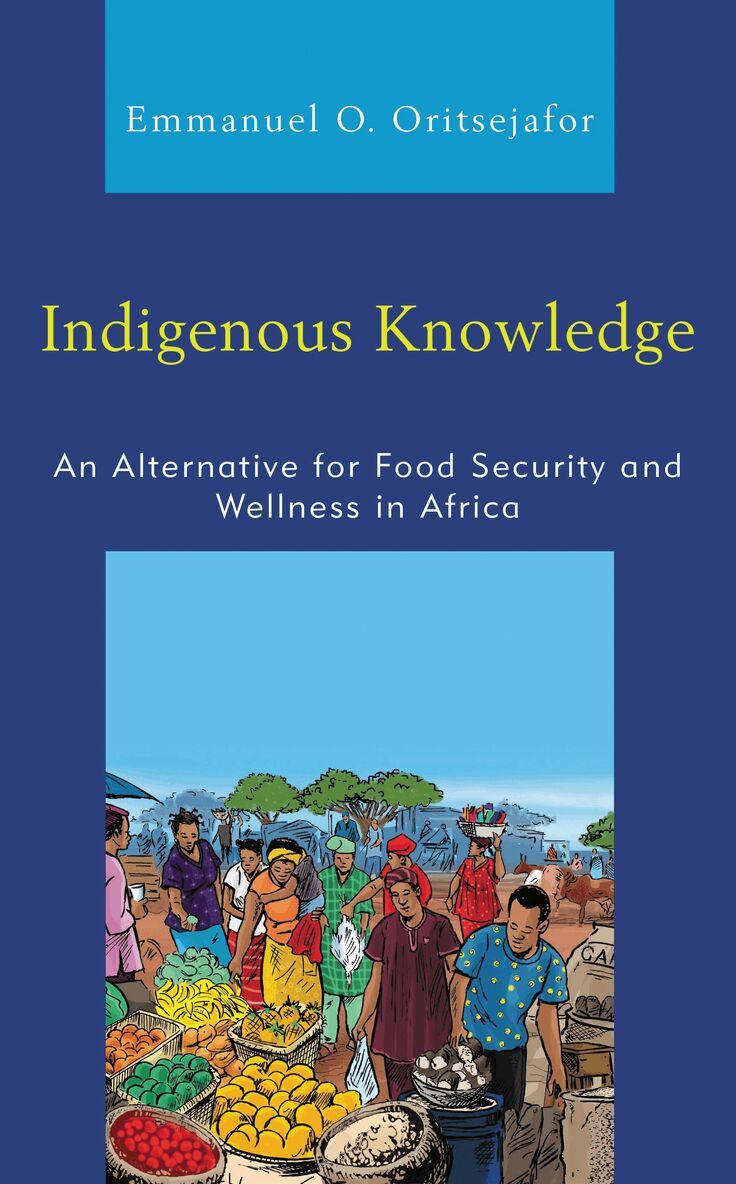
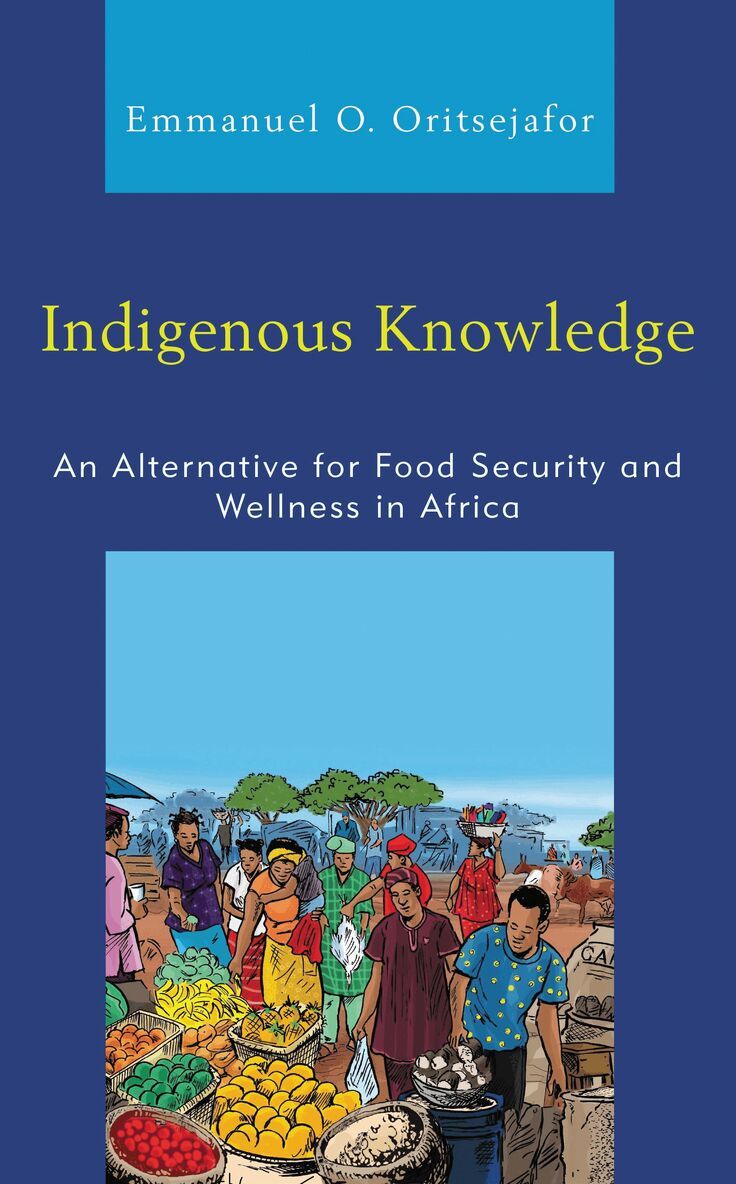
Indigenous Knowledge
An Alternative for Food Security and Wellness in Africa
Inbunden, 2022
1207 kr
Lägg i varukorg
In Indigenous Knowledge: An Alternative for Food Security and Wellness in Africa, Emmanuel O. Oritsejafor argues that Indigenous Knowledge (IK) needs to play a central role in addressing food insecurity because IK methods result in sustainable agricultural practices which improve wellness. The …
Indigenous Knowledge
An Alternative for Food Security and Wellness in Africa
Häftad, 2024
459 kr
Lägg i varukorg
In Indigenous Knowledge: An Alternative for Food Security and Wellness in Africa, Emmanuel O. Oritsejafor argues that Indigenous Knowledge (IK) needs to play a central role in addressing food insecurity because IK methods result in sustainable agricultural practices which improve wellness. The …