Inbunden, Engelska, 2026
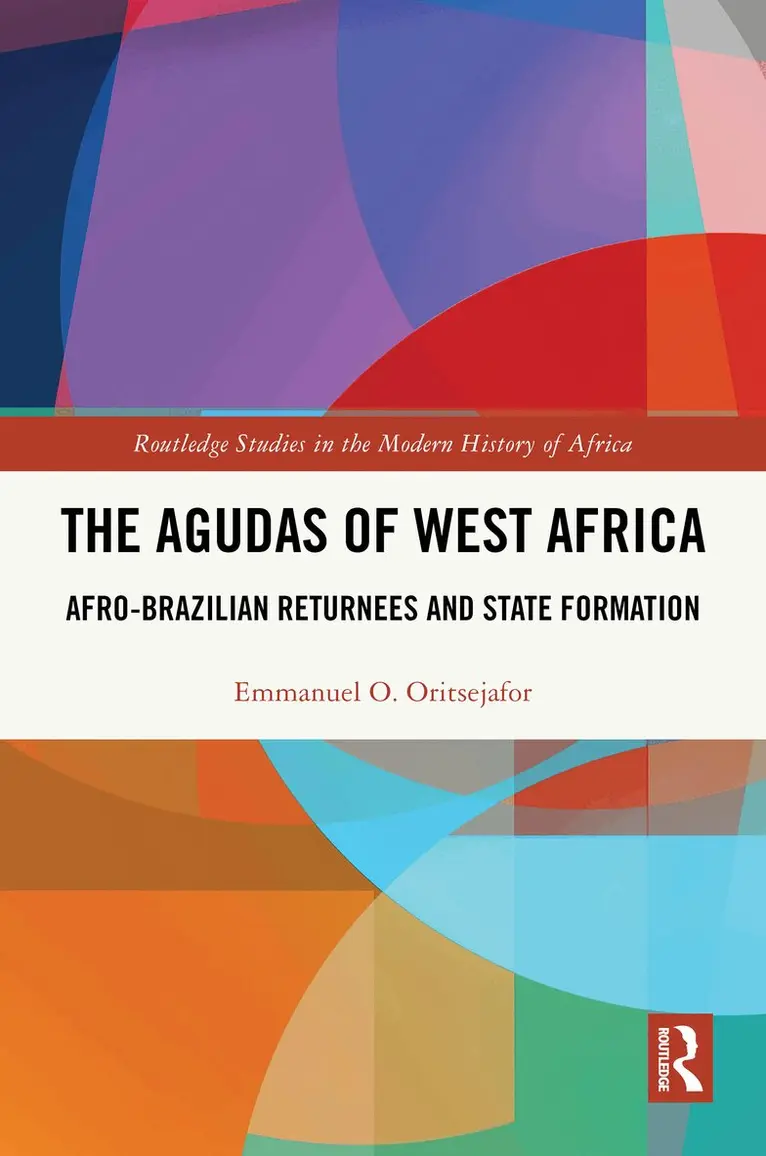
Agudas of West Africa
2581 kr
Beställningsvara. Skickas inom 10-15 vardagar. Fri frakt över 249 kr.
Beskrivning
Brazil had by far the largest number of enslaved Africans during the transatlantic slave trade and after liberation, many returned to Africa, leveraging their experiences of emancipation and resistance to support decolonization and state formation efforts. This book argues that the formation of African nation-states such as Nigeria, Ghana, and the Benin Republic simply wouldn’t have happened without the contributions of Afro-Brazilian returnees (Agudas).Drawing on extensive interviews and fieldwork in Ghana, Nigeria, Benin, and Togo, as well as archival research in these countries and also Brazil, the book demonstrates the role of Aguda communities in the political, social, and economic development of West African post-colonial states. It also highlights the role of Aguda Muslims in state formation after their return to the former slave coast of West Africa, most notably in Lagos, a city-state that at one point had the most significant presence of Agudas in West Africa.Tracing the history of the Agudas from the 1600s through the end of the 20th century, this important new study will be an important read for researchers across political science, history, public history, regional geography, sociology, and anthropology, tracing links between Africa and Brazil that remain important to the present day.
Produktinformation
- Utgivningsdatum: 2026-10-22
- Mått: 156 x 234 x undefined mm
- Format: Inbunden
- Språk: Engelska
- Serie: Routledge Studies in the Modern History of Africa
- Antal sidor: 218
- Förlag: Taylor & Francis Ltd
- ISBN: 9781041342410
Utforska kategorier
Betyg & recensioner
0 recensioner
Inga recensioner tillgängliga.