Emmanuele Vimercati – författare
Visar alla böcker från författaren Emmanuele Vimercati. Handla med fri frakt och snabb leverans.
7 produkter
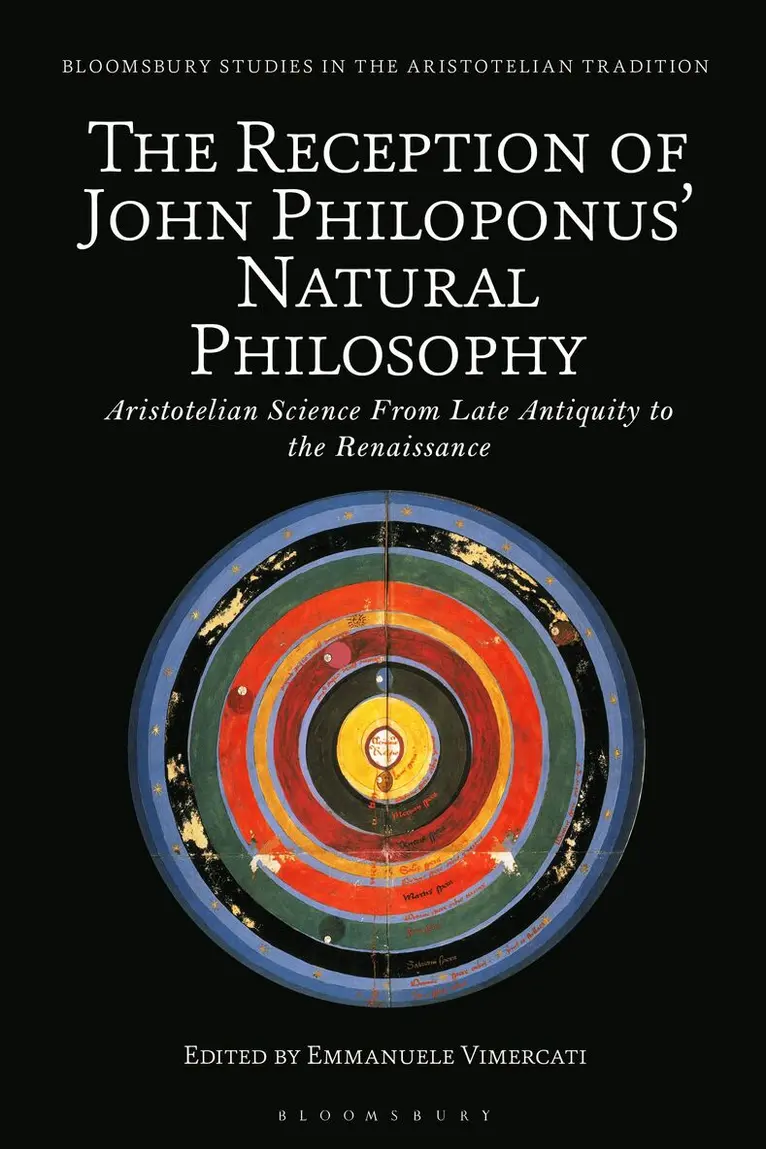
Reception of John Philoponus’ Natural Philosophy
Aristotelian Science From Late Antiquity to the Renaissance
Inbunden, 2024
1210 kr
Lägg i varukorg
In some of his most famous works, John Philoponus (c. 490-570 CE) confronts numerous aspects of Aristotle’s philosophy and science. Yet the influence of these reinterpretations and critiques remains under-examined. This volume fills this gap by uncovering the considerable impact of Philoponus’ …
Reception of John Philoponus’ Natural Philosophy
Aristotelian Science from Late Antiquity to the Renaissance
E-bok, 2024
452 kr
Lägg i varukorg
In some of his most famous works, John Philoponus ( c. 490-570 CE) confronts numerous aspects of Aristotle''s philosophy and science. Yet the influence of these reinterpretations and critiques remains under-examined. This volume fills this gap by uncovering the considerable impact of Philoponus'' …
Reception of John Philoponus’ Natural Philosophy
Aristotelian Science from Late Antiquity to the Renaissance
E-bok, 2024
452 kr
Lägg i varukorg
In some of his most famous works, John Philoponus ( c. 490-570 CE) confronts numerous aspects of Aristotle''s philosophy and science. Yet the influence of these reinterpretations and critiques remains under-examined. This volume fills this gap by uncovering the considerable impact of Philoponus'' …
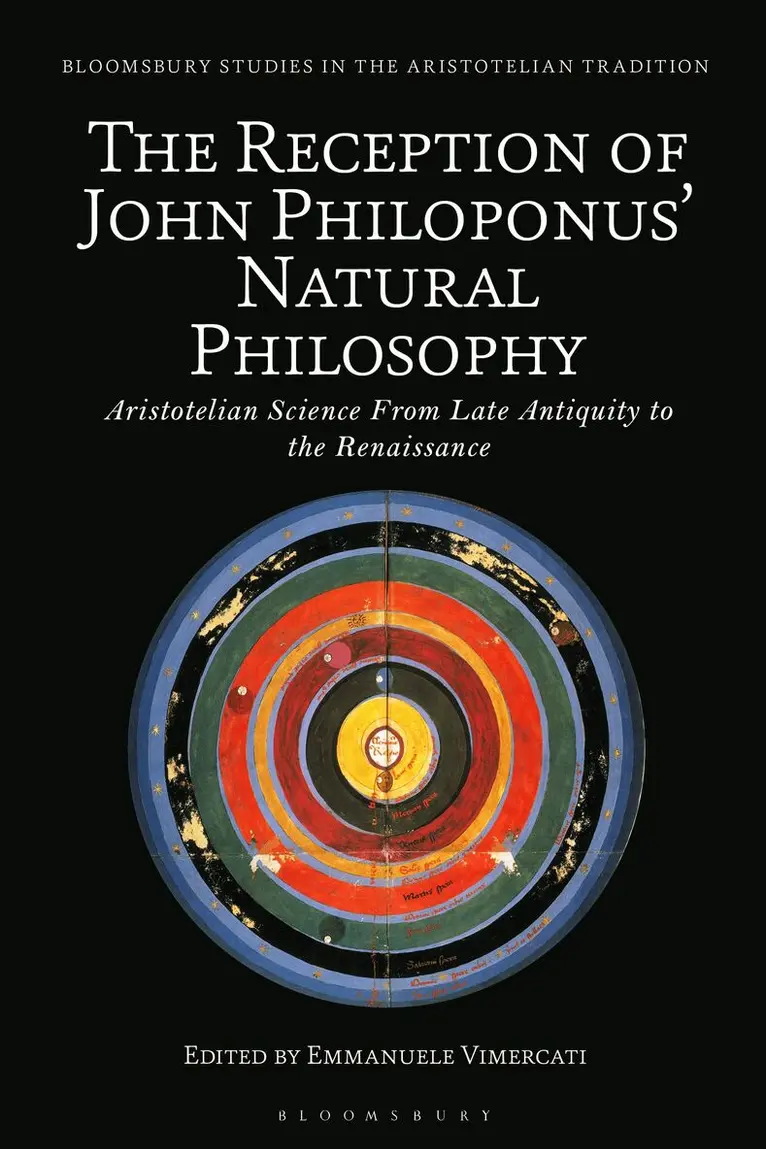
Reception of John Philoponus’ Natural Philosophy
Aristotelian Science From Late Antiquity to the Renaissance
Häftad, 2026
417 kr
Lägg i varukorg
In some of his most famous works, John Philoponus (c. 490-570 CE) confronts numerous aspects of Aristotle’s philosophy and science. Yet the influence of these reinterpretations and critiques remains under-examined. This volume fills this gap by uncovering the considerable impact of Philoponus’ …
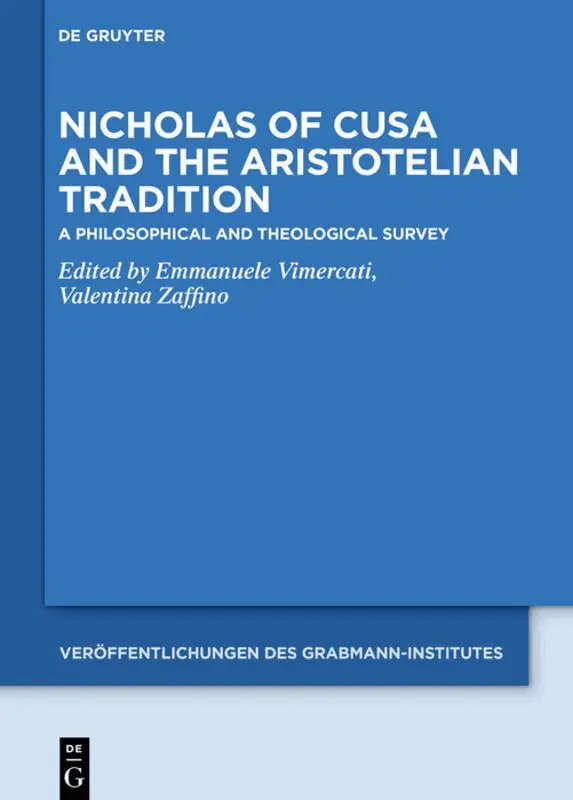
Nicholas of Cusa and the Aristotelian Tradition
A Philosophical and Theological Survey
Av Emmanuele Vimercati, Valentina Zaffino
Inbunden, 2020
1337 kr
Lägg i varukorg
The volume focuses on the relation between Cusanus and Aristotle or the Aristotelian tradition. In recent years the attention on this topic has partially increased, but overall the scholarship results are still partial or provisional. The book thus aims at verifying more systematically how …
Nicholas of Cusa and the Aristotelian Tradition
A Philosophical and Theological Survey
Av Valentina Zaffino, Emmanuele Vimercati
E-bok, 2020
1234 kr
Lägg i varukorg
The volume focuses on the relation between Cusanus and Aristotle or the Aristotelian tradition. In recent years the attention on this topic has partially increased, but overall the scholarship results are still partial or provisional. The book thus aims at verifying more systematically how …
Nicholas of Cusa and the Aristotelian Tradition
A Philosophical and Theological Survey
Av Valentina Zaffino, Emmanuele Vimercati
E-bok, 2020
1234 kr
Lägg i varukorg
The volume focuses on the relation between Cusanus and Aristotle or the Aristotelian tradition. In recent years the attention on this topic has partially increased, but overall the scholarship results are still partial or provisional. The book thus aims at verifying more systematically how …