Eric Wajnberg - Böcker
Visar alla böcker från författaren Eric Wajnberg. Handla med fri frakt och snabb leverans.
13 produkter
13 produkter
1 754 kr
Skickas inom 7-10 vardagar
A major concern for biological control has always been the risk of indirect unwanted effects on the ecology of other organisms. Our understanding of the ecological and evolutionary processes underlying these effects has until now been limited and experimental methods sometimes lacking. This book presents the key papers from of the first International Organisation for Biological Control global symposium, held in Montpellier, France, in October 1999. It addresses the issues and concerns involved in biological control, and assesses the current status of evaluation of the ecological effects.
1 261 kr
Skickas inom 7-10 vardagar
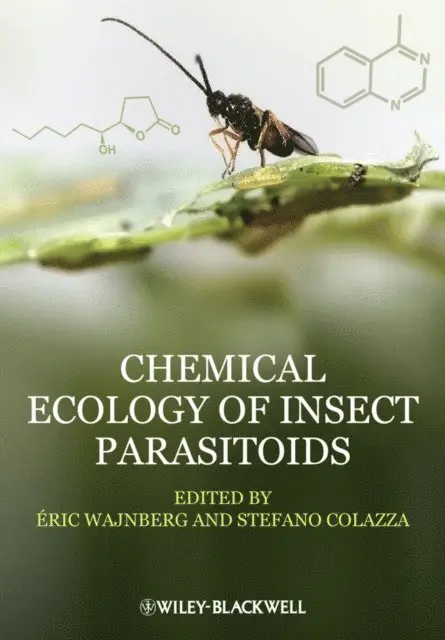
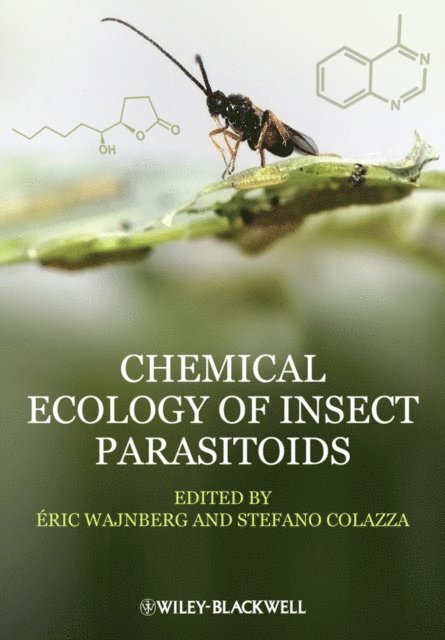
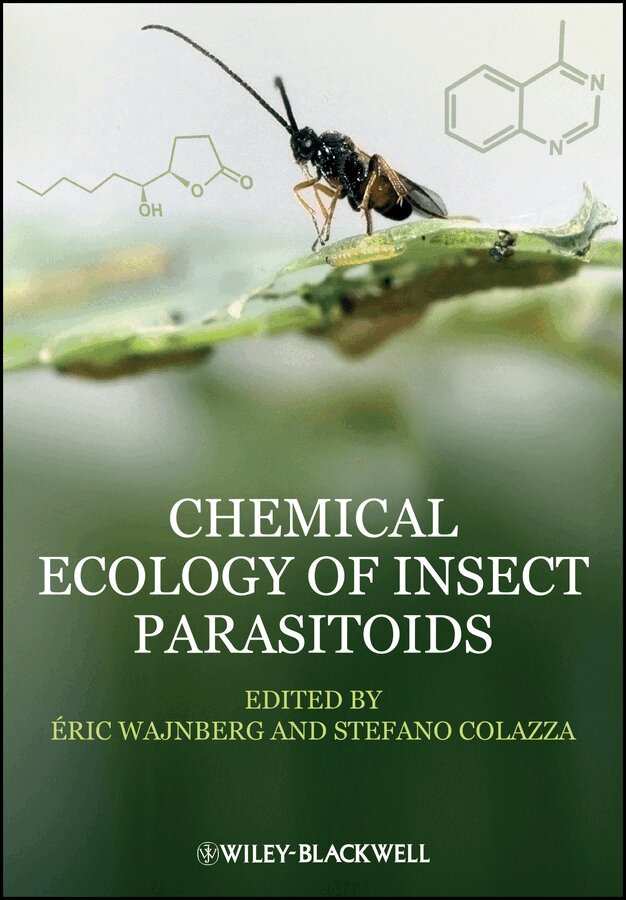
Insect parasitoids are a fascinating group of animals in many respects. Perhaps the most fascinating point is that these insects, in the course of the evolutionary time, have developed an impressive way to use chemical compounds to dialogue with the different protagonists of their environment (i.e., conspecifics, their hosts and the plants on which their hosts are living). Unravelling the evolutionary meaning of such chemical communication networks can give new insights into the ecology of these insects and especially on how to improve their use for the control of noxious pests in biological control programmes.Chemical Ecology of Insect Parasitoids is a timely publication, with organised chapters to present the most important knowledge and discoveries that have taken place over the last decade, and their potential use in pest control strategy. Specific relevant case studies are presented to enhance the reader's experience. Suited to graduate students and professional researchers and practitioners in pest management, entomology, evolutionary biology, behavioural ecology, and chemical ecology, this book is essential for anyone needing information on this important group of insects.
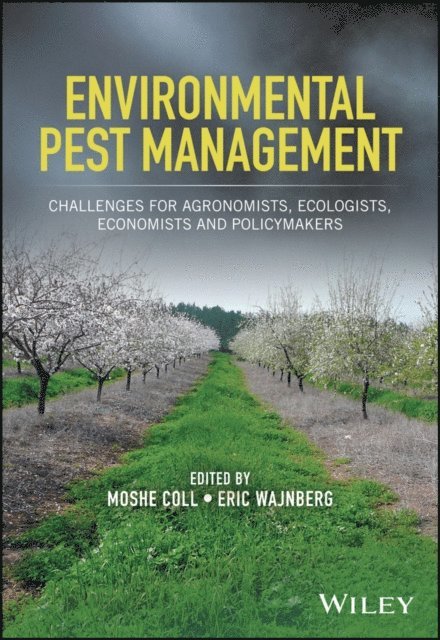
Environmental Pest Management
Challenges for Agronomists, Ecologists, Economists and Policymakers
Inbunden, Engelska, 2017
1 891 kr
Skickas inom 11-20 vardagar
A wide-ranging, interdisciplinary exploration of key topics that interrelate pest management, public health and the environmentThis book takes a unique, multidimensional approach to addressing the complex issues surrounding pest management activities and their impacts on the environment and human health, and environmental effects on plant protection practices.It features contributions by a distinguished group of authors from ten countries, representing an array of disciplines. They include plant protection scientists and officers, economists, agronomists, ecologists, environmental and public health scientists and government policymakers. Over the course of eighteen chapters, those experts share their insights into and analyses of an array of issues of vital concern to everyone with a professional interest in this important subject.The adverse effects of pest control have become a subject of great concern worldwide, and researchers and enlightened policymakers have at last begun to appreciate the impact of environmental factors on our ability to manage pest populations. Moreover, while issues such as pesticide toxicity have dominated the global conversation about pest management, economic and societal considerations have been largely neglected. Environmental Pest Management: Challenges for Agronomists, Ecologists, Economists and Policymakers is the first work to provide in-depth coverage of all of these pressing issues between the covers of one book. Offers a unique multi-dimensional perspective on the complex issues surrounding pest management activities and their effect on the environment and human healthAddresses growing concerns about specific pest management strategies, including the use of transgenic crops and biological controlsAnalyses the influence of global processes, such as climate change, biological invasions and shifts in consumer demand, and ecosystem services and disservices on pest suppression effortsExplores public health concerns regarding biodiversity, pesticide use and food safetyIdentifies key economic drivers of pest suppression research, strategies and technologiesProposes new regulatory approaches to create sustainable and viable crop protection systems in the framework of agro-environmental schemesOffering a timely and comprehensively-unique treatment of pest management and its environmental impacts in a single, inter-disciplinary volume, this book is a valuable resource for scientists in an array of disciplines, as well as government officials and policymakers. Also, teachers of undergraduate and graduate level courses in a variety of fields are sure to find it a highly useful teaching resource.
1 120 kr
Skickas inom 7-10 vardagar
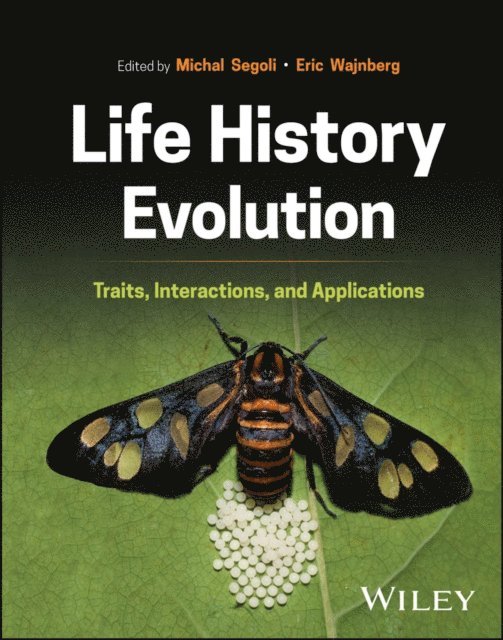
Provides a timely and authoritative account of Life History Evolution by a multidisciplinary team of scholars and researchers from around the world Life History Evolution: Traits, Interactions, and Applications presents a cutting-edge synthesis of the mechanisms driving life history strategies that span the breadth of taxa, from bacteria to humans. Integrating classical and contemporary perspectives, this comprehensive volume addresses how organisms evolve traits in response to diverse ecological pressures. Editors Michal Segoli and Eric Wajnberg bring together leading experts to explore the intersection of evolutionary biology, ecology, and applied research, focusing on the evolving complexity of life history traits and their implications. In-depth yet accessible chapters cover a broad spectrum of life history traits, from classical traits of lifespan and reproduction to more complex interactions like social behaviour, predator-prey dynamics, and human-induced evolutionary processes. The contributing authors explain essential concepts, identify critical knowledge gaps, discuss future research directions, and demonstrate the relevance of life history evolution in addressing climate change, species invasion, pollution, and more. Providing a well-balanced understanding of life history traits and their implications, Life History Evolution: Incorporates recent advances in evolutionary theory, including eco-evolutionary feedback loops and anthropogenic impactsOffers diverse perspectives and original research from leading experts in fields such as evolutionary biology, ecology, entomology, zoology, agriculture, and veterinary medicineDiscusses life history evolution in the context of co-evolved interactions such as predator-prey, parasite-host, plant-herbivore, and endosymbiont-host relationshipsProvides an overview of the foundational theory, recent developments, and current thinking in the fieldFeatures numerous case studies that highlight real-world applications in biological control, wildlife management, climate change adaptation, and othersRevealing how life history traits shape the evolutionary strategies of organisms, Life History Evolution: Traits, Interactions, and Applications is an essential resource for undergraduate and graduate students, researchers, industry professionals, and policymakers in ecological science. It is an ideal textbook for courses in evolutionary ecology, evolutionary biology, conservation biology, environmental science, and environmental management.
From Biological Control to Invasion: the Ladybird Harmonia axyridis as a Model Species
Inbunden, Engelska, 2008
1 588 kr
Skickas inom 10-15 vardagar
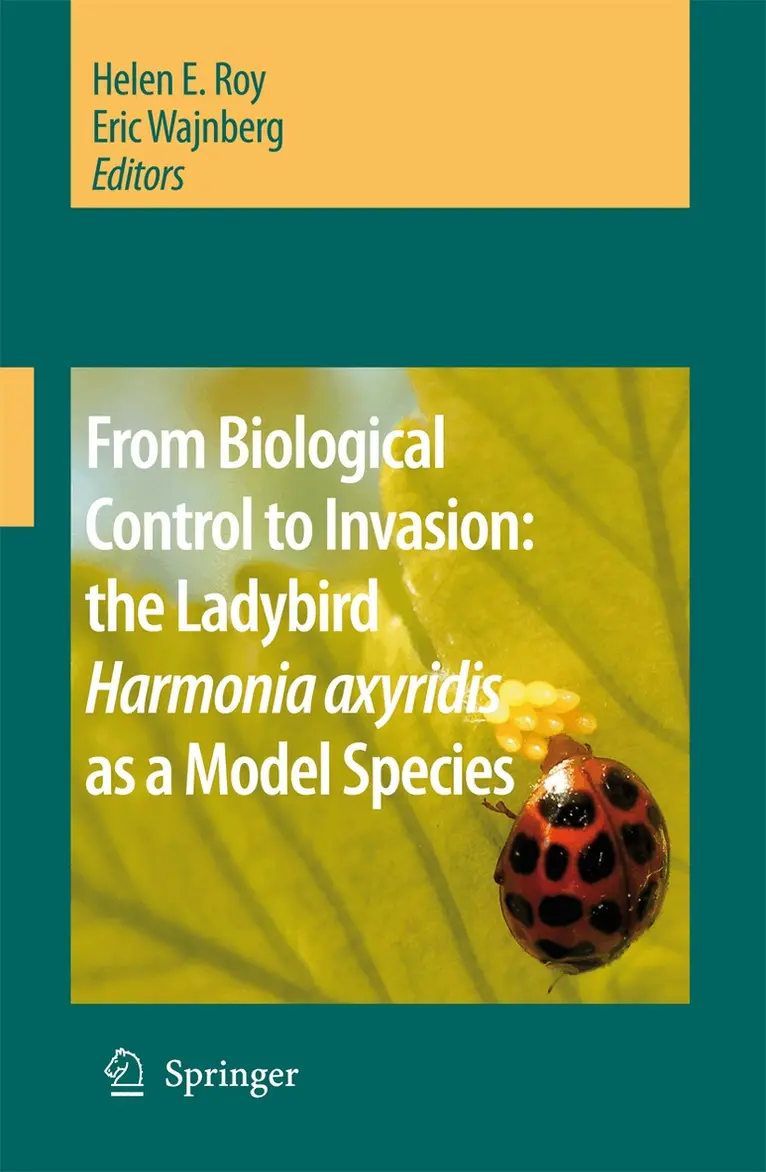
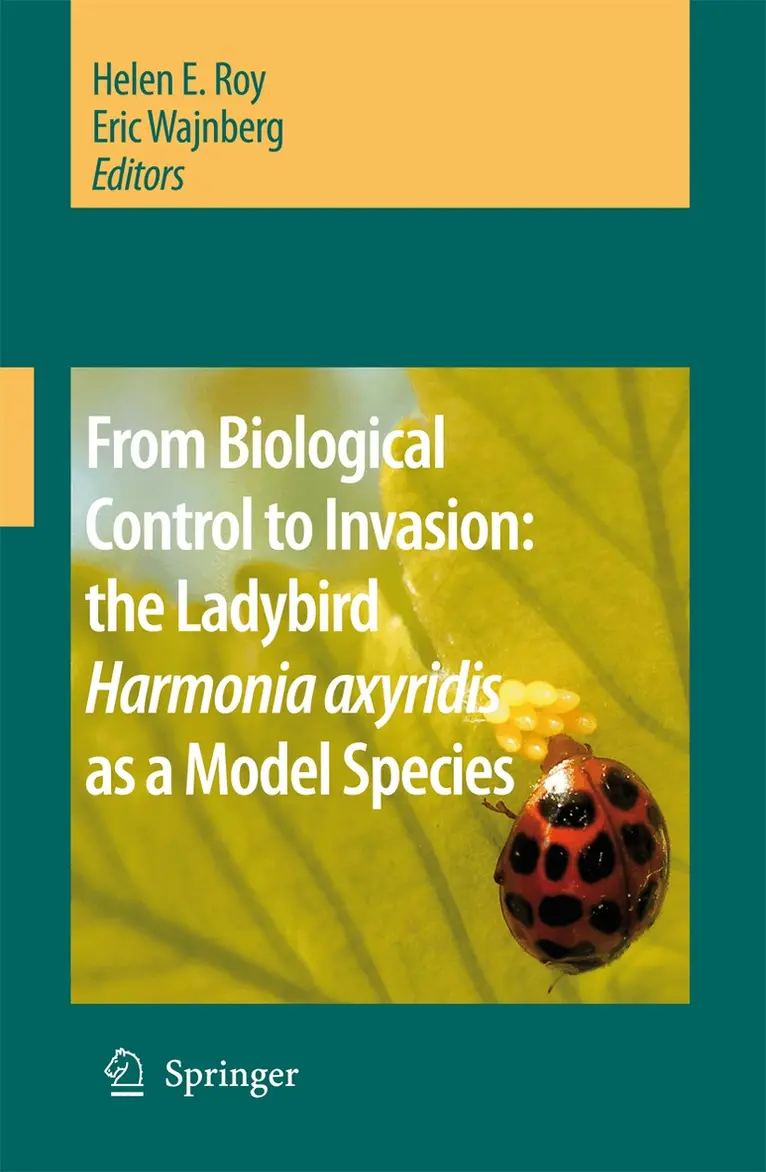
Harmonia axyridis has been described as the “most invasive ladybird on Earth”. It has a long history of use as a classical biological control agent in the USA and more recently in Europe. This beetle has been effective at controlling pest insects in a variety of crop systems but it poses unacceptable risks by impacting on non-target species as both an intraguild predator and competitor.Written by renowned scientists, this book is a synthesis of recent research on H. axyridis and provides informative insights into current perspectives and future directions. Biological control is an essential component of sustainable agriculture but the distinction between a successful biological control agent and an invasive species can be narrow. We hope that lessons can be learnt from H. axyridis.
Behavioral Ecology of Insect Parasitoids
From Theoretical Approaches to Field Applications
Inbunden, Engelska, 2007
1 342 kr
Skickas inom 7-10 vardagar
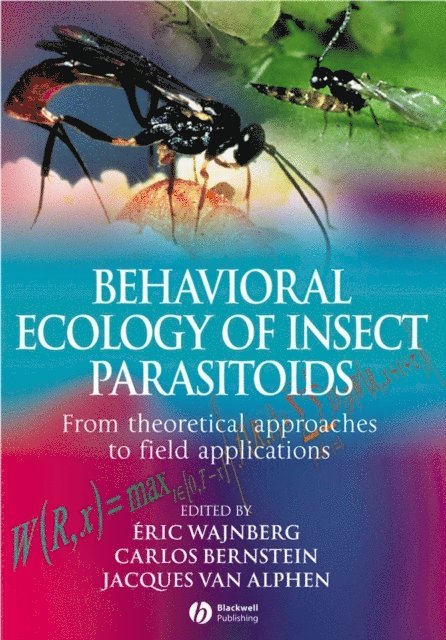
Written by a team of leading international specialists, Behavioral Ecology of Insect Parasitoids examines the optimal behaviors that parasitoids exhibit in order to maximize long term offspring production. It is an essential reference for research scientists and students studying these fascinating insects or for anyone involved in using parasitoids in biological control programs. Reviews topical issues, including cutting edge research on parasitoid decision making and the implications for biological control Explores applications in other fields, provides information on the latest research methods, and includes helpful case studies and statistical tools Creates a deeper understanding of the link between behavioural strategies and host mortality, resulting in more efficient selective pest management programs“Overall, this is a fascinating volume that provides a significant contribution to the literature on parasitoid insects. It goes a long way toward providing insights into numerous aspects of parasitoid behavior and will stimulate a diversity of future projects, something that should be the goal of any such text. I highly recommend Wajnberg et al. for all of those working on the biology or evolution of parasitoids.” Palaios 2009
2 431 kr
Skickas inom 10-15 vardagar
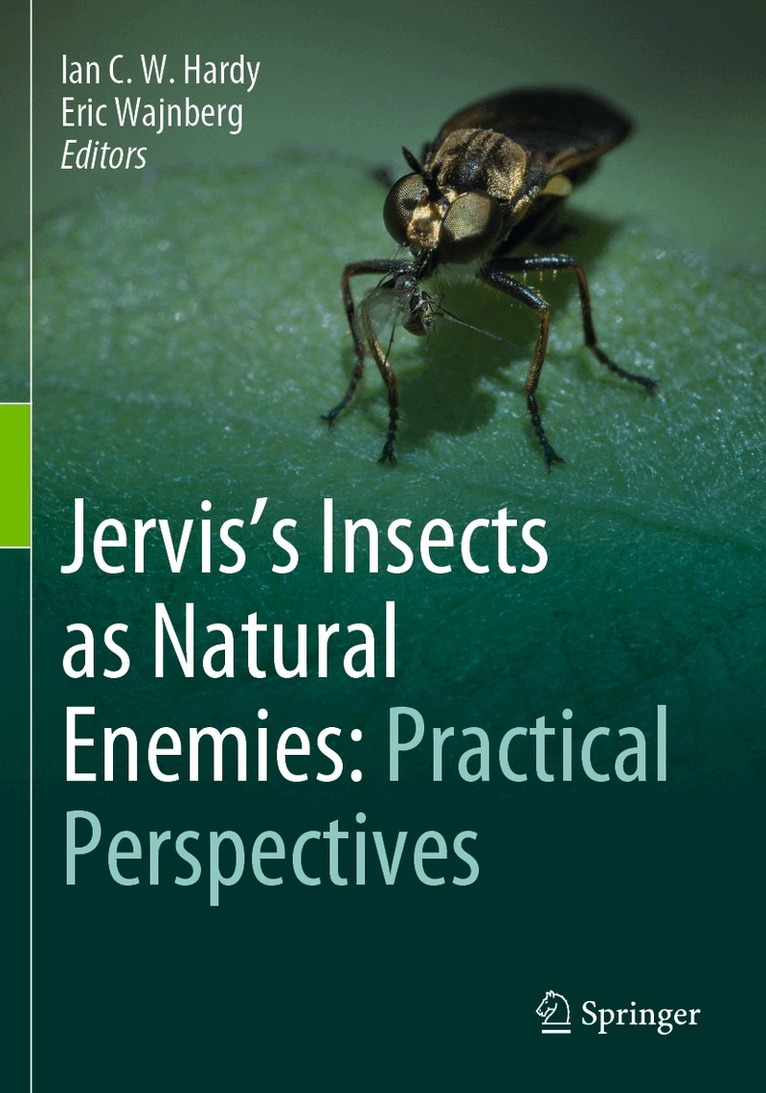
There has been a dramatic increase in theoretical and practical studies on insect natural enemies over the last decades. The appeal of insect predators and, in particular, parasitoids, as research animals derives from the relative ease with which many species may be cultured and experimented on in the laboratory, the simple life-cycles of most parasitoid species, and the increasing demand for biological pest control as a key component of the integrated pest management approach.There is now a very substantial literature on insect natural enemies and thus a great need for a general text that enquiring students or research workers can use in deciding on approaches and techniques that are appropriate to the study and evaluation of such insects. This book fulfils that demand. It is a considerably updated and expanded version of a previous best-seller and provides an account of major aspects of the biology of predators and parasitoids, punctuated with information and advice onwhich experiments or observations to conduct and, importantly, how to carry them out. Guidance is provided, where necessary, on the most recent further literature that may need to be consulted on given topics.While researchers can now refer to several books on parasitoids and predators, Jervis’s Insects as Natural Enemies is unique in emphasising practicalities. It is aimed at students and professionals working in universities and both government and commercial institutes in the fields of integrated pest management, agriculture, horticulture and forestry, as well as those interested in fundamentals of behavioural, population, community and evolutionary ecology.
2 431 kr
Skickas inom 10-15 vardagar
There has been a dramatic increase in theoretical and practical studies on insect natural enemies over the last decades. The appeal of insect predators and, in particular, parasitoids, as research animals derives from the relative ease with which many species may be cultured and experimented on in the laboratory, the simple life-cycles of most parasitoid species, and the increasing demand for biological pest control as a key component of the integrated pest management approach.There is now a very substantial literature on insect natural enemies and thus a great need for a general text that enquiring students or research workers can use in deciding on approaches and techniques that are appropriate to the study and evaluation of such insects. This book fulfils that demand. It is a considerably updated and expanded version of a previous best-seller and provides an account of major aspects of the biology of predators and parasitoids, punctuated with information and advice onwhich experiments or observations to conduct and, importantly, how to carry them out. Guidance is provided, where necessary, on the most recent further literature that may need to be consulted on given topics.While researchers can now refer to several books on parasitoids and predators, Jervis’s Insects as Natural Enemies is unique in emphasising practicalities. It is aimed at students and professionals working in universities and both government and commercial institutes in the fields of integrated pest management, agriculture, horticulture and forestry, as well as those interested in fundamentals of behavioural, population, community and evolutionary ecology.
1 904 kr
Skickas inom 10-15 vardagar
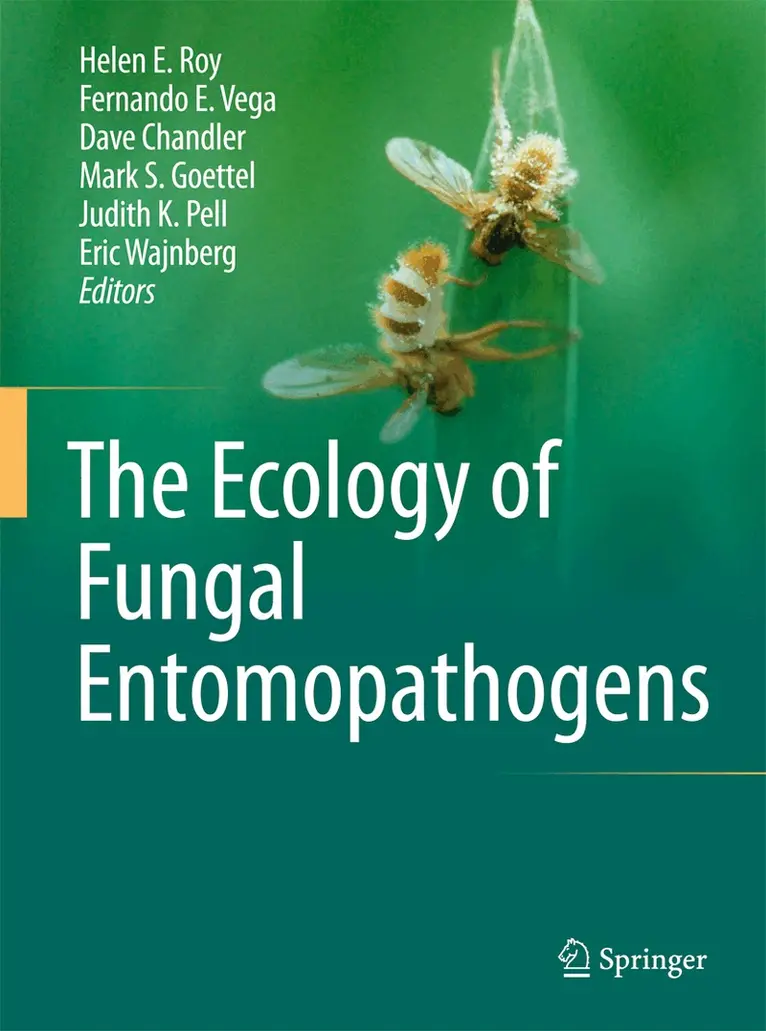
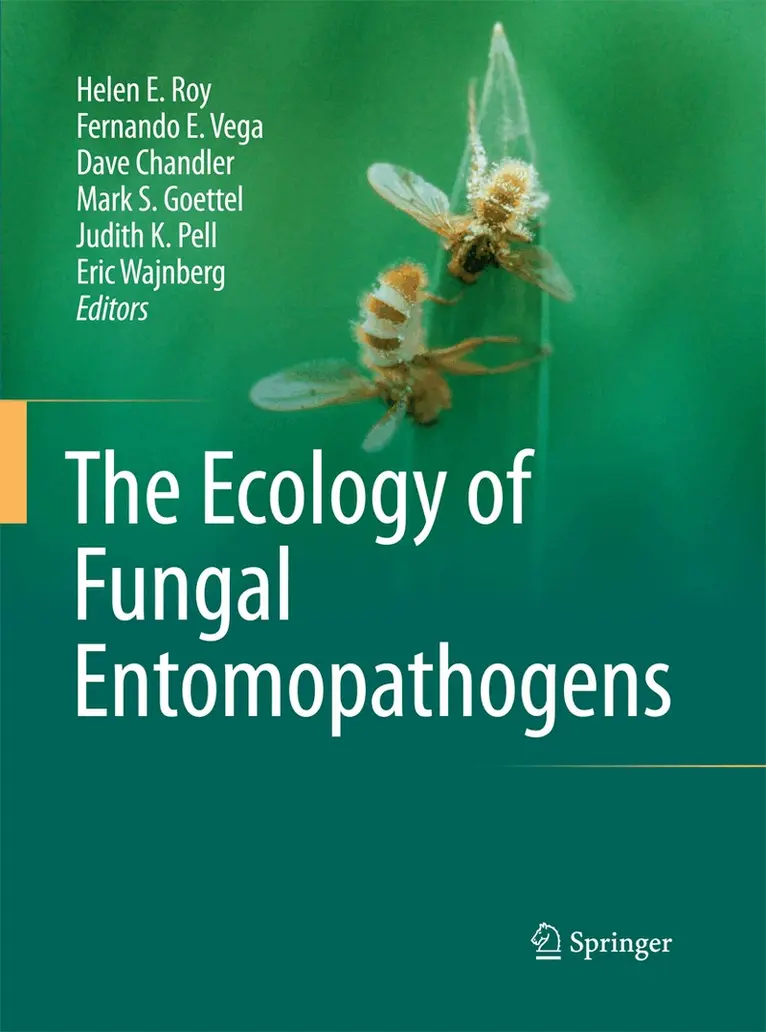
Understanding of the ecology of fungal entomopathogens has vastly increased since the early 1800’s, but remains challenging. The often complex interactions between pathogen and host are being unravelled through eloquent research and the importance of the often subtle interactions, in determining the success or failure of biological control, cannot be underplayed. The realm of ecology is vast and deciphering insect-fungal pathogen interactions within an ecological context will take us on voyages beyond our imagination. This book brings together the work of renowned scientists to provide a synthesis of recent research on the ecology of fungal entomopathogens exploring host-pathogen dynamics from the context of biological control and beyond. Dr. Helen Roy leads zoological research in the Biological Records Centre at the NERC Centre for Ecology & Hydrology, UK. The focus of her research is insect community interactions with particular emphasis on the effects of environmental change. She has been working on the ecological interactions between fungal entomopathogens and their hosts for 15 years; this continues to be a source of fascination. She has been an associate editor of BioControl since 2006.Dr. Dave Chandler is an insect pathologist at the University of Warwick, UK. He has studied entomopathogenic fungi for just over 20 years. He has particular interests in entomopathogenic fungi as biocontrol agents of horticultural crops, fungal physiology and ecology, and the pathogens of honeybees.Dr. Mark Goettel is an insect pathologist at the Lethbridge Research Centre of Agriculture & Agri-Food Canada, specializing in the development of fungal entomopathogens as microbial control agents of insects. In addition to this research, he has been extensively involved in the review and revision of the regulations for registration of microbial control agents and has addressed regulatory and safety issues at theinternational level. He is currently President of the Society for Invertebrate Pathology and has been Editor-in-Chief of Biocontrol Science & Technology since 2000. Dr. Judith K. Pell heads the Insect Pathology Group in the Department for Plant and Invertebrate Ecology at Rothamsted Research, UK. She leads research on the ecology of fungal entomopathogens, to elucidate their role in population regulation and community structure and to inform biological control strategies. Specifically: intraguild interactions; the relationships between guild diversity, habitat diversity and ecosystem function; pathogen-induced host behavioural change.Dr. Eric Wajnberg is a population biologist specialising in behavioural ecology, statistical modelling and population genetics. He is also an expert in biological control, with more than 20 years experience of working with insect parasitoids. He has been the Editor in Chief of BioControl since 2006.Dr. Fernando E. Vega is an entomologist with the United States Department of Agriculture, Agricultural Research Service, in Beltsville, Maryland, USA. He conducts research on biological methods to control the coffee berry borer, the most important insect pest of coffee throughout the world. He is co-editor, with Meredith Blackwell, of Insect-Fungal Associations: Ecology and Evolution, published by Oxford University Press in 2005, and serves as an Editorial Board Member for Fungal Ecology.
From Biological Control to Invasion: the Ladybird Harmonia axyridis as a Model Species
Häftad, Engelska, 2010
1 564 kr
Skickas inom 5-8 vardagar
Harmonia axyridis has been described as the “most invasive ladybird on Earth”. It has a long history of use as a classical biological control agent in the USA and more recently in Europe. This beetle has been effective at controlling pest insects in a variety of crop systems but it poses unacceptable risks by impacting on non-target species as both an intraguild predator and competitor.Written by renowned scientists, this book is a synthesis of recent research on H. axyridis and provides informative insights into current perspectives and future directions. Biological control is an essential component of sustainable agriculture but the distinction between a successful biological control agent and an invasive species can be narrow. We hope that lessons can be learnt from H. axyridis.
1 588 kr
Skickas inom 10-15 vardagar
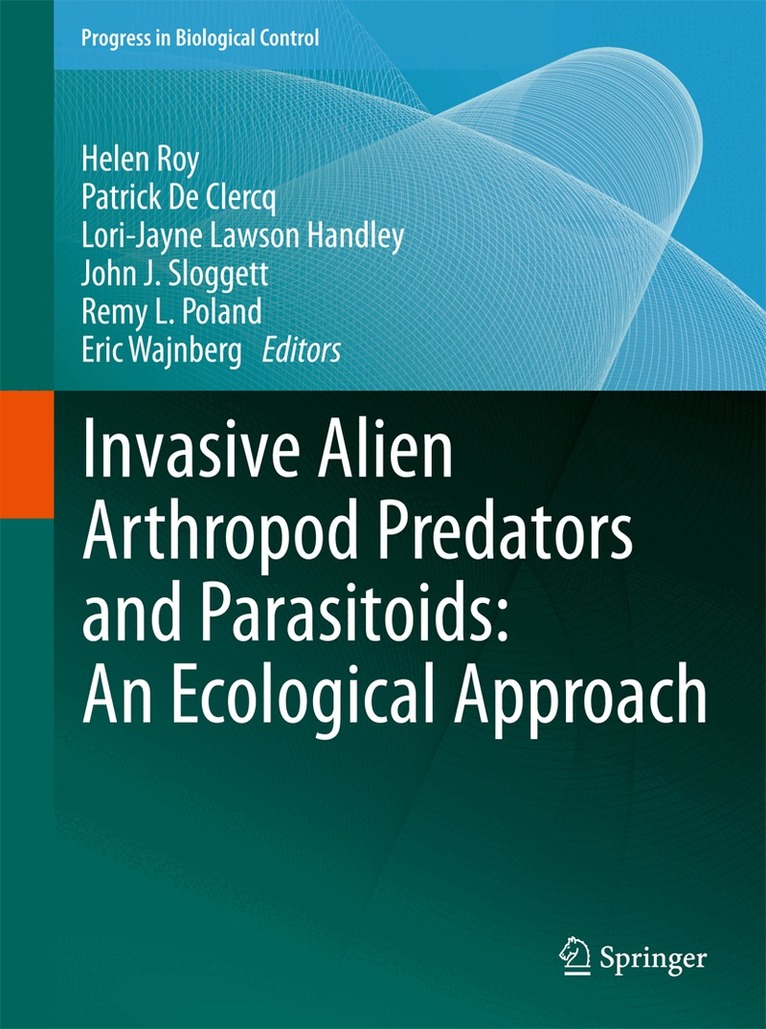
Understanding invasion biology, and the dynamics of biological control practices, requires a multidisciplinary approach, embracing and integrating all the research tools at our disposal, particularly modern molecular and modelling techniques. This book provides a comprehensive and current overview of invasive alien arthropod predators and parasitoids through 20 chapters, contributed by 69 internationally renowned scientists (previously published as peer-reviewed papers in BioControl – August 2011), ranging from broad reviews of key topics on invasive alien species (IAS) to taxon-specific chapters. The context of invasion biology is given through nine chapters focusing on current themes but highlighting future directions and knowledge gaps. Concepts are explored in detail through ten chapters focusing on a taxonomically diverse range of arthropods. The concluding chapter presents an objective approach to considering the benefits and risks of exotic biological control agents.
1 588 kr
Skickas inom 10-15 vardagar
Understanding invasion biology, and the dynamics of biological control practices, requires a multidisciplinary approach, embracing and integrating all the research tools at our disposal, particularly modern molecular and modelling techniques. This book provides a comprehensive and current overview of invasive alien arthropod predators and parasitoids through 20 chapters, contributed by 69 internationally renowned scientists (previously published as peer-reviewed papers in BioControl – August 2011), ranging from broad reviews of key topics on invasive alien species (IAS) to taxon-specific chapters. The context of invasion biology is given through nine chapters focusing on current themes but highlighting future directions and knowledge gaps. Concepts are explored in detail through ten chapters focusing on a taxonomically diverse range of arthropods. The concluding chapter presents an objective approach to considering the benefits and risks of exotic biological control agents.
1 904 kr
Skickas inom 10-15 vardagar
Understanding of the ecology of fungal entomopathogens has vastly increased since the early 1800’s, but remains challenging. The often complex interactions between pathogen and host are being unravelled through eloquent research and the importance of the often subtle interactions, in determining the success or failure of biological control, cannot be underplayed. The realm of ecology is vast and deciphering insect-fungal pathogen interactions within an ecological context will take us on voyages beyond our imagination. This book brings together the work of renowned scientists to provide a synthesis of recent research on the ecology of fungal entomopathogens exploring host-pathogen dynamics from the context of biological control and beyond. Dr. Helen Roy leads zoological research in the Biological Records Centre at the NERC Centre for Ecology & Hydrology, UK. The focus of her research is insect community interactions with particular emphasis on the effects of environmental change. She has been working on the ecological interactions between fungal entomopathogens and their hosts for 15 years; this continues to be a source of fascination. She has been an associate editor of BioControl since 2006.Dr. Dave Chandler is an insect pathologist at the University of Warwick, UK. He has studied entomopathogenic fungi for just over 20 years. He has particular interests in entomopathogenic fungi as biocontrol agents of horticultural crops, fungal physiology and ecology, and the pathogens of honeybees.Dr. Mark Goettel is an insect pathologist at the Lethbridge Research Centre of Agriculture & Agri-Food Canada, specializing in the development of fungal entomopathogens as microbial control agents of insects. In addition to this research, he has been extensively involved in the review and revision of the regulations for registration of microbial control agents and has addressed regulatory and safety issues at theinternational level. He is currently President of the Society for Invertebrate Pathology and has been Editor-in-Chief of Biocontrol Science & Technology since 2000. Dr. Judith K. Pell heads the Insect Pathology Group in the Department for Plant and Invertebrate Ecology at Rothamsted Research, UK. She leads research on the ecology of fungal entomopathogens, to elucidate their role in population regulation and community structure and to inform biological control strategies. Specifically: intraguild interactions; the relationships between guild diversity, habitat diversity and ecosystem function; pathogen-induced host behavioural change.Dr. Eric Wajnberg is a population biologist specialising in behavioural ecology, statistical modelling and population genetics. He is also an expert in biological control, with more than 20 years experience of working with insect parasitoids. He has been the Editor in Chief of BioControl since 2006.Dr. Fernando E. Vega is an entomologist with the United States Department of Agriculture, Agricultural Research Service, in Beltsville, Maryland, USA. He conducts research on biological methods to control the coffee berry borer, the most important insect pest of coffee throughout the world. He is co-editor, with Meredith Blackwell, of Insect-Fungal Associations: Ecology and Evolution, published by Oxford University Press in 2005, and serves as an Editorial Board Member for Fungal Ecology.