Frances Gateward - Böcker
Visar alla böcker från författaren Frances Gateward. Handla med fri frakt och snabb leverans.
7 produkter
7 produkter
1 122 kr
Tillfälligt slut
Korean cinema as industry, art form, and cultural product.Seoul Searching is a collection of fourteen provocative essays about contemporary South Korean cinema, the most productive and dynamic cinema in Asia. Examining the three dominant genres that have led Korean film to international acclaim-melodramas, big-budget action blockbusters, and youth films-the contributors look at Korean cinema as industry, art form, and cultural product, and engage cinema's role in the formation of Korean identities.Committed to approaching Korean cinema within its cultural contexts, the contributors analyze feature-length films and documentaries as well as industry structures and governmental policies in relation to transnational reception, marketing, modes of production, aesthetics, and other forms of popular culture. An interdisciplinary text, Seoul Searching provides an original contribution to film studies and expands the developing area of Korean studies.
427 kr
Tillfälligt slut
Korean cinema as industry, art form, and cultural product.Seoul Searching is a collection of fourteen provocative essays about contemporary South Korean cinema, the most productive and dynamic cinema in Asia. Examining the three dominant genres that have led Korean film to international acclaim-melodramas, big-budget action blockbusters, and youth films-the contributors look at Korean cinema as industry, art form, and cultural product, and engage cinema's role in the formation of Korean identities.Committed to approaching Korean cinema within its cultural contexts, the contributors analyze feature-length films and documentaries as well as industry structures and governmental policies in relation to transnational reception, marketing, modes of production, aesthetics, and other forms of popular culture. An interdisciplinary text, Seoul Searching provides an original contribution to film studies and expands the developing area of Korean studies.
423 kr
Skickas inom 5-8 vardagar
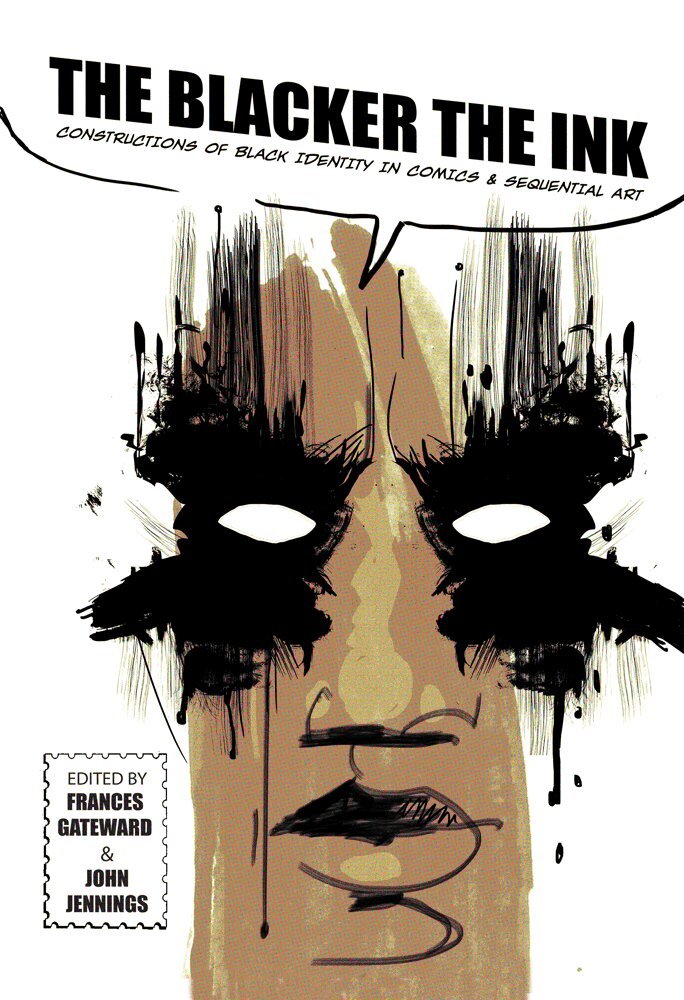
Winner of the 2016 Will Eisner Comic Industry Award for Best Academic/Scholarly WorkWinner of the 2016 Ray and Pat Browne Award for Best Edited Collection in Popular Culture and American Culture by the Popular Culture Association/American Culture AssociationWinner of the 2016 PEN Oakland-Josephine Miles Award for Excellence in LiteratureWhen many think of comic books the first thing that comes to mind are caped crusaders and spandex-wearing super-heroes. Perhaps, inevitably, these images are of white men (and more rarely, women). It was not until the 1970s that African American superheroes such as Luke Cage, Blade, and others emerged. But as this exciting new collection reveals, these superhero comics are only one small component in a wealth of representations of black characters within comic strips, comic books, and graphic novels over the past century. The Blacker the Ink is the first book to explore not only the diverse range of black characters in comics, but also the multitude of ways that black artists, writers, and publishers have made a mark on the industry. Organized thematically into “panels” in tribute to sequential art published in the funny pages of newspapers, the fifteen original essays take us on a journey that reaches from the African American newspaper comics of the 1930s to the Francophone graphic novels of the 2000s. Even as it demonstrates the wide spectrum of images of African Americans in comics and sequential art, the collection also identifies common character types and themes running through everything from the strip The Boondocks to the graphic novel Nat Turner. Though it does not shy away from examining the legacy of racial stereotypes in comics and racial biases in the industry, The Blacker the Ink also offers inspiring stories of trailblazing African American artists and writers. Whether you are a diehard comic book fan or a casual reader of the funny pages, these essays will give you a new appreciation for how black characters and creators have brought a vibrant splash of color to the world of comics.
1 523 kr
Skickas inom 5-8 vardagar
Winner of the 2016 Will Eisner Comic Industry Award for Best Academic/Scholarly WorkWinner of the 2016 Ray and Pat Browne Award for Best Edited Collection in Popular Culture and American Culture by the Popular Culture Association/American Culture AssociationWinner of the 2016 PEN Oakland-Josephine Miles Award for Excellence in LiteratureWhen many think of comic books the first thing that comes to mind are caped crusaders and spandex-wearing super-heroes. Perhaps, inevitably, these images are of white men (and more rarely, women). It was not until the 1970s that African American superheroes such as Luke Cage, Blade, and others emerged. But as this exciting new collection reveals, these superhero comics are only one small component in a wealth of representations of black characters within comic strips, comic books, and graphic novels over the past century. The Blacker the Ink is the first book to explore not only the diverse range of black characters in comics, but also the multitude of ways that black artists, writers, and publishers have made a mark on the industry. Organized thematically into “panels” in tribute to sequential art published in the funny pages of newspapers, the fifteen original essays take us on a journey that reaches from the African American newspaper comics of the 1930s to the Francophone graphic novels of the 2000s. Even as it demonstrates the wide spectrum of images of African Americans in comics and sequential art, the collection also identifies common character types and themes running through everything from the strip The Boondocks to the graphic novel Nat Turner. Though it does not shy away from examining the legacy of racial stereotypes in comics and racial biases in the industry, The Blacker the Ink also offers inspiring stories of trailblazing African American artists and writers. Whether you are a diehard comic book fan or a casual reader of the funny pages, these essays will give you a new appreciation for how black characters and creators have brought a vibrant splash of color to the world of comics.
316 kr
Skickas inom 10-15 vardagar
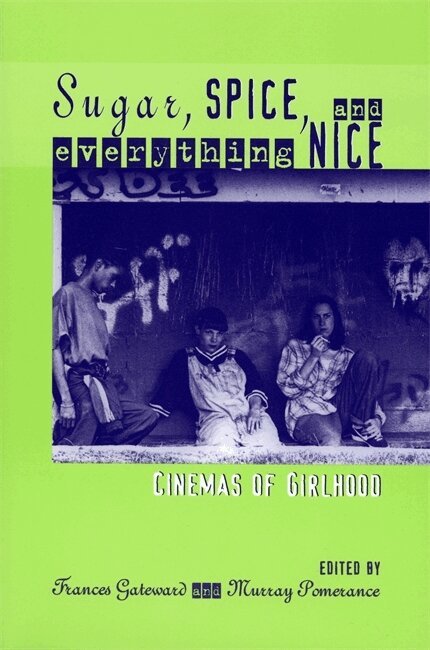
From ""The Wizard of Oz"" to ""Lolita"", from ""Heathers"" to ""Spice Girls - The Movie"", images of girlhood have been projected on the silver screen in myriad ways. Films have depicted society's problematic expectations of girls together with the dreams, anxieties and tensions experienced by girls themselves. In examining the construction of girlhood from many angles, this collection of essays attempts to capture the richness of meaning behind ""girl films"", but also explores the recent resurgence of youth-orientated cinema and the relationship of young female viewers to that medium. The 20 essays approach the construction of girlhood from a variety of perspectives, including reception, production, star images and textual analyses, while exploring such topics as star power, the Riot Grrrl movement, coming of age and loss of innocence. Among the characters given special attention are those in ""Gidget"", ""Crooklyn"", ""Titanic"", ""Freeway"" and ""Girls Town"". Written for general and academic readers, this work offers a livley discussion of gender in youth-orientated films.
392 kr
Skickas inom 10-15 vardagar
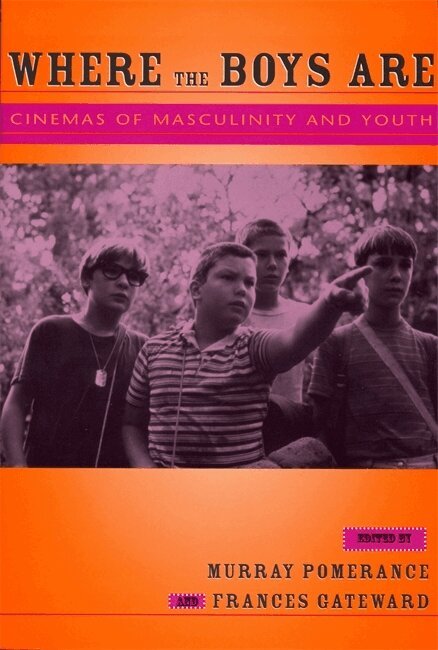
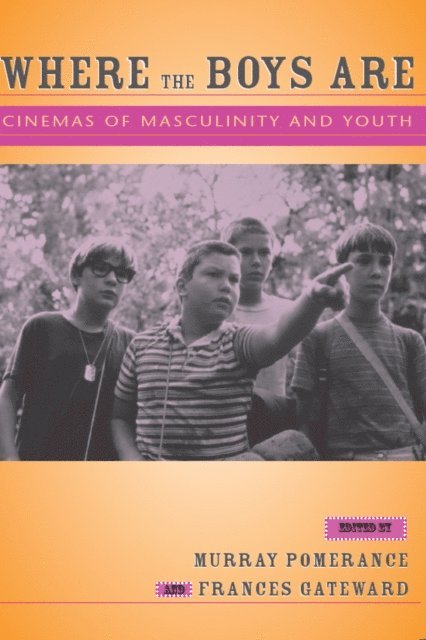
The development of young masculine sexuality is still a cultural taboo of sorts, and until now there has been little scholarship available that discusses aspects of boyhood and its relation to cinema - in particular, the process whereby masculinities are socially, historically, economically, aesthetically, and psychologically created in male coming-of-age as depicted onscreen. Where the Boys Are, Cinemas of Masculinity and youth scrutinizes a broad corpus of films about boyhood within a cross-genre, trans-historical, cross-cultural framework. Unlike the filmic investigations before it, this book is not restricted to examining boys as agents of violence, aggression, and withdrawal; or as routinely glossed agents of romance or victims of comedic ridicule. Where the Boys Are is divided into three sections: Archetypes and Facades includes essays that examine historically central typifications of boyhood, the most accessible categories for seeing and understanding boy characters; essays in Bonds and Beautifications analyze the ways boys establish images of themselves and identify with one another in affiliation or love; and essays in Struggles and Redefinitions explore the way boys are depicted in film as aligning themselves in relation to people, forces, ideas, and situations. Using the most current and diverse critical methods, Where the Boys Are is a crucial resource for film scholars and students at any level, and is also the perfect companion to Gateward and Pomerance's Sugar, Spice, and Everything Nice. Cinemas of Girlhood (Wayne State University Press, 2002).
331 kr
Skickas inom 7-10 vardagar
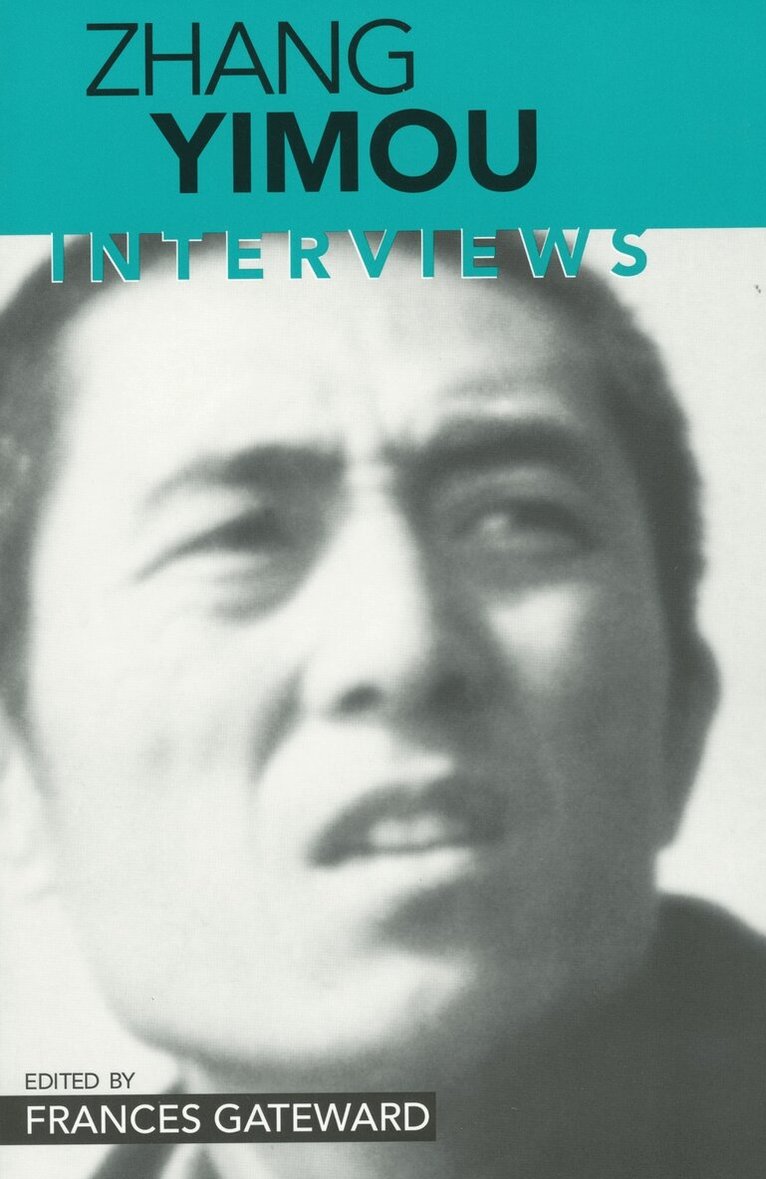
Ranging from 1988 to 1999, this book includes interviews with the acclaimed Chinese director of such films as Red Sorghum (1987), Shanghai Triad (1995), and Not One Less (1999) and the trilogy Ju Dou (1990), Raise the Red Lantern (1992), and The Story of Qiu Ju (1992). Several of these interviews appear in English for the first time. Some come from Chinese-language periodicals, and a few have never been published until now. In these conversations with such notable critics as Michel Ciment, Robert Sklar, and Tam Kwok-Kan, Zhang Yimou discusses all his films and speaks candidly about his work both as a cinematographer and an actor. Certain topics-the symbolism in his use of color, the use of women protagonists in most of his films, his working relationships with the Taiwanese filmmakers Hou Hsiao-Hsien and Edward Yang-emerge many times in the interviews. He shows strong interests in literature and film adaptations of texts. Zhang speaks too of his work with the actress Gong Li and of her roles in six of his films, most of which depict the role of a woman living in feudal patriarchal society. Zhang was one of the 1982 Beijing Film Academy graduates-the so-called Fifth Generation of filmmakers, who were the first generation of Chinese directors trained after the Cultural Revolution. He discusses the Academy's impact on him and his peers. He often mentions that many of his fellow graduates now work in television because the state did not deem their films successful. ""If a film does not recoup its costs in China,"" he told the New York Times in 2000, ""you're not going to make another one. And you're not going to make a film without attracting investors."" Using his art as a means of exploring oppression and its devastation of human relationships, Zhang talks openly about the effects of mainland China's codes of censorship on his work. He often bemoans his lack of access to films, especially international films, during his youth. As he discusses his filmmaking style and compares it to the current state of Chinese filmmaking, he is revealed as open and modest, yet deeply passionate about his art. Readers meeting him through these interviews will see him to be complex, serious, and as quietly unassuming as his movies.