Francisco Bethencourt - Böcker
Visar alla böcker från författaren Francisco Bethencourt. Handla med fri frakt och snabb leverans.
19 produkter
19 produkter
Del 179 - Proceedings of the British Academy
Racism and Ethnic Relations in the Portuguese-Speaking World
Inbunden, Engelska, 2012
1 054 kr
Skickas
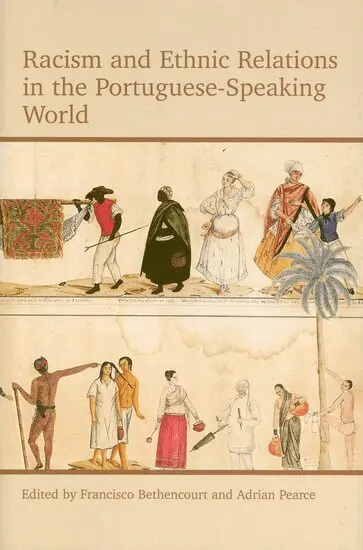
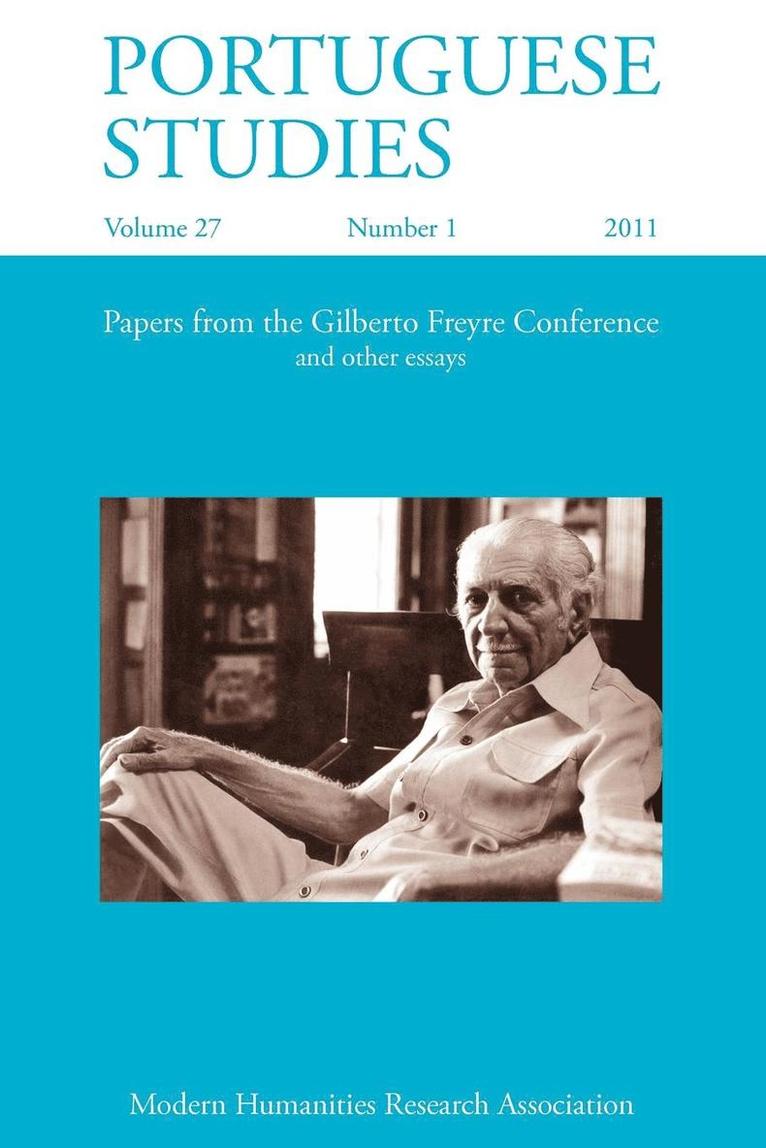
How did racism evolve in different parts of the Portuguese-speaking world? How should the impact on ethnic perceptions of colonial societies based on slavery or the slave trade be evaluated? What was the reality of inter-ethnic mixture in different continents? How has the prejudice of white supremacy been confronted in Brazil and Portugal? And how should we assess the impact of recent trends of emigration and immigration? These are some of the major questions that have structured this book. It both contextualises and challenges the visions of Gilberto Freyre and Charles Boxer, which crystallised from the 1930s to the 1960s, but which still frame the public history of this topic. It studies crucial issues, including recent affirmative action in Brazil or Afro-Brazilian literature, blackness in Brazil compared with Colombia under the dynamics of identity, recent racist trends in Portugal in comparative perspective, the status of native people in colonial Portuguese Africa, discrimination against forced Jewish converts to Christianity and their descendants in different historical contexts, the status of mixed-race people in Brazil and Angola compared over the longue durée, the interference of Europeans in East Timor's native marriage system, the historical policy of language in Brazil, or visual stereotypes and the proto-ethnographic gaze in early perceptions of East African peoples. The book covers the gamut of inter-ethnic experiences throughout the Portuguese-speaking world, from the sixteenth century to the present day, integrating contributions from history, sociology, social psychology, anthropology, literary, and cultural studies. It offers a radical updating of both empirical data and methodologies, and aims to contribute to current debates on racism and ethnic relations in global perspective.
526 kr
Skickas inom 7-10 vardagar
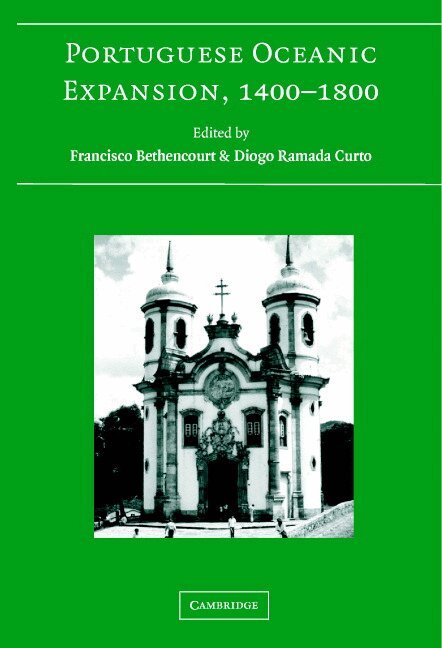
A unique overview of Portuguese oceanic expansion between 1400 and 1800, the essays in this volume treat a wide range of subjects - economy and society, politics and institutions, cultural configurations and comparative dimensions - and radically update data and interpretations on the economic and financial trends of the Portuguese Empire. Interregional networks are analysed in a substantial way. Patterns of settlement, political configurations, ecclesiastical structures, and local powers are put in global context. Language and literature, the arts, and science and technology are revisited with refreshing and innovative approaches. The interaction between Portuguese and local people is studied in different contexts, while the entire imperial and colonial culture of the Portuguese world is looked at synthetically for the first time. In short, this book provides a broad understanding of the Portuguese Empire in its first four centuries as a factor in world history and as a major component of European expansion.
422 kr
Tillfälligt slut
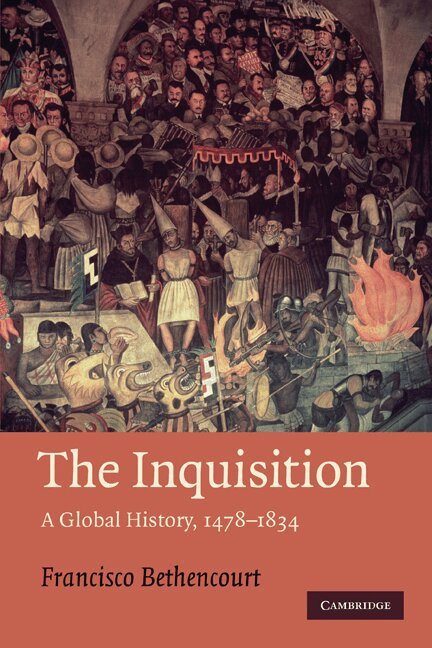
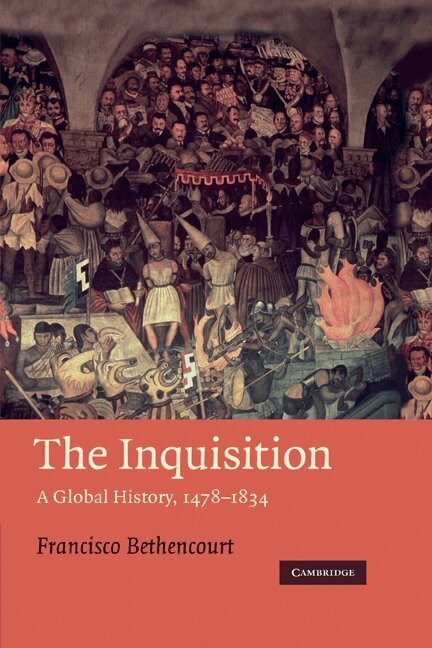
The Inquisition was the most powerful disciplinary institution in the early modern world, responsible for 300,000 trials and over 1.5 million denunciations. How did it root itself in different social and ethnic environments? Why did it last for three centuries? What cultural, social and political changes led to its abolition? In this first global comparative study, Francisco Bethencourt examines the Inquisition's activities in Spain, Italy, Portugal and overseas Iberian colonies. He demonstrates that the Inquisition played a crucial role in the Catholic Reformation, imposing its own members in papal elections, reshaping ecclesiastical hierarchy, defining orthodoxy, controlling information and knowledge, influencing politics and framing daily life. He challenges both traditionalist and revisionist perceptions of the tribunal. Bethencourt shows the Inquisition as an ever evolving body, eager to enlarge jurisdiction and obtain political support to implement its system of values, but also vulnerable to manipulation by rulers, cardinals, and local social elites.
1 442 kr
Skickas inom 7-10 vardagar
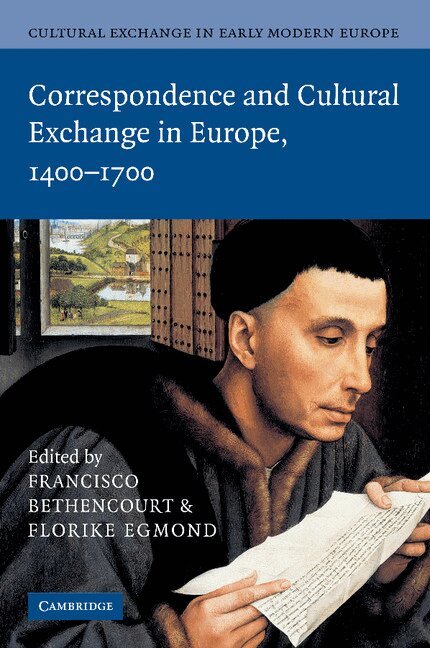
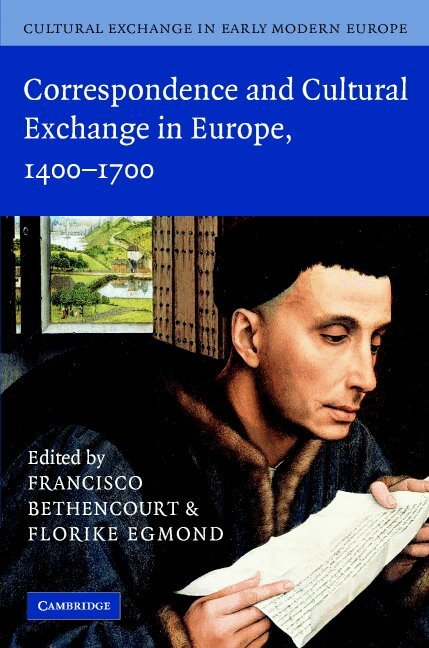
First published in 2007, this volume explores the importance of correspondence and communication to cultural exchanges in early modern Europe. Leading historians examine the correspondence of scholars, scientists, spies, merchants, politicians, artists, collectors, noblemen, artisans, and even illiterate peasants. Geographically the volume ranges across the whole of Europe, occasionally going beyond its confines to investigate exchanges between Europe and Asia or the New World. Above all, it studies the different networks of exchange in Europe and the various functions and meanings that correspondence had for members of different strata in European society during the early age of printing. This entails looking at different material supports from manuscripts and printed letters to newsletters and at different types of exchanges from the familial, scientific and artistic to political and professional correspondence. This is a ground-breaking reassessment of the status of information in early modern Europe and a major contribution to the field of information and communication.
943 kr
Skickas inom 7-10 vardagar
A unique overview of Portuguese oceanic expansion between 1400 and 1800, the essays in this volume treat a wide range of subjects - economy and society, politics and institutions, cultural configurations and comparative dimensions - and radically update data and interpretations on the economic and financial trends of the Portuguese Empire. Interregional networks are analysed in a substantial way. Patterns of settlement, political configurations, ecclesiastical structures, and local powers are put in global context. Language and literature, the arts, and science and technology are revisited with refreshing and innovative approaches. The interaction between Portuguese and local people is studied in different contexts, while the entire imperial and colonial culture of the Portuguese world is looked at synthetically for the first time. In short, this book provides a broad understanding of the Portuguese Empire in its first four centuries as a factor in world history and as a major component of European expansion.
1 038 kr
Skickas inom 7-10 vardagar
The Inquisition was the most powerful disciplinary institution in the early modern world, responsible for 300,000 trials and over 1.5 million denunciations. How did it root itself in different social and ethnic environments? Why did it last for three centuries? What cultural, social and political changes led to its abolition? In this first global comparative study, Francisco Bethencourt examines the Inquisition's activities in Spain, Italy, Portugal and overseas Iberian colonies. He demonstrates that the Inquisition played a crucial role in the Catholic Reformation, imposing its own members in papal elections, reshaping ecclesiastical hierarchy, defining orthodoxy, controlling information and knowledge, influencing politics and framing daily life. He challenges both traditionalist and revisionist perceptions of the tribunal. Bethencourt shows the Inquisition as an ever evolving body, eager to enlarge jurisdiction and obtain political support to implement its system of values, but also vulnerable to manipulation by rulers, cardinals, and local social elites.
388 kr
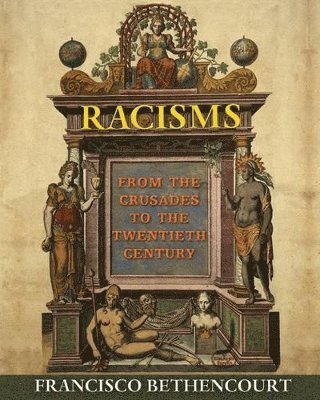
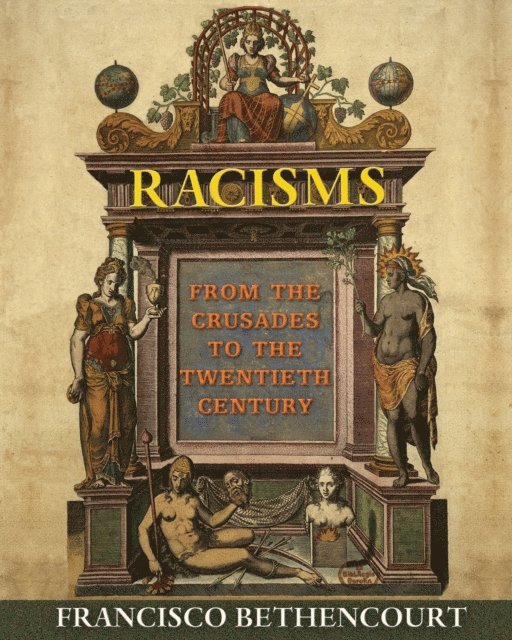
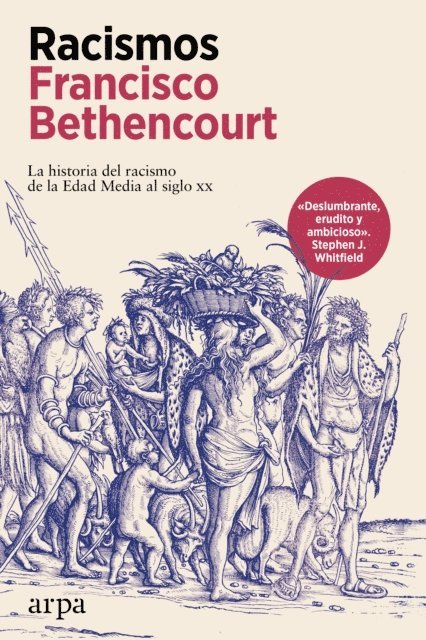
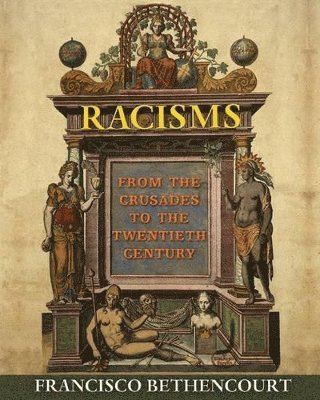
Racisms is the first comprehensive history of racism, from the Crusades to the twentieth century. Demonstrating that there is not one continuous tradition of racism, Francisco Bethencourt shows that racism preceded any theories of race and must be viewed within the prism and context of social hierarchies and local conditions. In this richly illustrated book, Bethencourt argues that in its various aspects, all racism has been triggered by political projects monopolizing specific economic and social resources. Racisms focuses on the Western world, but opens comparative views on ethnic discrimination and segregation in Asia and Africa. Bethencourt looks at different forms of racism, and explores instances of enslavement, forced migration, and ethnic cleansing, while analyzing how practices of discrimination and segregation were defended. This is a major interdisciplinary work that moves away from ideas of linear or innate racism and recasts our understanding of interethnic relations.
363 kr
Skickas inom 7-10 vardagar
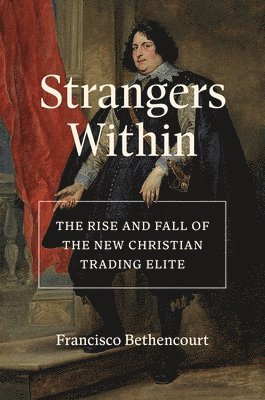
A comprehensive study of the New Christian elite of Jewish origin—prominent traders, merchants, bankers and men of letters—between the fifteenth and eighteenth centuriesIn Strangers Within, Francisco Bethencourt provides the first comprehensive history of New Christians, the descendants of Jews forced to convert to Catholicism in late medieval Spain and Portugal. Bethencourt estimates that there were around 260,000 New Christians by 1500—more than half of Iberia’s urban population. The majority stayed in Iberia but a significant number moved throughout Europe, Africa, the Middle East, coastal Asia and the New World. They established Sephardic communities in North Africa, the Ottoman Empire, Italy, Amsterdam, Hamburg and London. Bethencourt focuses on the elite of bankers, financiers and merchants from the fifteenth to the eighteenth centuries and the crucial role of this group in global trade and financial services. He analyses their impact on religion (for example, Teresa de Ávila), legal and political thought (Las Casas), science (Amatus Lusitanus), philosophy (Spinoza) and literature (Enríquez Gomez).Drawing on groundbreaking research in eighteen archives and library manuscript departments in six different countries, Bethencourt argues that the liminal position in which the New Christians found themselves explains their rise, economic prowess and cultural innovation. The New Christians created the first coherent legal case against the discrimination of a minority singled out for systematic judicial inquiry. Cumulative inquisitorial prosecution, coupled with structural changes in international trade, led to their decline and disappearance as a recognizable ethnicity by the mid-eighteenth century. Strangers Within tells an epic story of persecution, resistance and the making of Iberia through the oppression of one of the most powerful minorities in world history. Packed with genealogical information about families, their intercontinental networks, their power and their suffering, it is a landmark study.
244 kr
Skickas inom 7-10 vardagar
A comprehensive study of the New Christian elite of Jewish origin—prominent traders, merchants, bankers and men of letters—between the fifteenth and eighteenth centuriesIn Strangers Within, Francisco Bethencourt provides the first comprehensive history of New Christians, the descendants of Jews forced to convert to Catholicism in late medieval Spain and Portugal. Bethencourt estimates that there were around 260,000 New Christians by 1500—more than half of Iberia’s urban population. The majority stayed in Iberia but a significant number moved throughout Europe, Africa, the Middle East, coastal Asia and the New World. They established Sephardic communities in North Africa, the Ottoman Empire, Italy, Amsterdam, Hamburg and London. Bethencourt focuses on the elite of bankers, financiers and merchants from the fifteenth to the eighteenth centuries and the crucial role of this group in global trade and financial services. He analyses their impact on religion (for example, Teresa de Ávila), legal and political thought (Las Casas), science (Amatus Lusitanus), philosophy (Spinoza) and literature (Enríquez Gomez).Drawing on groundbreaking research in eighteen archives and library manuscript departments in six different countries, Bethencourt argues that the liminal position in which the New Christians found themselves explains their rise, economic prowess and cultural innovation. The New Christians created the first coherent legal case against the discrimination of a minority singled out for systematic judicial inquiry. Cumulative inquisitorial prosecution, coupled with structural changes in international trade, led to their decline and disappearance as a recognizable ethnicity by the mid-eighteenth century. Strangers Within tells an epic story of persecution, resistance and the making of Iberia through the oppression of one of the most powerful minorities in world history. Packed with genealogical information about families, their intercontinental networks, their power and their suffering, it is a landmark study.
645 kr
Skickas inom 7-10 vardagar
First published in 2007, this volume explores the importance of correspondence and communication to cultural exchanges in early modern Europe. Leading historians examine the correspondence of scholars, scientists, spies, merchants, politicians, artists, collectors, noblemen, artisans, and even illiterate peasants. Geographically the volume ranges across the whole of Europe, occasionally going beyond its confines to investigate exchanges between Europe and Asia or the New World. Above all, it studies the different networks of exchange in Europe and the various functions and meanings that correspondence had for members of different strata in European society during the early age of printing. This entails looking at different material supports from manuscripts and printed letters to newsletters and at different types of exchanges from the familial, scientific and artistic to political and professional correspondence. This is a ground-breaking reassessment of the status of information in early modern Europe and a major contribution to the field of information and communication.
454 kr
Skickas inom 5-8 vardagar
525 kr
Skickas inom 5-8 vardagar
1 761 kr
Skickas inom 7-10 vardagar
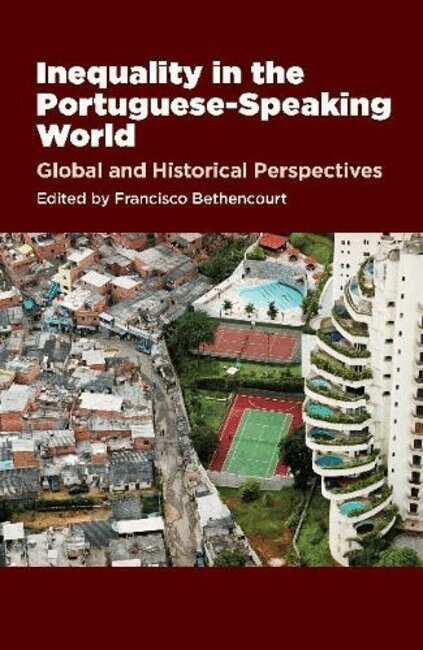
Global social inequality has declined over the past 100 years and the gap between different parts of the world, measured by average lifespan, has narrowed. The internal gap between wealthy and poor in the western world has likewise reduced, from the 1930s to the 1970s, although not in a linear way. The 1980s represented a turning point in developed countries, as the top 0.1% of income earners accumulated extraordinary riches. This new trend did not subside with the financial crisis of 2008, but expanded to less developed areas of the world; indeed, long-term significant reduction of poverty is now considered vulnerable. Inequality of income and its associated impacts has triggered a passionate debate between those who maintain that an unequal accumulation of richness is crucial for economic and social progress and those who believe that it does not encourage investment and that it prevents increased demand, thus negatively affecting the economy. This contributed volume sets out to study social inequality in Portuguese-speaking countries, thus providing diversification of experience across different continents. The purpose is to identify major economic, historical and cultural developments in terms of education, health, life-cycle, gender, ethnic, and religious relations. The current realities of migration are also addressed, since they raise the issue of ethnic integration. This is the first published work to address inequality in a cross-continent yet same language perspective, and presents a striking advance in the global study of inequality.
507 kr
Skickas inom 5-8 vardagar
461 kr
Skickas inom 5-8 vardagar
461 kr
Skickas inom 5-8 vardagar
Del 4 - Reconfiguring Identities in the Portuguese-speaking World
Utopia in Portugal, Brazil and Lusophone African Countries
Häftad, Engelska, 2015
974 kr
Skickas inom 5-8 vardagar
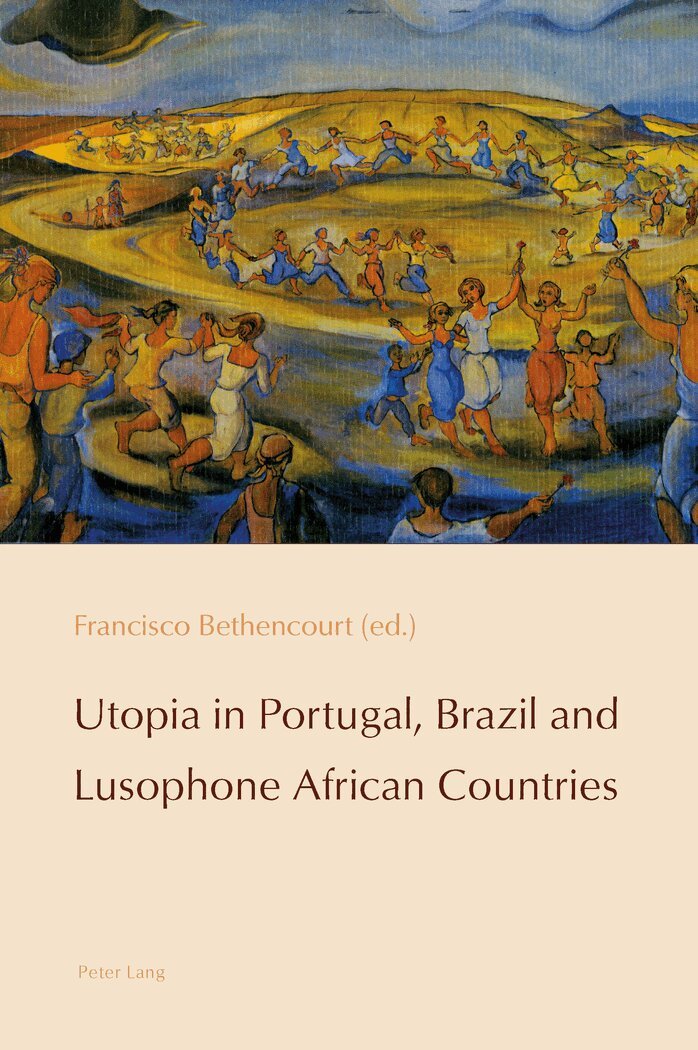
This book studies the history, literature and culture of Portuguese-speaking countries through the lens of utopia. The role of utopia in Portuguese literature is the object of fresh analyses ranging from Camões to Gonçalo M. Tavares, and António Vieira to José Saramago. The chapters on Angola and Mozambique show how national identity received a major boost through utopian literature – Pepetela is the anchor in the former case, while dance is used as a crucial metaphor to reveal the tension between the colonial and postcolonial gaze in the latter case. The visions of paradise in Tupi tradition and missionary doctrine inform the approach to Brazil, developed by the study of the utopian dimension of the revolts of Canudos and Contestado. Regional contrasts and the quest for Brazilian national identity underlie the chapter on the cinema of Glauber Rocha and Walter Salles. These political and cultural acts can be compared to the strange case of Sebastianism in Portugal, here studied across four centuries of adaptation and transformation. Anarchist, Communist and Catholic political projects are analysed in the context of the early twentieth century to complete this evaluation of the uses and effects of utopian visions in these countries.
Del 27 - European Expansion and Indigenous Response
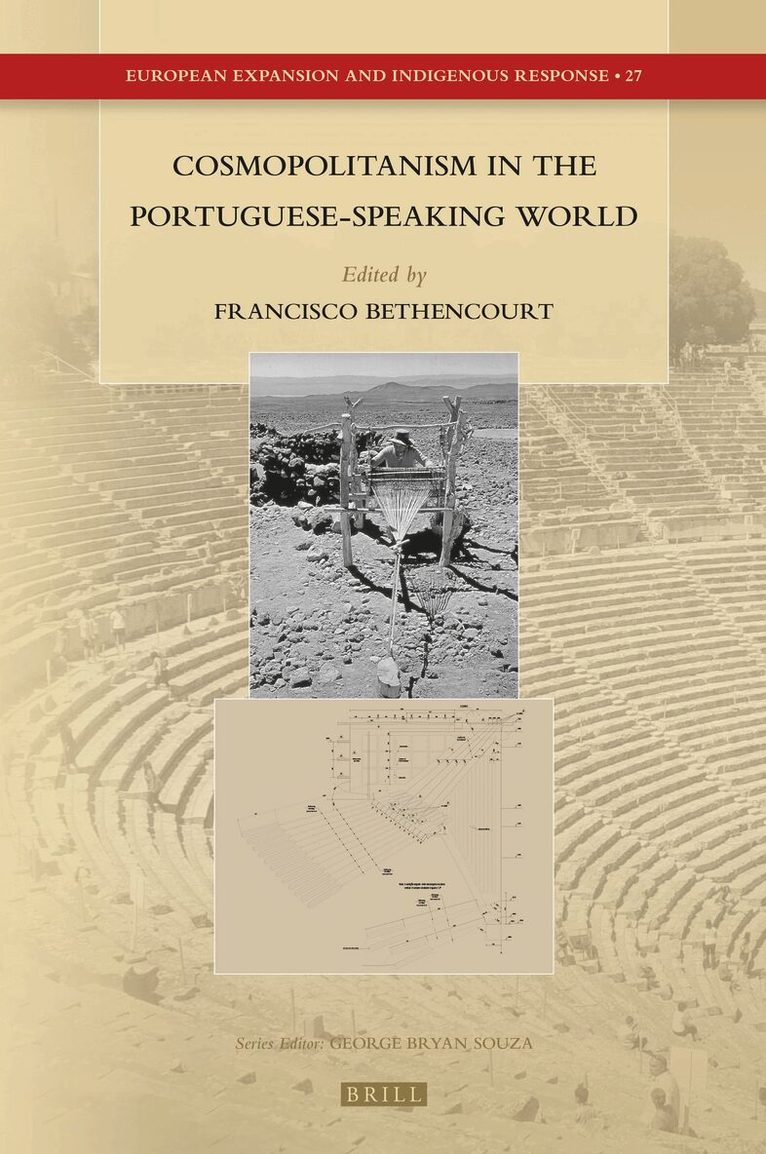
Cosmopolitanism in the Portuguese-Speaking World
Inbunden, Engelska, 2017
2 248 kr
Skickas inom 5-8 vardagar
This book addresses different dimensions of cosmopolitanism in the Portuguese-speaking world which have caused much debate, such as migration and globalisation. The volume includes contributions from leading specialists in History, Musicology, Literary Studies, Anthropology and Political Sciences. It focuses on specific processes in Brazil, Portugal, West Africa, Angola, and other parts of the world, from the sixteenth century to the present. Central topics are intercontinental trading elites, the cultural impact of forced and voluntary migration, the republic of letters, the possibilities created by freemasonry and liberalism, the adaptation of the Azorean Holy Ghost Feast to the United States, international links of conservative politicians, the international projection of the new Angolan elite, architecture and urban planning. Contributors are: Vanda Anastácio, Cátia Antunes, Paulo Arruda, Francisco Bethencourt, Toby Green, Philip J. Havik, David R. M. Irving, João Leal, Giovanni Leoni, Ricardo Soares de Oliveira, António Costa Pinto, and Phillip Rothwell.
Del 33 - European Expansion and Indigenous Response
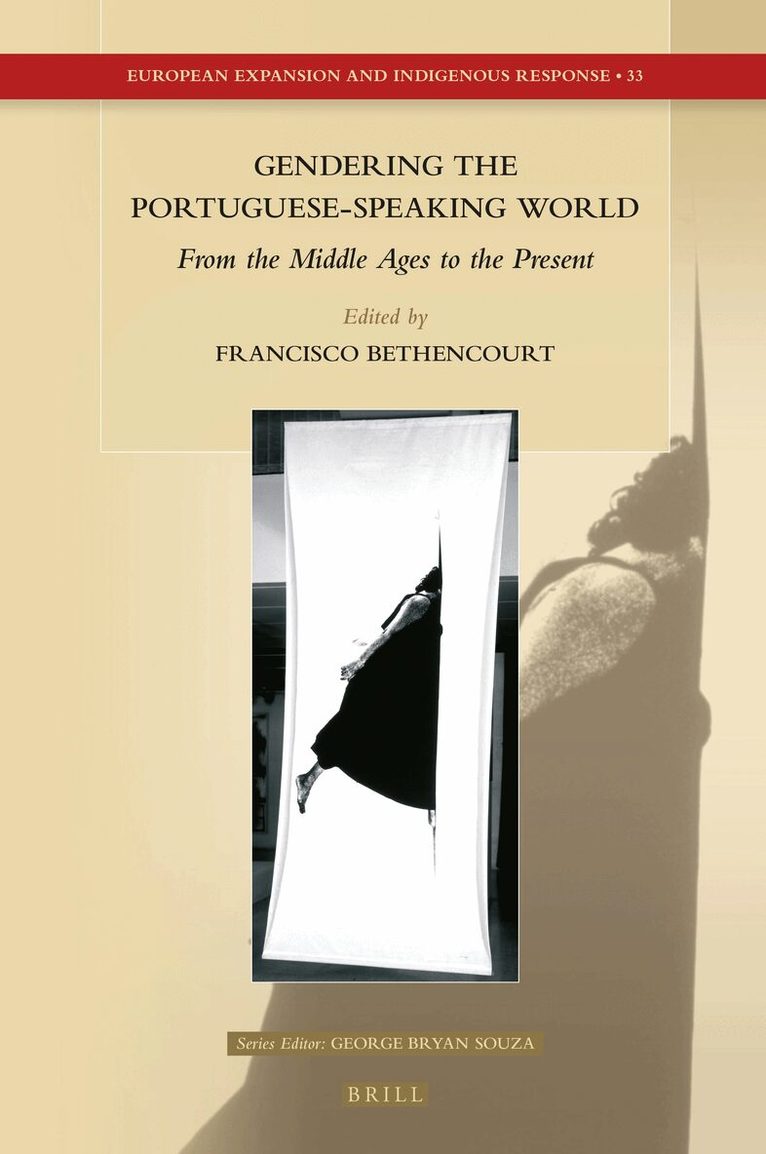
Gendering the Portuguese-Speaking World
From the Middle Ages to the Present
Inbunden, Engelska, 2021
1 861 kr
Skickas inom 5-8 vardagar
This book explores the significance of gender in shaping the Portuguese-speaking world from the Middle Ages to the present. Sixteen scholars from disciplines including history, sociology, anthropology, linguistics, literature and cultural studies analyse different configurations and literary representations of women's rights and patriarchal constraints. Unstable constructions of masculinity, femininity, queer, homosexual, bisexual, and transgender identities and behaviours are placed in historical context. The volume pioneers in gendering the Portuguese expansion in Africa, Asia, and the New World and pays particular attention to an inclusive account of indigenous agencies. Contributors are: Darlene Abreu-Ferreira, Vanda Anastácio, Francisco Bethencourt, Dorothée Boulanger, Rosa Maria dos Santos Capelão, Maria Judite Mário Chipenembe, Gily Coene, Philip J. Havik, Ben James, Anna M. Klobucka, Chia Longman, Amélia Polónia, Ana Maria S. A. Rodrigues, Isabel dos Guimarães Sá, Ana Cristina Santos, and João Paulo Silvestre.