Diogo Ramada Curto – författare
Visar alla böcker från författaren Diogo Ramada Curto. Handla med fri frakt och snabb leverans.
6 produkter
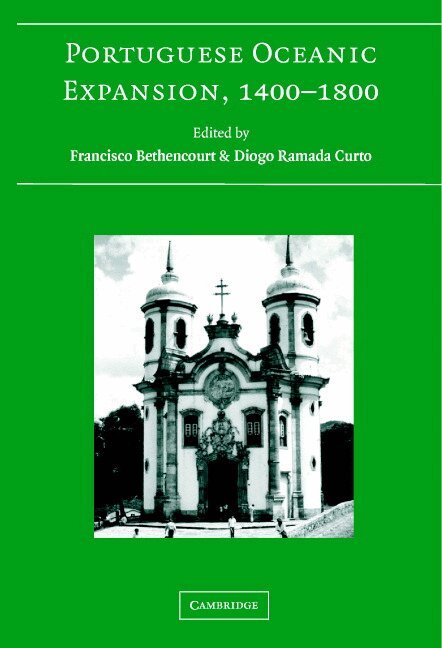
Portuguese Oceanic Expansion, 1400-1800
Av Francisco Bethencourt, Diogo Ramada Curto
Häftad, 2007
720 kr
Lägg i varukorg
A unique overview of Portuguese oceanic expansion between 1400 and 1800, the essays in this volume treat a wide range of subjects - economy and society, politics and institutions, cultural configurations and comparative dimensions - and radically update data and interpretations on the economic and …
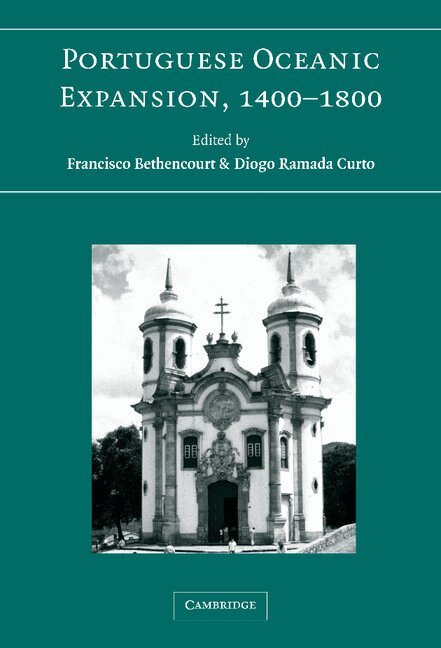
Portuguese Oceanic Expansion, 1400-1800
Av Francisco Bethencourt, Diogo Ramada Curto
Inbunden, 2007
1224 kr
Lägg i varukorg
A unique overview of Portuguese oceanic expansion between 1400 and 1800, the essays in this volume treat a wide range of subjects - economy and society, politics and institutions, cultural configurations and comparative dimensions - and radically update data and interpretations on the economic and …
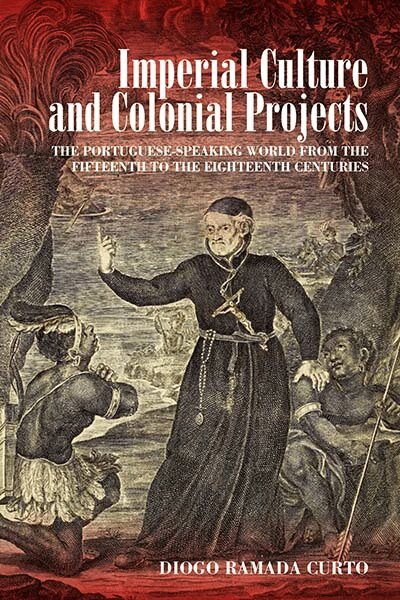
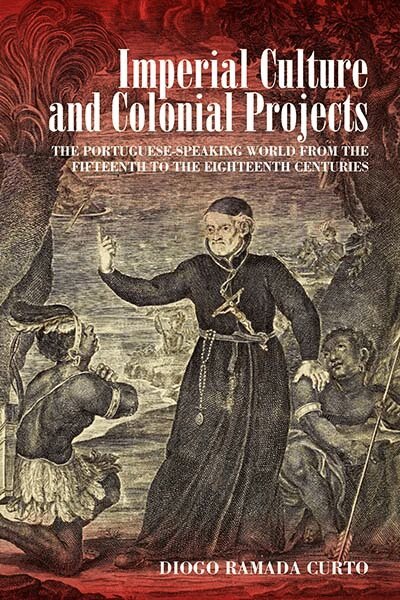
Imperial Culture and Colonial Projects
The Portuguese-Speaking World from the Fifteenth to the Eighteenth Centuries
Inbunden, 2020
2621 kr
Lägg i varukorg
Beyond the immeasurable political and economic changes it brought, colonial expansion exerted a powerful effect on Portuguese culture. And as this book demonstrates, the imperial culture that emerged over the course of four centuries was hardly a homogeneous whole, as triumphalist literature and …
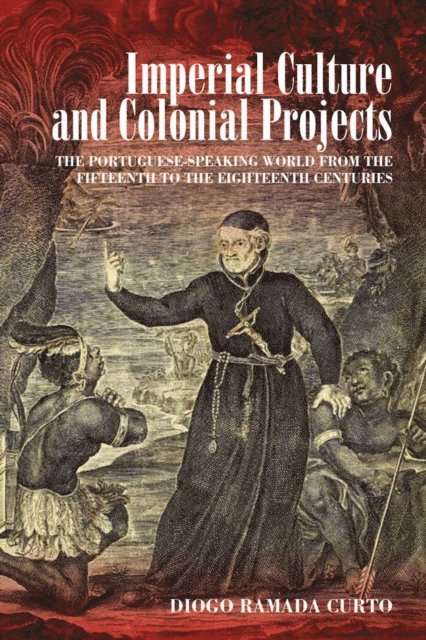
Imperial Culture and Colonial Projects
The Portuguese-Speaking World from the Fifteenth to the Eighteenth Centuries
E-bok, 2020
402 kr
Lägg i varukorg
Beyond the immeasurable political and economic changes it brought, colonial expansion exerted a powerful effect on Portuguese culture. And as this book demonstrates, the imperial culture that emerged over the course of four centuries was hardly a homogeneous whole, as triumphalist literature and …
Imperial Culture and Colonial Projects
The Portuguese-Speaking World from the Fifteenth to the Eighteenth Centuries
Häftad, 2026
510 kr
Kommande
Beyond the immeasurable political and economic changes it brought, colonial expansion exerted a powerful effect on Portuguese culture. And as this book demonstrates, the imperial culture that emerged over the course of four centuries was hardly a homogeneous whole, as triumphalist literature and …
Finding Europe
Discourses on Margins, Communities, Images
Av Anthony Molho, Diogo Ramada Curto
Inbunden, 2007
2186 kr
Lägg i varukorg
In the last decade or so, many books have been devoted to the history of Europe.Two conceptual axes predominate in a large number of these accounts: a discourse focusing on Europe’s values, and another discourse, fashioned largely in opposition to the first, which emphasizes the process of European …