Fraser Hunter - Böcker
Visar alla böcker från författaren Fraser Hunter. Handla med fri frakt och snabb leverans.
5 produkter
5 produkter
247 kr
Skickas
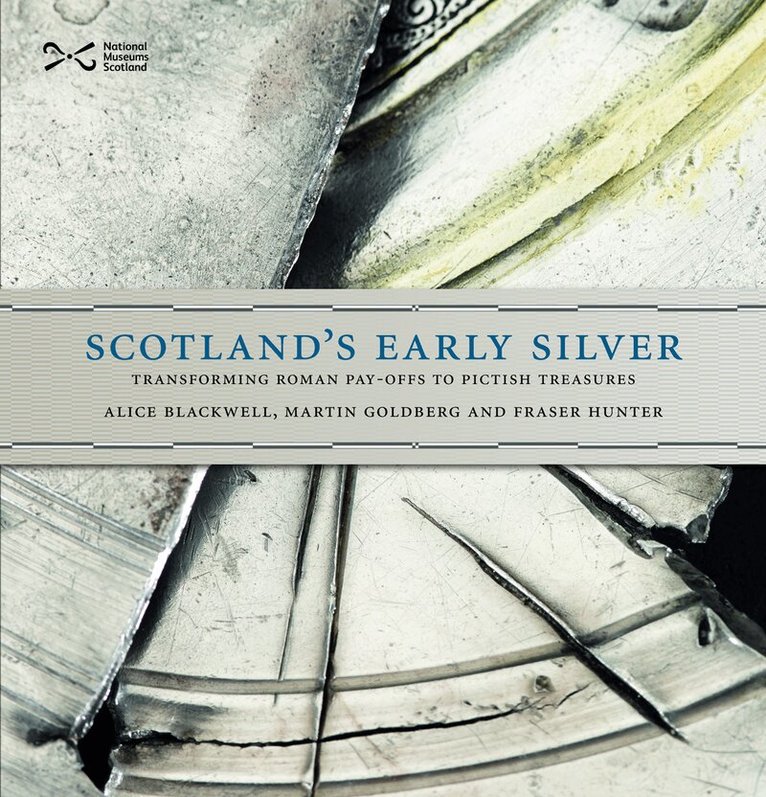
The breadth of National Museums Scotland's collections, together with the support of The Glenmorangie Company, puts National Museums in a unique position to reveal the role of silver in the development of the first kingdoms of Scotland. It was silver, not gold, which was the most important and powerful precious metal in Scotland for over six hundred years and, as well as showcasing beautiful objects, the book builds on the Glenmorangie Research Project to gives fresh insights into this formative period of Scottish history. Based on the exhibition Scotland's Early Silver which was at the National Museum of Scotland and is now on tour.
1 084 kr
Skickas
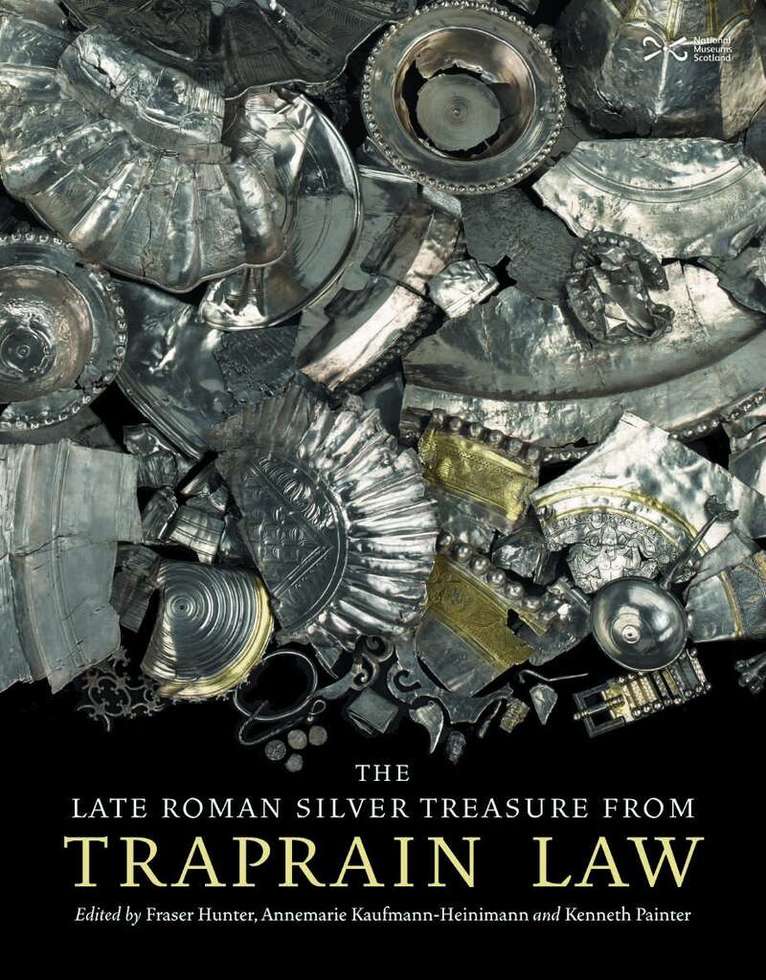
Excavated from Traprain Law, East Lothian, Scotland, in May 1919, was one of the most spectacular discoveries of Roman silver ever made in Europe - and the biggest hoard of `hacksilver': 23kg, battered, crushed and chopped up. Blame for the destruction has hitherto been laid at the door of `barbarians' but this study changes that view. An international team of scholars has reviewed the hoard's origins and manufacture, its use as elite tableware, its hacking and later reuse. A century of new discoveries and ideas allow fresh conclusions, especially about the hacking. With wide-ranging parallels from across Europe, the authors argue that hacking was a deliberate Roman policy to create bullion at times of economic crisis, turning valued vessels into weights of silver to be used in frontier politics, to pay off groups from beyond the empire, or hire them as mercenaries.
Del 146 - RGZM/LEIZA - Monographien
carnyx in Iron Age Europe: the Deskford carnyx in its European context
2 Bände
Inbunden, Engelska, 2019
1 257 kr
Skickas inom 5-8 vardagar
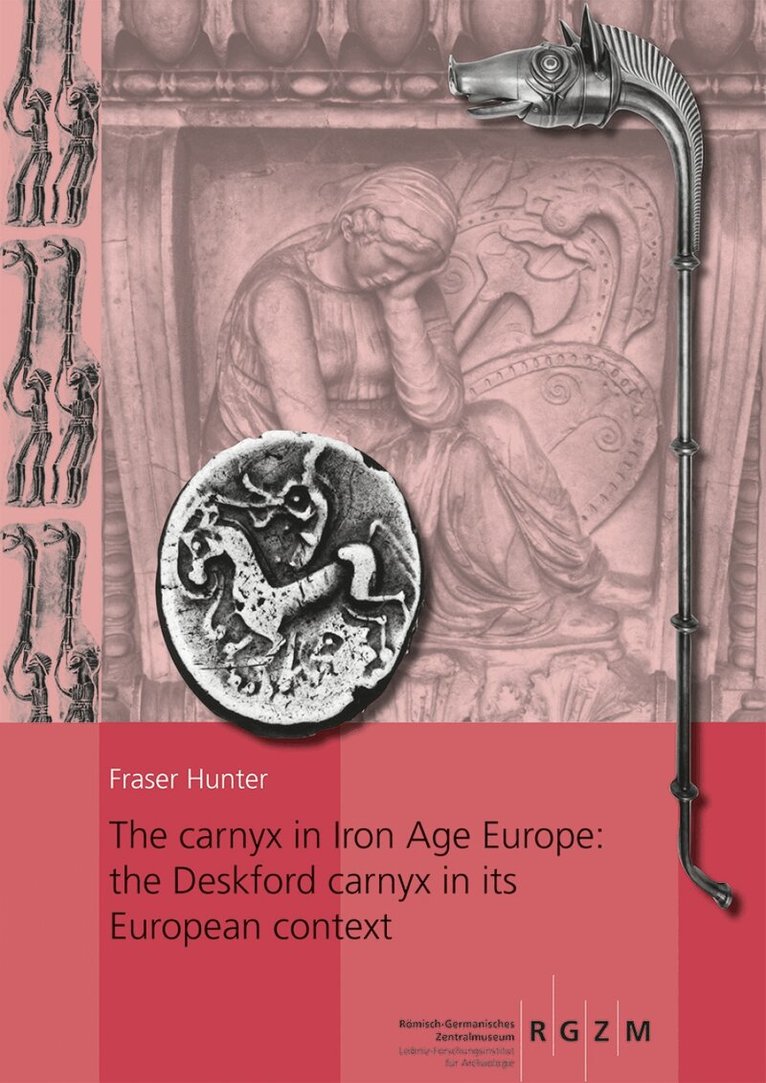
The carnyx, an animal-headed bronze horn, once echoed across Iron Age Europe. Now, after centuries of silence, this book presents a full picture of this dramatic instrument. It considers the rare surviving fragments, with a detailed study of the Deskford carnyx from north-east Scotland, alongside depictions from Iron Age and Classical art. The carnyx is studied here in the context of musical instruments, metalworking technology, Celtic art styles, hoards and sacrificial offerings, Iron Age connections across Europe, and how the Greeks and Romans used material culture to depict “barbarians” in triumphal art. Research shifts from details of a single carnyx to a European scale in order to obtain a rounded picture of this striking instrument. Often called Celtic, the carnyx was far more than this. This study questions how useful such broad terms are, and shows the instrument’s spread to other cultural groupings – German, Dacian, and as far away as India.
Silver Beyond Empire
The transition between late Roman and early medieval Europe
Häftad, Engelska, 2026
2 126 kr
Skickas inom 11-20 vardagar
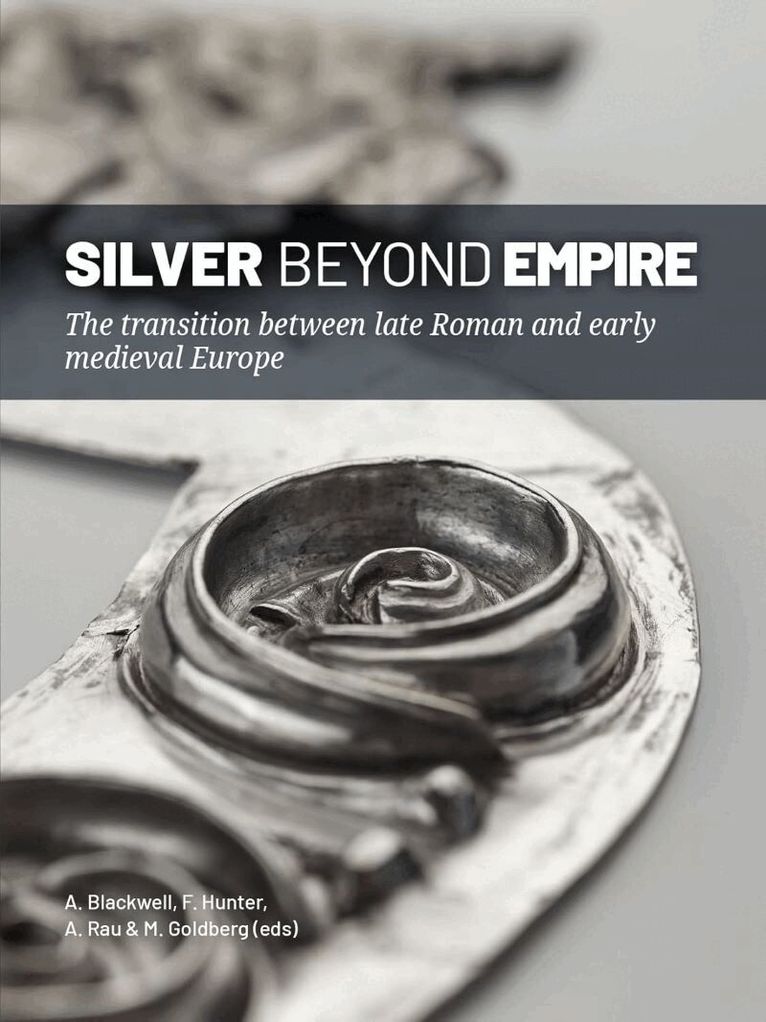
Power and prestige in Europe during the first millennium AD were predominantly expressed in two portable materials: silver and gold. These precious metals underpinned the emergence of early Medieval kingdoms in Europe by providing the raw materials for objects that were used to create, contest and reflect status within and between societies. They also provide a key source of evidence for understanding reactions to the political vacuum caused by the disintegration of the Roman Empire and the emergence of the early Medieval kingdoms of Europe.While parts of temperate Europe favoured gold, silver was the most important precious metal in northern Britain for over 700 years (c.200–900). Silver was introduced to Scotland by Rome (via subsidies, military pay, diplomacy and loot), first as denarii and later as hacksilver, and rapidly became a vital means of expressing power and prestige in the lands beyond this frontier. Indeed, silver’s Imperial connotations may have been a key part of its attraction. The supply of silver declined with the diminishing influence of the western Roman Empire and this dwindling resource needed to be carefully managed and recycled by early Medieval societies.Together National Museums Scotland and Leibniz-Zentrum für Archäologie created an international research network of specialists working on silver from the 4th–6th centuries with a focus on the North Sea region. This volume of papers results from meetings of the network in Edinburgh and Schleswig that explored the role of silver in the crucial transition from the late Roman Empire, with barbaricum beyond its frontiers, to early Medieval Europe and the peoples and polities that many modern European nations trace their origins back to. It aims to provide the first comparative, international and cross-disciplinary study of this powerful and valuable material during a pivotal period in Europe’s history. It also provides the first full catalogues of a number of important but poorly understood hacksilver hoards from the UK: Norrie’s Law (Fife), Gaulcross (Aberdeenshire), Tummel Bridge (Perthshire) and Patching (Sussex).
Silver Beyond Empire
The transition between late Roman and early medieval Europe
Inbunden, Engelska, 2026
3 281 kr
Skickas inom 11-20 vardagar
Power and prestige in Europe during the first millennium AD were predominantly expressed in two portable materials: silver and gold. These precious metals underpinned the emergence of early Medieval kingdoms in Europe by providing the raw materials for objects that were used to create, contest and reflect status within and between societies. They also provide a key source of evidence for understanding reactions to the political vacuum caused by the disintegration of the Roman Empire and the emergence of the early Medieval kingdoms of Europe.While parts of temperate Europe favoured gold, silver was the most important precious metal in northern Britain for over 700 years (c.200–900). Silver was introduced to Scotland by Rome (via subsidies, military pay, diplomacy and loot), first as denarii and later as hacksilver, and rapidly became a vital means of expressing power and prestige in the lands beyond this frontier. Indeed, silver’s Imperial connotations may have been a key part of its attraction. The supply of silver declined with the diminishing influence of the western Roman Empire and this dwindling resource needed to be carefully managed and recycled by early Medieval societies.Together National Museums Scotland and Leibniz-Zentrum für Archäologie created an international research network of specialists working on silver from the 4th–6th centuries with a focus on the North Sea region. This volume of papers results from meetings of the network in Edinburgh and Schleswig that explored the role of silver in the crucial transition from the late Roman Empire, with barbaricum beyond its frontiers, to early Medieval Europe and the peoples and polities that many modern European nations trace their origins back to. It aims to provide the first comparative, international and cross-disciplinary study of this powerful and valuable material during a pivotal period in Europe’s history. It also provides the first full catalogues of a number of important but poorly understood hacksilver hoards from the UK: Norrie’s Law (Fife), Gaulcross (Aberdeenshire), Tummel Bridge (Perthshire) and Patching (Sussex).