Alice Blackwell - Böcker
Visar alla böcker från författaren Alice Blackwell. Handla med fri frakt och snabb leverans.
3 produkter
3 produkter
247 kr
Skickas
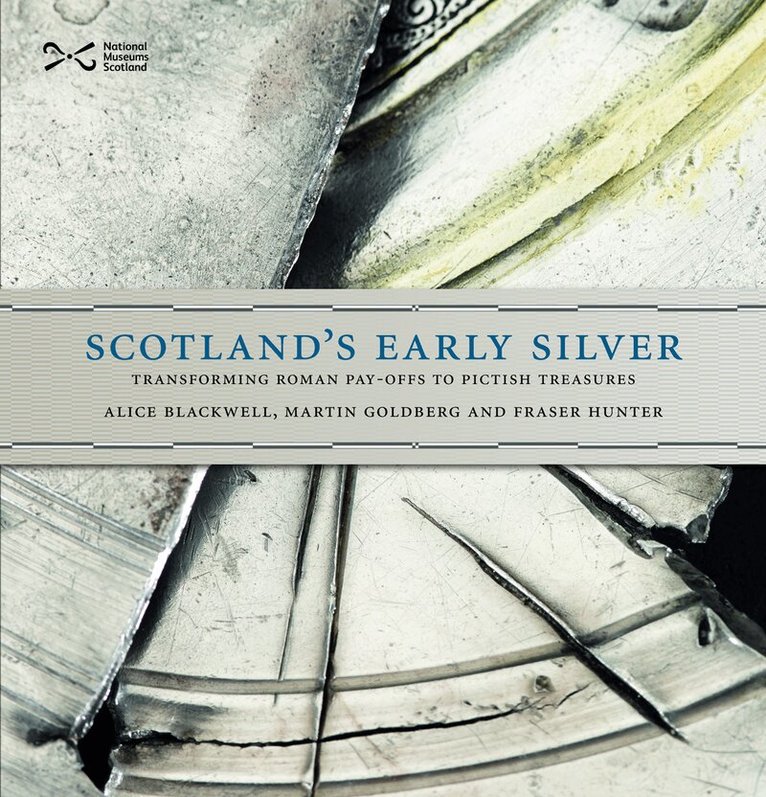
The breadth of National Museums Scotland's collections, together with the support of The Glenmorangie Company, puts National Museums in a unique position to reveal the role of silver in the development of the first kingdoms of Scotland. It was silver, not gold, which was the most important and powerful precious metal in Scotland for over six hundred years and, as well as showcasing beautiful objects, the book builds on the Glenmorangie Research Project to gives fresh insights into this formative period of Scottish history. Based on the exhibition Scotland's Early Silver which was at the National Museum of Scotland and is now on tour.
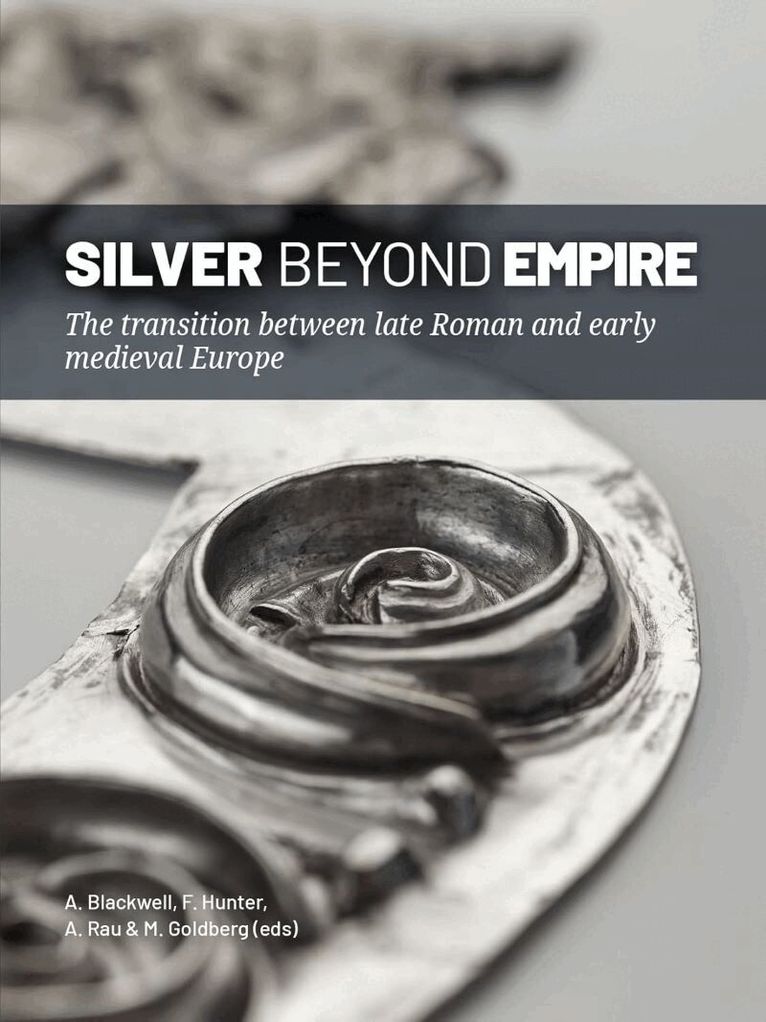
Silver Beyond Empire
The transition between late Roman and early medieval Europe
Häftad, Engelska, 2026
2 126 kr
Skickas inom 11-20 vardagar
Power and prestige in Europe during the first millennium AD were predominantly expressed in two portable materials: silver and gold. These precious metals underpinned the emergence of early Medieval kingdoms in Europe by providing the raw materials for objects that were used to create, contest and reflect status within and between societies. They also provide a key source of evidence for understanding reactions to the political vacuum caused by the disintegration of the Roman Empire and the emergence of the early Medieval kingdoms of Europe.While parts of temperate Europe favoured gold, silver was the most important precious metal in northern Britain for over 700 years (c.200–900). Silver was introduced to Scotland by Rome (via subsidies, military pay, diplomacy and loot), first as denarii and later as hacksilver, and rapidly became a vital means of expressing power and prestige in the lands beyond this frontier. Indeed, silver’s Imperial connotations may have been a key part of its attraction. The supply of silver declined with the diminishing influence of the western Roman Empire and this dwindling resource needed to be carefully managed and recycled by early Medieval societies.Together National Museums Scotland and Leibniz-Zentrum für Archäologie created an international research network of specialists working on silver from the 4th–6th centuries with a focus on the North Sea region. This volume of papers results from meetings of the network in Edinburgh and Schleswig that explored the role of silver in the crucial transition from the late Roman Empire, with barbaricum beyond its frontiers, to early Medieval Europe and the peoples and polities that many modern European nations trace their origins back to. It aims to provide the first comparative, international and cross-disciplinary study of this powerful and valuable material during a pivotal period in Europe’s history. It also provides the first full catalogues of a number of important but poorly understood hacksilver hoards from the UK: Norrie’s Law (Fife), Gaulcross (Aberdeenshire), Tummel Bridge (Perthshire) and Patching (Sussex).
Silver Beyond Empire
The transition between late Roman and early medieval Europe
Inbunden, Engelska, 2026
3 281 kr
Skickas inom 11-20 vardagar
Power and prestige in Europe during the first millennium AD were predominantly expressed in two portable materials: silver and gold. These precious metals underpinned the emergence of early Medieval kingdoms in Europe by providing the raw materials for objects that were used to create, contest and reflect status within and between societies. They also provide a key source of evidence for understanding reactions to the political vacuum caused by the disintegration of the Roman Empire and the emergence of the early Medieval kingdoms of Europe.While parts of temperate Europe favoured gold, silver was the most important precious metal in northern Britain for over 700 years (c.200–900). Silver was introduced to Scotland by Rome (via subsidies, military pay, diplomacy and loot), first as denarii and later as hacksilver, and rapidly became a vital means of expressing power and prestige in the lands beyond this frontier. Indeed, silver’s Imperial connotations may have been a key part of its attraction. The supply of silver declined with the diminishing influence of the western Roman Empire and this dwindling resource needed to be carefully managed and recycled by early Medieval societies.Together National Museums Scotland and Leibniz-Zentrum für Archäologie created an international research network of specialists working on silver from the 4th–6th centuries with a focus on the North Sea region. This volume of papers results from meetings of the network in Edinburgh and Schleswig that explored the role of silver in the crucial transition from the late Roman Empire, with barbaricum beyond its frontiers, to early Medieval Europe and the peoples and polities that many modern European nations trace their origins back to. It aims to provide the first comparative, international and cross-disciplinary study of this powerful and valuable material during a pivotal period in Europe’s history. It also provides the first full catalogues of a number of important but poorly understood hacksilver hoards from the UK: Norrie’s Law (Fife), Gaulcross (Aberdeenshire), Tummel Bridge (Perthshire) and Patching (Sussex).