Geoffrey Plank – författare
Visar alla böcker från författaren Geoffrey Plank. Handla med fri frakt och snabb leverans.
7 produkter
7 produkter
428 kr
Skickas inom 5-8 vardagar
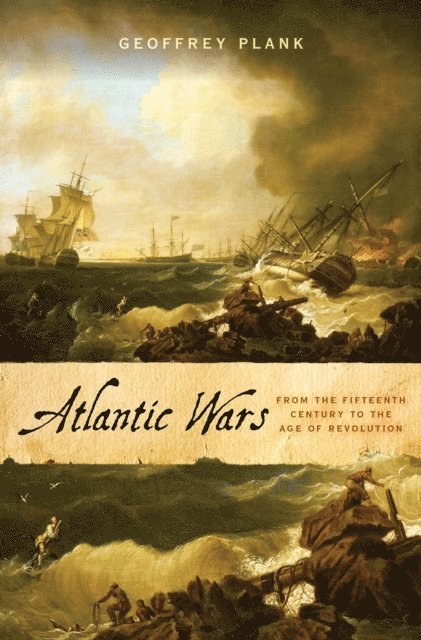
In a sweeping account, Atlantic Wars explores how warfare shaped the experiences of the peoples living in the watershed of the Atlantic Ocean between the late Middle Ages and the Age of Revolution. At the beginning of that period, combat within Europe secured for the early colonial powers the resources and political stability they needed to venture across the sea. By the early nineteenth century, descendants of the Europeans had achieved military supremacy on land but revolutionaries had challenged the norms of Atlantic warfare.Nearly everywhere they went, imperial soldiers, missionaries, colonial settlers, and traveling merchants sought local allies, and consequently they often incorporated themselves into African and indigenous North and South American diplomatic, military, and commercial networks. The newcomers and the peoples they encountered struggled to understand each other, find common interests, and exploit the opportunities that arose with the expansion of transatlantic commerce. Conflicts arose as a consequence of ongoing cultural misunderstandings and differing conceptions of justice and the appropriate use of force. In many theaters of combat profits could be made by exploiting political instability. Indigenous and colonial communities felt vulnerable in these circumstances, and many believed that they had to engage in aggressive military action--or, at a minimum, issue dramatic threats--in order to survive. Examining the contours of European dominance, this work emphasizes its contingent nature and geographical limitations, the persistence of conflict and its inescapable impact on non-combatants' lives. Addressing warfare at sea, warfare on land, and transatlantic warfare, Atlantic Wars covers the Atlantic world from the Vikings in the north, through the North American coastline and Caribbean, to South America and Africa. By incorporating the British, French, Spanish, Dutch, Portuguese, Africans, and indigenous Americans into one synthetic work, Geoffrey Plank underscores how the formative experience of combat brought together widely separated people in a common history.
334 kr
Kommande
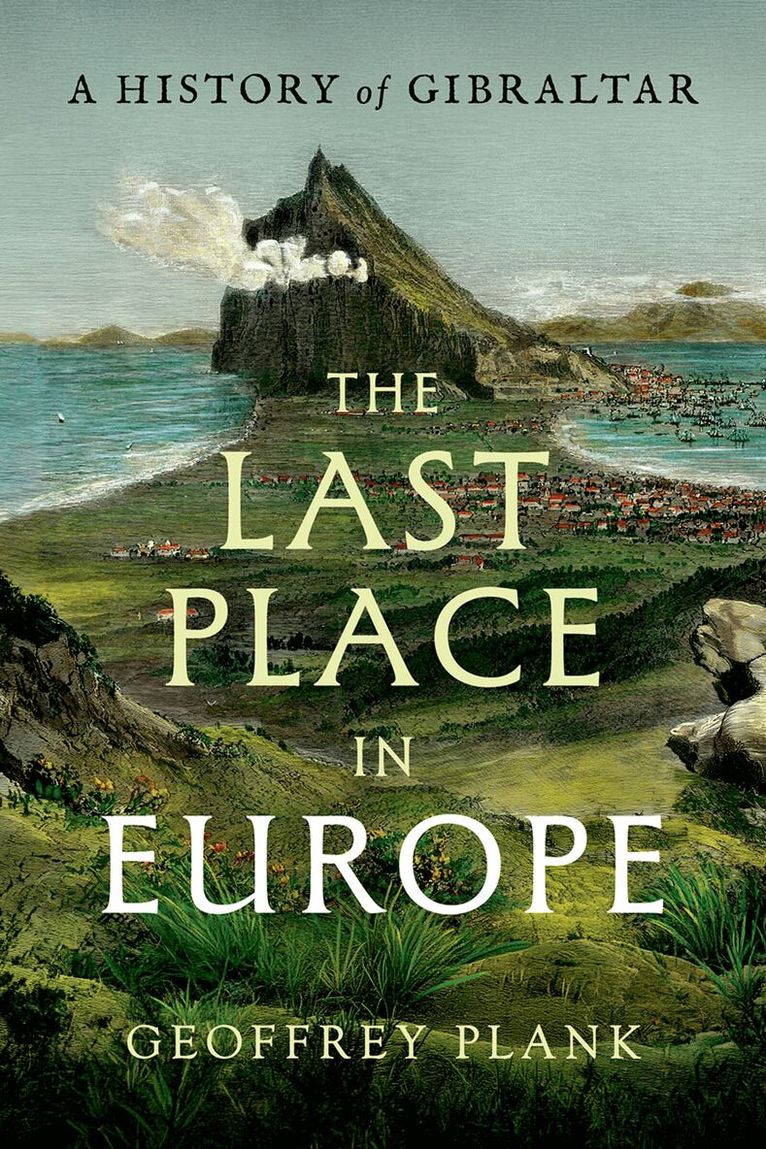
A sweeping history of the tiny but politically significant territory of Gibraltar from antiquity to the presentSince classical times, sailors, poets, and geographers have seen Gibraltar as a natural monument separating the Mediterranean from the Atlantic and Europe from Africa. Ancient Greeks and Romans recounted how the hero Hercules, sent on a mission to the end of the Earth, discovered an isthmus linking Africa and Europe. He destroyed it, leaving Gibraltar and an adjacent peak in Africa as the only remaining fragments of the demolished land bridge. By 1492, the strait between the continents was associated with the separation of faiths, serving as a boundary line between Christendom and Islam. After Spain's expulsions of Muslims and Jews, Gibraltar became, in the eyes of the Spanish, a fortress city on the frontier of European Christendom. The Anglo-Dutch seizure of Gibraltar in 1704 created a new border cutting the small peninsula off from Spain. Today, Gibraltar is the only territory in Europe included on the United Nations list of non-self-governing territories, and Britain and Spain continue to make claims to its few square miles.The Last Place in Europe examines Gibraltar's history from antiquity to the present, focusing on how the peninsula's dramatic geographical position has shaped mythologies, religious animosities, scientific theories, migration patterns, trade, international politics, and labor relations. Gibraltar has always belonged as much to the Atlantic world as to the Mediterranean. Geoffrey Plank traces Gibraltar's commercial ties to Portuguese, Spanish, and British colonies in Africa and the Americas. After Britain seized Gibraltar early in the eighteenth century, the town and garrison became a meeting place for merchants, missionaries, refugees, sailors, scientists, and soldiers from across the British Empire. Plank recounts notable military events during the American Revolution, the Napoleonic Wars, and World War II. Legacies of past conflict have inflected Gibraltar's history through the two world wars, the collapse of the British Empire, the Spanish blockade from 1969 to 1982, Britain's 2016 withdrawal from the European Union, and Gibraltar's development as a center of off-shore international finance.With its dramatic history at land and sea, The Last Place in Europe sets a new standard for work on this area of outsized significance as a crossroads of Europe, Africa, and the Atlantic world.
512 kr
Skickas inom 5-8 vardagar
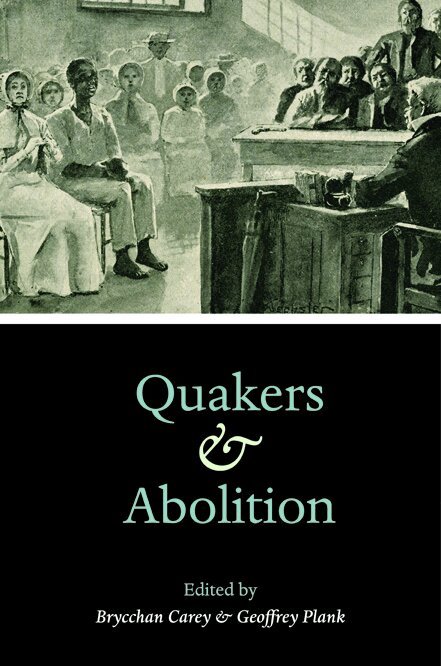
This collection of fifteen insightful essays examines the complexity and diversity of Quaker antislavery attitudes across three centuries, from 1658 to 1890. Contributors from a range of disciplines, nations, and faith backgrounds show Quaker's beliefs to be far from monolithic. They often disagreed with one another and the larger antislavery movement about the morality of slaveholding and the best approach to abolition.Not surprisingly, contributors explain, this complicated and evolving antislavery sensibility left behind an equally complicated legacy. While Quaker antislavery was a powerful contemporary influence in both the United States and Europe, present-day scholars pay little substantive attention to the subject. This volume faithfully seeks to correct that oversight, offering accessible yet provocative new insights on a key chapter of religious, political, and cultural history.Contributors include Dee E. Andrews, Kristen Block, Brycchan Carey, Christopher Densmore, Andrew Diemer, J. William Frost, Thomas D. Hamm, Nancy A. Hewitt, Maurice Jackson, Anna Vaughan Kett, Emma Jones Lapsansky-Werner, Gary B. Nash, Geoffrey Plank, Ellen M. Ross, Marie-Jeanne Rossignol, James Emmett Ryan, and James Walvin.
259 kr
Skickas inom 5-8 vardagar
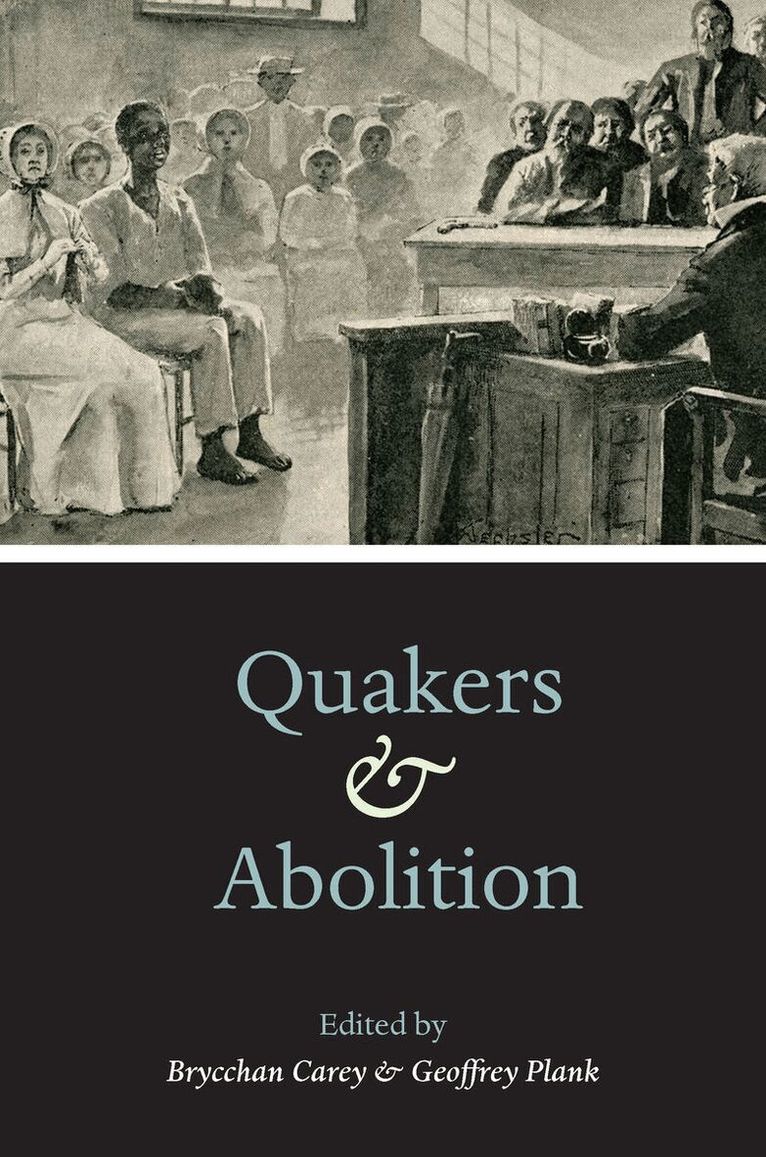
This collection of fifteen insightful essays examines the complexity and diversity of Quaker antislavery attitudes across three centuries, from 1658 to 1890. Contributors from a range of disciplines, nations, and faith backgrounds show Quaker's beliefs to be far from monolithic. They often disagreed with one another and the larger antislavery movement about the morality of slaveholding and the best approach to abolition.Not surprisingly, contributors explain, this complicated and evolving antislavery sensibility left behind an equally complicated legacy. While Quaker antislavery was a powerful contemporary influence in both the United States and Europe, present-day scholars pay little substantive attention to the subject. This volume faithfully seeks to correct that oversight, offering accessible yet provocative new insights on a key chapter of religious, political, and cultural history.Contributors include Dee E. Andrews, Kristen Block, Brycchan Carey, Christopher Densmore, Andrew Diemer, J. William Frost, Thomas D. Hamm, Nancy A. Hewitt, Maurice Jackson, Anna Vaughan Kett, Emma Jones Lapsansky-Werner, Gary B. Nash, Geoffrey Plank, Ellen M. Ross, Marie-Jeanne Rossignol, James Emmett Ryan, and James Walvin.
326 kr
Skickas inom 10-15 vardagar
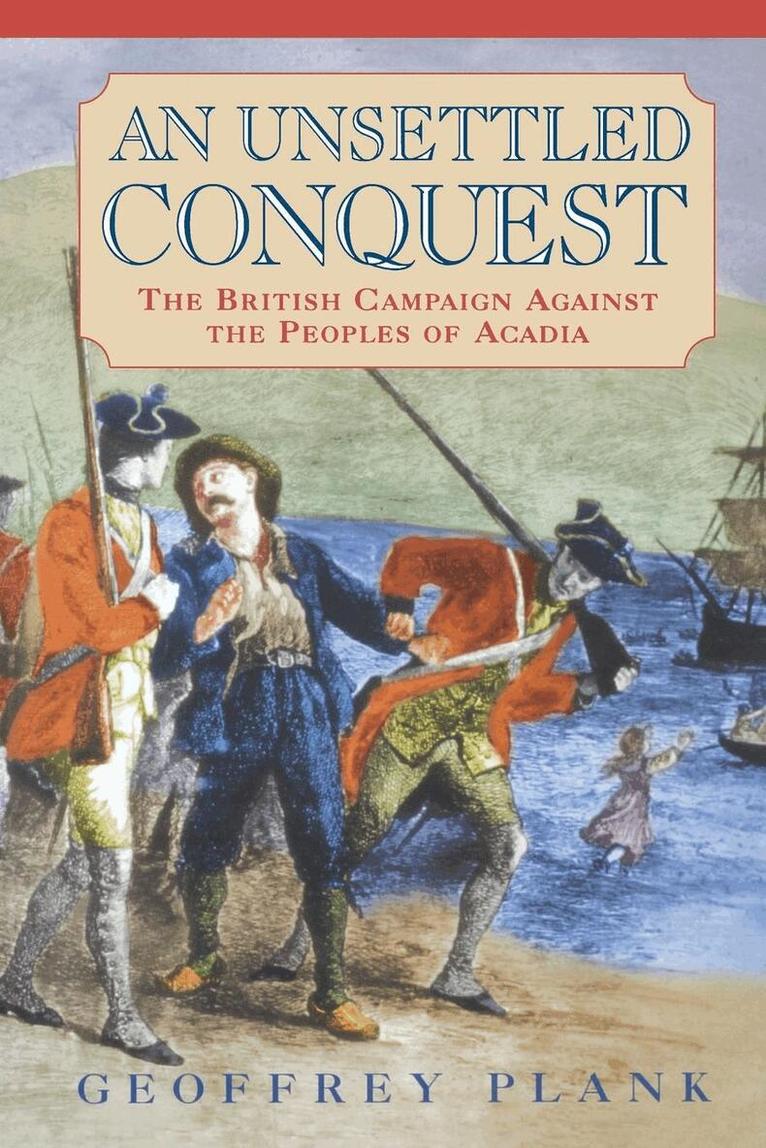
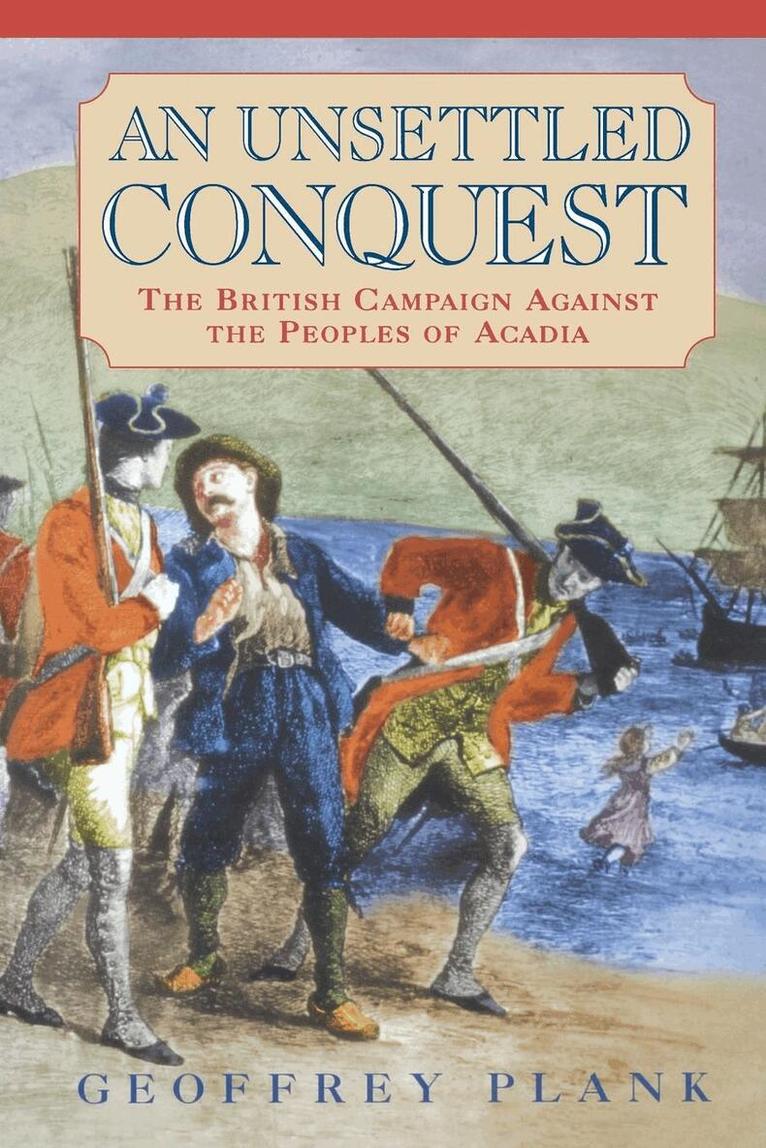
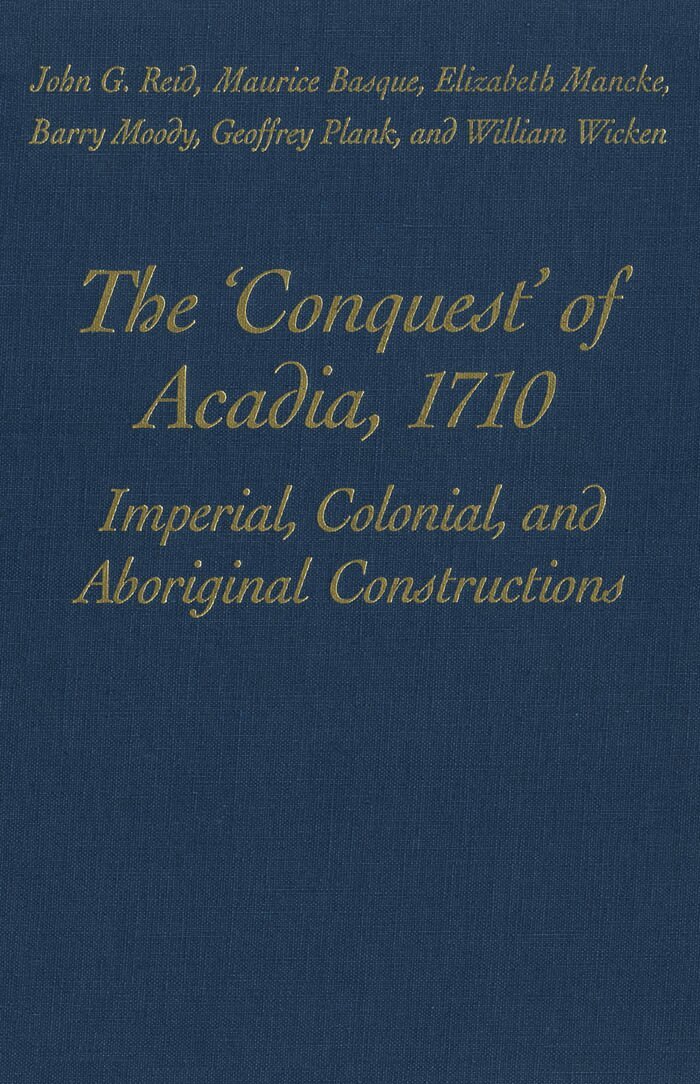
The former French colony of Acadia-permanently renamed Nova Scotia by the British when they began an ambitious occupation of the territory in 1710-witnessed one of the bitterest struggles in the British empire. Whereas in its other North American colonies Britain assumed it could garner the sympathies of fellow Europeans against the native peoples, in Nova Scotia nothing was further from the truth. The Mi'kmaq, the native local population, and the Acadians, descendants of the original French settlers, had coexisted for more than a hundred years prior to the British conquest, and their friendships, family ties, common Catholic religion, and commercial relationships proved resistant to British-enforced change. Unable to seize satisfactory political control over the region, despite numerous efforts at separating the Acadians and Mi'kmaq, the authorities took drastic steps in the 1750s, forcibly deporting the Acadians to other British colonies and systematically decimating the remaining native population.The story of the removal of the Acadians, some of whose descendants are the Cajuns of Louisiana, and the subsequent oppression of the Mi'kmaq has never been completely told. In this first comprehensive history of the events leading up to the ultimate break-up of Nova Scotian society, Geoffrey Plank skillfully unravels the complex relationships of all of the groups involved, establishing the strong bonds between the Mi'kmaq and Acadians as well as the frustration of the British administrators that led to the Acadian removal, culminating in one of the most infamous events in North American history.
728 kr
Skickas inom 10-15 vardagar
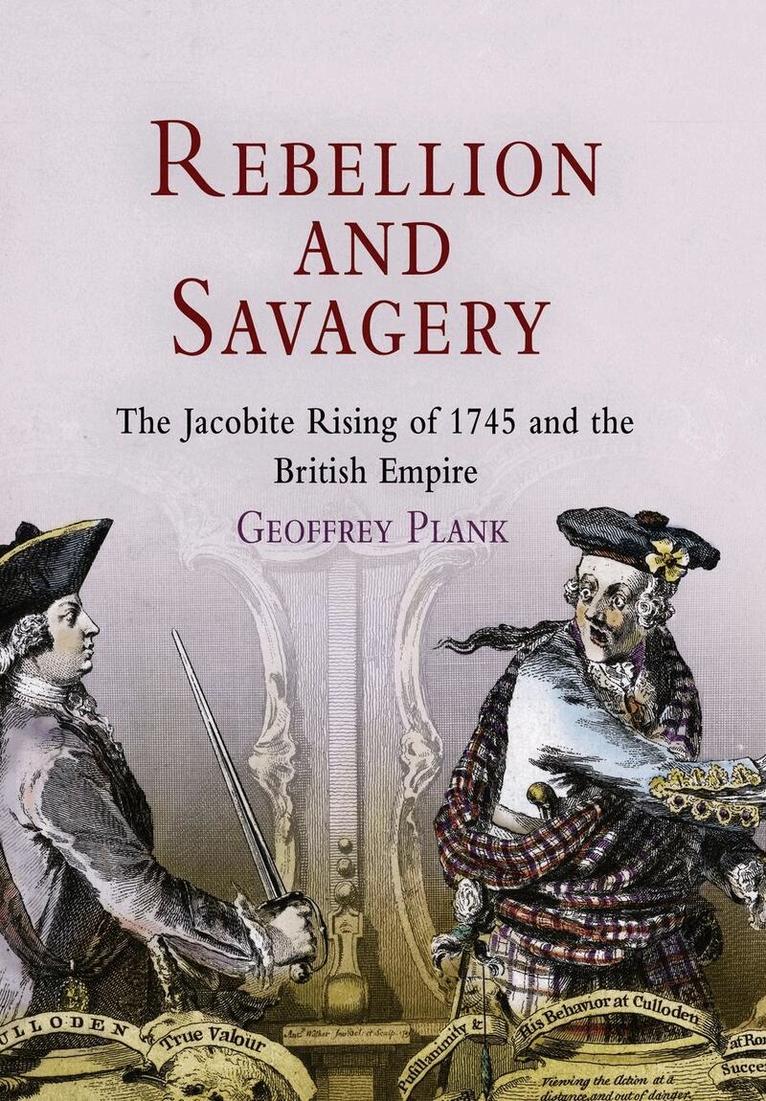
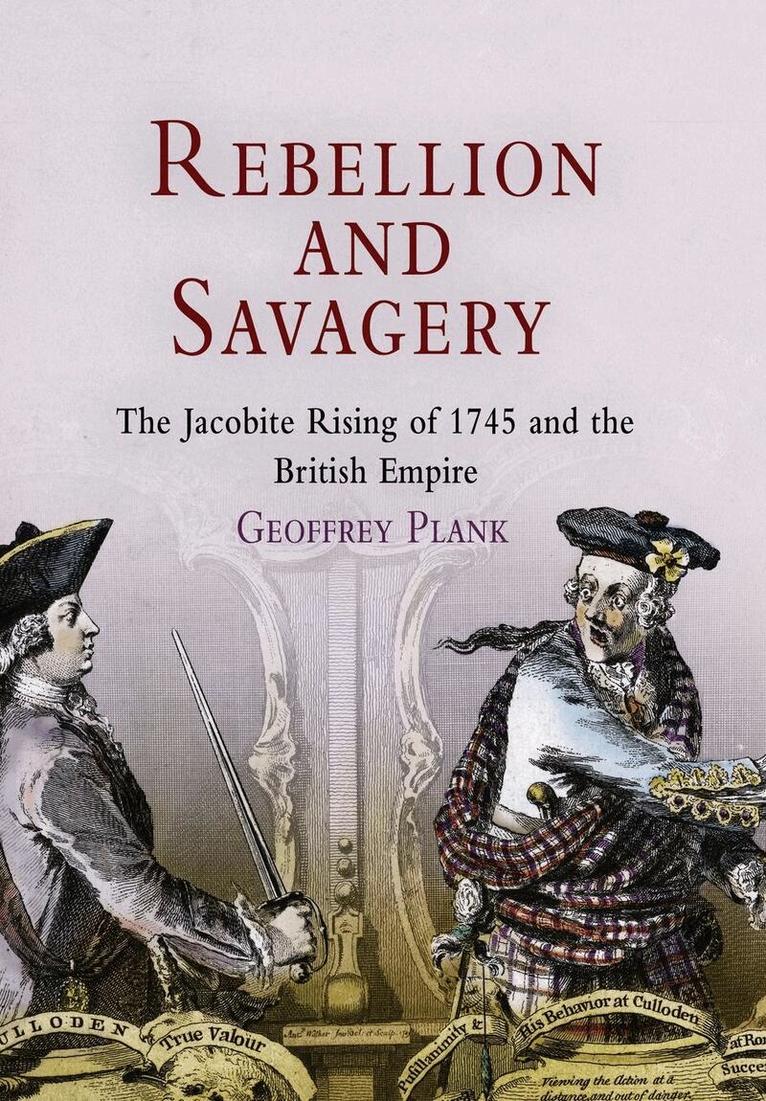
In the summer of 1745, Charles Edward Stuart, the grandson of England's King James II, landed on the western coast of Scotland intending to overthrow George II and restore the Stuart family to the throne. He gathered thousands of supporters, and the insurrection he led-the Jacobite Rising of 1745-was a crisis not only for Britain but for the entire British Empire. Rebellion and Savagery examines the 1745 rising and its aftermath on an imperial scale.Charles Edward gained support from the clans of the Scottish Highlands, communities that had long been derided as primitive. In 1745 the Jacobite Highlanders were denigrated both as rebels and as savages, and this double stigma helped provoke and legitimate the violence of the government's anti-Jacobite campaigns. Though the colonies stayed relatively peaceful in 1745, the rising inspired fear of a global conspiracy among Jacobites and other suspect groups, including North America's purported savages.The defeat of the rising transformed the leader of the army, the Duke of Cumberland, into a popular hero on both sides of the Atlantic. With unprecedented support for the maintenance of peacetime forces, Cumberland deployed new garrisons in the Scottish Highlands and also in the Mediterranean and North America. In all these places his troops were engaged in similar missions: demanding loyalty from all local inhabitants and advancing the cause of British civilization. The recent crisis gave a sense of urgency to their efforts. Confident that "a free people cannot oppress," the leaders of the army became Britain's most powerful and uncompromising imperialists.Geoffrey Plank argues that the events of 1745 marked a turning point in the fortunes of the British Empire by creating a new political interest in favor of aggressive imperialism, and also by sparking discussion of how the British should promote market-based economic relations in order to integrate indigenous peoples within their empire. The spread of these new political ideas was facilitated by a large-scale migration of people involved in the rising from Britain to the colonies, beginning with hundreds of prisoners seized on the field of battle and continuing in subsequent years to include thousands of men, women and children. Some of the migrants were former Jacobites and others had stood against the insurrection. The event affected all the British domains.
745 kr
Skickas inom 3-6 vardagar
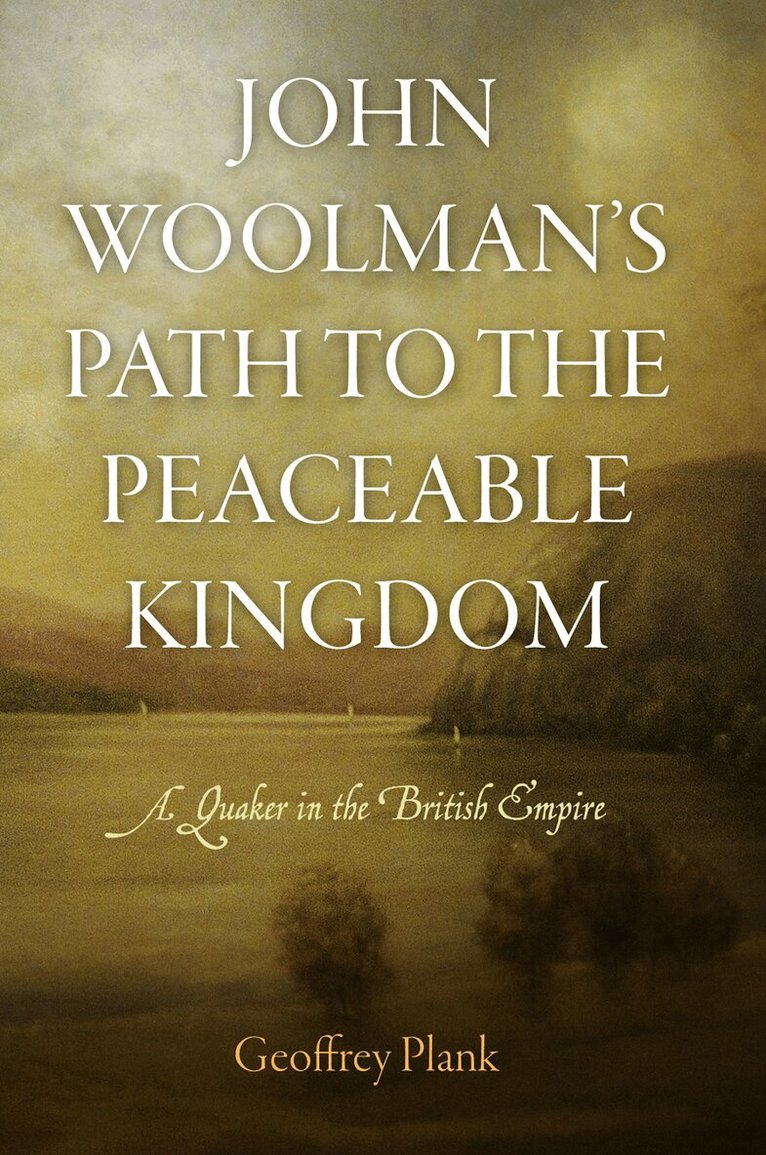
The abolitionist John Woolman (1720-72) has been described as a "Quaker saint," an isolated mystic, singular even among a singular people. But as historian Geoffrey Plank recounts, this tailor, hog producer, shopkeeper, schoolteacher, and prominent Quaker minister was very much enmeshed in his local community in colonial New Jersey and was alert as well to events throughout the British Empire. Responding to the situation as he saw it, Woolman developed a comprehensive critique of his fellow Quakers and of the imperial economy, became one of the most emphatic opponents of slaveholding, and helped develop a new form of protest by striving never to spend money in ways that might encourage slavery or other forms of iniquity.Drawing on the diaries of contemporaries, personal correspondence, the minutes of Quaker meetings, business and probate records, pamphlets, and other sources, John Woolman's Path to the Peaceable Kingdom shows that Woolman and his neighbors were far more engaged with the problems of inequality, trade, and warfare than anyone would know just from reading the Quaker's own writings. Although he is famous as an abolitionist, the end of slavery was only part of Woolman's project. Refusing to believe that the pursuit of self-interest could safely guide economic life, Woolman aimed for a miraculous global transformation: a universal disavowal of greed.