Brycchan Carey – författare
Visar alla böcker från författaren Brycchan Carey. Handla med fri frakt och snabb leverans.
15 produkter
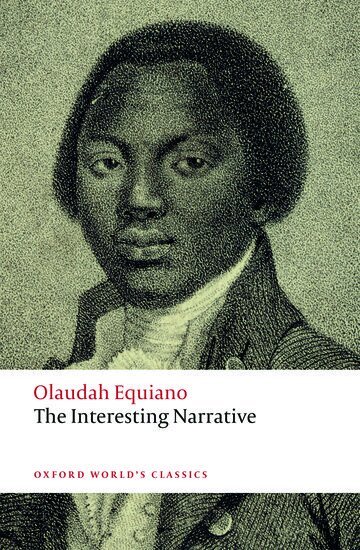
The Interesting Narrative
Av Olaudah Equiano, Brycchan Carey
Häftad, 2018
142 kr
Lägg i varukorg
'I hope the slave trade may be abolished. I pray it may be an event at hand.'Published a few days before the British parliament first debated the abolition of the slave trade in 1789, Olaudah Equiano's Interesting Narrative gives the author's account of his enslavement after his childhood …
Interesting Narrative
Av Olaudah Equiano, Brycchan Carey
E-bok, 2018
98 kr
Lägg i varukorg
''I hope the slave trade may be abolished. I pray it may be an event at hand.'' Published a few days before the British parliament first debated the abolition of the slave trade in 1789, Olaudah Equiano''s Interesting Narrative gives the author''s account of his enslavement after his childhood …
Interesting Narrative
Av Olaudah Equiano, Brycchan Carey
E-bok, 2018
98 kr
Lägg i varukorg
''I hope the slave trade may be abolished. I pray it may be an event at hand.'' Published a few days before the British parliament first debated the abolition of the slave trade in 1789, Olaudah Equiano''s Interesting Narrative gives the author''s account of his enslavement after his childhood …
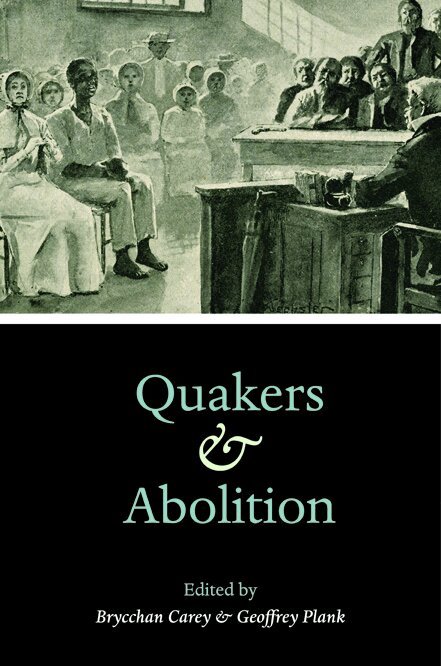
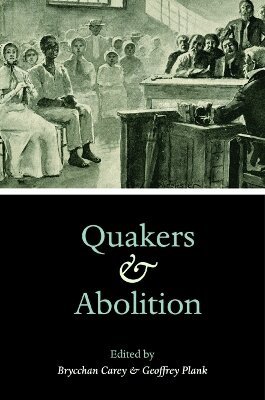
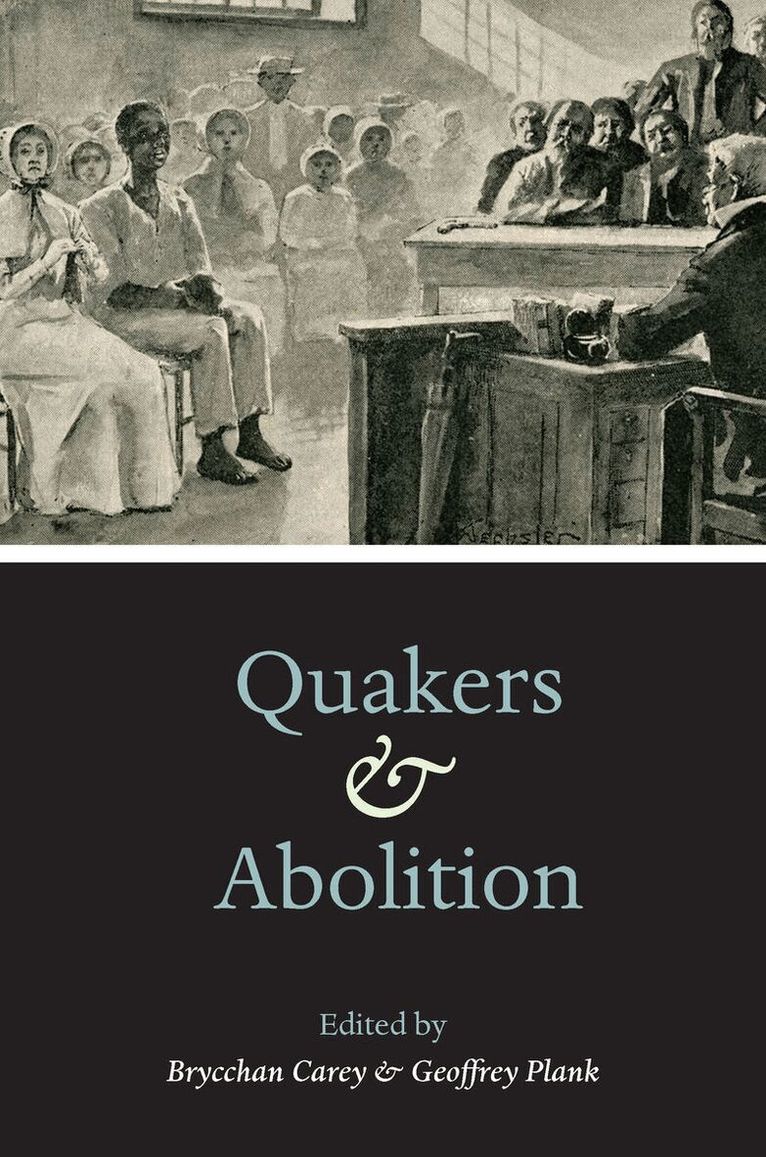
Quakers and Abolition
Av Brycchan Carey, Geoffrey Plank
Inbunden, 2014
595 kr
Lägg i varukorg
This collection of fifteen insightful essays examines the complexity and diversity of Quaker antislavery attitudes across three centuries, from 1658 to 1890. Contributors from a range of disciplines, nations, and faith backgrounds show Quaker's beliefs to be far from monolithic. They often …
Quakers and Abolition
Av Brycchan Carey, Geoffrey Plank
Häftad, 2018
329 kr
Lägg i varukorg
This collection of fifteen insightful essays examines the complexity and diversity of Quaker antislavery attitudes across three centuries, from 1658 to 1890. Contributors from a range of disciplines, nations, and faith backgrounds show Quaker's beliefs to be far from monolithic. They often …
Quakers and Abolition
Av Brycchan Carey, Geoffrey Plank
E-bok, 2014
568 kr
Lägg i varukorg
This collection of fifteen insightful essays examines the complexity and diversity of Quaker antislavery attitudes across three centuries, from 1658 to 1890. Contributors from a range of disciplines, nations, and faith backgrounds show Quaker''s beliefs to be far from monolithic. They often …
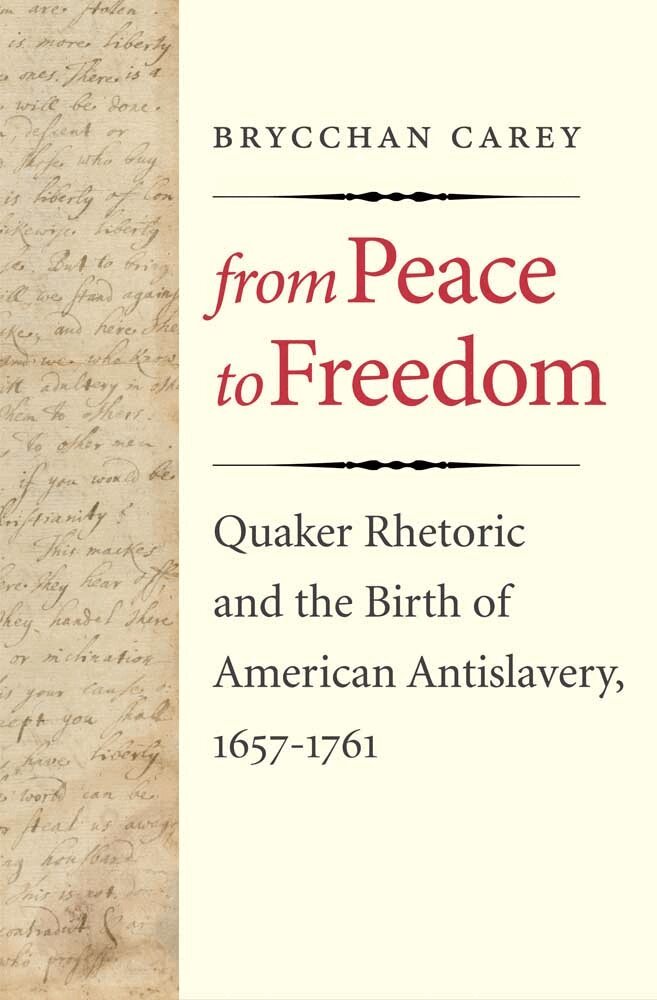
From Peace to Freedom
Quaker Rhetoric and the Birth of American Antislavery, 1657-1761
Inbunden, 2012
858 kr
Lägg i varukorg
In the first book to investigate in detail the origins of antislavery thought and rhetoric within the Society of Friends, Brycchan Carey shows how the Quakers turned against slavery in the first half of the eighteenth century and became the first organization to take a stand against the slave …
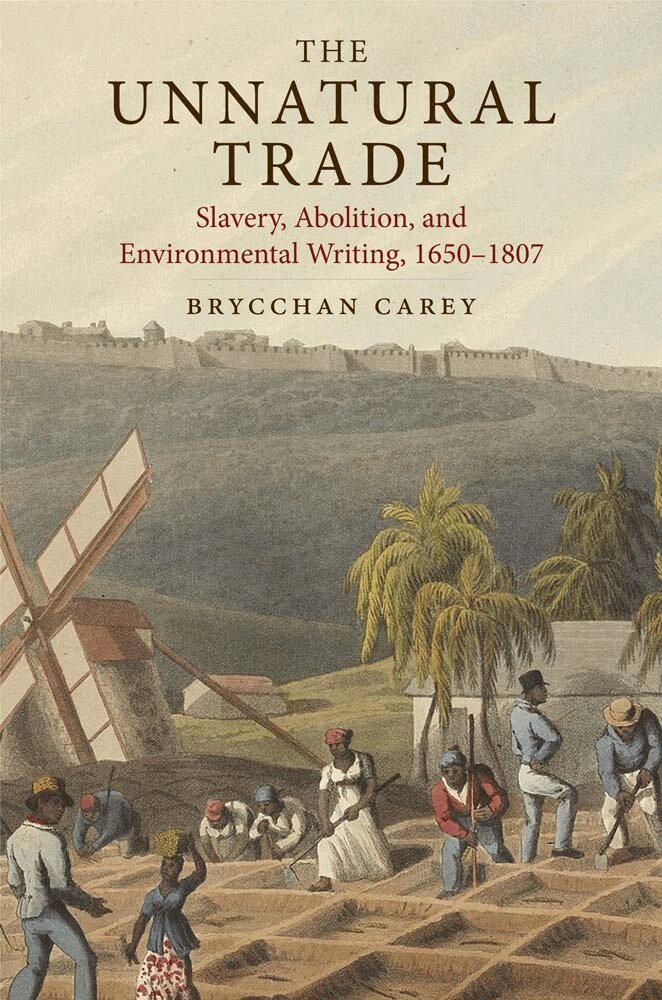
Unnatural Trade
Slavery, Abolition, and Environmental Writing, 1650-1807
Inbunden, 2024
659 kr
Lägg i varukorg
A look at the origins of British abolitionism as a problem of eighteenth-century science, as well as one of economics and humanitarian sensibilities How did late eighteenth-century British abolitionists come to view the slave trade and British colonial slavery as unnatural, a “dread perversion” of …
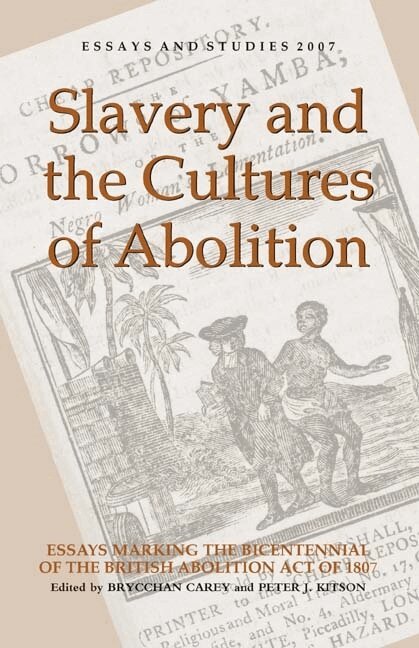
Slavery and the Cultures of Abolition
Essays Marking the Bicentennial of the British Abolition Act of 1807
Av Brycchan Carey, Brycchan Carey m. fl.
Inbunden, 2007
880 kr
Lägg i varukorg
Slavery as depicted in literature and culture is examined in this wide-ranging collection.On 25 March 1807, the bill for the abolition of the Slave Trade within the British colonies was passed by an overwhelming majority in the House of Commons, becoming law from 1 May. This new collection of …
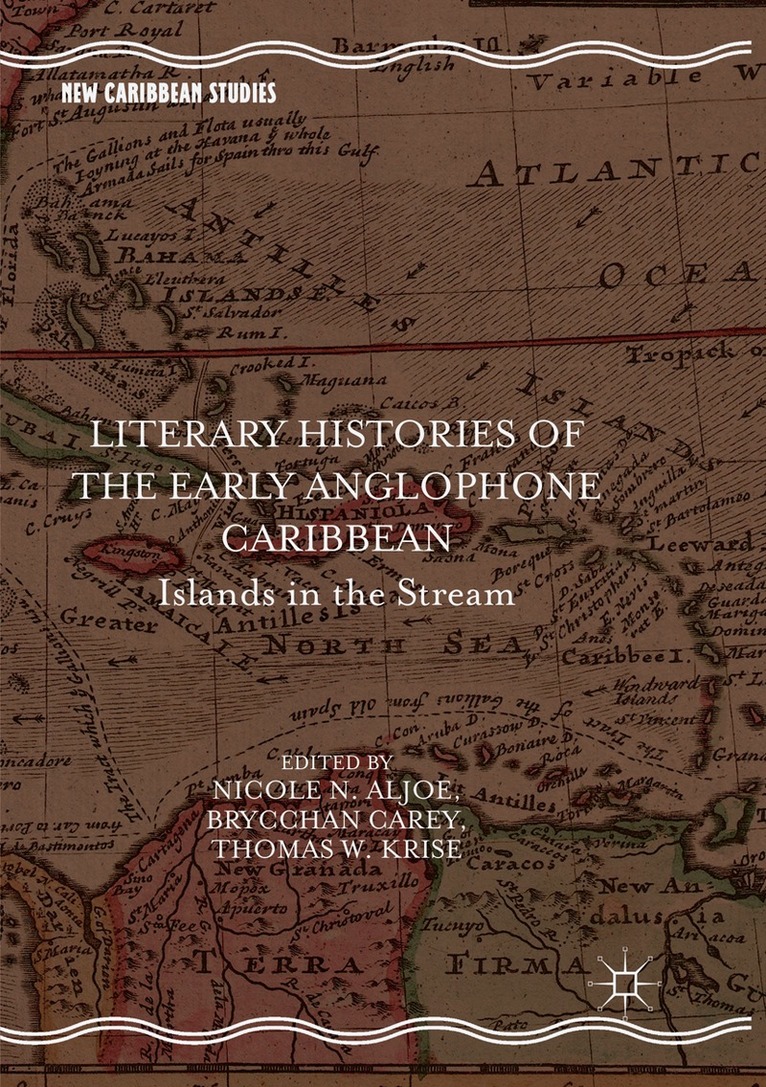
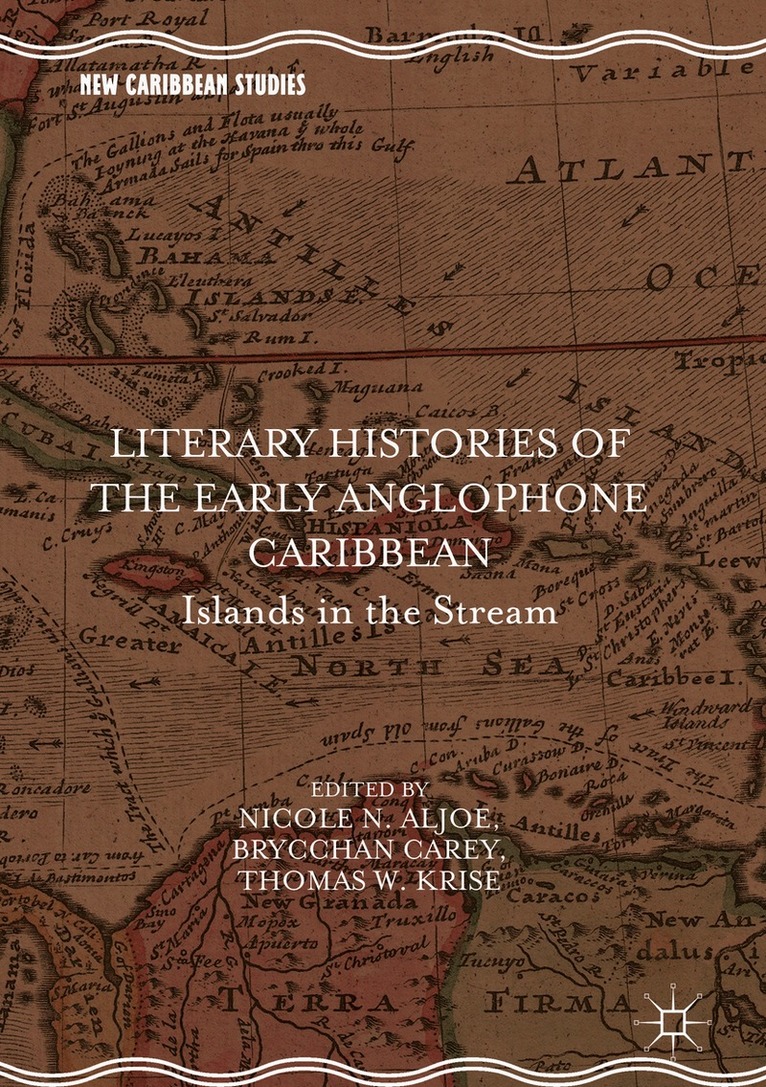
Literary Histories of the Early Anglophone Caribbean
Islands in the Stream
Av Nicole N. Aljoe, Brycchan Carey m. fl.
Häftad, 2019
344 kr
Lägg i varukorg
The Caribbean has traditionally been understood as a region that did not develop a significant ‘native’ literary culture until the postcolonial period. Indeed, most literary histories of the Caribbean begin with the texts associated with the independence movements of the early twentieth century. …
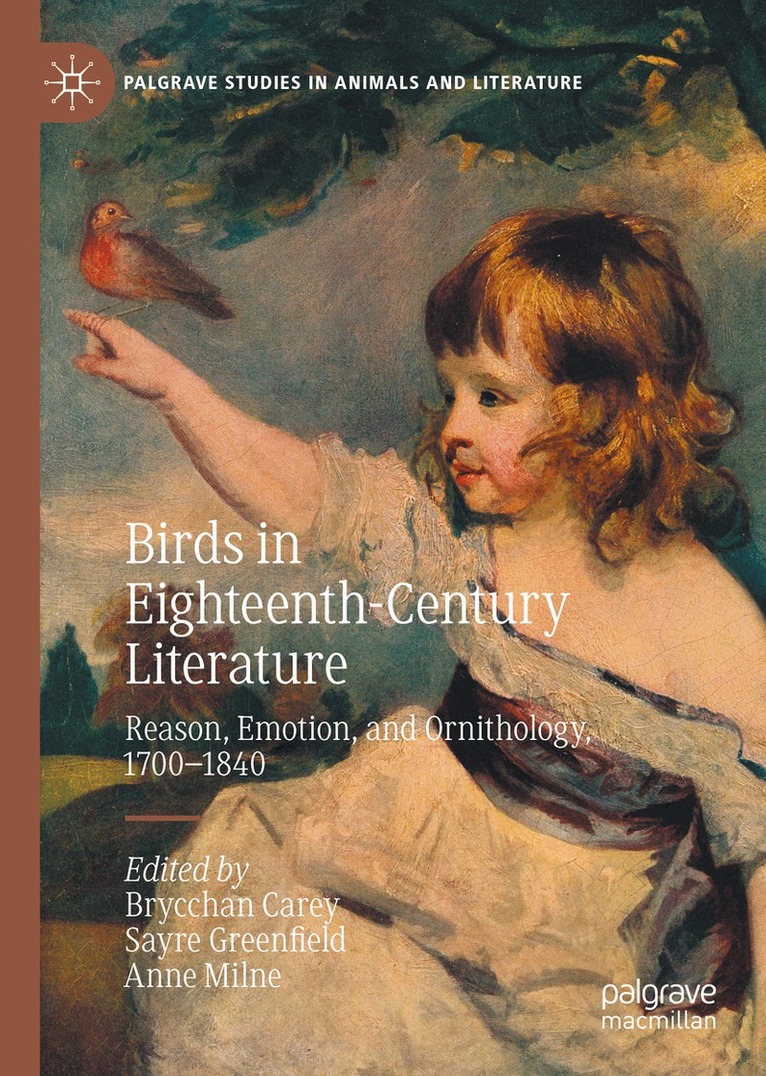
Birds in Eighteenth-Century Literature
Reason, Emotion, and Ornithology, 1700–1840
Av Brycchan Carey, Sayre Greenfield m. fl.
Inbunden, 2020
1325 kr
Lägg i varukorg
This book examines literary representations of birds from across the world in anage of expanding European colonialism. It offers important new perspectives intothe ways birds populate and generate cultural meaning in a variety of literary andnon-literary genres from 1700–1840 as well as throughout …
Birds in Eighteenth-Century Literature
Reason, Emotion, and Ornithology, 1700–1840
Av Anne Milne, Sayre Greenfield m. fl.
E-bok, 2020
1738 kr
Lägg i varukorg
This book examines literary representations of birds from across the world in an age of expanding European colonialism. It offers important new perspectives into the ways birds populate and generate cultural meaning in a variety of literary and non-literary genres from 1700–1840 as well as …
Birds in Eighteenth-Century Literature
Reason, Emotion, and Ornithology, 1700–1840
Av Brycchan Carey, Sayre Greenfield m. fl.
Häftad, 2021
1325 kr
Lägg i varukorg
This book examines literary representations of birds from across the world in anage of expanding European colonialism. It offers important new perspectives intothe ways birds populate and generate cultural meaning in a variety of literary andnon-literary genres from 1700–1840 as well as throughout …
Literary Histories of the Early Anglophone Caribbean
Islands in the Stream
Av Nicole N. Aljoe, Brycchan Carey m. fl.
Inbunden, 2018
1083 kr
Lägg i varukorg
The Caribbean has traditionally been understood as a region that did not develop a significant ‘native’ literary culture until the postcolonial period. Indeed, most literary histories of the Caribbean begin with the texts associated with the independence movements of the early twentieth century. …
Literary Histories of the Early Anglophone Caribbean
Islands in the Stream
Av Thomas W. Krise, Brycchan Carey m. fl.
E-bok, 2018
437 kr
Lägg i varukorg
The Caribbean has traditionally been understood as a region that did not develop a significant ‘native’ literary culture until the postcolonial period. Indeed, most literary histories of the Caribbean begin with the texts associated with the independence movements of the early twentieth century. …