George J. Veith - Böcker
Visar alla böcker från författaren George J. Veith. Handla med fri frakt och snabb leverans.
3 produkter
3 produkter
754 kr
Skickas inom 7-10 vardagar
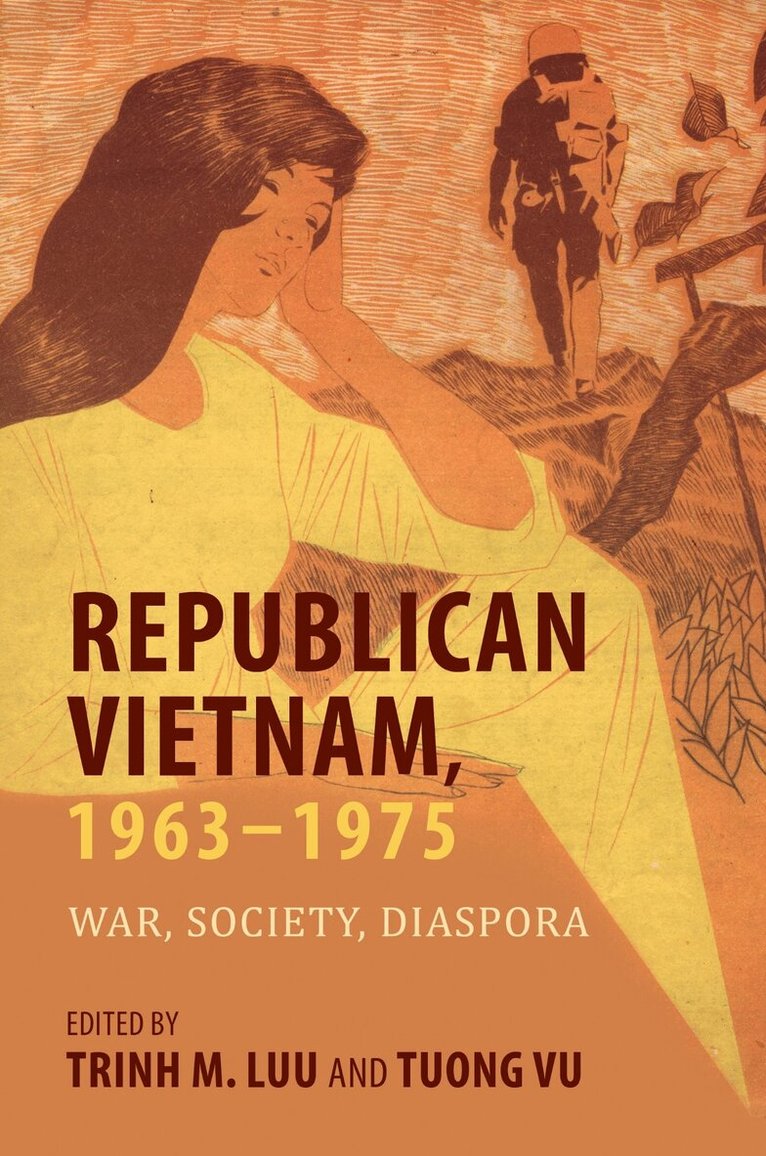
English-language scholarship all too often dismisses South Vietnam as an American creation, a product of US imperialism. Republican Vietnam boldly upends this depiction, exposing a diverse and dynamic portrait of the Second Republic. In twelve essays, each based on original archival research, the volume brings to life the Second Republic in all its complexities, displaying how politicians, students, educators, publishers, journalists, musicians, religious leaders, businessmen, and ordinary citizens built a highly intricate society—with dazzling entrepreneurial zeal, an outspoken press, globally engaged religions, a vibrant intellectual and associational culture, and a level of artistic production that remains unmatched since the Vietnam War. That inspired and frenzied age, though short lived, held a resilient spirit that Vietnamese refugees have kept alive. The trove of vernacular music and print media, not to mention the many associations the Vietnamese diaspora founded, exemplify the republican values that once energized South Vietnamese culture. But this nuanced society has appeared in popular media and American scholarship as a hopelessly dependent nation, led by corrupt dictators beholden to US interests. In contrast to such negative stereotypes, this account situates South Vietnamese front and center as agents of their own histories. Republican Vietnam is the first collection of scholarly essays on the Second Republic since the end of the Vietnam War. It is also among the first to use republicanism as a lens to re-examine twentieth-century Vietnamese history, the Vietnam War, and the diaspora. The twelve essays together show how war, in tandem with external intervention, shaped South Vietnam’s economy, culture, and the life of every individual and family. By featuring works from Vietnamese and Vietnamese diasporic studies, this text takes the important step of bridging the two fields, laying the foundation for cross-disciplinary projects in the future.
186 kr
Skickas inom 5-8 vardagar
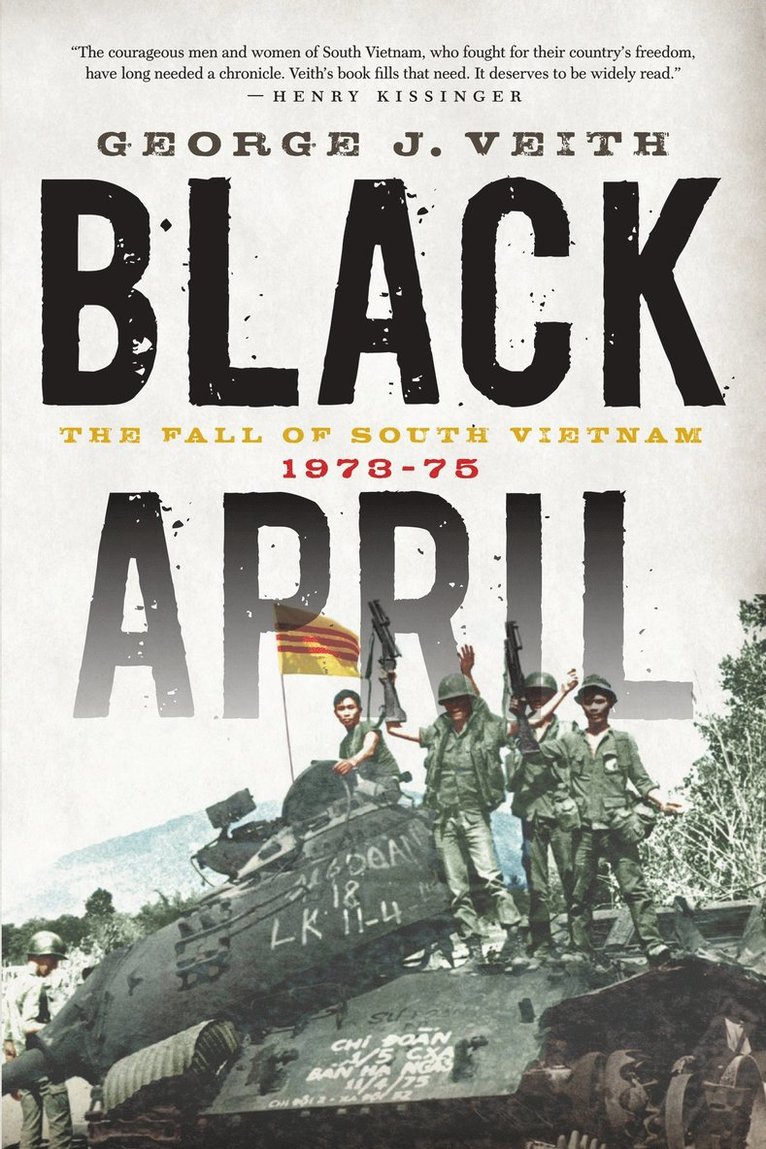
The defeat of South Vietnam was arguably America's worst foreign policy disaster of the 20th Century. Yet a complete understanding of the endgame--from the 27 January 1973 signing of the Paris Peace Accords to South Vietnam's surrender on 30 April 1975--has eluded us. Black April addresses that deficit. A culmination of exhaustive research in three distinct areas: primary source documents from American archives, North Vietnamese publications containing primary and secondary source material, and dozens of articles and numerous interviews with key South Vietnamese participants, this book represents one of the largest Vietnamese translation projects ever accomplished, including almost one hundred rarely or never seen before North Vietnamese unit histories, battle studies, and memoirs. Most important, to celebrate the 30th Anniversary of South Vietnam's conquest, the leaders in Hanoi released several compendiums of formerly highly classified cables and memorandum between the Politburo and its military commanders in the south. This treasure trove of primary source materials provides the most complete insight into North Vietnamese decision-making ever complied.While South Vietnamese deliberations remain less clear, enough material exists to provide a decent overview. Ultimately, whatever errors occurred on the American and South Vietnamese side, the simple fact remains that the country was conquered by a North Vietnamese military invasion despite written pledges by Hanoi's leadership against such action. Hanoi's momentous choice to destroy the Paris Peace Accords and militarily end the war sent a generation of South Vietnamese into exile, and exacerbated a societal trauma in America over our long Vietnam involvement that reverberates to this day. How that transpired deserves deeper scrutiny.
344 kr
Tillfälligt slut
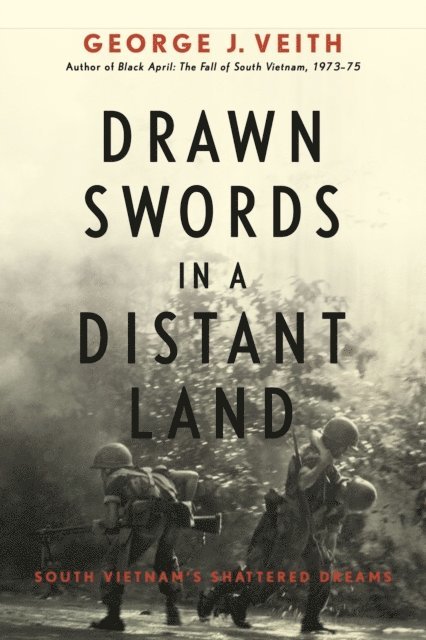
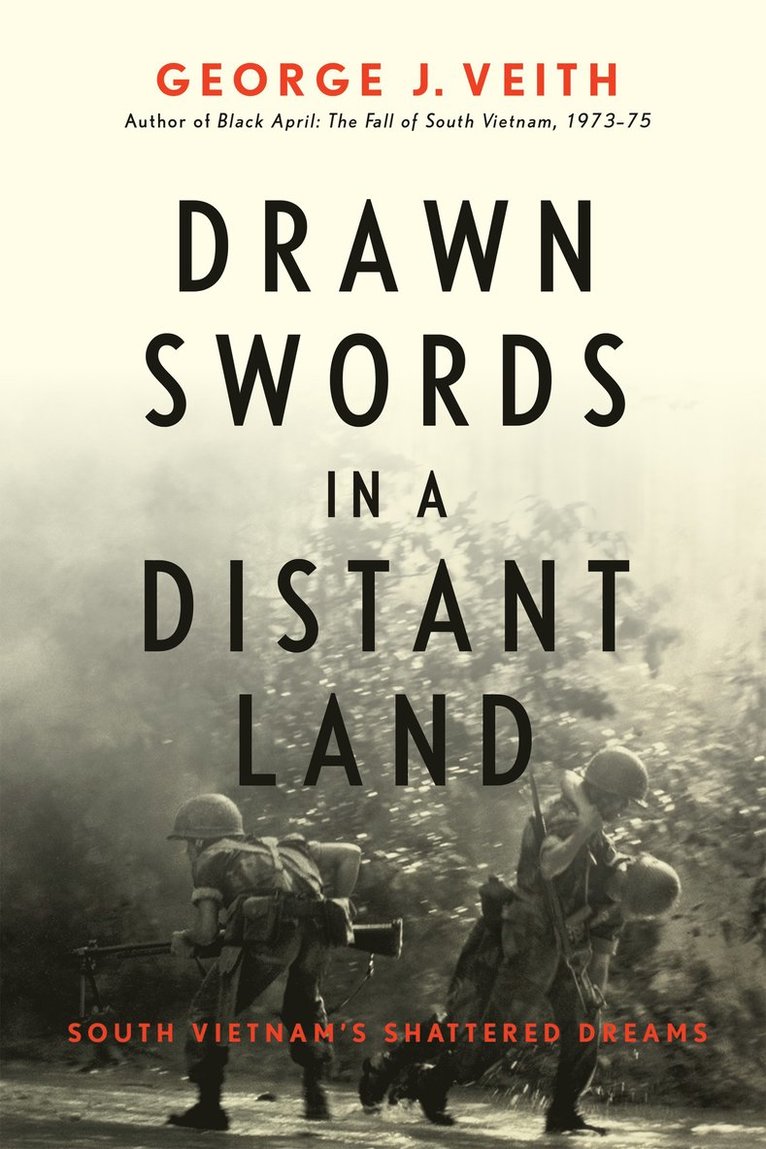
Drawn Swords in a Distant Land showcases the fascinating, untold story of the rise and fall of the Republic of Vietnam. Putting aside outdated ideological debates, it offers the first in-depth review of the South Vietnamese successes and failures in building and defending their state. Drawn Swords highlights the career of President Nguyen Van Thieu, who in many ways embodied the hopes, dreams, and innumerable tragedies of the South Vietnamese people. It details the extent to which the Vietnamese Nationalists under his leadership built a viable state after the 1968 Tet Offensive; weaves together the policy decisions made in Washington, Hanoi, and Saigon that significantly determined the course of the war; and explains why South Vietnam was defeated in April 1975. Equally important, it provides stunning new details about how the coup against Ngo Dinh Diem was almost halted, describes the backroom maneuvering that chose Thieu for the presidency over Nguyen Cao Ky, and demonstrates that Richard Nixon was not the instigator of a conspiracy with Thieu known as the “Chennault Affair” to win the 1968 election. Even more explosive, Drawn Swords reveals the last, great secret of the Vietnam War: a plot by France during the last days, in conjunction with one of Hanoi’s allies, to prevent North Vietnam from conquering Saigon. This previously unknown scheme, along with many other intriguing new insights, sheds fresh light on the tumultuous struggle called the Vietnam War. Drawn Swords is the definitive and much overdue account of Thieu and the Second Republic.