Gregory Radick – författare
Visar alla böcker från författaren Gregory Radick. Handla med fri frakt och snabb leverans.
20 produkter
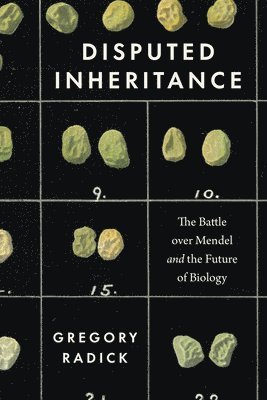
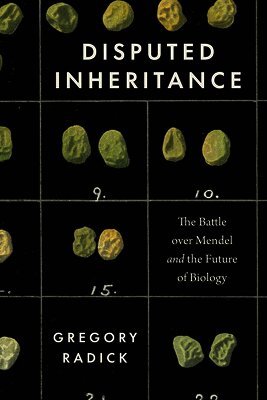
Disputed Inheritance
The Battle over Mendel and the Future of Biology
Häftad, 2023
372 kr
Lägg i varukorg
A root-and-branch rethinking of how history has shaped the science of genetics.In 1900, almost no one had heard of Gregor Mendel. Ten years later, he was famous as the father of a new science of heredity—genetics. Even today, Mendelian ideas serve as a standard point of entry for learning about …
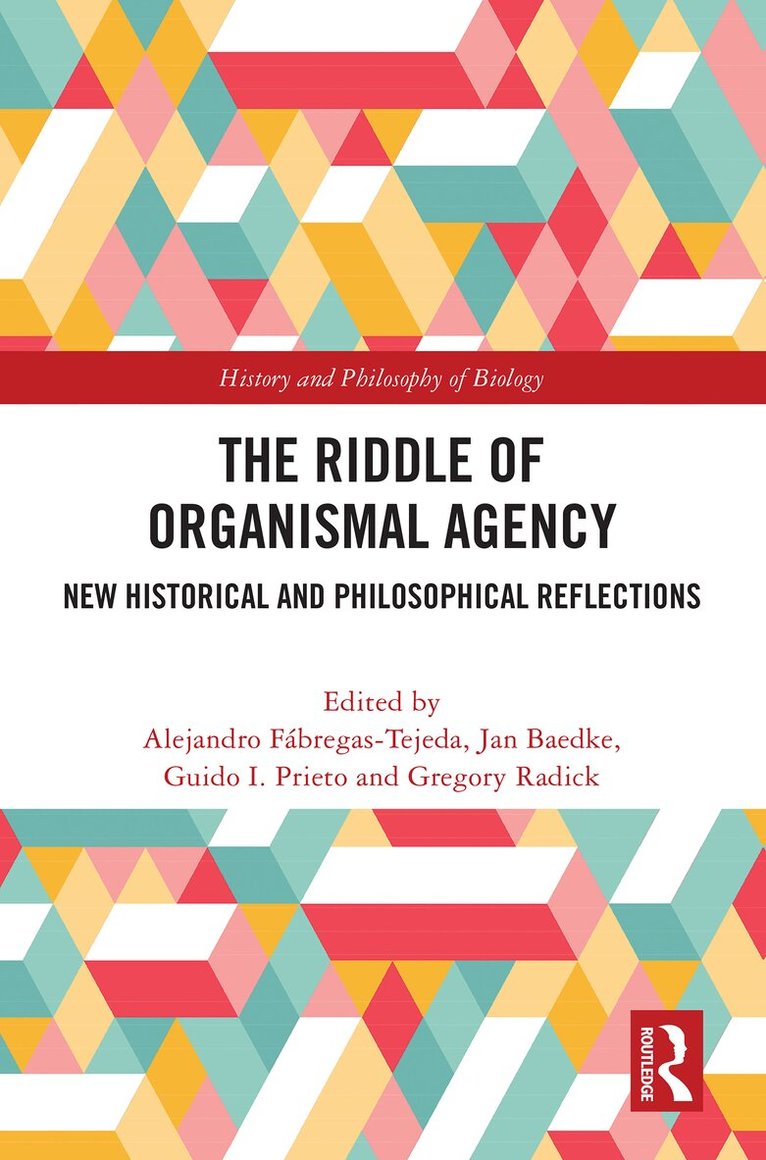
Riddle of Organismal Agency
New Historical and Philosophical Reflections
Av Alejandro Fábregas-Tejeda, Jan Baedke m. fl.
Häftad, 2025
705 kr
Lägg i varukorg
The Riddle of Organismal Agency brings together historians, philosophers, and scientists for an interdisciplinary re-assessment of one of the long-standing problems in the scientific understanding of life.Marshalling insights from diverse sciences including physiology, comparative psychology, …
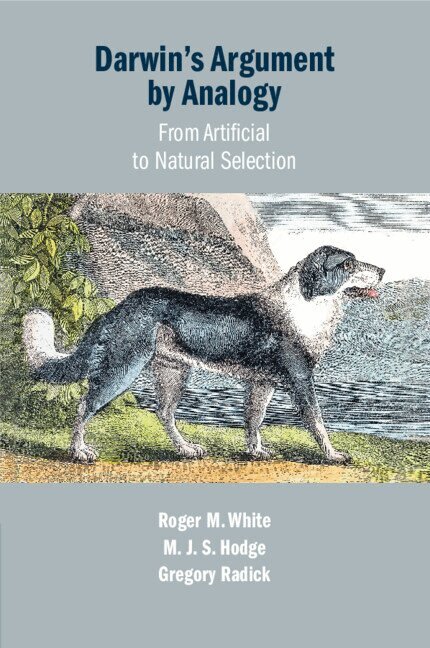
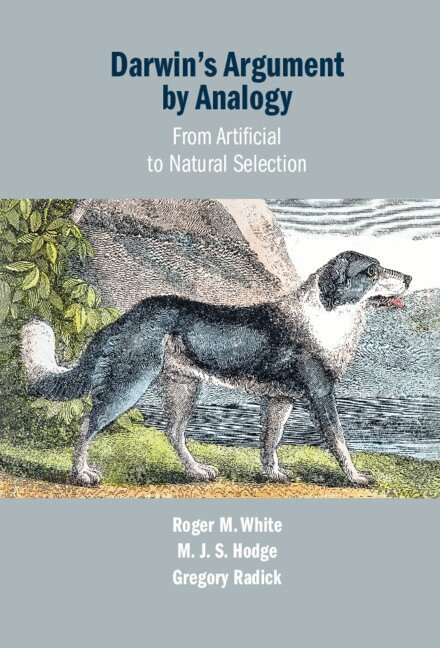
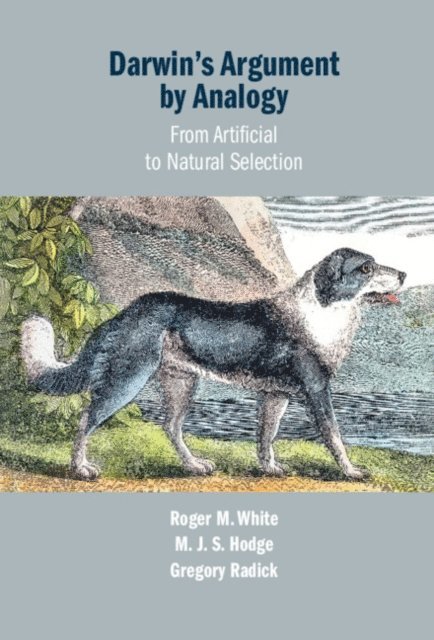
Darwin's Argument by Analogy
From Artificial to Natural Selection
Av Roger M. White, M. J. S. Hodge m. fl.
Häftad, 2023
537 kr
Lägg i varukorg
In On the Origin of Species (1859), Charles Darwin put forward his theory of natural selection. Conventionally, Darwin's argument for this theory has been understood as based on an analogy with artificial selection. But there has been no consensus on how, exactly, this analogical argument is …
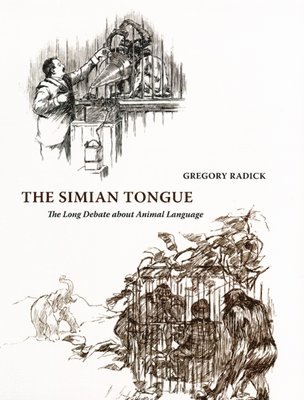
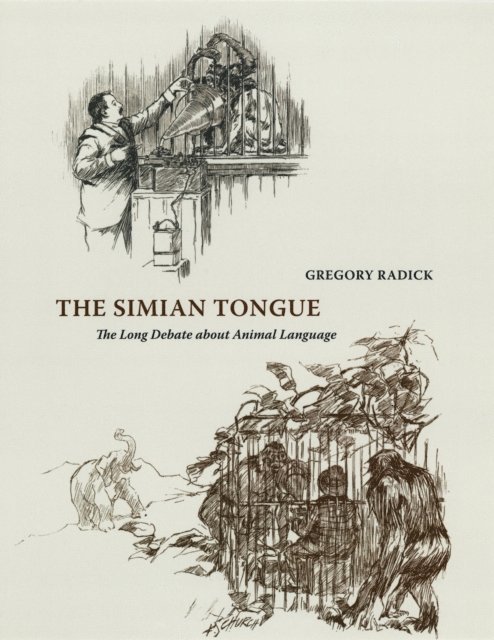
Simian Tongue
The Long Debate about Animal Language
Inbunden, 2008
534 kr
Lägg i varukorg
In the early 1890s, the theory of evolution gained an unexpected ally: the Edison phonograph. An amateur scientist used the new machine - one of the technological wonders of the age - to record monkey calls, play them back to the monkeys, and watch their reactions. From these soon-famous …
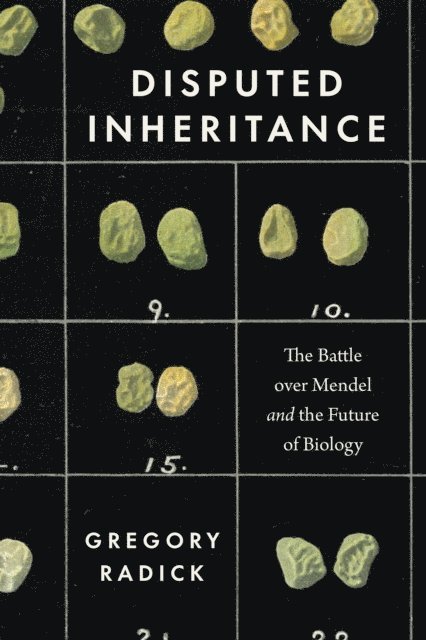
Disputed Inheritance
The Battle over Mendel and the Future of Biology
Inbunden, 2023
1069 kr
Lägg i varukorg
A root-and-branch rethinking of how history has shaped the science of genetics.In 1900, almost no one had heard of Gregor Mendel. Ten years later, he was famous as the father of a new science of heredity—genetics. Even today, Mendelian ideas serve as a standard point of entry for learning about …
Disputed Inheritance
The Battle over Mendel and the Future of Biology
E-bok, 2023
710 kr
Lägg i varukorg
A root-and-branch rethinking of how history has shaped the science of genetics. In 1900, almost no one had heard of Gregor Mendel. Ten years later, he was famous as the father of a new science of heredity—genetics. Even today, Mendelian ideas serve as a standard point of entry for learning about …
Simian Tongue
The Long Debate about Animal Language
E-bok, 2009
1175 kr
Lägg i varukorg
In the early 1890s the theory of evolution gained an unexpected ally: the Edison phonograph. An amateur scientist used the new machine—one of the technological wonders of the age—to record monkey calls, play them back to the monkeys, and watch their reactions. From these soon-famous experiments he …
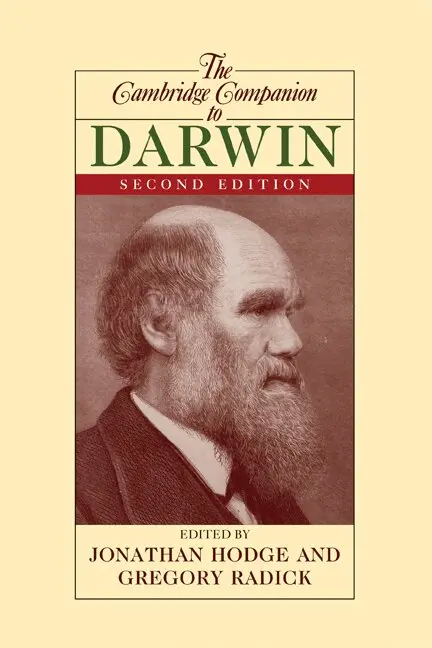
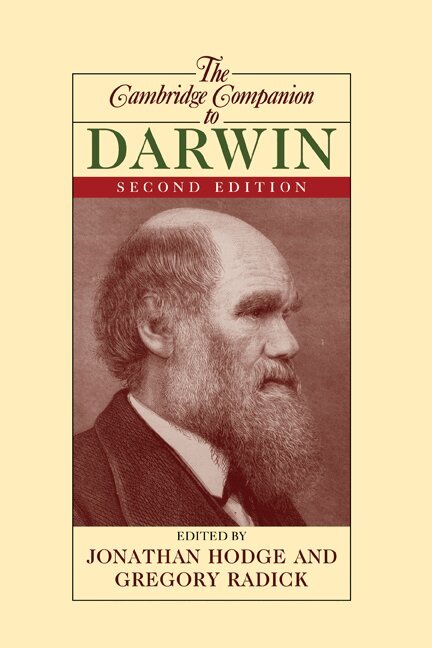
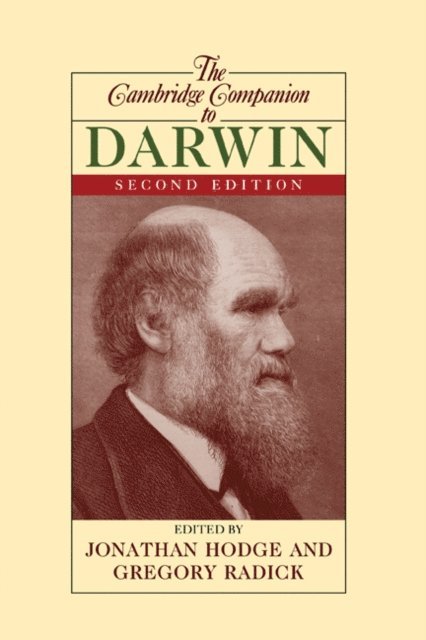
The Cambridge Companion to Darwin
Av Jonathan Hodge, Gregory Radick
Häftad, 2009
601 kr
Lägg i varukorg
The naturalist and geologist Charles Darwin (1809-82) ranks as one of the most influential scientific thinkers of all time. In the nineteenth century his ideas about the history and diversity of life - including the evolutionary origin of humankind - contributed to major changes in the sciences, …
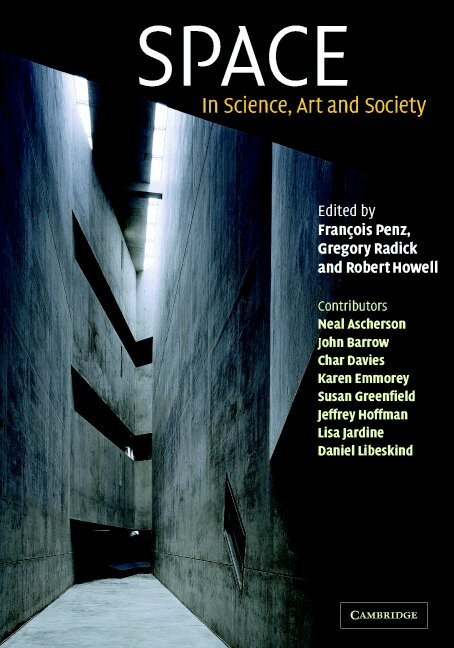
Space
In Science, Art and Society
Av François Penz, Gregory Radick m. fl.
Inbunden, 2004
393 kr
Lägg i varukorg
What is space? This fascinating journey of exploration begins in our own minds - the space within our brains. We discover how space is used in sign language and in architecture, before moving on to the virtual space created in an imaginary computer-generated world. The delineation of space has been …
The Cambridge Companion to Darwin
Av Jonathan Hodge, Gregory Radick
Inbunden, 2009
1195 kr
Lägg i varukorg
The naturalist and geologist Charles Darwin (1809-82) ranks as one of the most influential scientific thinkers of all time. In the nineteenth century his ideas about the history and diversity of life - including the evolutionary origin of humankind - contributed to major changes in the sciences, …
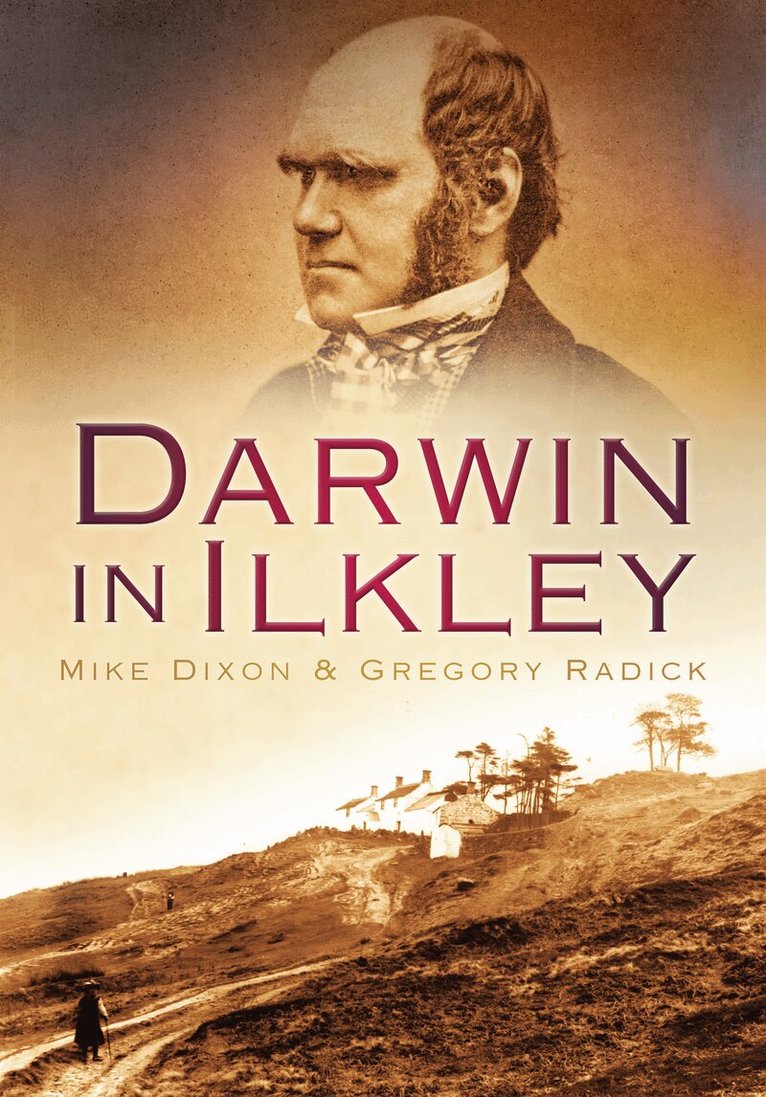
Darwin in Ilkley
Häftad, 2009
189 kr
Lägg i varukorg
When the Origins of Species was published on 24 November 1859, its author, Charles Darwin, was near the end of a nine-week stay in the remote Yorkshire village of Ilkley. He had come for the 'water cure'- a regime of cold baths and wet sheets - and for relaxation. But he used his time in Ilkley to …
Correspondence of John Tyndall, Volume 13
The Correspondence, June 1872-September 1873
Av Roy McLeod, Gregory Radick m. fl.
Inbunden, 2025
2089 kr
Lägg i varukorg
The 476 letters in the thirteenth volume of The Correspondence of John Tyndall document the period from June 1, 1872, to September 28, 1873, much of which was consumed by Tyndall’s lecture tour of the United States. We meet him in the midst of the Ayrton affair, which saw Tyndall coming to the …
Riddle of Organismal Agency
New Historical and Philosophical Reflections
Av Alejandro Fábregas-Tejeda, Jan Baedke m. fl.
Inbunden, 2024
2510 kr
Lägg i varukorg
The Riddle of Organismal Agency brings together historians, philosophers, and scientists for an interdisciplinary re-assessment of one of the long-standing problems in the scientific understanding of life.Marshalling insights from diverse sciences including physiology, comparative psychology, …
Riddle of Organismal Agency
New Historical and Philosophical Reflections
Av Gregory Radick, Guido I. Prieto m. fl.
E-bok, 2024
813 kr
Lägg i varukorg
The Riddle of Organismal Agency brings together historians, philosophers, and scientists for an interdisciplinary re-assessment of one of the long-standing problems in the scientific understanding of life. Marshalling insights from diverse sciences including physiology, comparative psychology, …
Riddle of Organismal Agency
New Historical and Philosophical Reflections
Av Gregory Radick, Guido I. Prieto m. fl.
E-bok, 2024
805 kr
Lägg i varukorg
The Riddle of Organismal Agency brings together historians, philosophers, and scientists for an interdisciplinary re-assessment of one of the long-standing problems in the scientific understanding of life. Marshalling insights from diverse sciences including physiology, comparative psychology, …
Darwin's Argument by Analogy
From Artificial to Natural Selection
Av Roger M. White, M. J. S. Hodge m. fl.
Inbunden, 2021
1322 kr
Lägg i varukorg
In On the Origin of Species (1859), Charles Darwin put forward his theory of natural selection. Conventionally, Darwin's argument for this theory has been understood as based on an analogy with artificial selection. But there has been no consensus on how, exactly, this analogical argument is …
Darwin's Argument by Analogy
From Artificial to Natural Selection
Av Gregory Radick, M. J. S. Hodge m. fl.
E-bok, 2021
411 kr
Lägg i varukorg
In On the Origin of Species (1859), Charles Darwin put forward his theory of natural selection. Conventionally, Darwin''s argument for this theory has been understood as based on an analogy with artificial selection. But there has been no consensus on how, exactly, this analogical argument is …
Darwin's Argument by Analogy
From Artificial to Natural Selection
Av Gregory Radick, M. J. S. Hodge m. fl.
E-bok, 2021
411 kr
Lägg i varukorg
In On the Origin of Species (1859), Charles Darwin put forward his theory of natural selection. Conventionally, Darwin''s argument for this theory has been understood as based on an analogy with artificial selection. But there has been no consensus on how, exactly, this analogical argument is …
Cambridge Companion to Darwin
Av Gregory Radick, Jonathan Hodge
E-bok, 2009
587 kr
Lägg i varukorg
The naturalist and geologist Charles Darwin (1809–82) ranks as one of the most influential scientific thinkers of all time. In the nineteenth century his ideas about the history and diversity of life - including the evolutionary origin of humankind - contributed to major changes in the sciences, …
Cambridge Companion to Darwin
Av Gregory Radick, Jonathan Hodge
E-bok, 2009
587 kr
Lägg i varukorg
The naturalist and geologist Charles Darwin (1809–82) ranks as one of the most influential scientific thinkers of all time. In the nineteenth century his ideas about the history and diversity of life - including the evolutionary origin of humankind - contributed to major changes in the sciences, …