Roger M. White – författare
Visar alla böcker från författaren Roger M. White. Handla med fri frakt och snabb leverans.
12 produkter
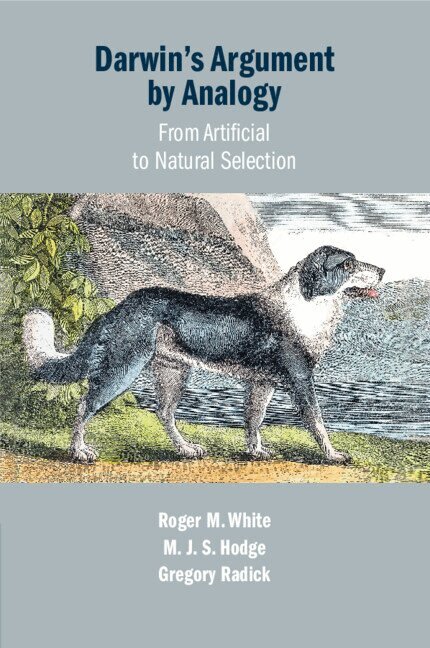
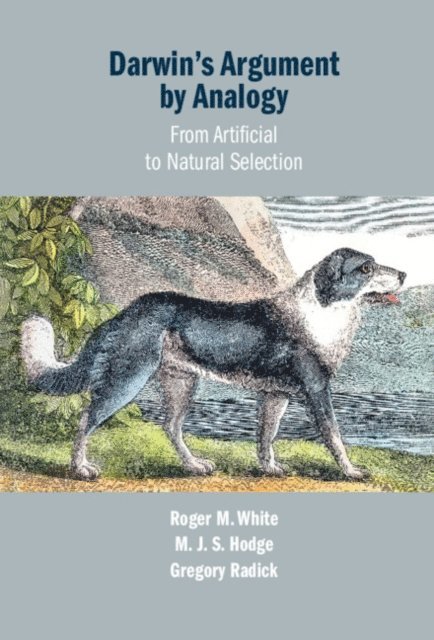
Darwin's Argument by Analogy
From Artificial to Natural Selection
Av Roger M. White, M. J. S. Hodge m. fl.
Häftad, 2023
537 kr
Lägg i varukorg
In On the Origin of Species (1859), Charles Darwin put forward his theory of natural selection. Conventionally, Darwin's argument for this theory has been understood as based on an analogy with artificial selection. But there has been no consensus on how, exactly, this analogical argument is …
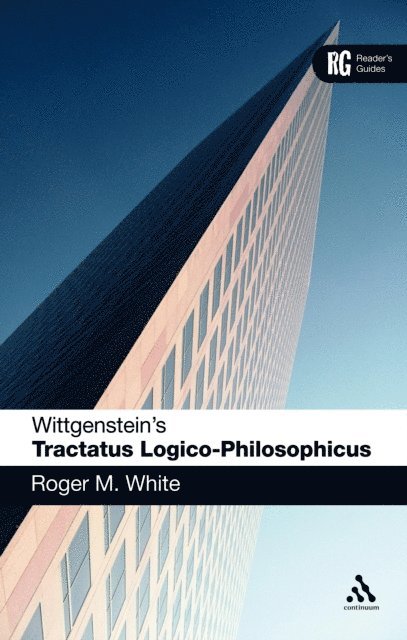
Wittgenstein's 'Tractatus Logico-Philosophicus'
A Reader's Guide
Inbunden, 2006
1560 kr
Lägg i varukorg
Wittgenstein's Tractatus - the only book he actually published within his lifetime - was an immensely important work which changed the direction of philosophy in the first half of the twentieth century. Higlighting the importance of the nature of language in philosophy and the problematic nature of …
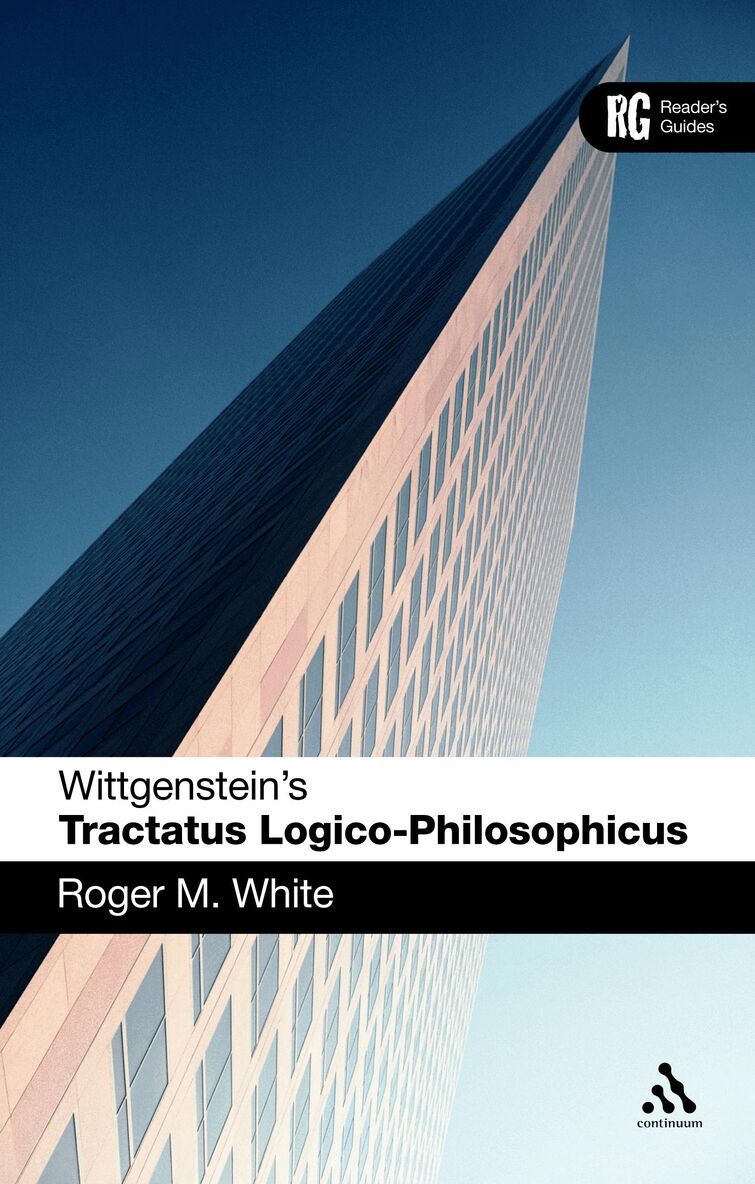
Wittgenstein's 'Tractatus Logico-Philosophicus'
A Reader's Guide
Häftad, 2006
473 kr
Lägg i varukorg
Wittgenstein's Tractatus - the only book he actually published within his lifetime - was an immensely important work which changed the direction of philosophy in the first half of the twentieth century. Higlighting the importance of the nature of language in philosophy and the problematic nature of …
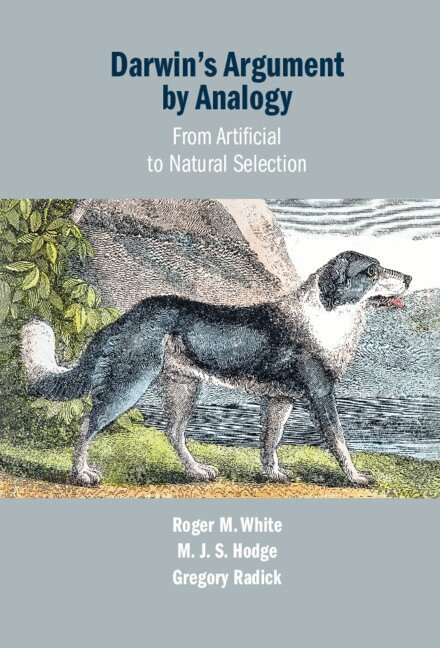
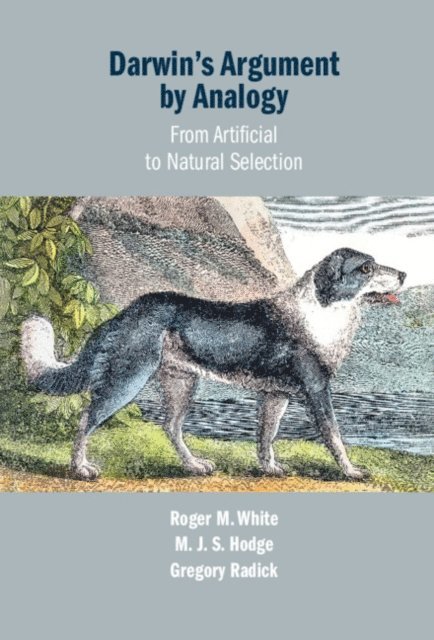
Darwin's Argument by Analogy
From Artificial to Natural Selection
Av Roger M. White, M. J. S. Hodge m. fl.
Inbunden, 2021
1322 kr
Lägg i varukorg
In On the Origin of Species (1859), Charles Darwin put forward his theory of natural selection. Conventionally, Darwin's argument for this theory has been understood as based on an analogy with artificial selection. But there has been no consensus on how, exactly, this analogical argument is …
Darwin's Argument by Analogy
From Artificial to Natural Selection
Av Gregory Radick, M. J. S. Hodge m. fl.
E-bok, 2021
411 kr
Lägg i varukorg
In On the Origin of Species (1859), Charles Darwin put forward his theory of natural selection. Conventionally, Darwin''s argument for this theory has been understood as based on an analogy with artificial selection. But there has been no consensus on how, exactly, this analogical argument is …
Darwin's Argument by Analogy
From Artificial to Natural Selection
Av Gregory Radick, M. J. S. Hodge m. fl.
E-bok, 2021
411 kr
Lägg i varukorg
In On the Origin of Species (1859), Charles Darwin put forward his theory of natural selection. Conventionally, Darwin''s argument for this theory has been understood as based on an analogy with artificial selection. But there has been no consensus on how, exactly, this analogical argument is …
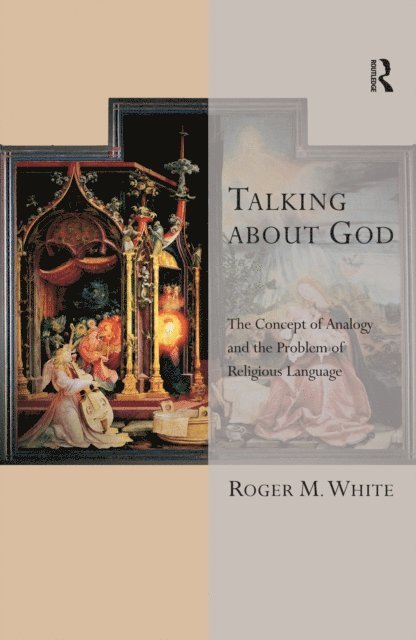
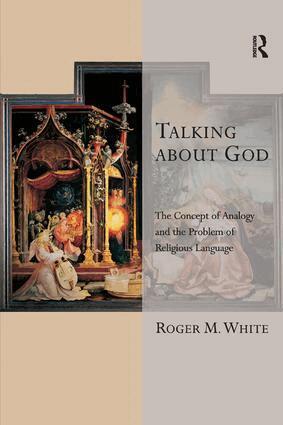
Talking about God
The Concept of Analogy and the Problem of Religious Language
E-bok, 2021
864 kr
Lägg i varukorg
A fundamental question for theology is the question how we are to understand the claims that we make about God. The only language we can understand is the language we use to talk about human beings and their environment. How can we use that language to talk about God while respecting the infinite …
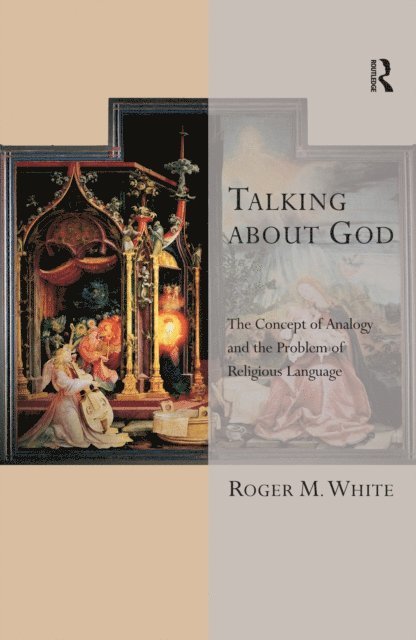
Talking about God
The Concept of Analogy and the Problem of Religious Language
E-bok, 2021
883 kr
Lägg i varukorg
A fundamental question for theology is the question how we are to understand the claims that we make about God. The only language we can understand is the language we use to talk about human beings and their environment. How can we use that language to talk about God while respecting the infinite …
Talking about God
The Concept of Analogy and the Problem of Religious Language
Häftad, 2010
749 kr
Lägg i varukorg
A fundamental question for theology is the question how we are to understand the claims that we make about God. The only language we can understand is the language we use to talk about human beings and their environment. How can we use that language to talk about God while respecting the infinite …
Wittgenstein's 'Tractatus Logico-Philosophicus'
A Reader's Guide
E-bok, 2006
515 kr
Lägg i varukorg
Wittgenstein's Tractatus - the only book he actually published within his lifetime - was an immensely important work which changed the direction of philosophy in the first half of the twentieth century. Highlighting the importance of the nature of language in philosophy and the problematic nature …