Hellen Gelband – författare
Visar alla böcker från författaren Hellen Gelband. Handla med fri frakt och snabb leverans.
21 produkter
Cancer Control Opportunities in Low- and Middle-Income Countries
Av Committee on Cancer Control in Low- and Middle-Income Countries, Board on Global Health m. fl.
E-bok, 2007
960 kr
Lägg i varukorg
Cancer is low or absent on the health agendas of low- and middle-income countries (LMCs) despite the fact that more people die from cancer in these countries than from AIDS and malaria combined. International health organizations, bilateral aid agencies, and major foundations—which are instrumental …
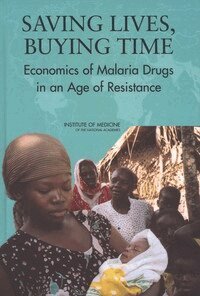
Saving Lives, Buying Time
Economics of Malaria Drugs in an Age of Resistance
Av Committee on the Economics of Antimalarial Drugs, Board on Global Health m. fl.
E-bok, 2004
981 kr
Lägg i varukorg
For more than 50 years, low-cost antimalarial drugs silently saved millionsof lives and cured billions of debilitating infections. Today, however, thesedrugs no longer work against the deadliest form of malaria that existsthroughout the world. Malaria deaths in sub-Saharan Africa—currently justover …
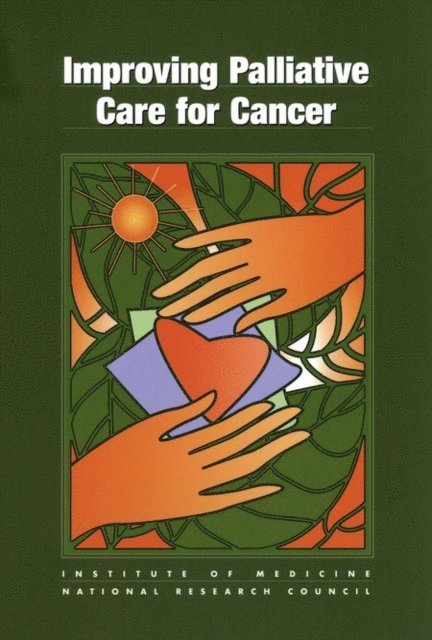
Improving Palliative Care for Cancer
Av National Cancer Policy Board, Institute of Medicine m. fl.
E-bok, 2001
785 kr
Lägg i varukorg
In our society''s aggressive pursuit of cures for cancer, we have neglected symptom control and comfort care. Less than one percent of the National Cancer Institute''s budget is spent on any aspect of palliative care research or education, despite the half million people who die of cancer each year …
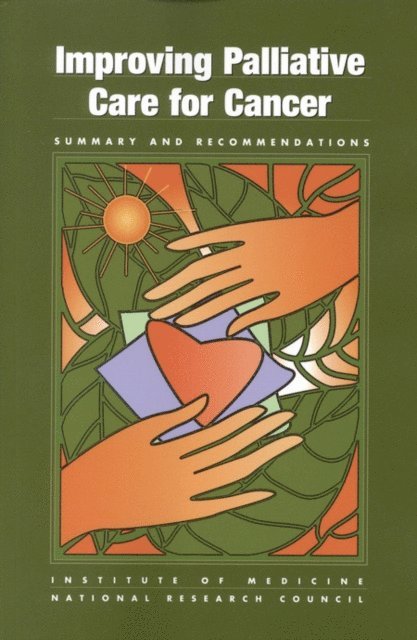
Improving Palliative Care for Cancer
Summary and Recommendations
Av National Cancer Policy Board, Institute of Medicine m. fl.
E-bok, 2001
419 kr
Lägg i varukorg
It is innately human to comfort and provide care to those suffering from cancer, particularly those close to death. Yet what seems self-evident at an individual, personal level has, by and large, not guided policy at the level of institutions in this country. There is no argument that palliative …
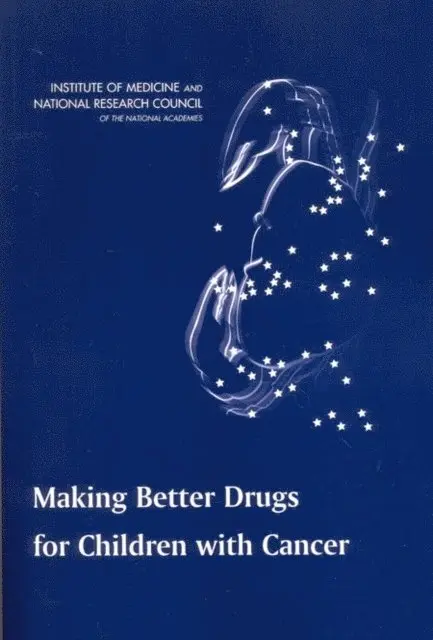
Making Better Drugs for Children with Cancer
Av Committee on Shortening the Time Line for New Cancer Treatments, National Cancer Policy Board m. fl.
E-bok, 2005
428 kr
Lägg i varukorg
The successes that have been achieved in treating childhood cancers stand as beacons against the less dramatic improvements for adults with cancer. Progress began to accelerate in the 1960s and 1970s, as treatment regimens were built up, primarily by building combinations of chemotherapeutic drugs. …
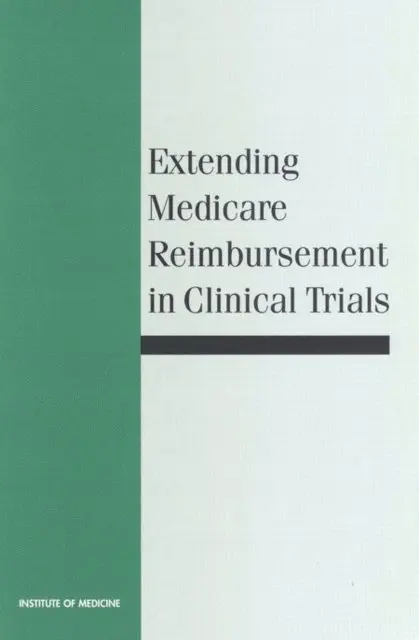
Extending Medicare Reimbursement in Clinical Trials
Av Committee on Routine Patient Care Costs in Clinical Trials for Medicare Beneficiaries, Institute of Medicine m. fl.
E-bok, 2000
428 kr
Lägg i varukorg
Increasingly over the past five years, uncertainty about reimbursement for routine patient care has been suspected as contributing to problems enrolling people in clinical trials. Clinical trial investigators cannot guarantee that Medicare will pay for the care required, and they must disclose this …
Improving Palliative Care for Cancer
Summary and Recommendations
Av National Cancer Policy Board, Institute of Medicine m. fl.
E-bok, 2001
286 kr
Lägg i varukorg
It is innately human to comfort and provide care to those suffering from cancer, particularly those close to death. Yet what seems self-evident at an individual, personal level has, by and large, not guided policy at the level of institutions in this country. There is no argument that palliative …
Improving Palliative Care for Cancer
Av National Cancer Policy Board, Institute of Medicine m. fl.
E-bok, 2001
598 kr
Lägg i varukorg
In our society''s aggressive pursuit of cures for cancer, we have neglected symptom control and comfort care. Less than one percent of the National Cancer Institute''s budget is spent on any aspect of palliative care research or education, despite the half million people who die of cancer each year …
Saving Lives, Buying Time
Economics of Malaria Drugs in an Age of Resistance
Av Committee on the Economics of Antimalarial Drugs, Board on Global Health m. fl.
E-bok, 2004
687 kr
Lägg i varukorg
For more than 50 years, low-cost antimalarial drugs silently saved millionsof lives and cured billions of debilitating infections. Today, however, thesedrugs no longer work against the deadliest form of malaria that existsthroughout the world. Malaria deaths in sub-Saharan Africa—currently justover …
Making Better Drugs for Children with Cancer
Av Committee on Shortening the Time Line for New Cancer Treatments, National Cancer Policy Board m. fl.
E-bok, 2005
288 kr
Lägg i varukorg
The successes that have been achieved in treating childhood cancers stand as beacons against the less dramatic improvements for adults with cancer. Progress began to accelerate in the 1960s and 1970s, as treatment regimens were built up, primarily by building combinations of chemotherapeutic drugs. …
Extending Medicare Reimbursement in Clinical Trials
Av Committee on Routine Patient Care Costs in Clinical Trials for Medicare Beneficiaries, Institute of Medicine m. fl.
E-bok, 2000
295 kr
Lägg i varukorg
Increasingly over the past five years, uncertainty about reimbursement for routine patient care has been suspected as contributing to problems enrolling people in clinical trials. Clinical trial investigators cannot guarantee that Medicare will pay for the care required, and they must disclose this …
Cancer Control Opportunities in Low- and Middle-Income Countries
Av Committee on Cancer Control in Low- and Middle-Income Countries, Board on Global Health m. fl.
E-bok, 2007
669 kr
Lägg i varukorg
Cancer is low or absent on the health agendas of low- and middle-income countries (LMCs) despite the fact that more people die from cancer in these countries than from AIDS and malaria combined. International health organizations, bilateral aid agencies, and major foundations—which are instrumental …
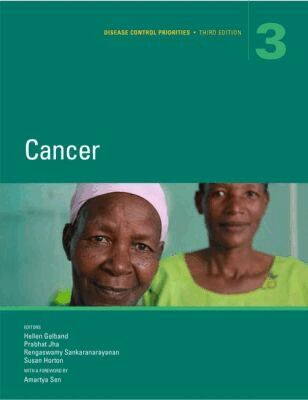
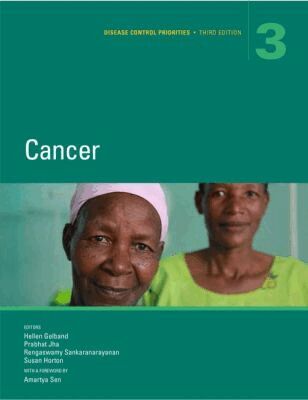
Disease Control Priorities, Third Edition (Volume 3)
Cancer
Av World Bank, Hellen Gelband m. fl.
Häftad, 2015
415 kr
Lägg i varukorg
Volume 3, Cancer, presents the complex patterns of cancer incidence and death around the world and evidence on effective and cost-effective ways to control cancers. The DCP3 evaluation of cancer will indicate where cancer treatment is ineffective and wasteful, and offer alternative cancer care …
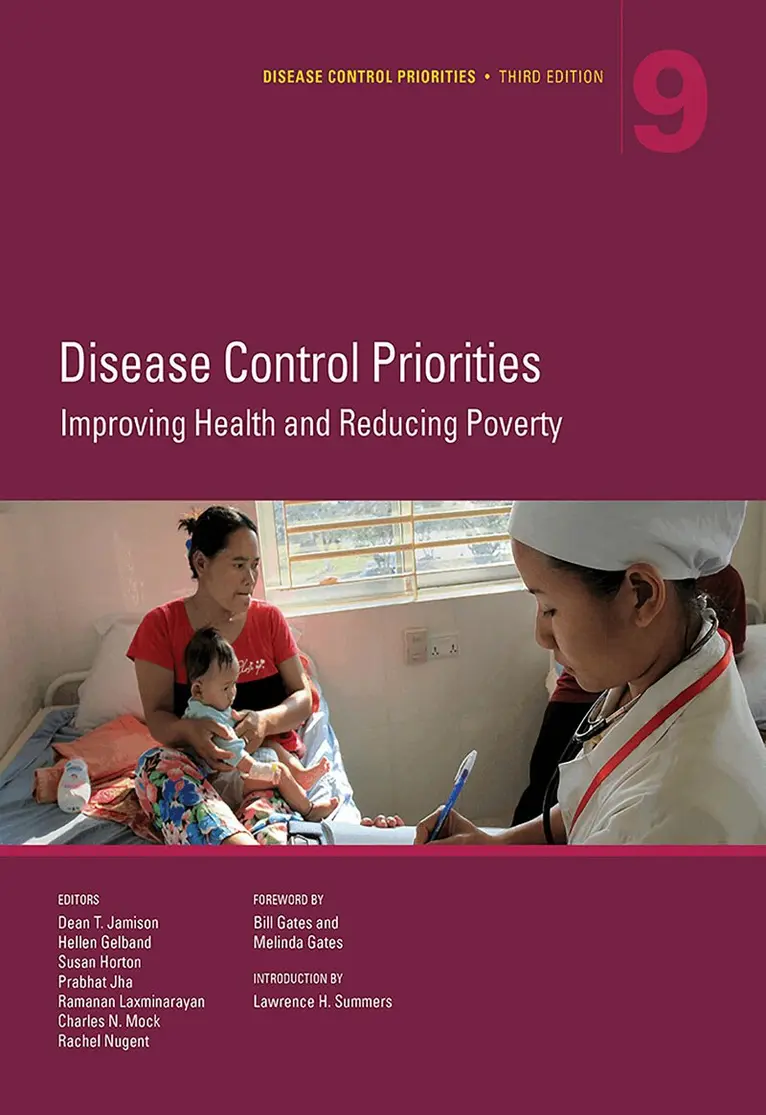
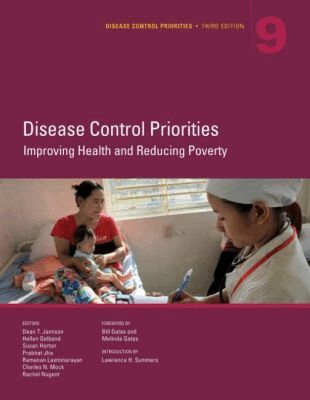
Disease Control Priorities, Third Edition (Volume 9)
Improving Health and Reducing Poverty
Av Dean T. Jamison, Hellen Gelband m. fl.
Häftad, 2017
415 kr
Lägg i varukorg
As the culminating volume in the DCP3 series, Volume 9 will provide an overview of DCP3 findings and methods, a summary of messages and substantive lessons to be taken from DCP3, and a further discussion of cross-cutting and synthesizing topics across the first eight volumes. The introductory …
Extending Medicare Reimbursement in Clinical Trials
Av Institute of Medicine, Committee on Routine Patient Care Costs in Clinical Trials for Medicare Beneficiaries m. fl.
Häftad, 2000
1241 kr
Tillfälligt slut
Increasingly over the past five years, uncertainty about reimbursement for routine patient care has been suspected as contributing to problems enrolling people in clinical trials. Clinical trial investigators cannot guarantee that Medicare will pay for the care required, and they must disclose this …
Improving Palliative Care for Cancer
Av National Research Council, Institute of Medicine m. fl.
Häftad, 2001
775 kr
Tillfälligt slut
In our societya (TM)s aggressive pursuit of cures for cancer, we have neglected symptom control and comfort care. Less than one percent of the National Cancer Institutea (TM)s budget is spent on any aspect of palliative care research or education, despite the half million people who die of cancer …
Improving Palliative Care for Cancer
Summary and Recommendations
Av National Research Council, Commission on Life Sciences m. fl.
Häftad, 2001
523 kr
Tillfälligt slut
It is innately human to comfort and provide care to those suffering from cancer, particularly those close to death. Yet what seems self-evident at an individual, personal level has, by and large, not guided policy at the level of institutions in this country. There is no argument that palliative …
Saving Lives, Buying Time
Economics of Malaria Drugs in an Age of Resistance
Av Institute of Medicine, Board on Global Health m. fl.
Inbunden, 2004
901 kr
Tillfälligt slut
For more than 50 years, low-cost antimalarial drugs silently saved millions of lives and cured billions of debilitating infections. Today, however, these drugs no longer work against the deadliest form of malaria that exists throughout the world. Malaria deaths in sub-Saharan Africaa "currently …
Making Better Drugs for Children with Cancer
Av National Research Council, Institute of Medicine m. fl.
Häftad, 2005
523 kr
Tillfälligt slut
The successes that have been achieved in treating childhood cancers stand as beacons against the less dramatic improvements for adults with cancer. Progress began to accelerate in the 1960s and 1970s, as treatment regimens were built up, primarily by building combinations of chemotherapeutic drugs. …
Disease Control Priorities, Third Edition (Volume 3)
Cancer
Av Hellen Gelband, Jha Prabhat m. fl.
Inbunden, 2015
642 kr
Tillfälligt slut
DCP3 will consist of nine separate volumes: eight will focus on a specific disease cluster or population, and the ninth will be an overview with main findings and conclusions about achieving health priorities. Each volume will contain contributions from prominent scholars and practitioners in the …
Disease Control Priorities, Third Edition (Volume 9)
Improving Health and Reducing Poverty
Av Dean T. Jamison, Hellen Gelband m. fl.
Inbunden, 2018
642 kr
Tillfälligt slut
As the culminating volume in the DCP3 series, Volume 9 will provide an overview of DCP3 findings and methods, a summary of messages and substantive lessons to be taken from DCP3, and a further discussion of cross-cutting and synthesizing topics across the first eight volumes. The introductory …