Henry F. Diaz - Böcker
Visar alla böcker från författaren Henry F. Diaz. Handla med fri frakt och snabb leverans.
19 produkter
19 produkter
679 kr
Skickas inom 7-10 vardagar
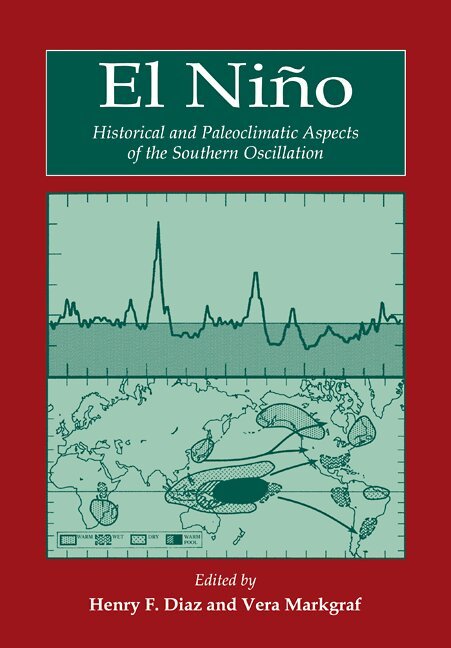
The El Nino/Southern Oscillation (ENSO) phenomenon is a recurrent feature of the climate in tropical regions. A primary example of large scale coupled ocean-atmosphere interactions, ENSO has received much attention in past years, as a result of widespread climatic anomalies (severe drought and floods, Indian monsoon failure, etc.) that are often associated with the development of such episodes. To enhance our understanding of the mechanisms involved in the low frequency behavior of ENSO and to help improve our ability to forecast the future behavior of this phenomenon, we have combined analysis of the modern aspects of ENSO morphology, modelling and variability with chapters dealing with its historical and prehistorical behavior. this volume examines different approaches to reconstructing ENSO based on a variety of proxy sources. It also illustrates how, in the past, the climatic manifestations associated with ENSO may have been different, in the frequency of occurrence as well as amplitude. This 1993 book will be of importance to all professional scientists and researchers in climatology, meteorology and the earth and environmental sciences, while graduate students in these disciplines will find the book a useful reference source.
560 kr
Skickas inom 7-10 vardagar
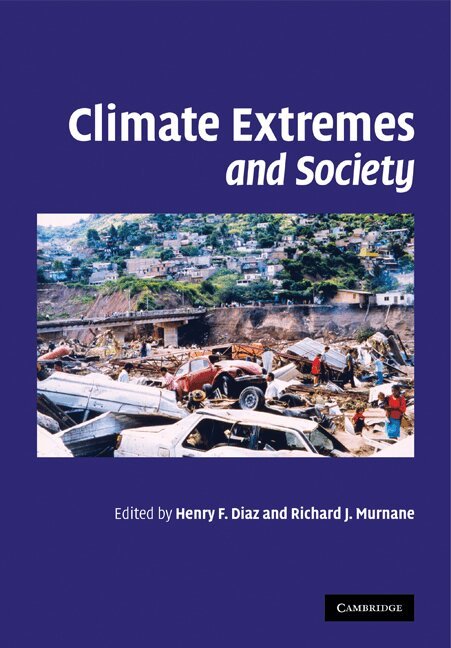
Extreme climatic events present society with significant challenges in a rapidly warming world. Ordinary citizens, the insurance industry and governments are concerned about the apparent increase in the frequency of weather and climate events causing extreme, and in some instances, catastrophic, impacts. Climate Extremes and Society focuses on the recent and potential future consequences of weather and climate extremes for different socioeconomic sectors. The book also examines actions that may enable society to better respond to climate variability. It provides examples of the impact of climate and weather extremes on society. How have these extremes varied in the past, and how might they change in the future? What type of efforts will help society adapt to potential future changes in climate and weather extremes? The book is designed for all policy-makers, engineers and scientists who have an interest in the effects of climate extremes on society.
1 903 kr
Skickas inom 7-10 vardagar
The El Nino/Southern Oscillation (ENSO) phenomenon is a recurrent feature of the climate in tropical regions. A primary example of large scale coupled ocean-atmosphere interactions, ENSO has received much attention in past years, as a result of widespread climatic anomalies (severe drought and floods, Indian monsoon failure, etc.) that are often associated with the development of such episodes. To enhance our understanding of the mechanisms involved in the low frequency behavior of ENSO and to help improve our ability to forecast the future behavior of this phenomenon, we have combined analysis of the modern aspects of ENSO morphology, modelling and variability with chapters dealing with its historical and prehistorical behavior. this volume examines different approaches to reconstructing ENSO based on a variety of proxy sources. It also illustrates how, in the past, the climatic manifestations associated with ENSO may have been different, in the frequency of occurrence as well as amplitude. This 1993 book will be of importance to all professional scientists and researchers in climatology, meteorology and the earth and environmental sciences, while graduate students in these disciplines will find the book a useful reference source.
1 508 kr
Tillfälligt slut
Extreme climatic events present society with significant challenges in a rapidly warming world. Ordinary citizens, the insurance industry and governments are concerned about the apparent increase in the frequency of weather and climate events causing extreme, and in some instances, catastrophic, impacts. Climate Extremes and Society focuses on the recent and potential future consequences of weather and climate extremes for different socioeconomic sectors. The book also examines actions that may enable society to better respond to climate variability. It provides examples of the impact of climate and weather extremes on society. How have these extremes varied in the past, and how might they change in the future? What type of efforts will help society adapt to potential future changes in climate and weather extremes? The book is designed for all policy-makers, engineers and scientists who have an interest in the effects of climate extremes on society.
852 kr
Skickas inom 10-15 vardagar
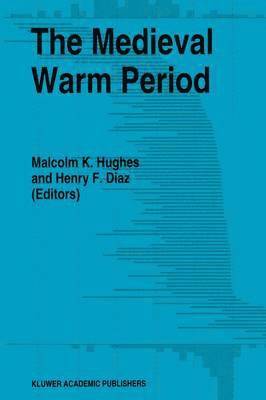
The Medieval Warm Period and the Little Ice Age are widely considered to have been the major features of the Earth's climate over the past 1000 years. In this volume, the issue of whether there really was a Medieval Warm Period, and if so, where and when, is addressed. The types of evidence examined include historical documents, tree rings, ice cores, glacial-geological records, borehole temperature, palaeoecological data and records of solar receipts inferred from cosmogenic isotopes. Growth in the availability of several of these types of data in recent years, and technical advances in their derivation and use, should warrant this re-examination of the Medieval Warm Period. The book should be of value to all those with an interest in the natural variability of the climate system - for example, those concerned with anticipating and detecting anthropogenic climate change.
1 578 kr
Skickas inom 10-15 vardagar
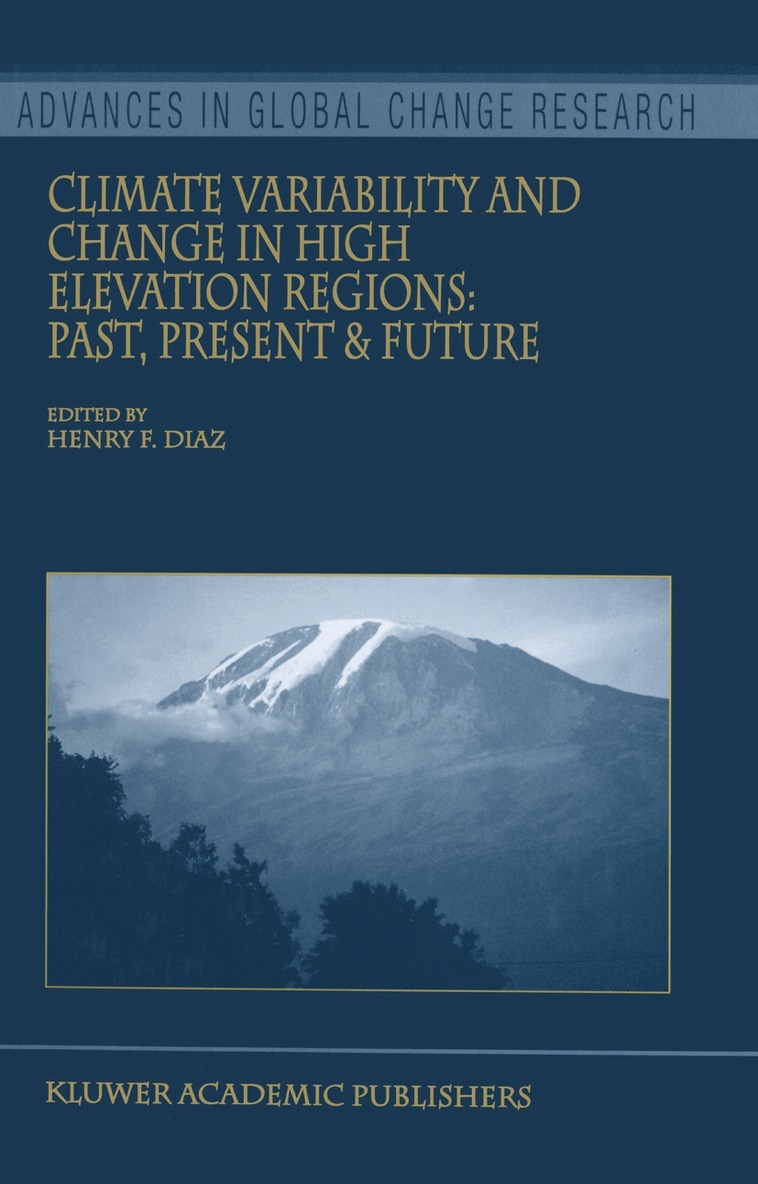
This volume provides an in-depth view of past, present and potential future climatic change in mountain regions, and in particular on the mechanisms which are responsible for this change. Other books which focus on environmental change in mountains have tended to focus more generally on the impacts of this change on mountain systems, rather than on the regional features of climatic change itself. This text enters into a high level of detail concerning results of international investigations which involve specialists from numerous climate-related disciplines. The book can be used in an academic and research context, for advanced graduate and doctoral students, as well as researchers working in various domains of relevance to climatic change issues. The book also has relevance in the context of future activities of the Intergovernmental Panel on Climate Change (IPCC), in terms of providing up-to-date knowledge of fundamental mechanisms and consequences of climatic change in mountain regions.
Climate Variability and Change in High Elevation Regions: Past, Present & Future
Inbunden, Engelska, 2003
1 064 kr
Skickas inom 10-15 vardagar
The United Nations' International Year of Mountains - 2002 can be regarded as the culmination of a long process involving research, development of research networks, a greater awareness by various sectors of society of the critical importance of mountain regions for a sustainable future, and recognition of that fact by policy makers. This volume reviews climatic trends in high elevation regions of the world, assessing the reliability of various environmental indicators that can be used for monitoring climatic change and whether physical impacts of climatic change in high elevation areas are becoming evident, as well discussing a range of monitoring strategies needed to observe and to understand the nature of such changes.
1 578 kr
Skickas inom 10-15 vardagar
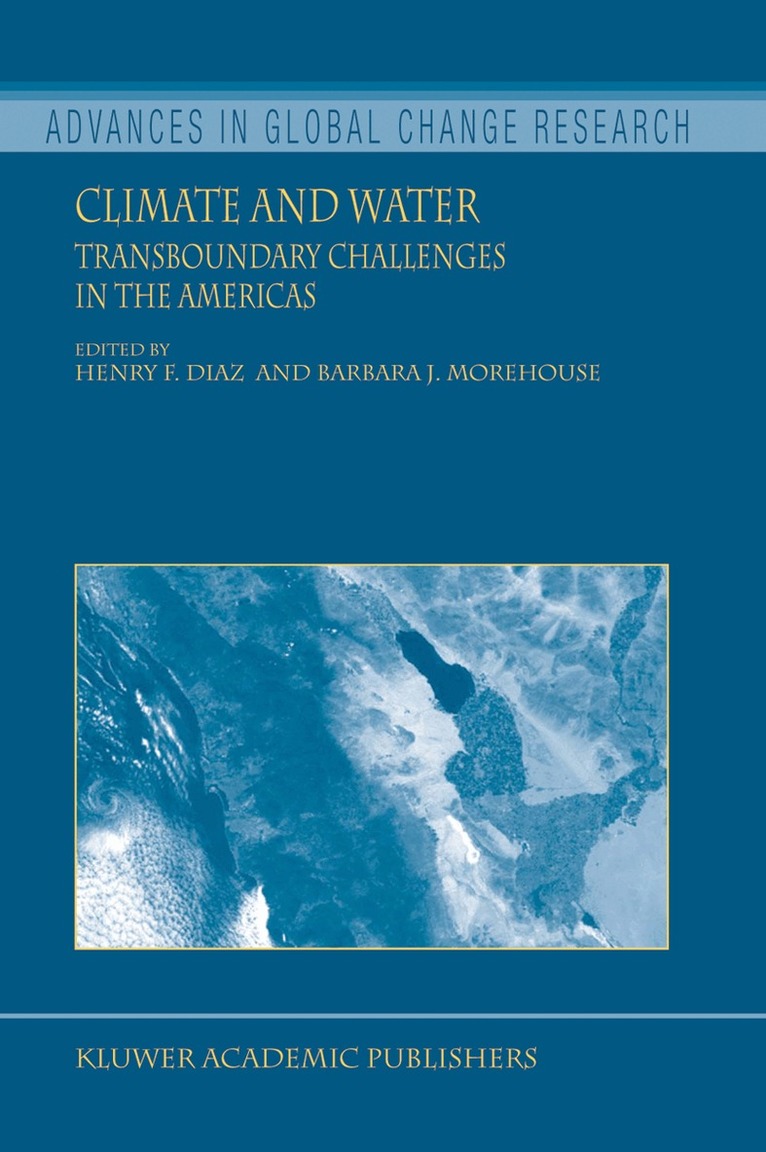
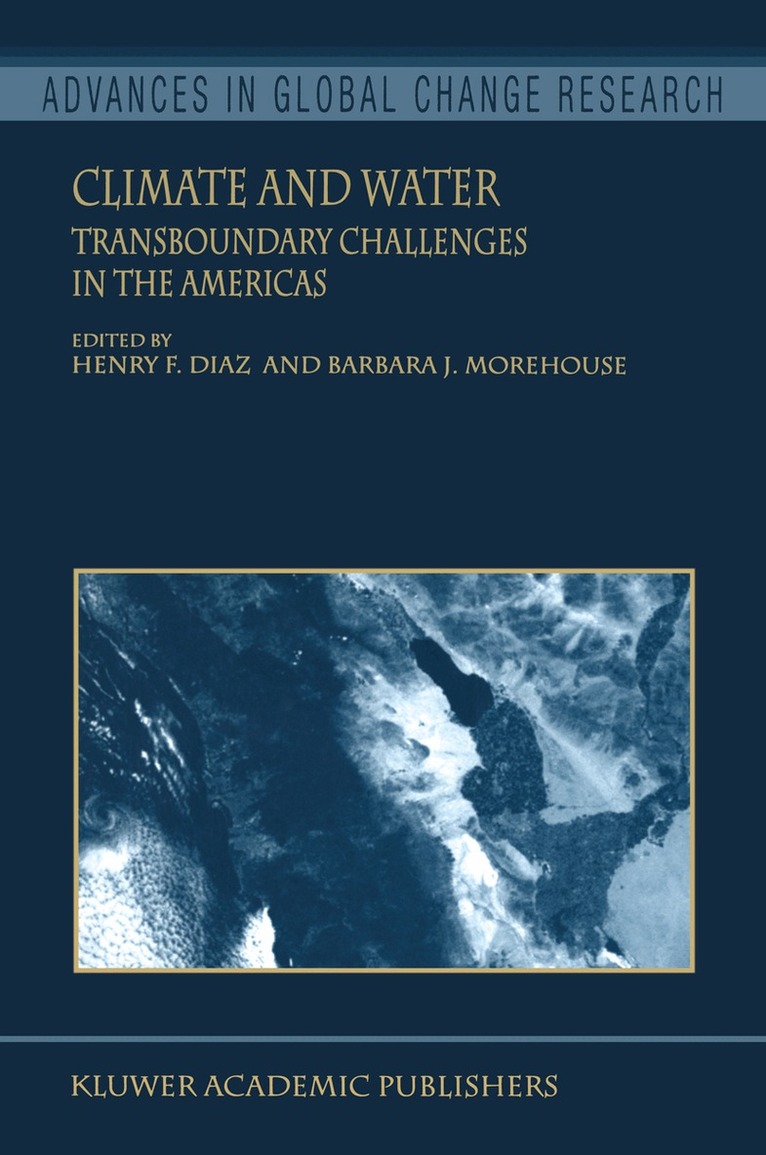
This text explores some of the ways that climate, hydrology, and water resource management converge at the borders between jurisdictions and countries in the western Hemisphere. It focuses on case studies of climate-hydrology-water resource management in diverse contexts in South, Central, and North America. The book highlights important problems arising from the very existence of boundaries drawn and defined by society. Addressing such problems takes on increasing urgency as the world becomes ever more inter-connected and interdependent. Target groups for this book include water resource managers and decision makers at levels from the international to the local; scientists involved in interdisciplinary studies of basic and applied climatology, hydrology, and environmental studies; and readers specializing in institutional analyses, including transboundary water law, policy analysis, and risk assessment.
2 101 kr
Skickas inom 10-15 vardagar
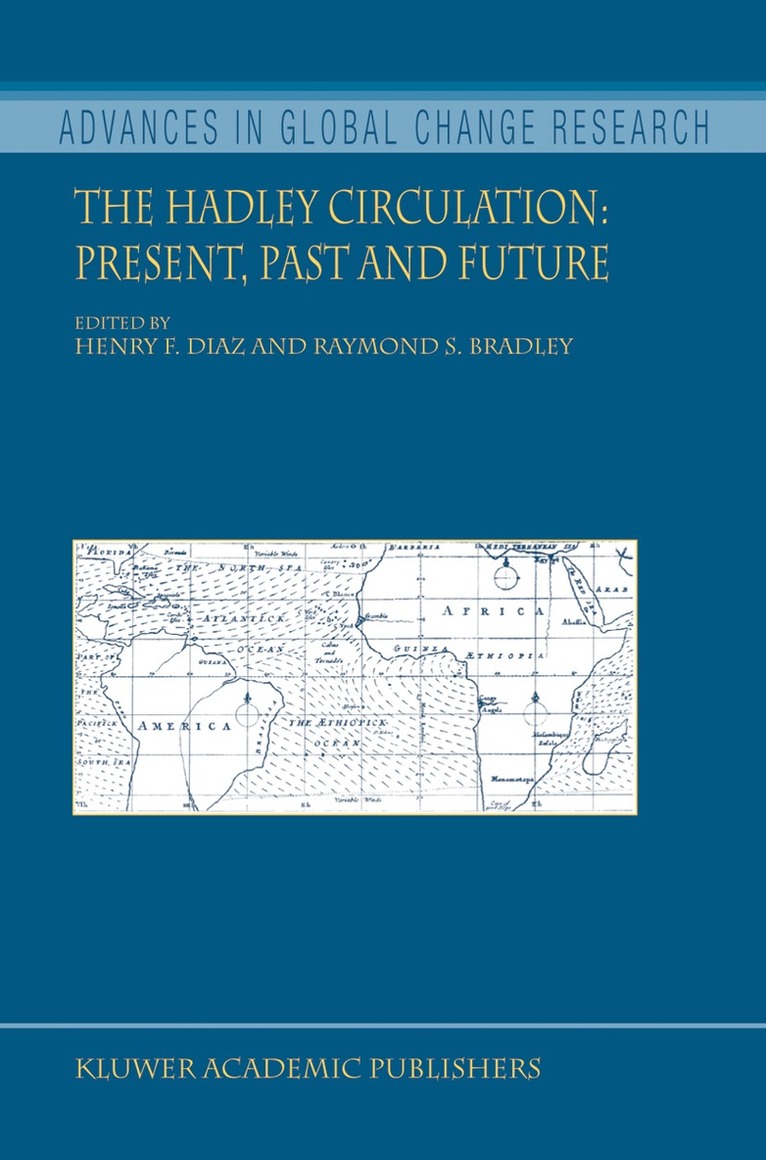
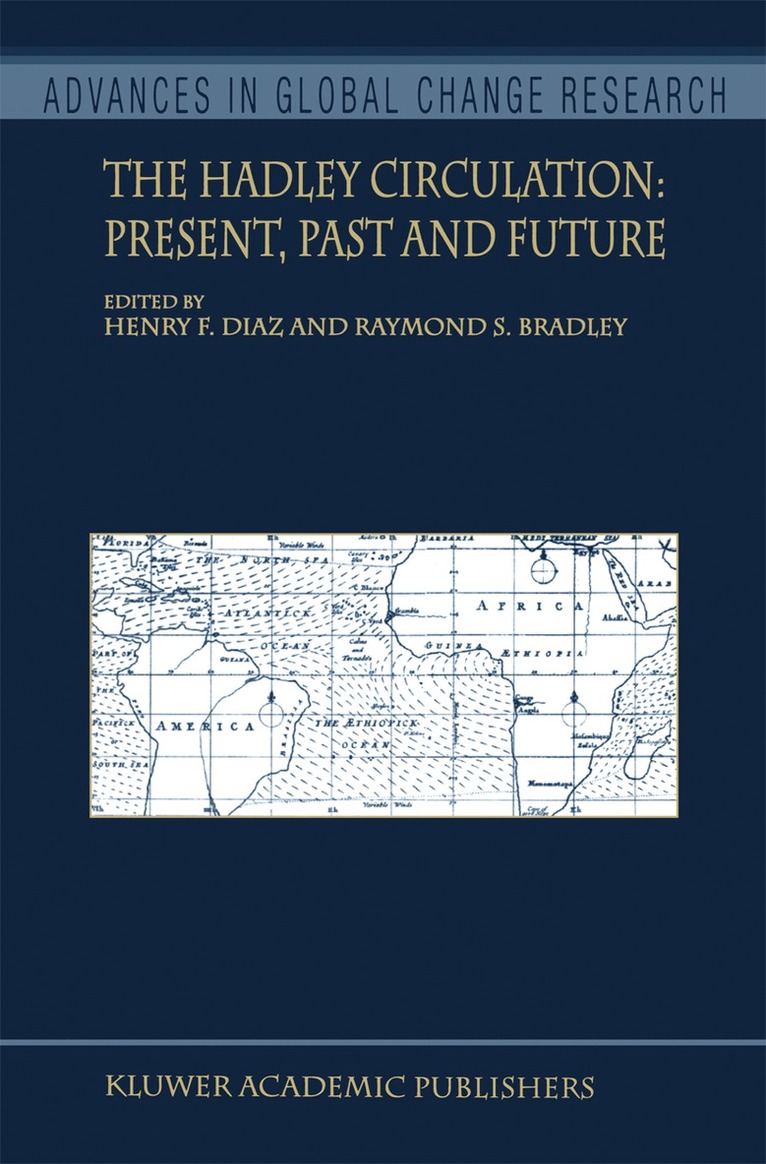
Climate dynamicists generally characterize the Hadley circulation in terms of some derived meteorological parameters, such as the mass stream function (the nondivergent part of the flow) or the velocity potential (the divergent circulation), both of which are based on measurements of the three-dimensional wind field. Yet, we know very little about how such in- ces have varied in the past—beyond the most recent decades. Paleocli- tologists are unable to reconstruct such indices, so long-term reconstructions of the Hadley circulation must be based on indirect characteristics that can be in some way plausibly linked to the dynamics of the system. Rec- structed quantities, such as precipitation amount, position and strength of the trade winds, and the location of the Intertropical Convergence Zone (ITCZ), have all been derived from different types of paleoclimatic (proxy) data, and could be potentially useful in understanding key aspects of past variability in the Hadley system. While these studies all provide an important perspective on changes that have taken place within the Hadley circulation, there has been little - fort to tie individual studies together, to obtain a more comprehensive p- spective on the overall variability of the system. With this in mind, a thr- day meeting was held at the International Pacific Research Center, Ho- lulu, Hawaii, in November 2002. This was the first time that climatologists, paleoclimatologists, and modelers had met with the specific goal of exam- ing this important part of the climate system.
1 578 kr
Skickas inom 10-15 vardagar
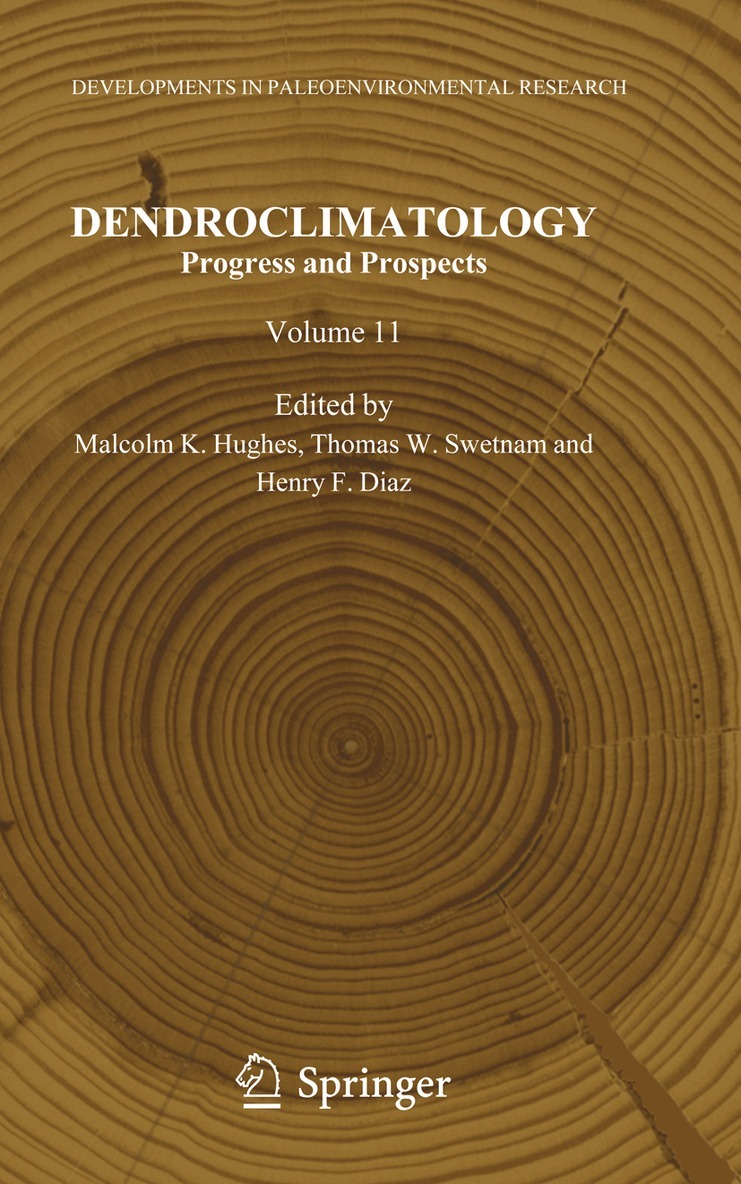
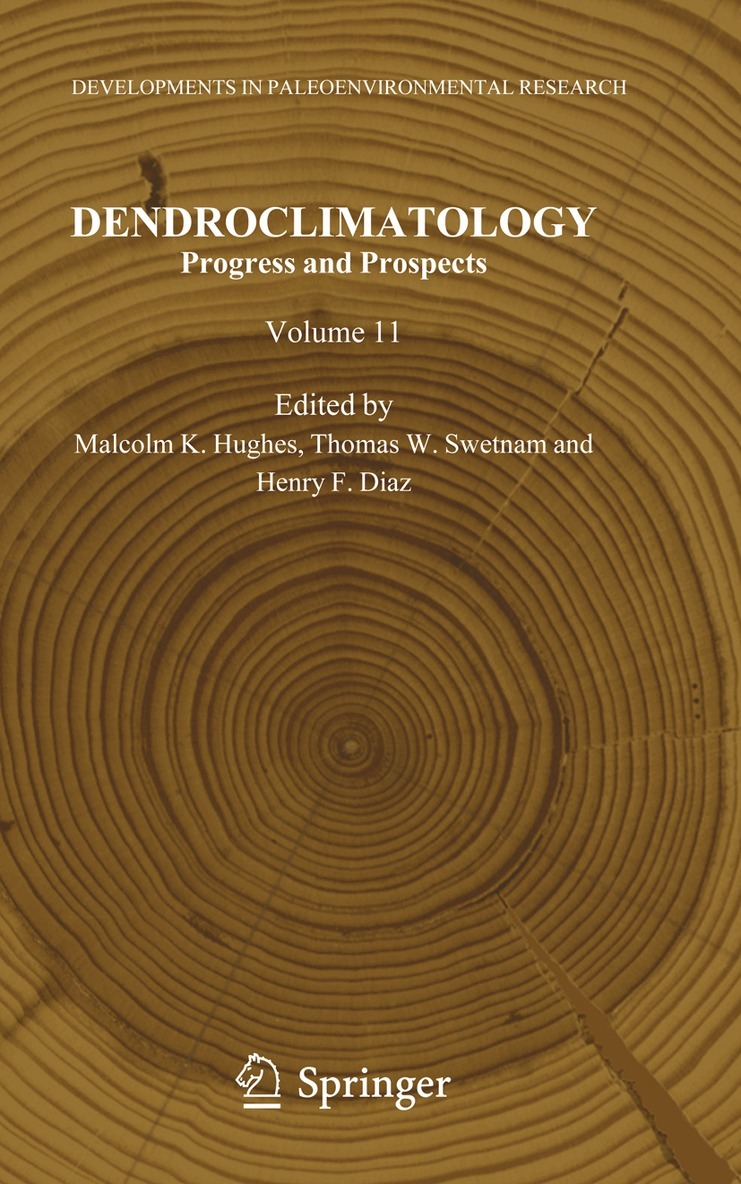
A top priority in climate research is obtaining broad-extent and long-term data to support analyses of historical patterns and trends, and for model development and evaluation. Along with directly measured climate data from the present and recent past, it is important to obtain estimates of long past climate variations spanning multiple centuries and millennia. These longer time perspectives are needed for assessing the unusualness of recent climate changes, as well as for providing insight on the range, variation and overall dynamics of the climate system over time spans exceeding available records from instruments, such as rain gauges and thermometers. Tree rings have become increasingly valuable in providing this long-term information because extensive data networks have been developed in temperate and boreal zones of the Earth, and quantitative methods for analyzing these data have advanced. Tree rings are among the most useful paleoclimate information sources available because they provide a high degree of chronological accuracy, high replication, and extensive spatial coverage spanning recent centuries. With the expansion and extension of tree-ring data and analytical capacity new climatic insights from tree rings are being used in a variety of applications, including for interpretation of past changes in ecosystems and human societies. This volume presents an overview of the current state of dendroclimatology, its contributions over the last 30 years, and its future potential. The material included is useful not only to those who generate tree-ring records of past climate-dendroclimatologists, but also to users of their results-climatologists, hydrologists, ecologists and archeologists. ‘With the pressing climatic questions of the 21st century demanding a deeper understanding of the climate system and our impact upon it, this thoughtful volume comes at critical moment. It will be of fundamental importance in notonly guiding researchers, but in educating scientists and the interested lay person on the both incredible power and potential pitfalls of reconstructing climate using tree-ring analysis.’, Glen M. MacDonald, UCLA Institute of the Environment, CA, USA ‘This is an up-to-date treatment of all branches of tree-ring science, by the world’s experts in the field, reminding us that tree rings are the most important source of proxy data on climate change. Should be read by all budding dendrochronology scientists.’, Alan Robock, Rutgers University, NJ, USA
1 578 kr
Skickas inom 10-15 vardagar
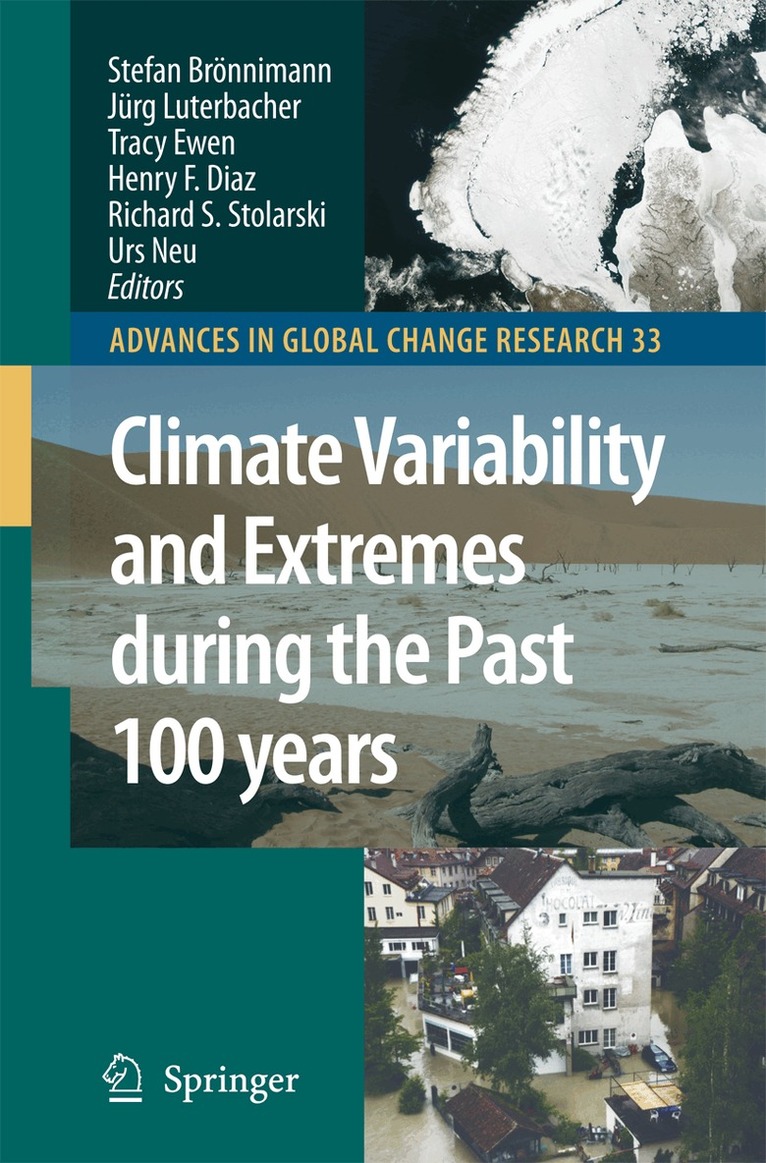
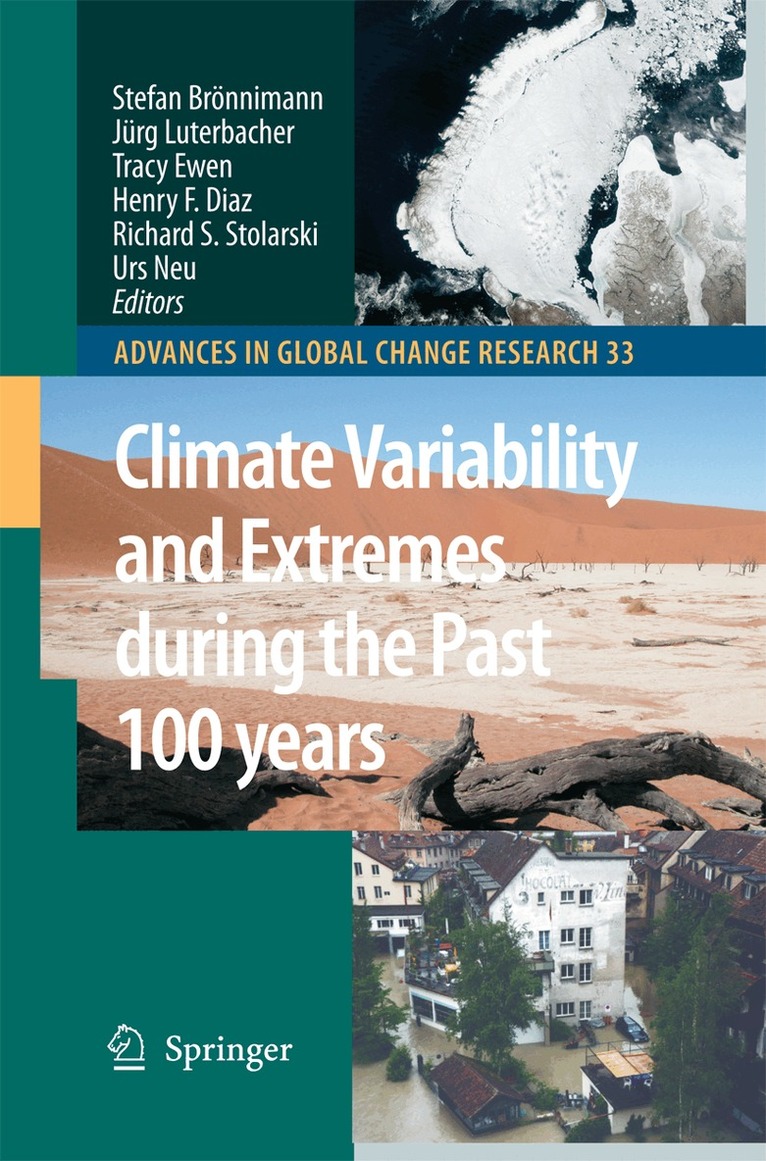
Large progress has been made in the past few years towards quantifying and understanding climate variability during past centuries. At the same time, present-day climate has been studied using state-of-the-art data sets and tools with respect to the physical and chemical mechanisms governing climate variability. Both the understanding of the past and the knowledge of the processes are important for assessing and attributing the anthropogenic effect on present and future climate. The most important time period in this context is the past approximately 100 years, which comprises large natural variations and extremes (such as long droughts) as well as anthropogenic influences, most pronounced in the past few decades. Recent and ongoing research efforts steadily improve the observational record of the 20th century, while atmospheric circulation models are used to underpin the mechanisms behind large climatic variations. Atmospheric chemistry and composition are important for understanding climate variability and change, and considerable progress has been made in the past few years in this field. The evolving integration of these research areas in a more comprehensive analysis of recent climate variability was reflected in the organisation of a workshop “Climate variability and extremes in the past 100 years” in Gwatt near Thun (Switzerland), 24–26 July 2006. The aim of this workshop was to bring together scientists working on data issues together with statistical climatologists, modellers, and atmospheric chemists to discuss gaps in our understanding of climate variability during the past approximately 100 years.
1 064 kr
Skickas inom 10-15 vardagar
Hurricanes of the North Atlantic Ocean have left their imprint on the landscape and human cultures for thousands of years. In modern times, fewer lifes have been lost due, in part, to the development of modern communication systems, and to improved understanding of the mechanisms of storm formation and movement. However, the immense growth of human populations in coastal areas, which are at risk to hurricanes, has resulted in very large increases in the amount of property damage sustained in the last decade in the Atlantic, Gulf of Mexico and Caribbean regions. This book is of interest to climatologists and meteorologists and as source of information for policymakers and emergency management planners.
1 578 kr
Skickas inom 10-15 vardagar
This book provides a unique, in-depth view of past, present and potential future climatic change in mountain regions, and in particular on the mechanisms which are responsible for this change. Other books which focus on environmental change in mountains focus more generally on the impacts of this change on mountain systems, rather than on the regional features of climatic change itself. The book enters into a high level of detail concerning results of international investigations which involve specialists from numerous climate-related disciplines. The book can be used in an academic and research context, for advanced graduate and doctoral students, as well as researchers working in various domains of relevance to climatic change issues. The book also has relevance in the context of future activities of the Intergovernmental Panel on Climate Change (IPCC), in terms of providing up-to-date knowledge of fundamental mechanisms and consequences of climatic change in mountain regions.
Climate Variability and Change in High Elevation Regions: Past, Present & Future
Häftad, Engelska, 2010
1 064 kr
Skickas inom 10-15 vardagar
The world's mountain systems, including the people in them, have gained international attention in the last few decades. The United Nations' International Year of Mountains-2002 can be regarded as the culmination of a long process involving research, development of research networks, a greater awareness by various sectors of society of the critical importance of mountain regions for a sustainable future, and recognition of that fact by policy makers. This volume reviews recent climatic trends in high elevation regions of the world, assessing the reliability of various environmental indicators that can be used for monitoring climatic change, and assessing whether physical impacts of climatic change in high elevation areas are becoming evident, and to discuss a range of monitoring strategies needed to observe and to understand the nature of such changes.
1 578 kr
Skickas inom 10-15 vardagar
Climate and Water: Transboundary Challenges in the Americas explores some of the ways that climate, hydrology, and water resource management converge at the borders between jurisdictions and countries in the western Hemisphere. This book is unique in focusing on case studies of climate-hydrology-water resource management in diverse contexts in South, Central, and North America. This book is singular in highlighting important problems arising from the very existence of boundaries drawn and defined by society. Addressing such problems takes on increasing urgency as the world becomes ever more inter connected and interdependent. Target groups for this book include water resource managers and decision makers at levels from the international to the local; scientists involved in interdisciplinary studies of basic and applied climatology, hydrology, and environmental studies; and readers specializing in institutional analyses, including transboundary water law, policy analysis, and risk assessment. This book is also a useful text for college classes addressing natural resources management in general, and the transfer of scientific knowledge to society.
2 101 kr
Skickas inom 10-15 vardagar
Climate dynamicists generally characterize the Hadley circulation in terms of some derived meteorological parameters, such as the mass stream function (the nondivergent part of the flow) or the velocity potential (the divergent circulation), both of which are based on measurements of the three-dimensional wind field. Yet, we know very little about how such in- ces have varied in the past—beyond the most recent decades. Paleocli- tologists are unable to reconstruct such indices, so long-term reconstructions of the Hadley circulation must be based on indirect characteristics that can be in some way plausibly linked to the dynamics of the system. Rec- structed quantities, such as precipitation amount, position and strength of the trade winds, and the location of the Intertropical Convergence Zone (ITCZ), have all been derived from different types of paleoclimatic (proxy) data, and could be potentially useful in understanding key aspects of past variability in the Hadley system. While these studies all provide an important perspective on changes that have taken place within the Hadley circulation, there has been little - fort to tie individual studies together, to obtain a more comprehensive p- spective on the overall variability of the system. With this in mind, a thr- day meeting was held at the International Pacific Research Center, Ho- lulu, Hawaii, in November 2002. This was the first time that climatologists, paleoclimatologists, and modelers had met with the specific goal of exam- ing this important part of the climate system.
1 578 kr
Skickas inom 10-15 vardagar
A top priority in climate research is obtaining broad-extent and long-term data to support analyses of historical patterns and trends, and for model development and evaluation. Along with directly measured climate data from the present and recent past, it is important to obtain estimates of long past climate variations spanning multiple centuries and millennia. These longer time perspectives are needed for assessing the unusualness of recent climate changes, as well as for providing insight on the range, variation and overall dynamics of the climate system over time spans exceeding available records from instruments, such as rain gauges and thermometers. Tree rings have become increasingly valuable in providing this long-term information because extensive data networks have been developed in temperate and boreal zones of the Earth, and quantitative methods for analyzing these data have advanced. Tree rings are among the most useful paleoclimate information sources available because they provide a high degree of chronological accuracy, high replication, and extensive spatial coverage spanning recent centuries. With the expansion and extension of tree-ring data and analytical capacity new climatic insights from tree rings are being used in a variety of applications, including for interpretation of past changes in ecosystems and human societies. This volume presents an overview of the current state of dendroclimatology, its contributions over the last 30 years, and its future potential. The material included is useful not only to those who generate tree-ring records of past climate-dendroclimatologists, but also to users of their results-climatologists, hydrologists, ecologists and archeologists. ‘With the pressing climatic questions of the 21st century demanding a deeper understanding of the climate system and our impact upon it, this thoughtful volume comes at critical moment. It will be of fundamental importance in notonly guiding researchers, but in educating scientists and the interested lay person on the both incredible power and potential pitfalls of reconstructing climate using tree-ring analysis.’, Glen M. MacDonald, UCLA Institute of the Environment, CA, USA ‘This is an up-to-date treatment of all branches of tree-ring science, by the world’s experts in the field, reminding us that tree rings are the most important source of proxy data on climate change. Should be read by all budding dendrochronology scientists.’, Alan Robock, Rutgers University, NJ, USA
1 578 kr
Skickas inom 10-15 vardagar
Large progress has been made in the past few years towards quantifying and understanding climate variability during past centuries. At the same time, present-day climate has been studied using state-of-the-art data sets and tools with respect to the physical and chemical mechanisms governing climate variability. Both the understanding of the past and the knowledge of the processes are important for assessing and attributing the anthropogenic effect on present and future climate. The most important time period in this context is the past approximately 100 years, which comprises large natural variations and extremes (such as long droughts) as well as anthropogenic influences, most pronounced in the past few decades. Recent and ongoing research efforts steadily improve the observational record of the 20th century, while atmospheric circulation models are used to underpin the mechanisms behind large climatic variations. Atmospheric chemistry and composition are important for understanding climate variability and change, and considerable progress has been made in the past few years in this field. The evolving integration of these research areas in a more comprehensive analysis of recent climate variability was reflected in the organisation of a workshop “Climate variability and extremes in the past 100 years” in Gwatt near Thun (Switzerland), 24–26 July 2006. The aim of this workshop was to bring together scientists working on data issues together with statistical climatologists, modellers, and atmospheric chemists to discuss gaps in our understanding of climate variability during the past approximately 100 years.
536 kr
Skickas inom 10-15 vardagar
The Medieval Warm Period and the Little Ice Age are widely considered to have been the major features of the Earth's climate over the past 1000 years. In this volume the issue of whether there really was a Medieval Warm Period, and if so, where and when, is addressed. The types of evidence examined include historical documents, tree rings, ice cores, glacial-geological records, borehole temperature, paleoecological data and records of solar receipts inferred from cosmogenic isotopes. Growth in the availability of several of these types of data in recent years, and technical advances in their derivation and use, warrant this state-of-the-art re-examination of Medieval Warm Period. The book will be of value to all those with an interest in the natural variability of the climate system, for example those concerned with anticipating and detecting anthropogenic climate change.