Hesham Sallam – Författare
Visar alla böcker från författaren Hesham Sallam. Handla med fri frakt och snabb leverans.
5 produkter
5 produkter
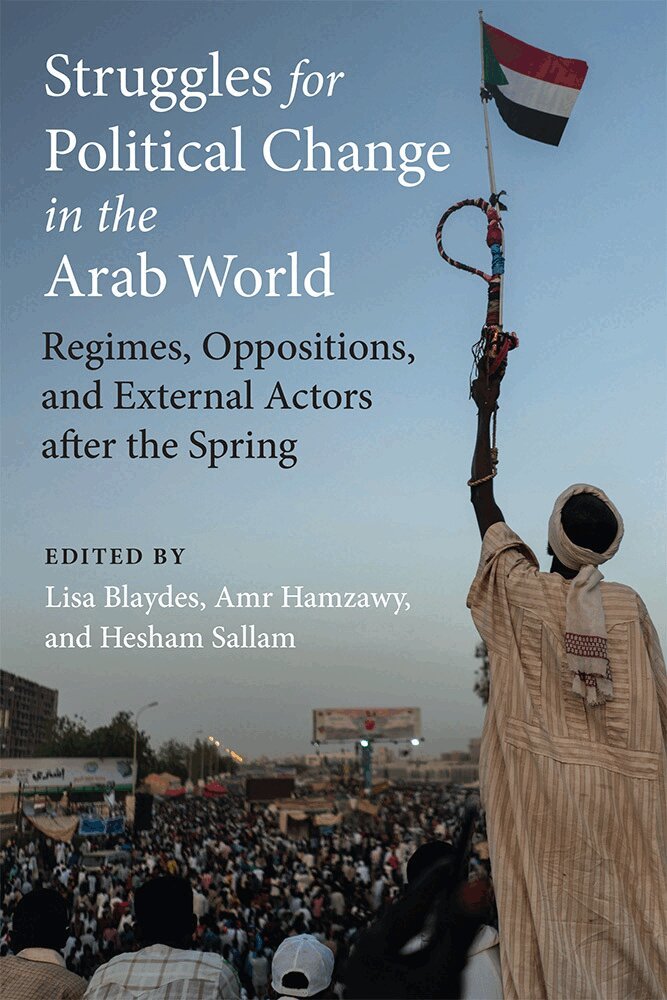
Struggles for Political Change in the Arab World
Regimes, Oppositions, and External Actors after the Spring
Häftad, Engelska, 2022
514 kr
Skickas inom 7-10 vardagar
The advent of the Arab Spring in late 2010 was a hopeful moment for partisans of progressive change throughout the Arab world. Authoritarian leaders who had long stood in the way of meaningful political reform in the countries of the region were either ousted or faced the possibility of political if not physical demise. The downfall of long-standing dictators as they faced off with strong-willed protesters was a clear sign that democratic change was within reach. Throughout the last ten years, however, the Arab world has witnessed authoritarian regimes regaining resilience, pro-democracy movements losing momentum, and struggles between the first and the latter involving regional and international powers.This volume explains how relevant political players in Arab countries among regimes, opposition movements, and external actors have adapted ten years after the onset of the Arab Spring. It includes contributions on Egypt, Morocco, Kuwait, Saudi Arabia, Syria, Algeria, Sudan, Lebanon, Iraq, Jordan, Yemen, and Tunisia. It also features studies on the respective roles of the United States, China, Iran, and Turkey vis-à-vis questions of political change and stability in the Arab region, and includes a study analyzing the role of Saudi Arabia and its allies in subverting revolutionary movements in other countries.
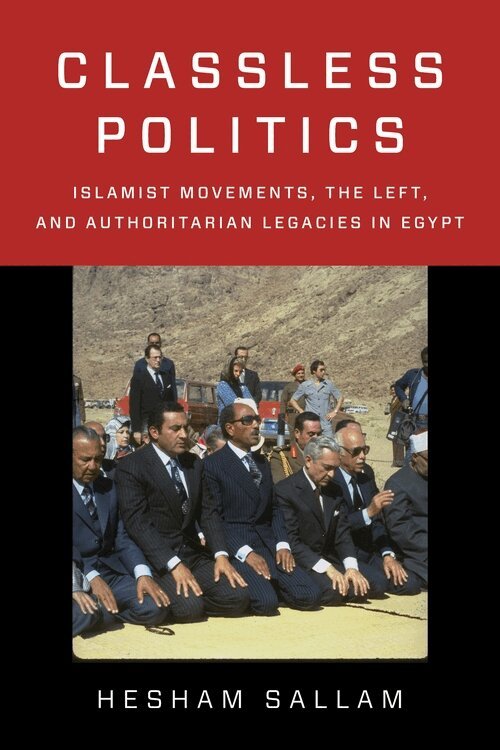
Classless Politics
Islamist Movements, the Left, and Authoritarian Legacies in Egypt
Inbunden, Engelska, 2022
1 272 kr
Skickas inom 7-10 vardagar
Since the 1970s, the Egyptian state has embarked on a far-reaching and destabilizing project of economic liberalization, reneging on its commitments to social welfare. Despite widespread socioeconomic grievances stemming from these policies, class politics and battles over wealth redistribution have largely been sidelined from elite-led national politics. Instead, conflicts over identity have raged, as Islamist movements became increasingly prominent political players.Classless Politics offers a counterintuitive account of the relationship between neoliberal economics and Islamist politics in Egypt that sheds new light on the worldwide trend of “more identity, less class.” Hesham Sallam examines why Islamist movements have gained support at the expense of the left, even amid conflicts over the costs of economic reforms. Rather than highlighting the stagnancy of the left or the agility of Islamists, he pinpoints the historical legacies of authoritarian survival strategies. As the regime resorted to economic liberalization in the 1970s, it tacitly opened political space for Islamist movements to marginalize its leftist opponents. In the long run, this policy led to the fragmentation of opponents of economic reform, the increased salience of cultural conflicts within the left, and the restructuring of political life around questions of national and religious identity.Historically rich and theoretically insightful, this book demonstrates how the participation of Islamist groups shapes the politics of neoliberal reform and addresses why economic liberalization since the 1970s has contributed to the surge in culture wars around the world today.
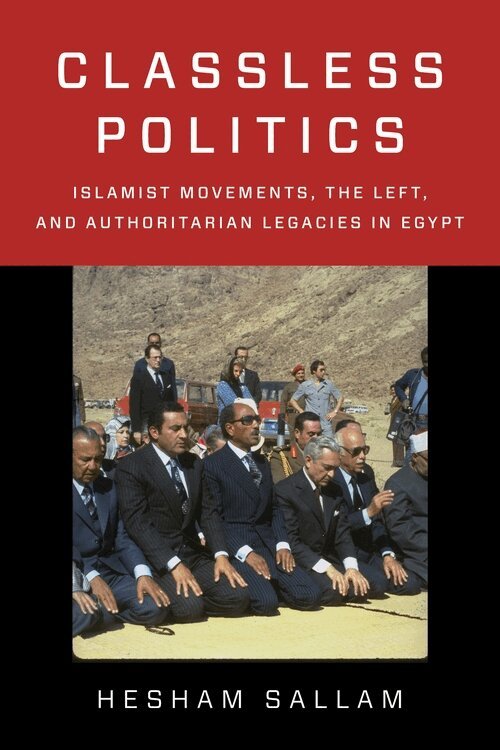
Classless Politics
Islamist Movements, the Left, and Authoritarian Legacies in Egypt
Häftad, Engelska, 2022
323 kr
Skickas inom 7-10 vardagar
Since the 1970s, the Egyptian state has embarked on a far-reaching and destabilizing project of economic liberalization, reneging on its commitments to social welfare. Despite widespread socioeconomic grievances stemming from these policies, class politics and battles over wealth redistribution have largely been sidelined from elite-led national politics. Instead, conflicts over identity have raged, as Islamist movements became increasingly prominent political players.Classless Politics offers a counterintuitive account of the relationship between neoliberal economics and Islamist politics in Egypt that sheds new light on the worldwide trend of “more identity, less class.” Hesham Sallam examines why Islamist movements have gained support at the expense of the left, even amid conflicts over the costs of economic reforms. Rather than highlighting the stagnancy of the left or the agility of Islamists, he pinpoints the historical legacies of authoritarian survival strategies. As the regime resorted to economic liberalization in the 1970s, it tacitly opened political space for Islamist movements to marginalize its leftist opponents. In the long run, this policy led to the fragmentation of opponents of economic reform, the increased salience of cultural conflicts within the left, and the restructuring of political life around questions of national and religious identity.Historically rich and theoretically insightful, this book demonstrates how the participation of Islamist groups shapes the politics of neoliberal reform and addresses why economic liberalization since the 1970s has contributed to the surge in culture wars around the world today.
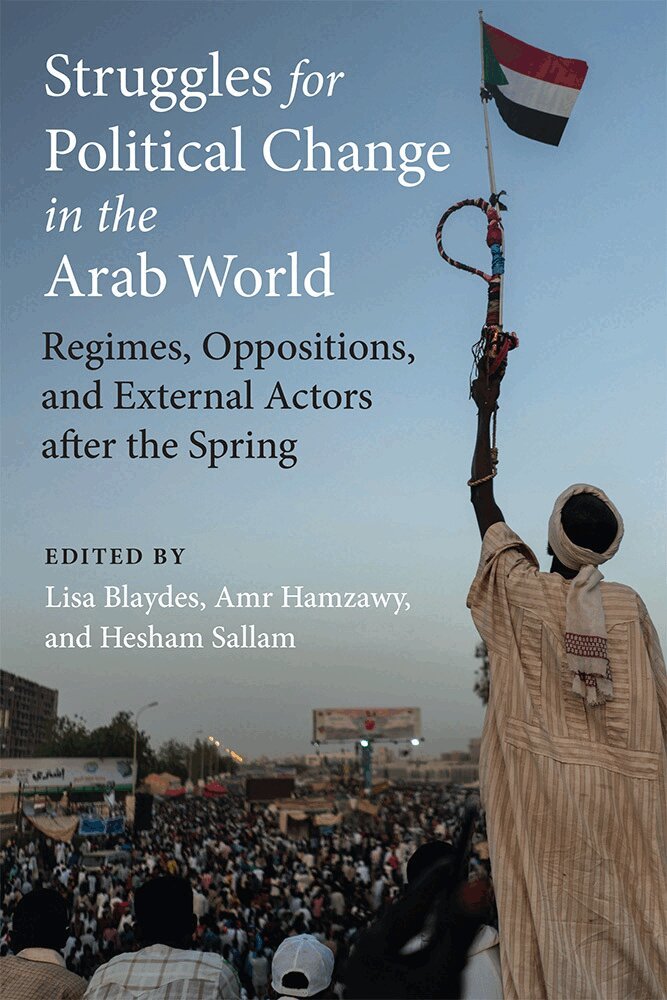
Struggles for Political Change in the Arab World
Regimes, Oppositions, and External Actors after the Spring
Inbunden, Engelska, 2022
1 190 kr
Skickas inom 7-10 vardagar
The advent of the Arab Spring in late 2010 was a hopeful moment for partisans of progressive change throughout the Arab world. Authoritarian leaders who had long stood in the way of meaningful political reform in the countries of the region were either ousted or faced the possibility of political if not physical demise. The downfall of long-standing dictators as they faced off with strong-willed protesters was a clear sign that democratic change was within reach. Throughout the last ten years, however, the Arab world has witnessed authoritarian regimes regaining resilience, pro-democracy movements losing momentum, and struggles between the first and the latter involving regional and international powers.This volume explains how relevant political players in Arab countries among regimes, opposition movements, and external actors have adapted ten years after the onset of the Arab Spring. It includes contributions on Egypt, Morocco, Kuwait, Saudi Arabia, Syria, Algeria, Sudan, Lebanon, Iraq, Jordan, Yemen, and Tunisia. It also features studies on the respective roles of the United States, China, Iran, and Turkey vis-à-vis questions of political change and stability in the Arab region, and includes a study analyzing the role of Saudi Arabia and its allies in subverting revolutionary movements in other countries.
Egypt's Parliamentary Elections, 2011-2012: A Critical Guide to a Changing Political Arena
Häftad, Engelska
309 kr
Skickas inom 3-6 vardagar