Amr Hamzawy – författare
Visar alla böcker från författaren Amr Hamzawy. Handla med fri frakt och snabb leverans.
8 produkter
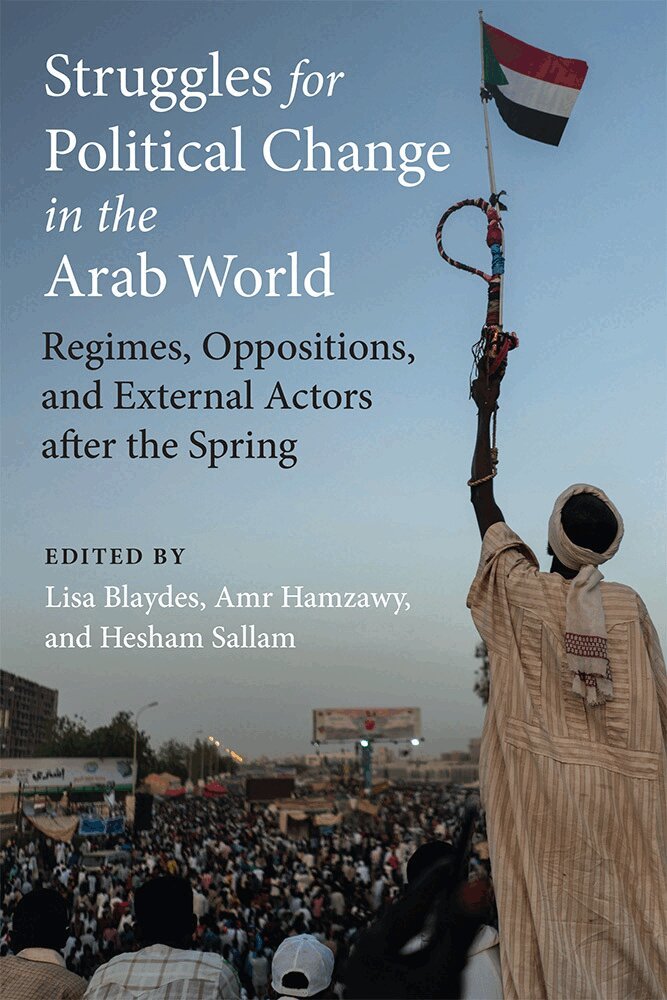
Struggles for Political Change in the Arab World
Regimes, Oppositions, and External Actors after the Spring
Av Lisa Blaydes, Amr Hamzawy m. fl.
Häftad, 2022
514 kr
Lägg i varukorg
The advent of the Arab Spring in late 2010 was a hopeful moment for partisans of progressive change throughout the Arab world. Authoritarian leaders who had long stood in the way of meaningful political reform in the countries of the region were either ousted or faced the possibility of political …
Struggles for Political Change in the Arab World
Regimes, Oppositions, and External Actors after the Spring
Av Lisa Blaydes, Amr Hamzawy m. fl.
Inbunden, 2022
1263 kr
Lägg i varukorg
The advent of the Arab Spring in late 2010 was a hopeful moment for partisans of progressive change throughout the Arab world. Authoritarian leaders who had long stood in the way of meaningful political reform in the countries of the region were either ousted or faced the possibility of political …
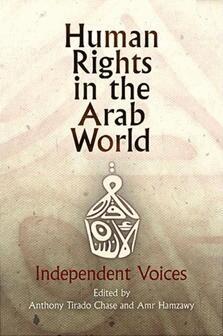
Human Rights in the Arab World
Independent Voices
E-bok, 2013
510 kr
Lägg i varukorg
Why have human rights been marginalized in the Arab world? How do we gauge the relevance of human rights in the region, given the political, social, and economic context? What are the practical and theoretical obstacles to the implementation of these rights?Human Rights in the Arab World: …
Getting to Pluralism
Political Actors in the Arab World
Av Amr Hamzawy
Häftad, 2022
258 kr
Lägg i varukorg
Getting to Pluralism
Political Actors in the Arab World
Av Marina Ottaway, Amr Hamzawy
E-bok, 2012
228 kr
Lägg i varukorg
Pluralism in the Arab world has not yet matured into functional democratic politics. While ruling establishments, Islamist movements, and secular parties have introduced a much greater degree of pluralism into Arab societies, the imbalance of power and interdependence among these actors limits both …
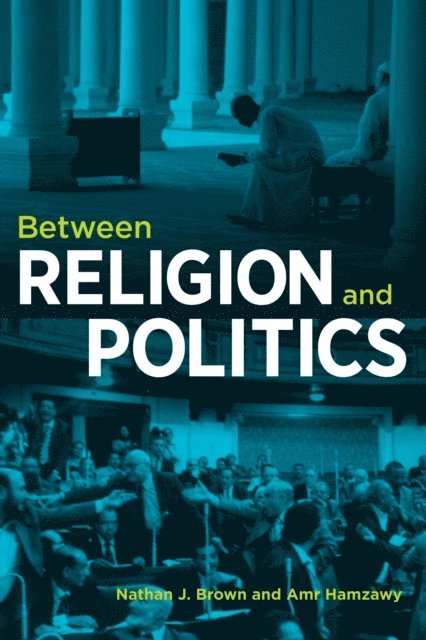
Between Religion and Politics
Av Nathan J. Brown, Amr Hamzawy
E-bok, 2010
224 kr
Lägg i varukorg
In recent decades, Islamist political movements in many Arab countries have strategically invested in a political process that was stacked heavily against them. And, to the surprise of many, they have actually succeeded by gaining more seats in parliaments and demonstrating their position as the …
Human Rights in the Arab World
Independent Voices
Häftad, 2008
404 kr
Tillfälligt slut
Why have human rights been marginalized in the Arab world? How do we gauge the relevance of human rights in the region, given the political, social, and economic context? What are the practical and theoretical obstacles to the implementation of these rights?Human Rights in the Arab World: …