I. Randolph Daniel – författare
Visar alla böcker från författaren I. Randolph Daniel. Handla med fri frakt och snabb leverans.
3 produkter
3 produkter
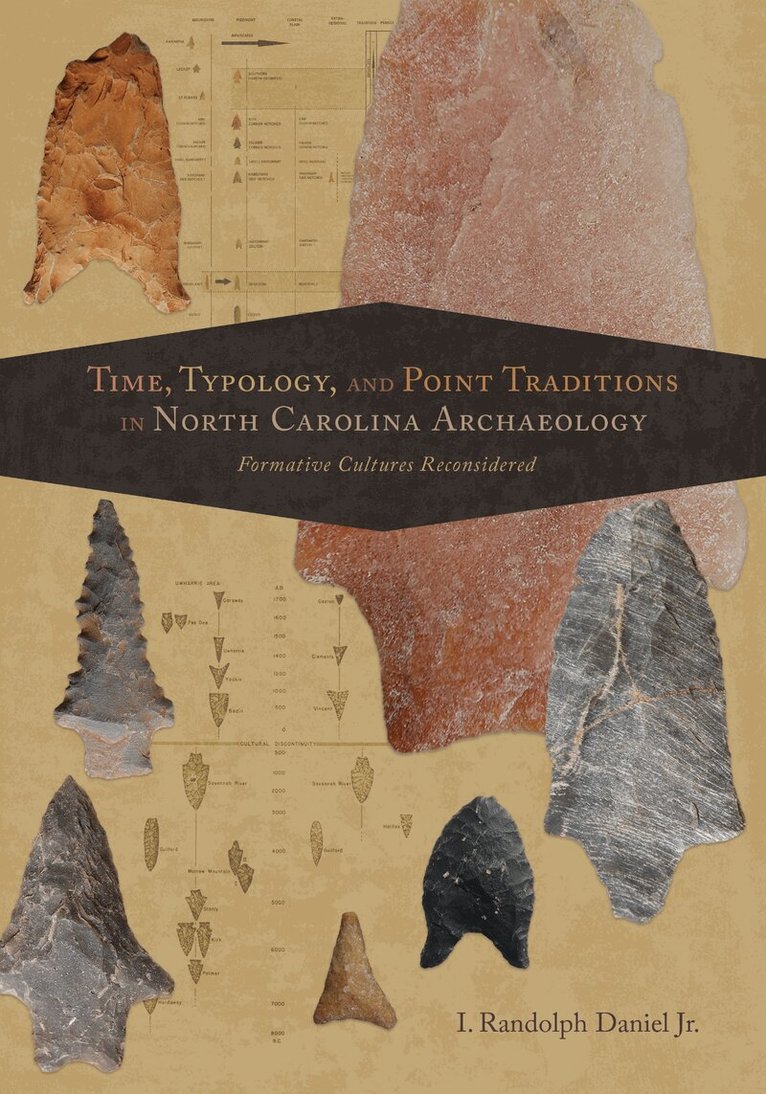
Time, Typology, and Point Traditions in North Carolina Archaeology
Formative Cultures Reconsidered
Inbunden, Engelska, 2021
659 kr
Skickas inom 7-10 vardagar
A reconsideration of the seminal projectile point typologyIn the 1964 landmark publication The Formative Cultures of the Carolina Piedmont, Joffre Coe established a projectile point typology and chronology that, for the first time, allowed archaeologists to identify the relative age of a site or site deposit based on the point types recovered there. Consistent with the cultural-historical paradigm of the day, the “Coe axiom” stipulated that only one point type was produced at one moment in time in a particular location. Moreover, Coe identified periods of “cultural continuity” and “discontinuity” in the chronology based on perceived similarities and differences in point styles through time.In Time, Typology, and Point Traditions in North Carolina Archaeology: Formative Cultures Reconsidered, I. Randolph Daniel Jr. reevaluates the Coe typology and sequence, analyzing their strengths and weaknesses. Daniel reviews the history of the projectile point type concept in the Southeast and revisits both Coe’s axiom and his notions regarding cultural continuity and change based on point types. In addition, Daniel updates Coe’s typology by clarifying or revising existing types and including types unrecognized in Coe’s monograph. Daniel also adopts a practice-centered approach to interpreting types and organizes them into several technological traditions that trace ancestral- descendent communities of practice that relate to our current understanding of North Carolina prehistory.Appealing to professional and avocational archaeologists, Daniel provides ample illustrations of points in the book as well as color versions on a dedicated website. Daniel dedicates a final chapter to a discussion of the ethical issues related to professional archaeologists using private artifact collections. He calls for greater collaboration between professional and avocational communities, noting the scientific value of some private collections.
428 kr
Skickas inom 7-10 vardagar
The definitive book on what is known about the Late Pleistocene and Early Holocene archaeological record in the SoutheastThe 1996 benchmark volume The Paleoindian and Early Archaic Southeast, edited by David G. Anderson and Kenneth E. Sassaman, was the first study to summarize what was known of the peoples who lived in the Southeast when ice sheets covered the northern part of the continent and mammals such as mammoths, saber-toothed cats, and ground sloths roamed the landscape.The American Southeast at the End of the Ice Age provides an updated, definitive synthesis of current archaeological research gleaned from an array of experts in the region. It is organized in three parts: state records, the regional perspective, and reflections and future directions. Chapters survey a diversity of topics including the distribution of the earliest archaeological sites in the region, chipped-stone tool technology, the expanding role of submerged archaeology, hunter-gatherer lifeways, past climate changes and the extinction of megafauna on the transitional landscape, and evidence of demographic changes at the end of the Ice Age. Discussion of the ethical responsibilities regarding the use of private collections and the relationship of archaeologists and the avocational community, insight from outside the Southeast, and considerations for future research round out the volume.
324 kr
Skickas inom 10-15 vardagar
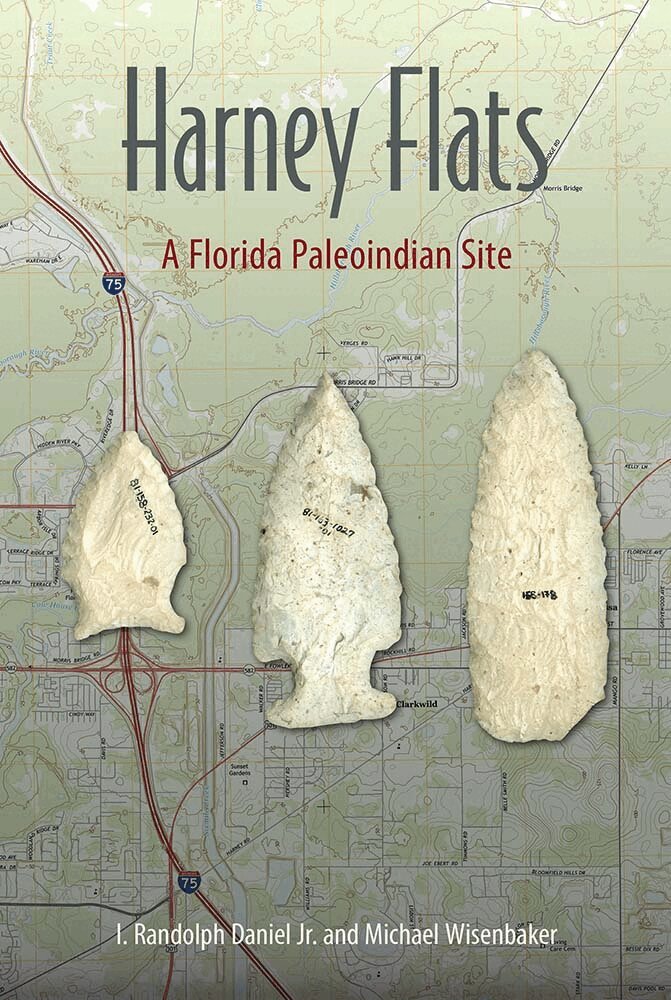
Discovered during construction of the I-75 corridor northeast of Tampa, the site of Harney Flats was a turning point in the archaeology of the southeastern United States. Beneath evidence of human settlement from the Middle Archaic period, researchers unearthed Paleoindian stone tools – representing a rare example of a stratified site in the Southeast with a Paleoindian occupation. The expansive excavations at Harney Flats demonstrated that significant land-based sites of early human settlement exist in Florida and are worth exploring.Harney Flats describes the excavation, which was praised for its state-of-the-art strategy and interpretive methods despite its sandy environment, and details the objects uncovered – projectile points, scrapers, adzes – and what they reveal about the lives of the people who used them. Including an update on relevant research since its first publication, this volume is the definitive account of a critical finding in the study of early human history.