Iain Channing – författare
Visar alla böcker från författaren Iain Channing. Handla med fri frakt och snabb leverans.
6 produkter
6 produkter
2 176 kr
Skickas inom 10-15 vardagar
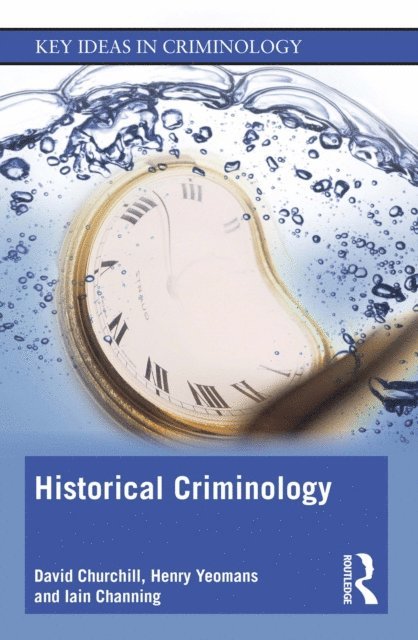
This book sets an agenda for the development of historical approaches to criminology. It defines ‘historical criminology’, explores its characteristic strengths and limitations, and considers its potential to enhance, revise and fundamentally challenge dominant modes of thinking about crime and social responses to crime. It considers the following questions: What is historical criminology? What does thinking historically about crime and justice entail? How is historical criminology currently practised? What are the advantages and disadvantages of different approaches to historical criminology? How can historical criminology reshape understandings of crime and social responses to crime? How does thinking historically bear upon major theoretical, conceptual and methodological questions in criminological research? What does thinking historically have to offer criminological scholarship more broadly, and the uses of criminology in the public realm? In this book, Churchill, Yeomans and Channing situate ‘historical thinking’ at the heart of historical criminology, reveal the value of historical research to criminology and argue that criminologists across the field have much to gain from engaging in historical thinking in a more regular and sustained way.This book is essential reading for all criminologists, as well as students taking courses on theories, concepts and methods in criminology.
519 kr
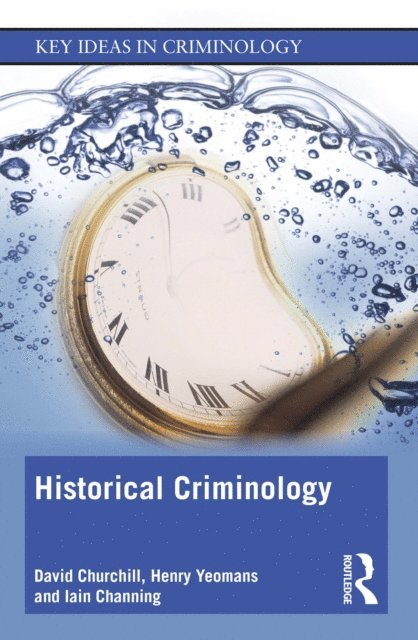
This book sets an agenda for the development of historical approaches to criminology. It defines ‘historical criminology’, explores its characteristic strengths and limitations, and considers its potential to enhance, revise and fundamentally challenge dominant modes of thinking about crime and social responses to crime. It considers the following questions: What is historical criminology? What does thinking historically about crime and justice entail? How is historical criminology currently practised? What are the advantages and disadvantages of different approaches to historical criminology? How can historical criminology reshape understandings of crime and social responses to crime? How does thinking historically bear upon major theoretical, conceptual and methodological questions in criminological research? What does thinking historically have to offer criminological scholarship more broadly, and the uses of criminology in the public realm? In this book, Churchill, Yeomans and Channing situate ‘historical thinking’ at the heart of historical criminology, reveal the value of historical research to criminology and argue that criminologists across the field have much to gain from engaging in historical thinking in a more regular and sustained way.This book is essential reading for all criminologists, as well as students taking courses on theories, concepts and methods in criminology.
594 kr
Skickas inom 10-15 vardagar
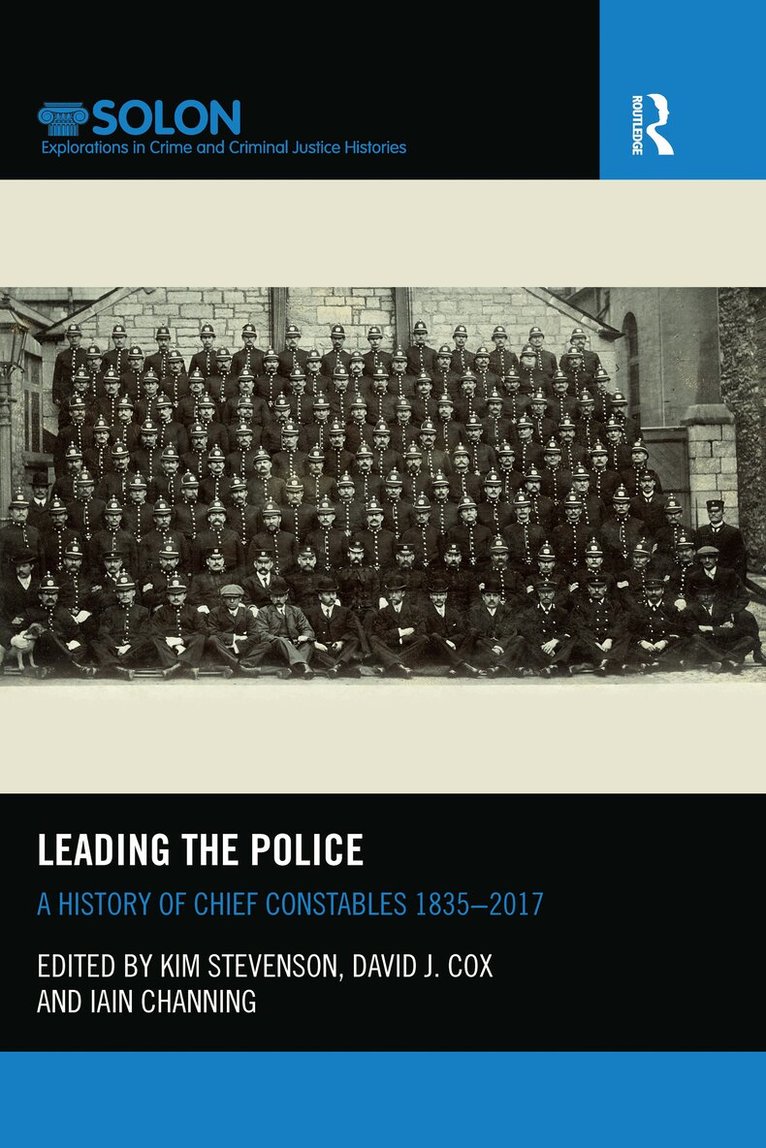
In 2015 the College of Policing published its Leadership Review with specific reference to the type of leadership required to ensure that the next generation of Chief Constables and their management approach will be fit for purpose. Three key issues were highlighted as underpinning the effective leadership and management of contemporary policing: hierarchy, culture and consistency. Yet these are not just relevant to modern policing, having appeared as constant features, implicitly and explicitly, since the creation of the first provincial constabularies in 1835.This collection reviews the history of the UK Chief Constable, reflecting on the shifts and continuities in police leadership style, practice and performance over the past 180 years, critiquing the factors affecting their operational management and how these impacted upon the organization and service delivery of their forces. The individuality of Chief Constables significantly impacts on how national and local strategies are implemented, shaping relationships with their respective communities and local authorities. Importantly, the book addresses not just the English experience but considers the role of Chief Constables in the whole of the United Kingdom, highlighting the extent to which they could exercise autonomous authority over their force and populace. The historical perspective adopted contextualises existing considerations of leadership in modern policing, and the extensive timeframe and geographical reach beyond the experience of the Metropolitan force enables a direct engagement with contemporary debates. It also offers a valuable addition to the existing literature contributing to the institutional memory of UK policing. The contributors represent a range of disciplines including history, law, criminology and leadership studies, and some also have practical policing experience.
2 006 kr
Skickas inom 10-15 vardagar
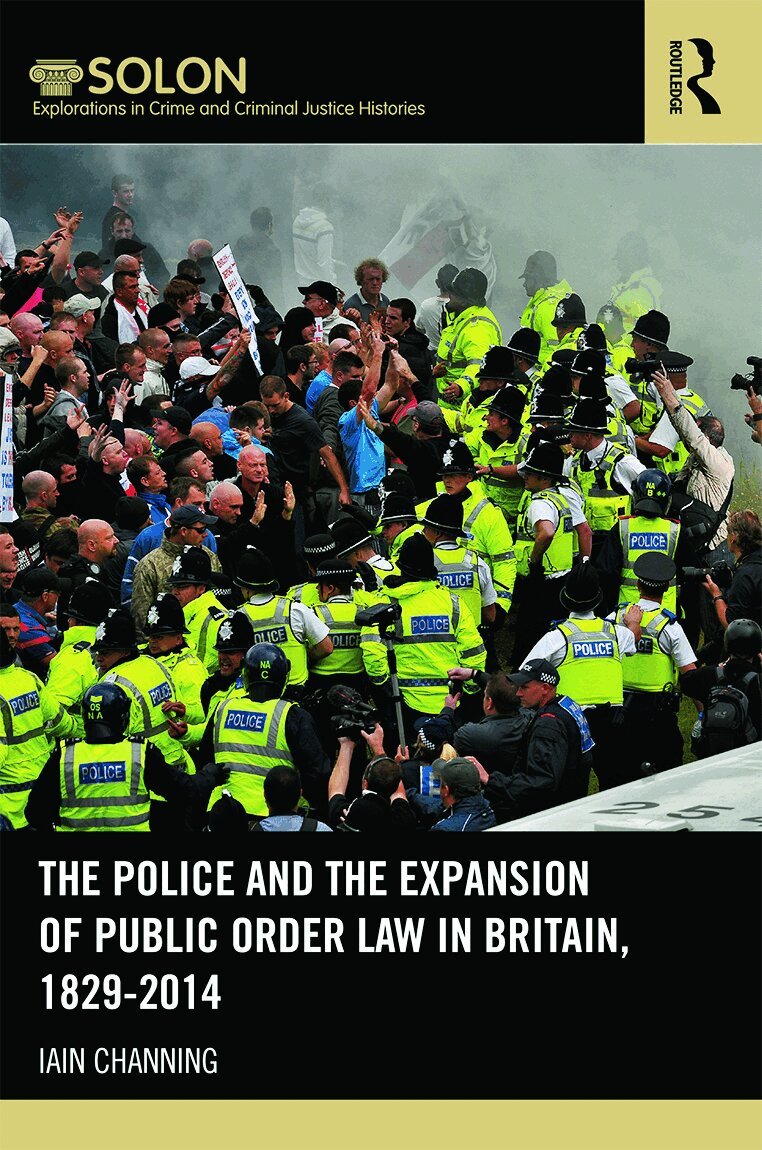
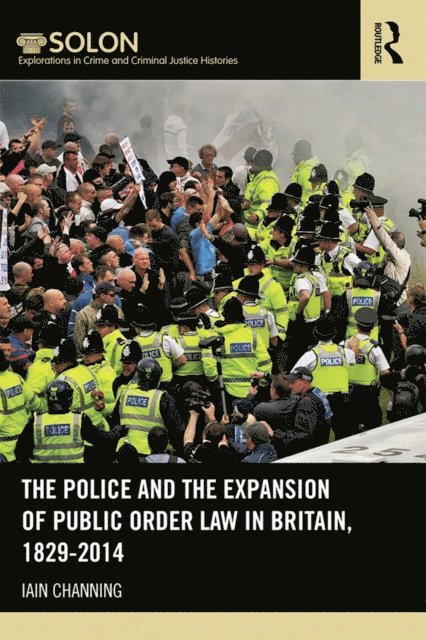
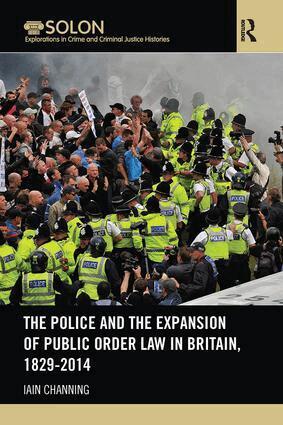
Incidences of public disorder, and the manner in which they have been suppressed, have repeatedly ignited debate on the role of policing, the effectiveness of current legislation and the implications for human rights and civil liberties. These same issues have reverberated throughout British history, and have frequently resulted in the enactment of new legislation that reactively aimed to counter the specific concern of that era. This book offers a detailed analysis of the expansion of public order law in the context of the historical and political developments in British society.The correlation of key historical events and the enactment of consequent legislation is a key theme that resonates throughout the book, and demonstrates the expanding influence of the law on public assemblies and protest, which has continued to criminalise and prohibit certain social behaviours. Crucial movements in Britain’s social and political history who have all engaged in, or have provoked public disorder, are examined in the book. Other incidents of riot and disorder, such as the Featherstone Riot (1893), the Battle of Cable Street (1936), the Inner City Riots (1980s) and the UK riots (2011) are also covered.By positioning legal developments within their historical context, the book demonstrates the ebb and flow between the prominence of the competing demands of the liberties of free expression and assembly on the one hand and the protection of the general public and property on the other. This book is essential reading for academics and students in the fields of criminology, history and law.
693 kr
Skickas inom 10-15 vardagar
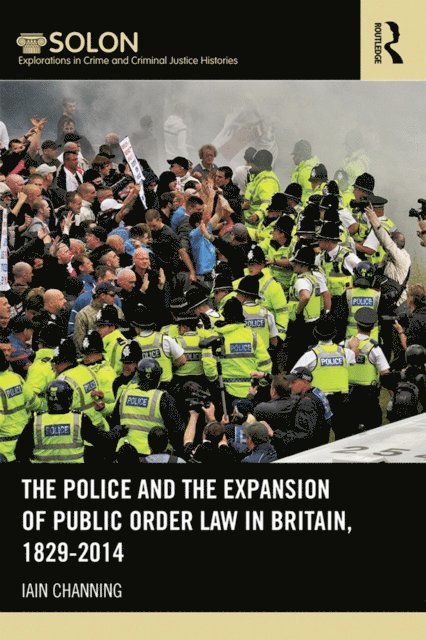
Incidences of public disorder, and the manner in which they have been suppressed, have repeatedly ignited debate on the role of policing, the effectiveness of current legislation and the implications for human rights and civil liberties. These same issues have reverberated throughout British history, and have frequently resulted in the enactment of new legislation that reactively aimed to counter the specific concern of that era. This book offers a detailed analysis of the expansion of public order law in the context of the historical and political developments in British society.The correlation of key historical events and the enactment of consequent legislation is a key theme that resonates throughout the book, and demonstrates the expanding influence of the law on public assemblies and protest, which has continued to criminalise and prohibit certain social behaviours. Crucial movements in Britain’s social and political history who have all engaged in, or have provoked public disorder, are examined in the book. Other incidents of riot and disorder, such as the Featherstone Riot (1893), the Battle of Cable Street (1936), the Inner City Riots (1980s) and the UK riots (2011) are also covered.By positioning legal developments within their historical context, the book demonstrates the ebb and flow between the prominence of the competing demands of the liberties of free expression and assembly on the one hand and the protection of the general public and property on the other. This book is essential reading for academics and students in the fields of criminology, history and law.
1 944 kr
Skickas inom 10-15 vardagar
In 2015 the College of Policing published its Leadership Review with specific reference to the type of leadership required to ensure that the next generation of Chief Constables and their management approach will be fit for purpose. Three key issues were highlighted as underpinning the effective leadership and management of contemporary policing: hierarchy, culture and consistency. Yet these are not just relevant to modern policing, having appeared as constant features, implicitly and explicitly, since the creation of the first provincial constabularies in 1835.This collection reviews the history of the UK Chief Constable, reflecting on the shifts and continuities in police leadership style, practice and performance over the past 180 years, critiquing the factors affecting their operational management and how these impacted upon the organization and service delivery of their forces. The individuality of Chief Constables significantly impacts on how national and local strategies are implemented, shaping relationships with their respective communities and local authorities. Importantly, the book addresses not just the English experience but considers the role of Chief Constables in the whole of the United Kingdom, highlighting the extent to which they could exercise autonomous authority over their force and populace. The historical perspective adopted contextualises existing considerations of leadership in modern policing, and the extensive timeframe and geographical reach beyond the experience of the Metropolitan force enables a direct engagement with contemporary debates. It also offers a valuable addition to the existing literature contributing to the institutional memory of UK policing. The contributors represent a range of disciplines including history, law, criminology and leadership studies, and some also have practical policing experience.