Indira Ghose – författare
Visar alla böcker från författaren Indira Ghose. Handla med fri frakt och snabb leverans.
28 produkter
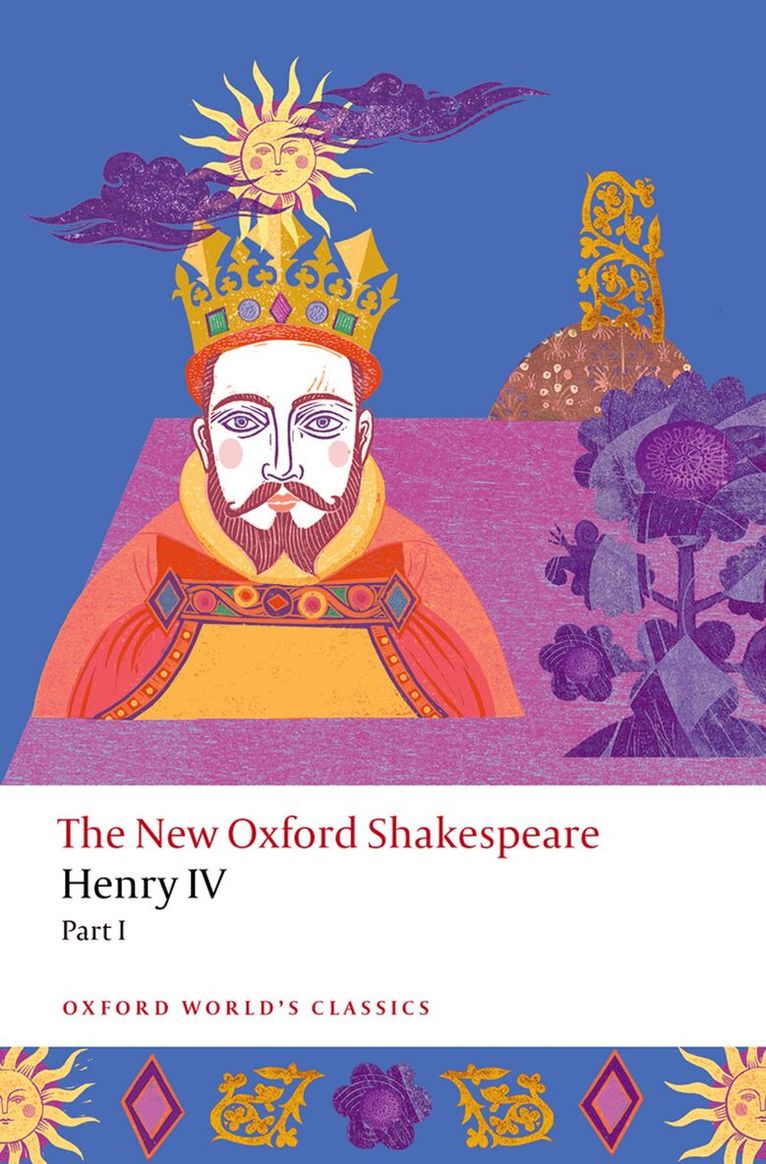
Henry IV Part I
The New Oxford Shakespeare
Av William Shakespeare, Indira Ghose m. fl.
Häftad, 2024
93 kr
Lägg i varukorg
'What is honour? A word. What is in that word 'honour'? What is that 'honour'? Air.'A history play that combines a coming-of-age narrative with a tale of power, rebellion, friendship, and betrayal, Henry IV, Part I has been a perennial favourite from Shakespeare's time to the present. What has …
Henry IV Part I
The New Oxford Shakespeare
Av William Shakespeare, Anna Pruitt m. fl.
E-bok, 2024
82 kr
Lägg i varukorg
''What is honour? A word. What is in that word ''honour''? What is that ''honour''? Air.'' A history play that combines a coming-of-age narrative with a tale of power, rebellion, friendship, and betrayal, Henry IV, Part I has been a perennial favourite from Shakespeare''s time to the present. What …
Henry IV Part I
The New Oxford Shakespeare
Av William Shakespeare, Anna Pruitt m. fl.
E-bok, 2024
82 kr
Lägg i varukorg
''What is honour? A word. What is in that word ''honour''? What is that ''honour''? Air.'' A history play that combines a coming-of-age narrative with a tale of power, rebellion, friendship, and betrayal, Henry IV, Part I has been a perennial favourite from Shakespeare''s time to the present. What …
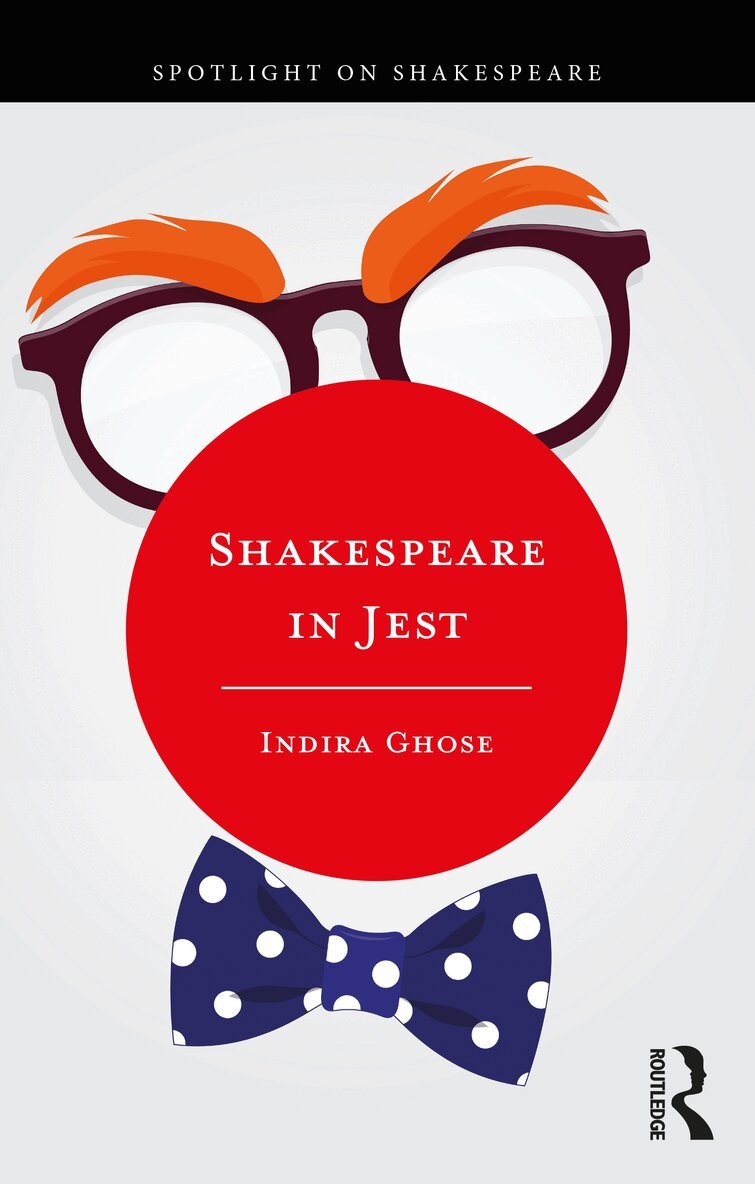
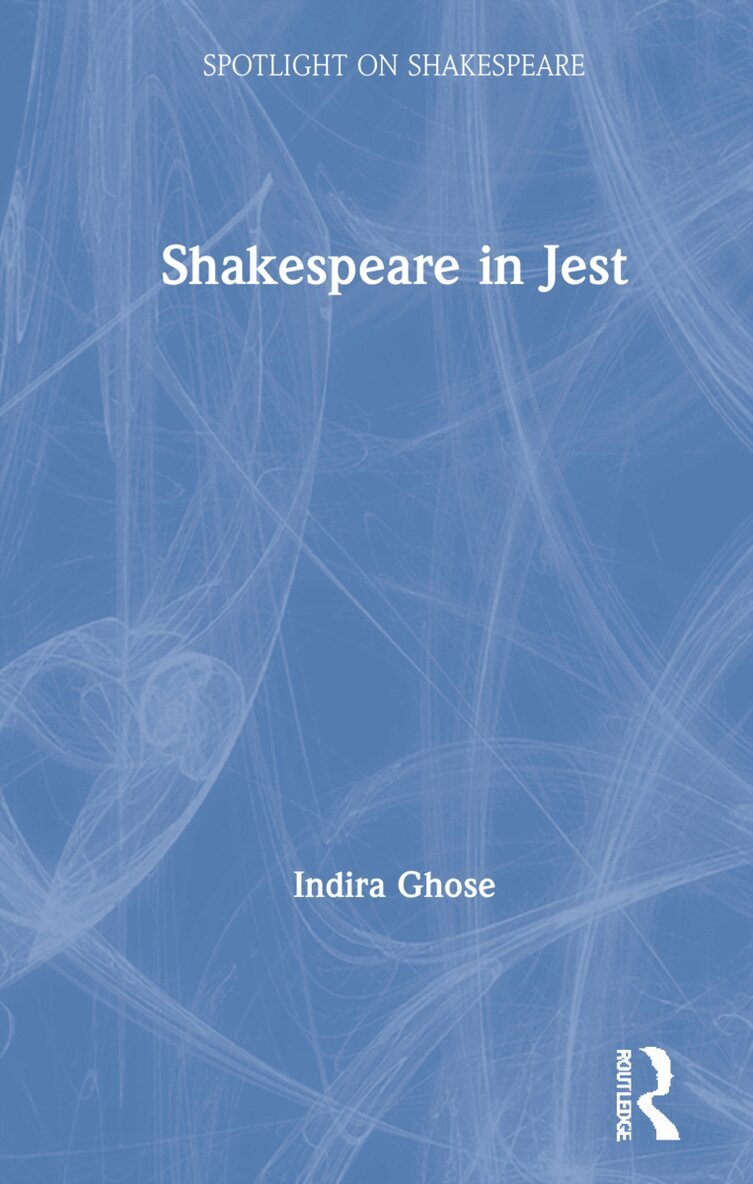
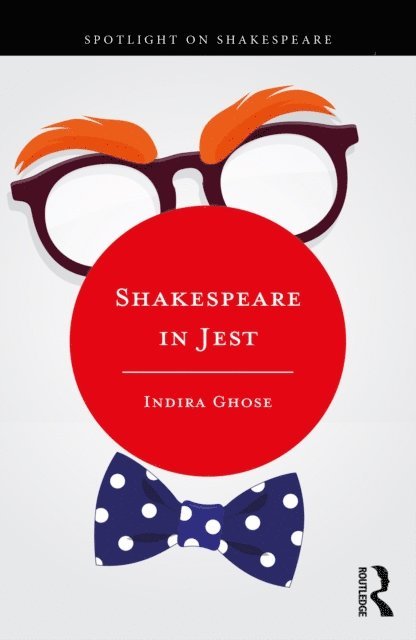
Shakespeare in Jest
Av Indira Ghose
Häftad, 2021
427 kr
Lägg i varukorg
Shakespeare in Jest draws fascinating parallels between Shakespeare's humour and contemporary humour. Indira Ghose argues that while many of Shakespeare's jokes no longer work for us, his humour was crucial in shaping comedy in today's entertainment industry. The book looks at a wide variety of …
Shakespeare in Jest
Av Indira Ghose
Inbunden, 2021
2102 kr
Lägg i varukorg
Shakespeare in Jest draws fascinating parallels between Shakespeare's humour and contemporary humour. Indira Ghose argues that while many of Shakespeare's jokes no longer work for us, his humour was crucial in shaping comedy in today's entertainment industry. The book looks at a wide variety of …
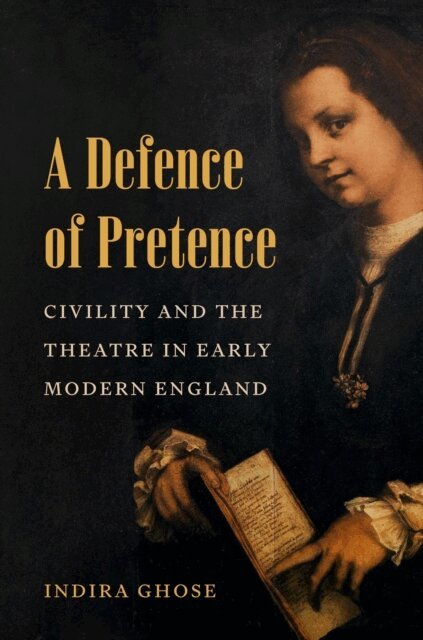
Defence of Pretence
Civility and the Theatre in Early Modern England
Av Indira Ghose
Häftad, 2025
323 kr
Lägg i varukorg
How the drama of Shakespeare’s time demonstrates the tensions within civilityIs civility merely a matter of reinforcing status and excluding others? Or is it a lubricant in a polarised world, enabling us to overcome tribal loyalties and cooperate for the common good? In A Defence of Pretence, …
Defence of Pretence
Civility and the Theatre in Early Modern England
Av Indira Ghose
Inbunden, 2025
993 kr
Lägg i varukorg
How the drama of Shakespeare’s time demonstrates the tensions within civilityIs civility merely a matter of reinforcing status and excluding others? Or is it a lubricant in a polarised world, enabling us to overcome tribal loyalties and cooperate for the common good? In A Defence of Pretence, …
Defence of Pretence
Civility and the Theatre in Early Modern England
Av Indira Ghose
E-bok, 2025
460 kr
Lägg i varukorg
How the drama of Shakespeare’s time demonstrates the tensions within civility Is civility merely a matter of reinforcing status and excluding others? Or is it a lubricant in a polarised world, enabling us to overcome tribal loyalties and cooperate for the common good? In A Defence of Pretence , …
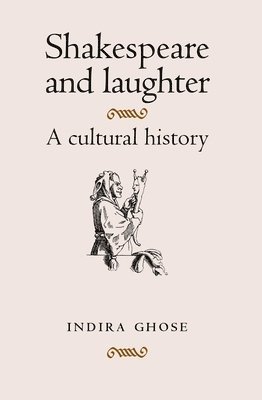
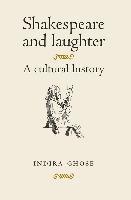
Shakespeare and laughter
A cultural history
Av Indira Ghose
Häftad, 2011
418 kr
Lägg i varukorg
This book examines laughter in the Shakespearean theatre, in the context of a cultural history of early modern laughter. Aimed at an informed readership as well as graduate students and scholars in the field of Shakespeare studies, it is the first study to focus specifically on laughter, not …
Shakespeare in Jest
Av Indira Ghose
E-bok, 2021
487 kr
Lägg i varukorg
Shakespeare in Jest draws fascinating parallels between Shakespeare''s humour and contemporary humour. Indira Ghose argues that while many of Shakespeare''s jokes no longer work for us, his humour was crucial in shaping comedy in today''s entertainment industry. The book looks at a wide variety of …
Shakespeare in Jest
Av Indira Ghose
E-bok, 2021
498 kr
Lägg i varukorg
Shakespeare in Jest draws fascinating parallels between Shakespeare''s humour and contemporary humour. Indira Ghose argues that while many of Shakespeare''s jokes no longer work for us, his humour was crucial in shaping comedy in today''s entertainment industry. The book looks at a wide variety of …
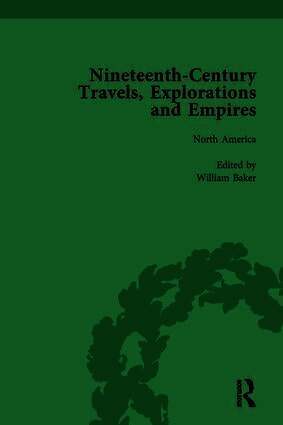
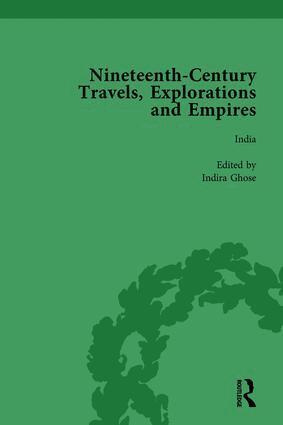
Nineteenth-Century Travels, Explorations and Empires, Part I Vol 1
Writings from the Era of Imperial Consolidation, 1835-1910
Av Susan Schoenbauer Thurin, Indira Ghose m. fl.
E-bok, 2021
1030 kr
Lägg i varukorg
A collection of writings on travels undertaken in the Victorian era. The texts collected in these volumes show how 19th century travel literature served the interests of empire by promoting British political and economic values that translated into manufacturing goods.
Nineteenth-Century Travels, Explorations and Empires, Part I Vol 2
Writings from the Era of Imperial Consolidation, 1835-1910
Av Susan Schoenbauer Thurin, Indira Ghose m. fl.
E-bok, 2021
1052 kr
Lägg i varukorg
A collection of writings on travels undertaken in the Victorian era. The texts collected in these volumes show how 19th century travel literature served the interests of empire by promoting British political and economic values that translated into manufacturing goods.
Nineteenth-Century Travels, Explorations and Empires, Part I Vol 3
Writings from the Era of Imperial Consolidation, 1835-1910
Av Susan Schoenbauer Thurin, Indira Ghose m. fl.
E-bok, 2021
1052 kr
Lägg i varukorg
A collection of writings on travels undertaken in the Victorian era. The texts collected in these volumes show how 19th century travel literature served the interests of empire by promoting British political and economic values that translated into manufacturing goods.
Nineteenth-Century Travels, Explorations and Empires, Part I Vol 4
Writings from the Era of Imperial Consolidation, 1835-1910
Av Susan Schoenbauer Thurin, Indira Ghose m. fl.
E-bok, 2022
1052 kr
Lägg i varukorg
A collection of writings on travels undertaken in the Victorian era. The texts collected in these volumes show how 19th century travel literature served the interests of empire by promoting British political and economic values that translated into manufacturing goods.
Nineteenth-Century Travels, Explorations and Empires, Part I Vol 1
Writings from the Era of Imperial Consolidation, 1835-1910
Av Susan Schoenbauer Thurin, Indira Ghose m. fl.
E-bok, 2021
1030 kr
Lägg i varukorg
A collection of writings on travels undertaken in the Victorian era. The texts collected in these volumes show how 19th century travel literature served the interests of empire by promoting British political and economic values that translated into manufacturing goods.
Nineteenth-Century Travels, Explorations and Empires, Part I Vol 2
Writings from the Era of Imperial Consolidation, 1835-1910
Av Susan Schoenbauer Thurin, Indira Ghose m. fl.
E-bok, 2021
1052 kr
Lägg i varukorg
A collection of writings on travels undertaken in the Victorian era. The texts collected in these volumes show how 19th century travel literature served the interests of empire by promoting British political and economic values that translated into manufacturing goods.
Nineteenth-Century Travels, Explorations and Empires, Part I Vol 3
Writings from the Era of Imperial Consolidation, 1835-1910
Av Susan Schoenbauer Thurin, Indira Ghose m. fl.
E-bok, 2021
1052 kr
Lägg i varukorg
A collection of writings on travels undertaken in the Victorian era. The texts collected in these volumes show how 19th century travel literature served the interests of empire by promoting British political and economic values that translated into manufacturing goods.
Nineteenth-Century Travels, Explorations and Empires, Part I Vol 4
Writings from the Era of Imperial Consolidation, 1835-1910
Av Susan Schoenbauer Thurin, Indira Ghose m. fl.
E-bok, 2022
1052 kr
Lägg i varukorg
A collection of writings on travels undertaken in the Victorian era. The texts collected in these volumes show how 19th century travel literature served the interests of empire by promoting British political and economic values that translated into manufacturing goods.
Nineteenth-Century Travels, Explorations and Empires, Part I Vol 1
Writings from the Era of Imperial Consolidation, 1835-1910
Av Peter J Kitson, William Baker m. fl.
Inbunden, 2003
1568 kr
Lägg i varukorg
A collection of writings on travels undertaken in the Victorian era. The texts collected in these volumes show how 19th century travel literature served the interests of empire by promoting British political and economic values that translated into manufacturing goods.
Nineteenth-Century Travels, Explorations and Empires, Part I Vol 2
Writings from the Era of Imperial Consolidation, 1835-1910
Av Peter J Kitson, William Baker m. fl.
Inbunden, 2003
1751 kr
Lägg i varukorg
A collection of writings on travels undertaken in the Victorian era. The texts collected in these volumes show how 19th century travel literature served the interests of empire by promoting British political and economic values that translated into manufacturing goods.
Nineteenth-Century Travels, Explorations and Empires, Part I Vol 3
Writings from the Era of Imperial Consolidation, 1835-1910
Av Peter J Kitson, William Baker m. fl.
Inbunden, 2003
1568 kr
Lägg i varukorg
A collection of writings on travels undertaken in the Victorian era. The texts collected in these volumes show how 19th century travel literature served the interests of empire by promoting British political and economic values that translated into manufacturing goods.
Nineteenth-Century Travels, Explorations and Empires, Part I Vol 4
Writings from the Era of Imperial Consolidation, 1835-1910
Av Peter J Kitson, William Baker m. fl.
Inbunden, 2003
1568 kr
Lägg i varukorg
A collection of writings on travels undertaken in the Victorian era. The texts collected in these volumes show how 19th century travel literature served the interests of empire by promoting British political and economic values that translated into manufacturing goods.
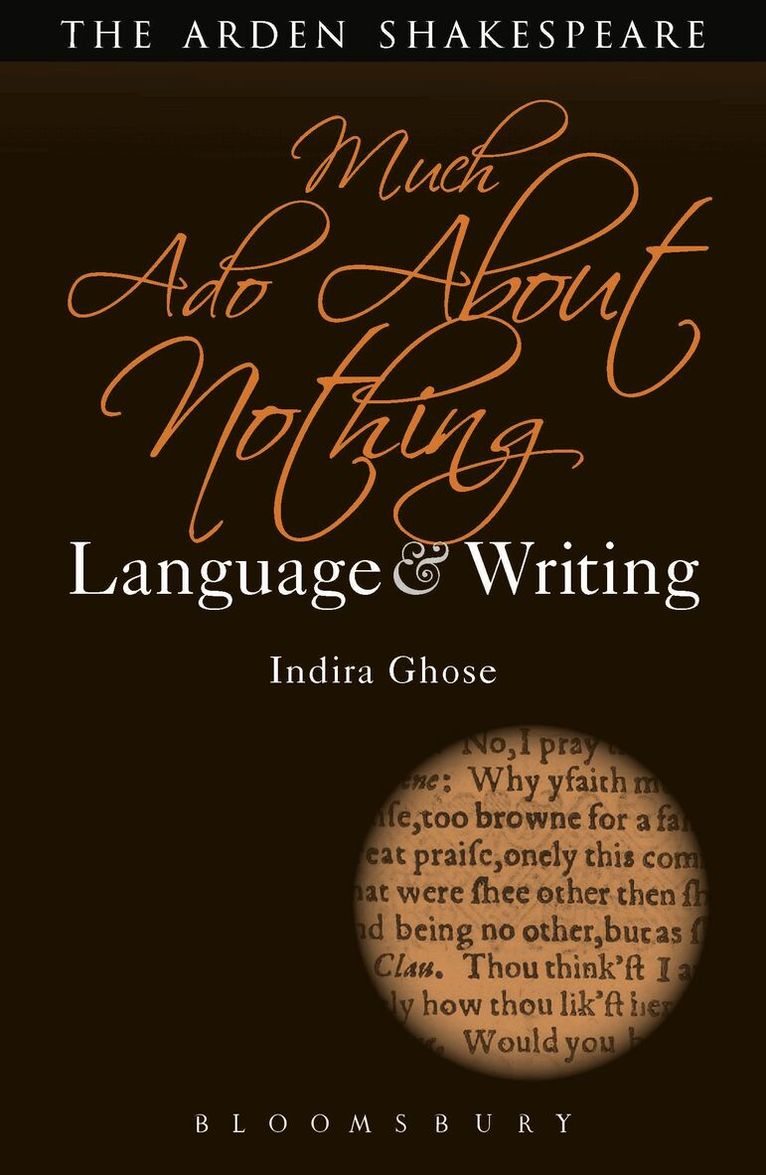
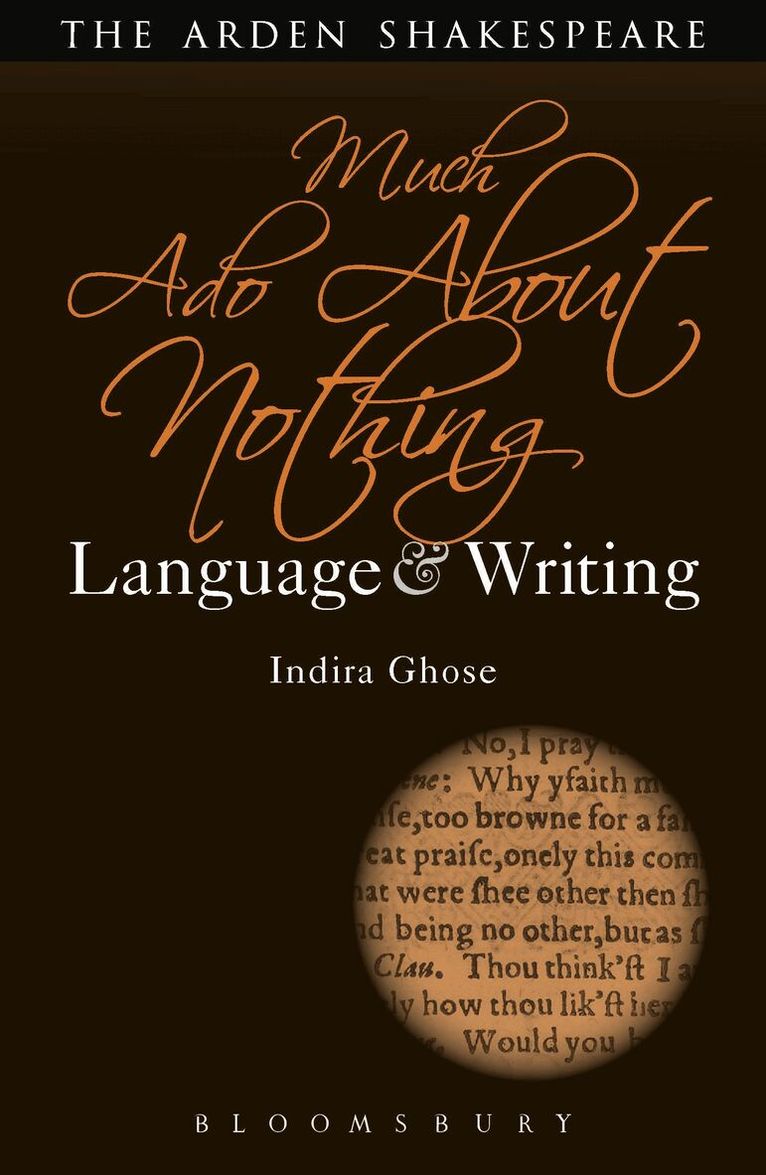
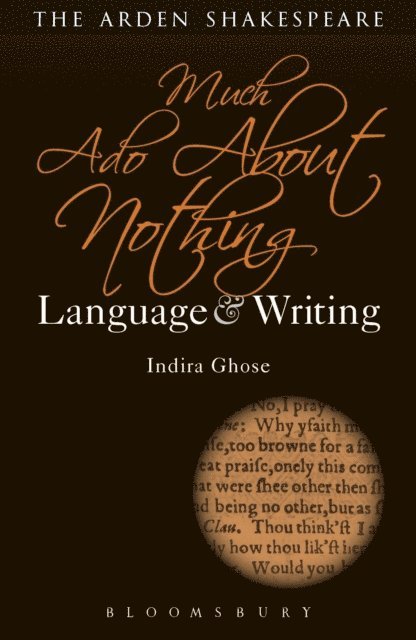
Much Ado About Nothing: Language and Writing
Av Indira Ghose, Dympna Callaghan
Häftad, 2017
350 kr
Lägg i varukorg
Much Ado About Nothing presents a world of glittering surfaces and exquisite social performances. The language of the play sparkles with a fireworks of wit and dazzling bouts of repartee, most memorably in the "merry war" of words between the reluctant lovers, Benedick and Beatrice. A closer look …
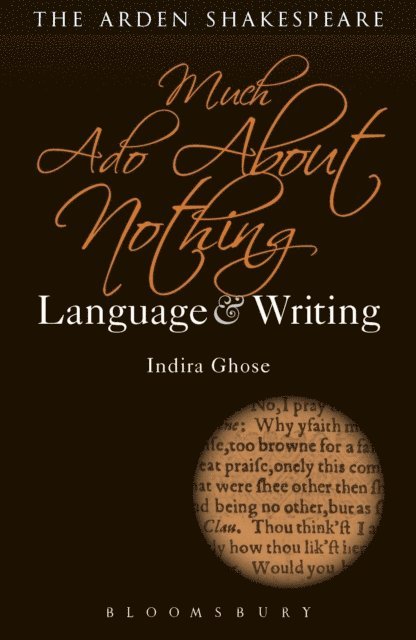
Much Ado About Nothing: Language and Writing
Av Indira Ghose, Dympna Callaghan
Inbunden, 2017
1148 kr
Lägg i varukorg
Much Ado About Nothing presents a world of glittering surfaces and exquisite social performances. The language of the play sparkles with a fireworks of wit and dazzling bouts of repartee, most memorably in the "merry war" of words between the reluctant lovers, Benedick and Beatrice. A closer look …
Much Ado About Nothing: Language and Writing
Av Indira Ghose
E-bok, 2017
377 kr
Lägg i varukorg
Much Ado About Nothing presents a world of glittering surfaces and exquisite social performances. The language of the play sparkles with a fireworks of wit and dazzling bouts of repartee, most memorably in the "merry war" of words between the reluctant lovers, Benedick and Beatrice. A closer look …
Much Ado About Nothing: Language and Writing
Av Indira Ghose
E-bok, 2017
368 kr
Lägg i varukorg
Much Ado About Nothing presents a world of glittering surfaces and exquisite social performances. The language of the play sparkles with a fireworks of wit and dazzling bouts of repartee, most memorably in the "merry war" of words between the reluctant lovers, Benedick and Beatrice. A closer look …