J. T. Williams - Böcker
Visar alla böcker från författaren J. T. Williams. Handla med fri frakt och snabb leverans.
5 produkter
5 produkter
1 390 kr
Skickas inom 7-10 vardagar
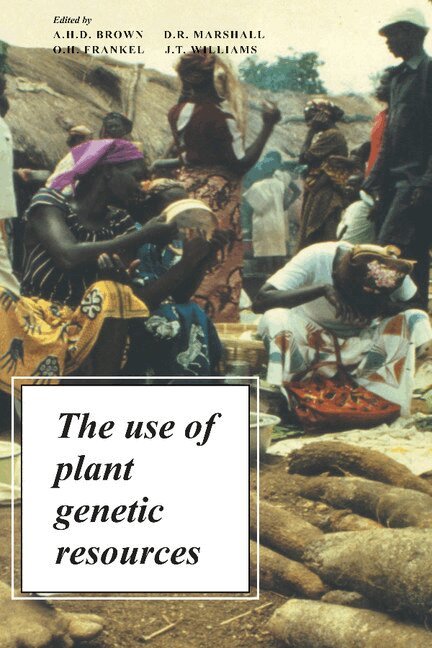
This 1989 volume stresses the way in which the pool of plant genetic resources provides vital raw material for producing new and improved crops and as source materials for experimental biologists. The availability of germplasm - particularly from wild relatives of crop plants - has become increasingly important with the development of new technology. These sophisticated new techniques now enable the plant breeder to make even greater use of many of the beneficial characteristics found in wild plants - such as disease- and drought- resistance - and to transfer these characteristics to improve existing crops. The first four sections of the volume provide a detailed survey of the role of plant collections in research and breeding, some case histories for specific plants, guidance on the size and structure of plant collections, and, finally, the principles and strategies of evaluation. The last two sections look at wild relatives of crops and also the impact of new technology. The volume will be of use to plant breeders, crop scientists, conservationists and plant biologists.
687 kr
Skickas inom 7-10 vardagar
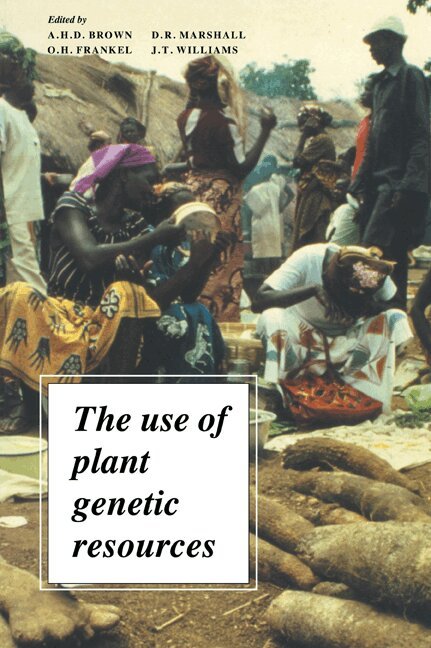
This 1989 volume stresses the way in which the pool of plant genetic resources provides vital raw material for producing new and improved crops and as source materials for experimental biologists. The availability of germplasm - particularly from wild relatives of crop plants - has become increasingly important with the development of new technology. These sophisticated new techniques now enable the plant breeder to make even greater use of many of the beneficial characteristics found in wild plants - such as disease- and drought- resistance - and to transfer these characteristics to improve existing crops. The first four sections of the volume provide a detailed survey of the role of plant collections in research and breeding, some case histories for specific plants, guidance on the size and structure of plant collections, and, finally, the principles and strategies of evaluation. The last two sections look at wild relatives of crops and also the impact of new technology. The volume will be of use to plant breeders, crop scientists, conservationists and plant biologists.
1 558 kr
Skickas inom 10-15 vardagar
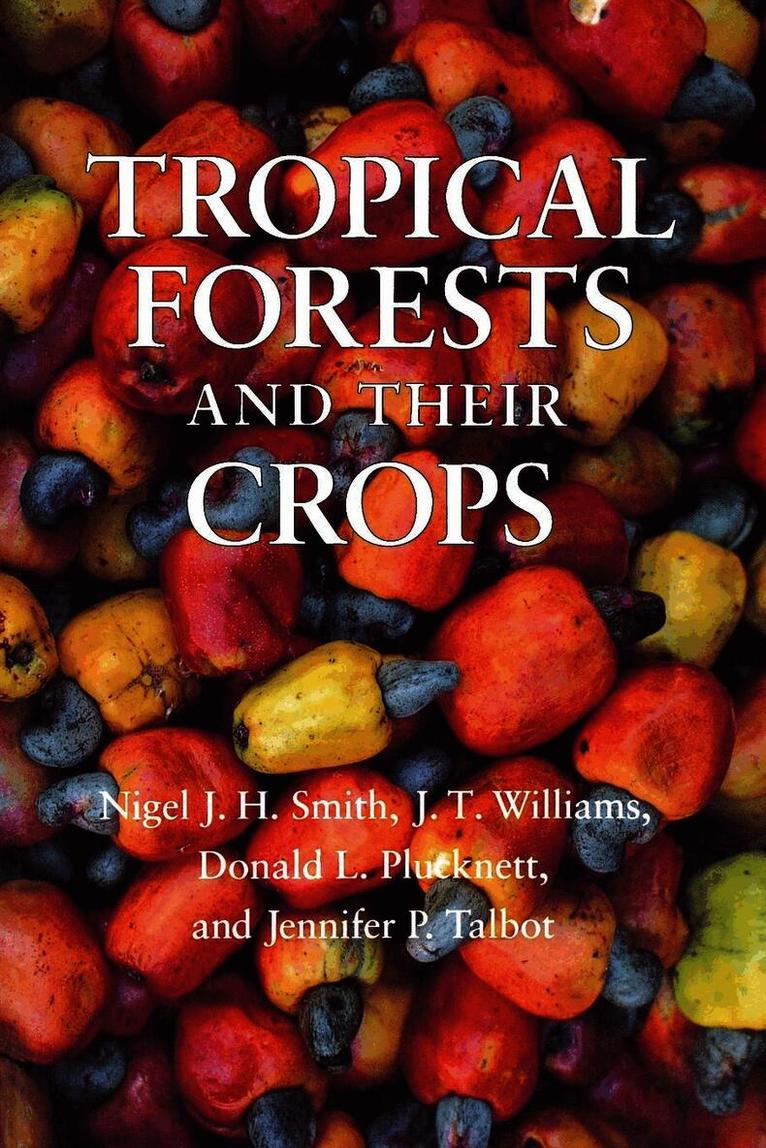
The tropics are the source of many of our familiar fruits, vegetables, oils, and spice, as well as such commodities as rubber and wood. Moreover, other tropical fruits and vegetables are being introduced into our markets to offer variety to our diet. Now, as tropical forests are increasingly threatened, we face a double-fold crisis: not only the loss of the plants but also rich pools of potentially useful genes. Wild populations of crop plants harbor genes that can improve the productivity and disease resistance of cultivated crops, many of which are vital to developing economies and to global commerce. Eight chapters of this book are devoted to a variety of tropical crops—beverages, fruit, starch, oil, resins, fuelwood, fodder, spices, timber, and nuts—the history of their domestication, their uses today, and the known extent of their gene pools, both domesticated and wild. Drawing on broad research, the authors also consider conservation strategies such as parks and reserves, corporate holdings, gene banks and tissue culture collections, and debt-for-nature swaps. They stress the need for a sensitive balance between conservation and the economic well-being of local populations. If economic growth is part of the conservation effort, local populations and governments will be more strongly motivated to save their natural resources. Distinctly practical and soundly informative, this book provides insight into the overwhelming abundance of tropical forests, an unsettling sense of what we may lose if they are destroyed, and a deep appreciation for the delicate relationships between tropical forest plants and people around the world.
622 kr
Skickas inom 10-15 vardagar
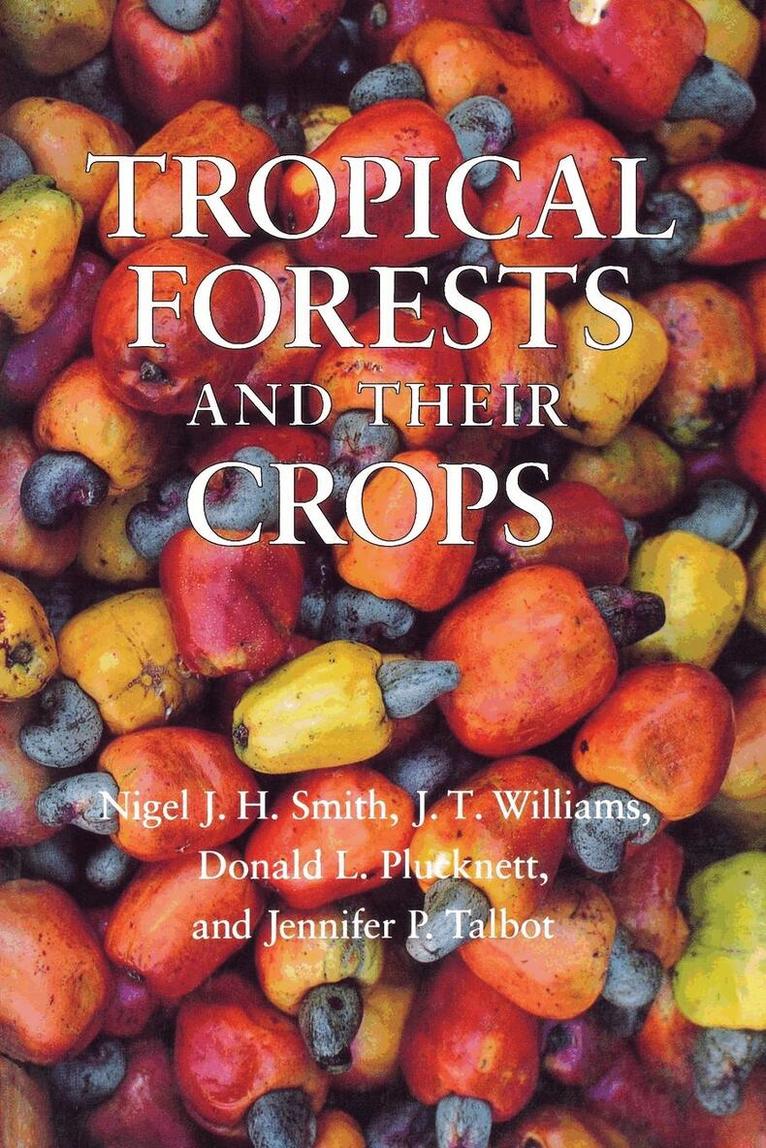
The tropics are the source of many of our familiar fruits, vegetables, oils, and spice, as well as such commodities as rubber and wood. Moreover, other tropical fruits and vegetables are being introduced into our markets to offer variety to our diet. Now, as tropical forests are increasingly threatened, we face a double-fold crisis: not only the loss of the plants but also rich pools of potentially useful genes. Wild populations of crop plants harbor genes that can improve the productivity and disease resistance of cultivated crops, many of which are vital to developing economies and to global commerce. Eight chapters of this book are devoted to a variety of tropical crops—beverages, fruit, starch, oil, resins, fuelwood, fodder, spices, timber, and nuts—the history of their domestication, their uses today, and the known extent of their gene pools, both domesticated and wild. Drawing on broad research, the authors also consider conservation strategies such as parks and reserves, corporate holdings, gene banks and tissue culture collections, and debt-for-nature swaps. They stress the need for a sensitive balance between conservation and the economic well-being of local populations. If economic growth is part of the conservation effort, local populations and governments will be more strongly motivated to save their natural resources. Distinctly practical and soundly informative, this book provides insight into the overwhelming abundance of tropical forests, an unsettling sense of what we may lose if they are destroyed, and a deep appreciation for the delicate relationships between tropical forest plants and people around the world.
202 kr
Skickas inom 5-8 vardagar