• Fri frakt över 249 kr
  • •
  • Snabba leveranser
  • •
  • Billiga böcker
Kundservice

Du är på sajten för privatpersoner.

Företag, bibliotek eller offentlig verksamhet?

Du handlar på classic.bokus.com, där alla dina funktioner finns intakta.
Till classic.bokus.com
Bokus logotyp. Gå till startsidan.
  • Erbjudanden
  • Student
  • Topplistor
  • Barn & ungdom
  • Bokus Play
  • E-böcker
  • Ljudböcker
  • Pocketböcker
  • Spel och pussel

Pocketfynda! Hundratals böcker för 49 kr/st →

Sidfot

Mina sidor

    Hjälp

    • Kundservice
    • Vanliga frågor och svar
    • Frakt och leverans
    • Retur vid ångerrätt
    • Reklamera vara
    • Betalning
    • Köpvillkor
    • Allmänna villkor
    • Information om webbplatsens tillgänglighet

    Om Bokus

    • Om oss
    • Pressrum
    • För studenter
    • För företag
    • För bibliotek och offentlig verksamhet
    • För leverantörer
    • Hållbarhet

    Populärt

    • Aktuella erbjudanden
    • Presentkort
    • Studentlitteratur
    • Nya böcker
    • Topplistor
    • Signerade böcker
    • Engelska böcker

    Inspiration

    • Boktips
    • BookTok
    • Barnbokskaraktärer
    • Populära författare
    Logotyp för Bokus
    Följ oss på Facebook (extern länk)Följ oss på Instagram (extern länk)Följ oss på YouTube (extern länk)Följ oss på TikTok (extern länk)
    bokus @ CookiesAnpassa cookiesIntegritetspolicyKöpvillkor
    Till Citymail hemsida (extern länk)Till Budbee hemsida (extern länk)Till Postnord hemsida (extern länk)Till Schenker hemsida (extern länk)Till Early Bird hemsida (extern länk)Till Walleys hemsida (extern länk)
    1. Naturvetenskap och teknik
    2. Teknik och industri
    3. Agronomi och lantbruk

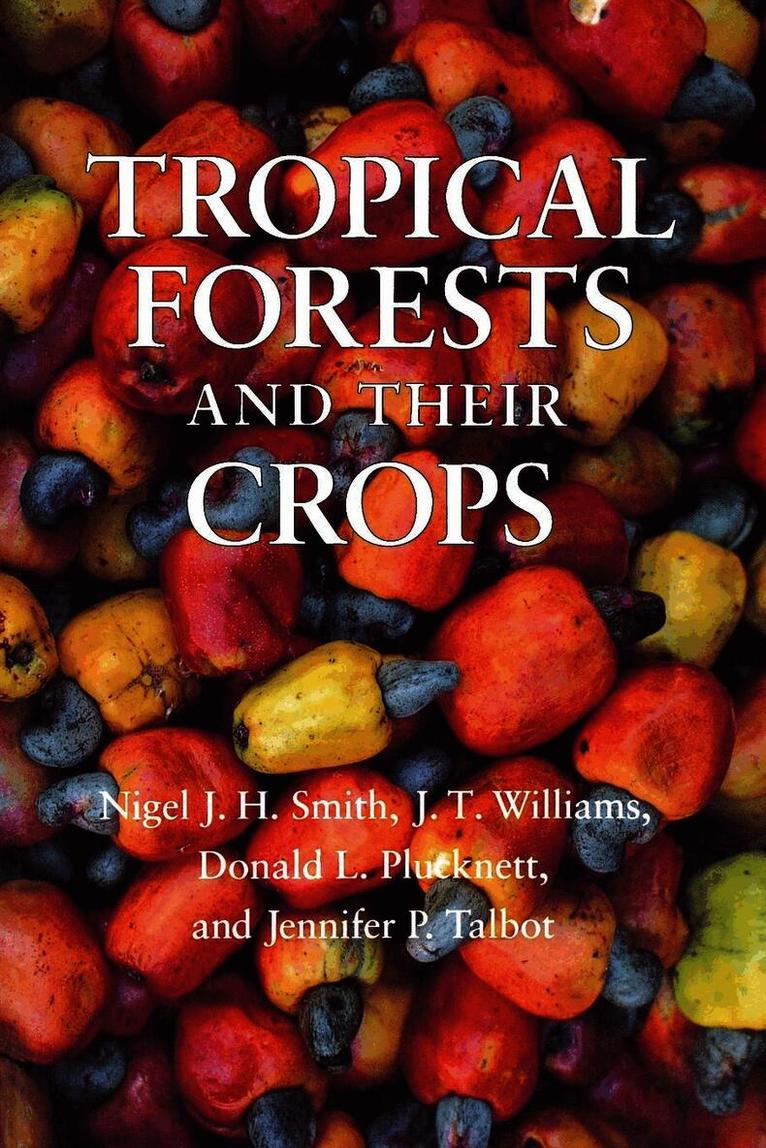
    Tropical Forests and Their Crops

    AvNigel J. H. Smith,J. T. Williams

    Inbunden, Engelska, 1992

    1 610 kr

    Beställningsvara. Skickas inom 10-15 vardagar. Fri frakt över 249 kr.

    Fler format och utgåvor

    Häftad

    643 kr

    Beskrivning

    The tropics are the source of many of our familiar fruits, vegetables, oils, and spice, as well as such commodities as rubber and wood. Moreover, other tropical fruits and vegetables are being introduced into our markets to offer variety to our diet. Now, as tropical forests are increasingly threatened, we face a double-fold crisis: not only the loss of the plants but also rich pools of potentially useful genes. Wild populations of crop plants harbor genes that can improve the productivity and disease resistance of cultivated crops, many of which are vital to developing economies and to global commerce. Eight chapters of this book are devoted to a variety of tropical crops—beverages, fruit, starch, oil, resins, fuelwood, fodder, spices, timber, and nuts—the history of their domestication, their uses today, and the known extent of their gene pools, both domesticated and wild. Drawing on broad research, the authors also consider conservation strategies such as parks and reserves, corporate holdings, gene banks and tissue culture collections, and debt-for-nature swaps. They stress the need for a sensitive balance between conservation and the economic well-being of local populations. If economic growth is part of the conservation effort, local populations and governments will be more strongly motivated to save their natural resources. Distinctly practical and soundly informative, this book provides insight into the overwhelming abundance of tropical forests, an unsettling sense of what we may lose if they are destroyed, and a deep appreciation for the delicate relationships between tropical forest plants and people around the world.

    Produktinformation

    • Utgivningsdatum:1992-12-24
    • Mått:155 x 235 x 38 mm
    • Vikt:1 361 g
    • Format:Inbunden
    • Språk:Engelska
    • Antal sidor:584
    • Förlag:Cornell University Press
    • ISBN:9780801427718

    Utforska kategorier

    • Agronomi och lantbruk inom Naturvetenskap och teknik
    • Skogsbruk inom Naturvetenskap och teknik

    Mer om författaren

    Nigel J. H. Smith is Professor of Geography at the University of Florida. J. T. Williams is a consultant on international agricultural research. Donald L. Plunknett is Scientific Adviser, Consultative Group on International Agricultural Research (CGIAR), with the World Bank. Jennifer P. Talbot is a graduate student at Washington University.

    Recensioner i media

    "This splendid book does much to remind us of the most significant legacy of the tropical rainforests. As repositories of germ plasm, sources of new crops and natural products, living laboratories where human ingenuity derives sustenance from the wild, these ancient forests serve not only the living but all the generations yet unborn. A vital book."

    Innehållsförteckning

    • 1. A Threatened ResourceDistribution and composition of tropical forestsCenters of diversityBiodiversity, deforestation, and population growthDriving forcesCrop gene pools2. Beverage and Confectionery CropsCoffeeCacaoCupuafu3. Major Fruits of the ForestMangoCitrusPineappleAvocadoGuavaPapayaSapodillaPassionfruit4. Regional FruitsDurianRambutanAnnonaceous fruitsAfrican plumIndian jujube5. Rubber, Oils, and ResinsRubberOil palmBalsamsTropical pines6. Daily BreadBananas and plantainsBreadfruitPeach palmSago palm7. Fuelwood, Fodder, and Woody GrassesLeucaenaBamboos8. Spices and Natural Food ColorantsCloveCinnamon and cassiaVanillaAnnatto9. NutsCashewBrazil nutMacadamia10. A New CornucopiaThe plant domestication processA starting point for the searchSome crop candidatesProspects for adoption11. Conservation StrategiesEx situ conservationIn situ conservation12. Realizing the PotentialConservation and sustainable developmentSecure resource basesReaping the harvestResearch priorities for marginal landsThe quarantine bottleneckPersonnel requirementsFinding a way forwardAppendix 1. Domesticated Perennial Species with Wild Populations in Tropical ForestsAppendix 2. Abbreviations of Institutions Involved in Collecting, Maintaining, andlor Breeding Tropical PerennialCropsAppendix 3. Common Names and Distribution of Avocado's RelativesAppendix 4. Avocado Accessions in Germplasm CollectionsReferencesIndex