Jack Halberstam - Böcker
Visar alla böcker från författaren Jack Halberstam. Handla med fri frakt och snabb leverans.
12 produkter
12 produkter
278 kr
Skickas inom 7-10 vardagar
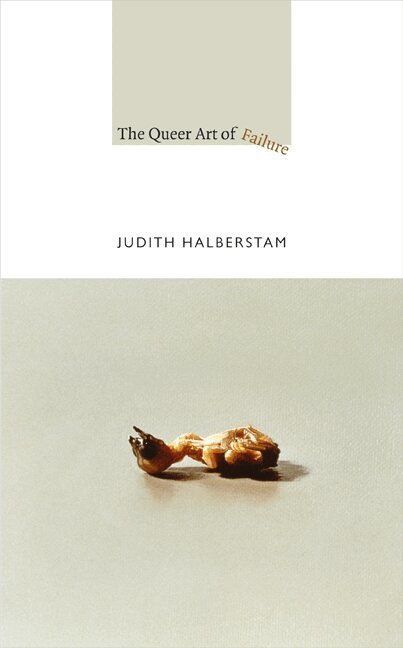
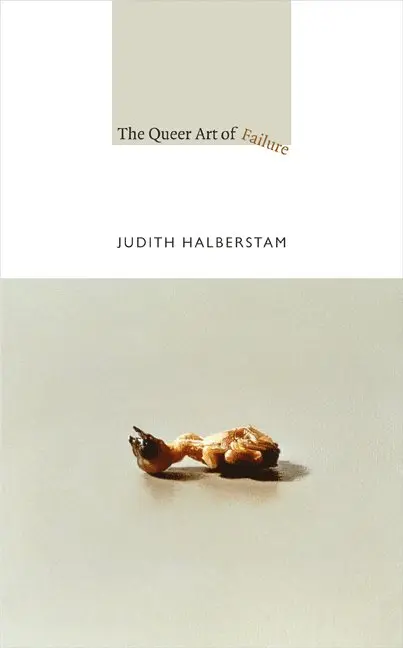
The Queer Art of Failure is about finding alternatives-to conventional understandings of success in a heteronormative, capitalist society; to academic disciplines that confirm what is already known according to approved methods of knowing; and to cultural criticism that claims to break new ground but cleaves to conventional archives. Jack Halberstam proposes “low theory” as a mode of thinking and writing that operates at many different levels at once. Low theory is derived from eccentric archives. It runs the risk of not being taken seriously. It entails a willingness to fail and to lose one’s way, to pursue difficult questions about complicity, and to find counterintuitive forms of resistance. Tacking back and forth between high theory and low theory, high culture and low culture, Halberstam looks for the unexpected and subversive in popular culture, avant-garde performance, and queer art. Halberstam pays particular attention to animated children’s films, revealing narratives filled with unexpected encounters between the childish, the transformative, and the queer. Failure sometimes offers more creative, cooperative, and surprising ways of being in the world, even as it forces us to face the dark side of life, love, and libido.
Del 3 - American Studies Now: Critical Histories of the Present
Trans
A Quick and Quirky Account of Gender Variability
Häftad, Engelska, 2018
215 kr
This title is part of American Studies Now and available as an e-book first. Visit ucpress.edu/go/americanstudiesnow to learn more. In the last decade, public discussions of transgender issues have increased exponentially. However, with this increased visibility has come not just power, but regulation, both in favor of and against trans people. What was once regarded as an unusual or even unfortunate disorder has become an accepted articulation of gendered embodiment as well as a new site for political activism and political recognition. What happened in the last few decades to prompt such an extensive rethinking of our understanding of gendered embodiment? How did a stigmatized identity become so central to US and European articulations of self? And how have people responded to the new definitions and understanding of sex and the gendered body? In Trans*, Jack Halberstam explores these recent shifts in the meaning of the gendered body and representation, and explores the possibilities of a nongendered, gender-optional, or gender-queer future.
388 kr
Kommande
A revolutionary way of seeing bodies and built environment that unites radical politics and trans aesthetics. From a leading author and queer theorist known for reframing many of the most pressing questions about counter-intuitive ways of being. Anarchitecture, a radical aesthetic practice of unbuilding and unmaking the built environment in the 1970s, staged a vigorous confrontation with urban renewal and gentrification projects. In Anarchitecture After Everything, Jack Halberstam identifies a powerful lexicon of transformation within Anarchitecture and joins the art movement s practices of cutting and splitting with the destabilizing power of transness to detonate acts of formal violence in our time. Anarchitecture describes the aesthetic practice of splitting and cutting, dismantling and undoing, unmaking and unbuilding, and, ultimately unworlding. The trans body splits bodily coherence, dismantles the gender binary, and unbuilds bodily meaning. In these chapters, Gordon Matta-Clark s cuts, along with Alvin Baltrop s images of collapsing warehouses and Beverly Buchanan s post-demolition fragmentary sculptures, return with a vengeance through the contemporary aesthetic gestures of Yve Laris Cohen, Jesse Darling, Nicole Eisenman, Kiyan Williams, Cassils, boychild and Every Ocean Hughes. Anarchitecture unmakes space and offers a new rhetoric for emptiness. In its conclusion, the book explores this rhetoric through Renee Gladman s anarchitectural experiments with language. By reading anarchitecture through transness and transness through anarchitecture, Halberstam helps us see the trans body as a space of radical unmaking and as a portal to new lexicons for transformation.
298 kr
Skickas
In this examination of the monster as cultural object, Judith Halberstam offers a rereading of the monstrous that revises our view of the Gothic. Moving from the nineteenth century and the works of Shelley, Stevenson, Stoker, and Wilde to contemporary horror film exemplified by such movies as Silence of the Lambs, Texas Chainsaw Massacre, and Candyman, Skin Shows understands the Gothic as a versatile technology, a means of producing monsters that is constantly being rewritten by historically and culturally conditioned fears generated by a shared sense of otherness and difference.Deploying feminist and queer approaches to the monstrous body, Halberstam views the Gothic as a broad-based cultural phenomenon that supports and sustains the economic, social, and sexual hierarchies of the time. She resists familiar psychoanalytic critiques and cautions against any interpretive attempt to reduce the affective power of the monstrous to a single factor. The nineteenth-century monster is shown, for example, as configuring otherness as an amalgam of race, class, gender, and sexuality. Invoking Foucault, Halberstam describes the history of monsters in terms of its shifting relation to the body and its representations. As a result, her readings of familiar texts are radically new. She locates psychoanalysis itself within the gothic tradition and sees sexuality as a beast created in nineteenth century literature. Excessive interpretability, Halberstam argues, whether in film, literature, or in the culture at large, is the actual hallmark of monstrosity.
326 kr
Skickas inom 3-6 vardagar
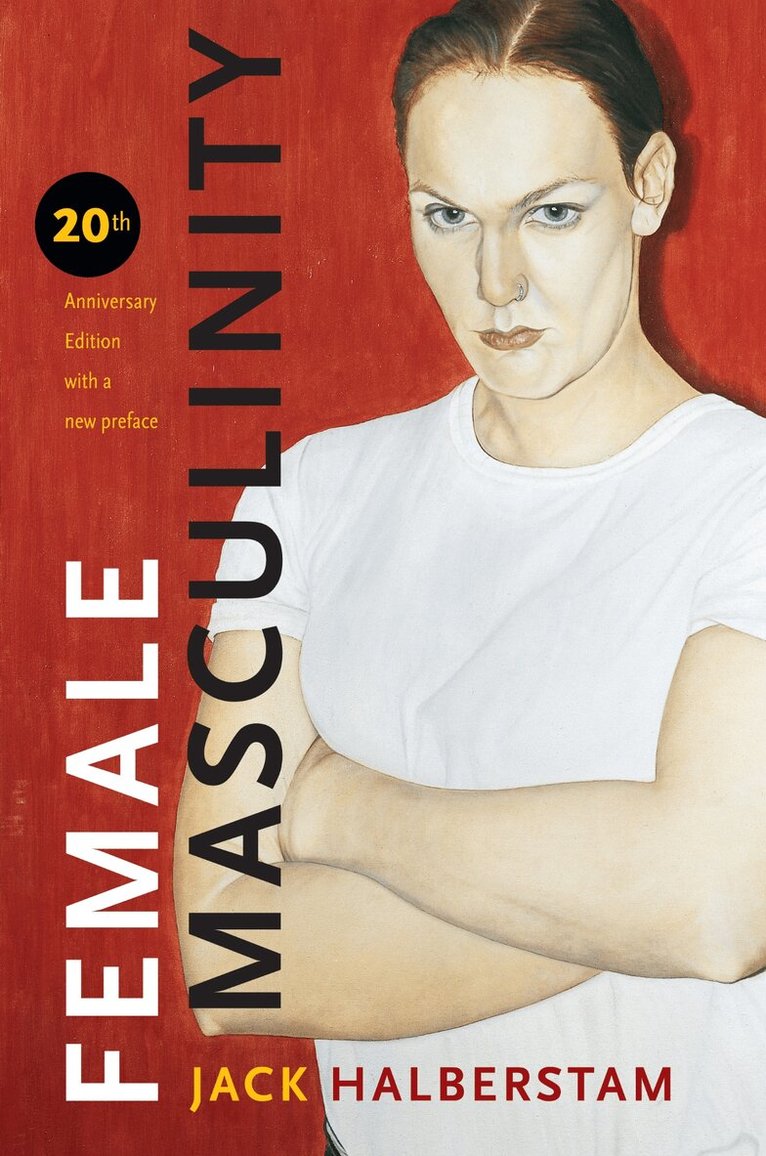
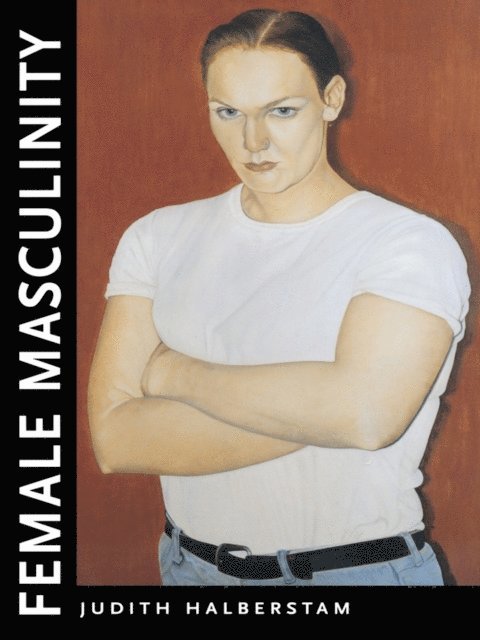
Masculinity without men. In Female Masculinity Judith Halberstam takes aim at the protected status of male masculinity and shows that female masculinity has offered a distinct alternative to it for well over two hundred years. Providing the first full-length study on this subject, Halberstam catalogs the diversity of gender expressions among masculine women from nineteenth-century pre-lesbian practices to contemporary drag king performances.Through detailed textual readings as well as empirical research, Halberstam uncovers a hidden history of female masculinities while arguing for a more nuanced understanding of gender categories that would incorporate rather than pathologize them. She rereads Anne Lister’s diaries and Radclyffe Hall’s The Well of Loneliness as foundational assertions of female masculine identity. She considers the enigma of the stone butch and the politics surrounding butch/femme roles within lesbian communities. She also explores issues of transsexuality among “transgender dykes”—lesbians who pass as men—and female-to-male transsexuals who may find the label of “lesbian” a temporary refuge. Halberstam also tackles such topics as women and boxing, butches in Hollywood and independent cinema, and the phenomenon of male impersonators. Female Masculinity signals a new understanding of masculine behaviors and identities, and a new direction in interdisciplinary queer scholarship. Illustrated with nearly forty photographs, including portraits, film stills, and drag king performance shots, this book provides an extensive record of the wide range of female masculinities. And as Halberstam clearly demonstrates, female masculinity is not some bad imitation of virility, but a lively and dramatic staging of hybrid and minority genders.
1 138 kr
Skickas inom 7-10 vardagar
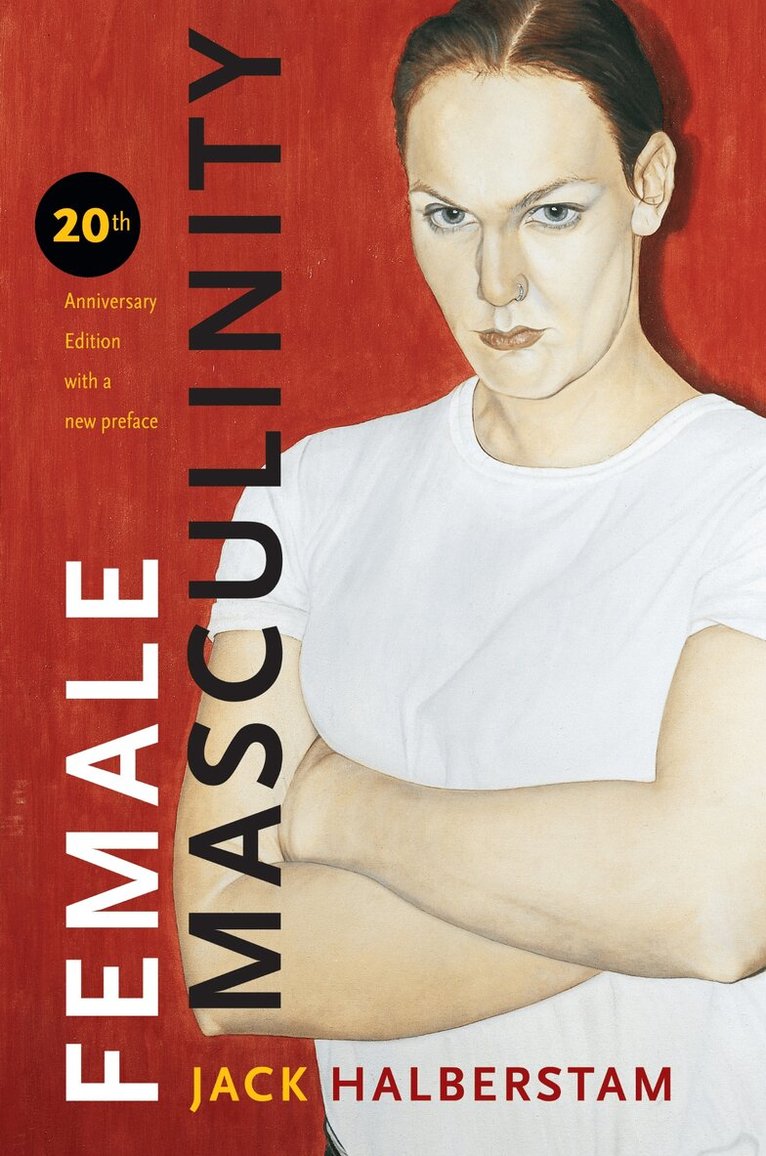
In this quintessential work of queer theory, Jack Halberstam takes aim at the protected status of male masculinity and shows that female masculinity has offered a distinct alternative to it for well over two centuries. Demonstrating how female masculinity is not some bad imitation of virility, but a lively and dramatic staging of hybrid and minority genders, Halberstam catalogs the diversity of gender expressions among masculine women from nineteenth-century pre-lesbian practices to contemporary drag king performances.Through detailed textual readings as well as empirical research, Halberstam uncovers a hidden history of female masculinities while arguing for a more nuanced understanding of gender categories that would incorporate rather than pathologize them. He rereads Anne Lister's diaries and Radclyffe Hall's The Well of Loneliness as foundational assertions of female masculine identity; considers the enigma of the stone butch and the politics surrounding butch/femme roles within lesbian communities; and explores issues of transsexuality among “transgender dykes”-lesbians who pass as men-and female-to-male transsexuals who may find the label of “lesbian” a temporary refuge. Halberstam also tackles such topics as women and boxing, butches in Hollywood and independent cinema, and the phenomenon of male impersonators.Featuring a new preface by the author, this twentieth anniversary edition of Female Masculinity remains as insightful, timely, and necessary as ever.
309 kr
Skickas
In this quintessential work of queer theory, Jack Halberstam takes aim at the protected status of male masculinity and shows that female masculinity has offered a distinct alternative to it for well over two centuries. Demonstrating how female masculinity is not some bad imitation of virility, but a lively and dramatic staging of hybrid and minority genders, Halberstam catalogs the diversity of gender expressions among masculine women from nineteenth-century pre-lesbian practices to contemporary drag king performances.Through detailed textual readings as well as empirical research, Halberstam uncovers a hidden history of female masculinities while arguing for a more nuanced understanding of gender categories that would incorporate rather than pathologize them. He rereads Anne Lister's diaries and Radclyffe Hall's The Well of Loneliness as foundational assertions of female masculine identity; considers the enigma of the stone butch and the politics surrounding butch/femme roles within lesbian communities; and explores issues of transsexuality among “transgender dykes”-lesbians who pass as men-and female-to-male transsexuals who may find the label of “lesbian” a temporary refuge. Halberstam also tackles such topics as women and boxing, butches in Hollywood and independent cinema, and the phenomenon of male impersonators.Featuring a new preface by the author, this twentieth anniversary edition of Female Masculinity remains as insightful, timely, and necessary as ever.
1 248 kr
Skickas inom 7-10 vardagar
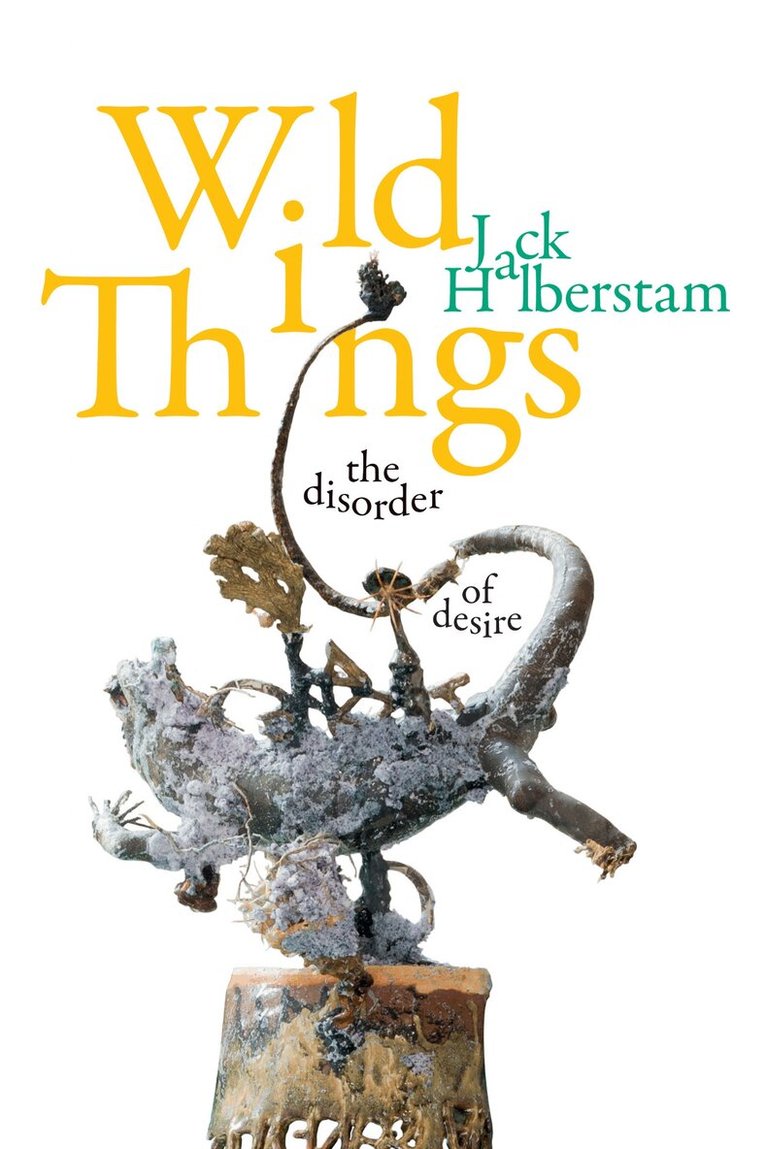
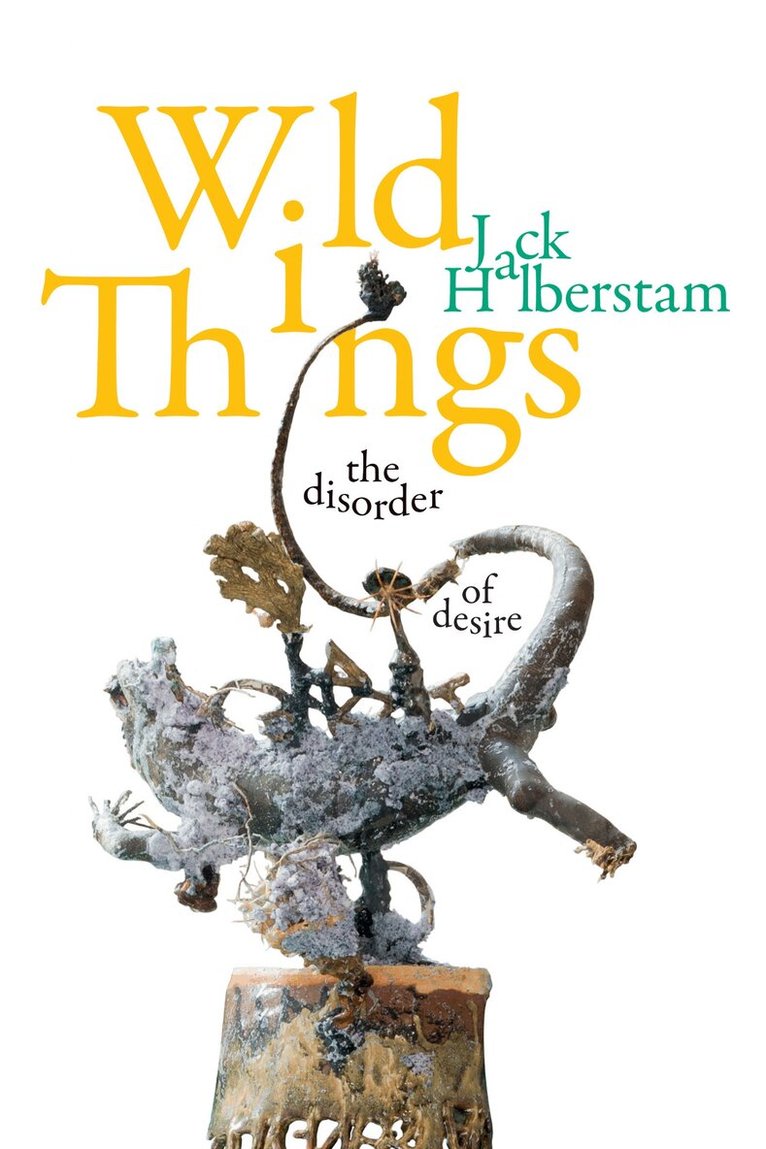
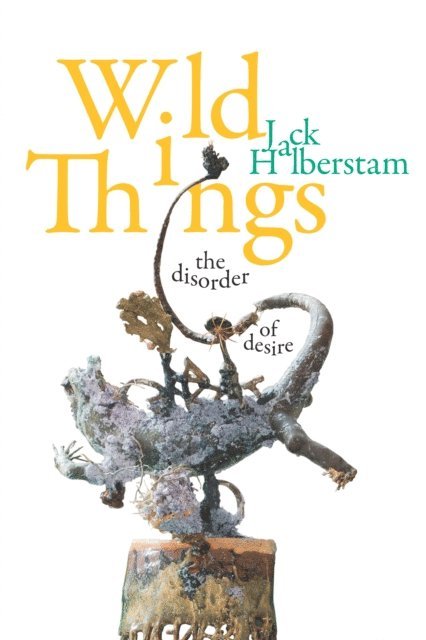
In Wild Things Jack Halberstam offers an alternative history of sexuality by tracing the ways in which wildness has been associated with queerness and queer bodies throughout the twentieth century. Halberstam theorizes the wild as an unbounded and unpredictable space that offers sources of opposition to modernity's orderly impulses. Wildness illuminates the normative taxonomies of sexuality against which radical queer practice and politics operate. Throughout, Halberstam engages with a wide variety of texts, practices, and cultural imaginaries-from zombies, falconry, and M. NourbeSe Philip's Zong! to Maurice Sendak's Where the Wild Things Are and the career of Irish anticolonial revolutionary Roger Casement-to demonstrate how wildness provides the means to know and to be in ways that transgress Euro-American notions of the modern liberal subject. With Wild Things, Halberstam opens new possibilities for queer theory and for wild thinking more broadly.
310 kr
Skickas inom 7-10 vardagar
In Wild Things Jack Halberstam offers an alternative history of sexuality by tracing the ways in which wildness has been associated with queerness and queer bodies throughout the twentieth century. Halberstam theorizes the wild as an unbounded and unpredictable space that offers sources of opposition to modernity's orderly impulses. Wildness illuminates the normative taxonomies of sexuality against which radical queer practice and politics operate. Throughout, Halberstam engages with a wide variety of texts, practices, and cultural imaginaries-from zombies, falconry, and M. NourbeSe Philip's Zong! to Maurice Sendak's Where the Wild Things Are and the career of Irish anticolonial revolutionary Roger Casement-to demonstrate how wildness provides the means to know and to be in ways that transgress Euro-American notions of the modern liberal subject. With Wild Things, Halberstam opens new possibilities for queer theory and for wild thinking more broadly.
398 kr
Skickas
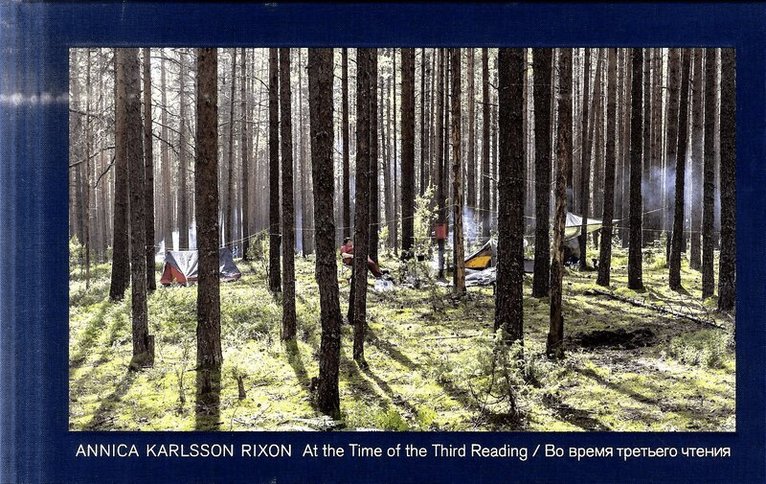
On June 11, 2013 a federal bill prohibiting minors from being informed about non-traditional sexual relationships was approved after its third reading in the Russian State Duma. Meanwhile, a group of people for whom the new law could have severe consequences arrived at a women´s camp on a remote island. This book comprises a photographic series by Annica Karlsson Rixon depicting the affinity between the women at the camp, but also a sense of underlying threat. Insider perspectives of the situation for queer women in Russia are provided through texts and interviews with activists and academics. Jack Halberstam introduces the text section of the book, and lawyer Dmitri Bartenev outlines the new legislation. Karlsson Rixon is a visual artist and researcher. At the Time of the Third Reading is part of her PhD thesis at the University of Gothenburg, Sweden.
148 kr
Skickas inom 5-8 vardagar
Hur styrs familjen i dagens samhälle? En rad av numrets texter handlar om vad den politiska styrningen av familjen innebär i dag, i Sverige såväl som i andra länder. Sociologen Åsa Lundqvist och historikern Helene Brodin beskriver i sina respektive bidrag hur den svenska organiseringen av familj och omsorgsrelationer har förändrats i riktning mot en mer marknadsorienterad modell, som lett till ökad ojämlikhet mellan kvinnor med olika sociala bakgrunder. Den politiska filosofen Nancy Fraser och historikern Linda Gordon undersöker den förändrade betydelsen av begreppet »beroende«, särskilt i ett välfärds- och familjepolitiskt sammanhang. Hur migrationsprocesser påverkar relationen mellan föräldrar och barn även sedan familjen fått uppehållstillstånd diskuteras i ett samtal mellan Somar Al Naher, Ihsan Kellecioglu och Bilan Osman. Den brittiska filosofen Nina Power argumenterar för ett kapitalismkritiskt sätt att se på reproduktion, nämligen som en historisk, social och kulturspecifik företeelse där vi alla lätt hamnar i en återvändsgränd. Den amerikanska queerteoretikern Jack Halberstam visar i sin analys av samtida datoranimerade filmer hur queera och antikapitalistiska teman om familj och relationer faktiskt intar en central plats i den kommersiella barnkulturen. Numret innehåller också den amerikanska medborgarrättsaktivisten och historikern Angela Davis klassiska text om hur slaveriet i den amerikanska södern formade de kvinnliga slavarnas villkor och skapade mer jämlika familjerelationer.
145 kr
Skickas inom 5-8 vardagar
YTTRANDEFRIHET Fronesis nr 78–79 är ett fullspäckat nummer utan döda punkter. Yttrandefrihetsexperten Nils Funcke tecknar historien om yttrandefrihetens reglering i Sverige under de senaste tjugo åren – och det är ingen uppmuntrande läsning. Arbetsrättsspecialisten Friedrich Heger skriver om konflikten mellan lojalitetsplikt och kritikrätt i det privata arbetslivet. Vi publicerar den ursprungliga versionen av den skotske upplysningsfilosofen David Humes essä om tryckfriheten. Den amerikanske kulturhistorikern Robert Darnton jämför censurens sätt att fungera i Frankrike fram till 1789 och i Östtyskland fram till 1989. Tidningen Arbetets siste chefredaktör Bo Bernhardsson skriver om den avsomnade A-pressen och frågar sig hur den nuvarande ägarkoncentrationen påverkar möjligheterna till opinionsbildning. Professorn i medie- och kommunikationsvetenskap Anne Kaun diskuterar den nya digitala halvoffentligheten utifrån den tyske filosofen Jürgen Habermas nya skrift. Vidare: den ungerska historikern Andrea Petö skriver exklusivt för tidskriften om den avskaffade akademiska friheten i Ungern. Den finländska filosofen Nora Hämäläinen belyser hoten mot forskningens frihet i form av bland annat politiskt styrd finansiering och toppstyrning. Queerteoretikern Jack Halberstam uppfattar triggervarningar som ett sätt att osynliggöra marginaliserade grupper. Översättaren Johanna Hedenberg diskuterar strykning av känsliga ord i äldre texter som ett svek mot verk, författare och läsare. Den politiska filosofen Teresa M. Bejan utreder innebörden av parrhesia och isegoria i antikens Athen och knyter dem till dagens yttrandefrihetsdiskussioner. Och vi publicerar en klassisk text av den tysk-amerikanske sociologen Lewis A. Coser om den politiska eller religiösa sekten, där man inte kan säga någonting alls.