Jacqueline Najuma Stewart - Böcker
Visar alla böcker från författaren Jacqueline Najuma Stewart. Handla med fri frakt och snabb leverans.
5 produkter
5 produkter
1 342 kr
Skickas inom 7-10 vardagar
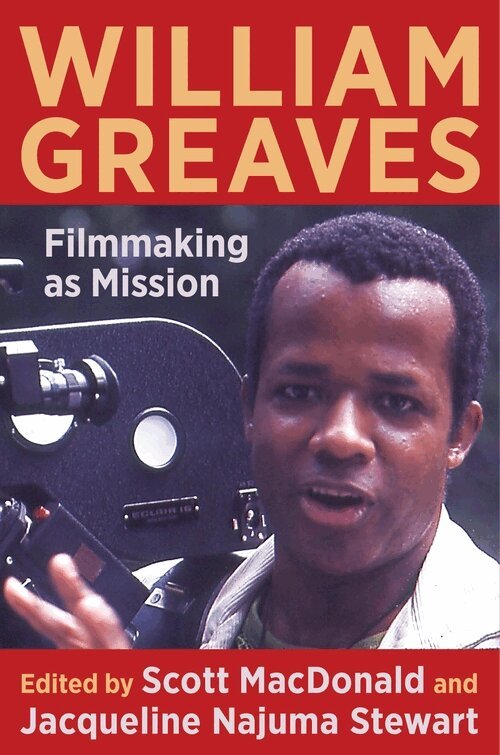
William Greaves is one of the most significant and compelling American filmmakers of the past century. Best known for his experimental film about its own making, Symbiopsychotaxiplasm: Take One, Greaves was an influential independent documentary filmmaker who produced, directed, shot, and edited more than a hundred films on a variety of social issues and on key African American figures ranging from Muhammad Ali to Ralph Bunche to Ida B. Wells. A multitalented artist, his career also included stints as a songwriter, a member of the Actors Studio, and, during the late 1960s, a producer and cohost of Black Journal, the first national television show focused on African American culture and politics.This volume provides the first comprehensive overview of Greaves’s remarkable career. It brings together a wide range of material, including a mix of incisive essays from critics and scholars, Greaves’s own writings, an extensive meta-interview with Greaves, conversations with his wife and collaborator Louise Archambault Greaves and his son David, and a critical dossier on Symbiopsychotaxiplasm. Together, they illuminate Greaves’s mission to use filmmaking as a tool for transforming the ways African Americans were perceived by others and the ways they saw themselves. This landmark book is an essential resource on Greaves’s work and his influence on independent cinema and African-American culture.
341 kr
Skickas inom 7-10 vardagar
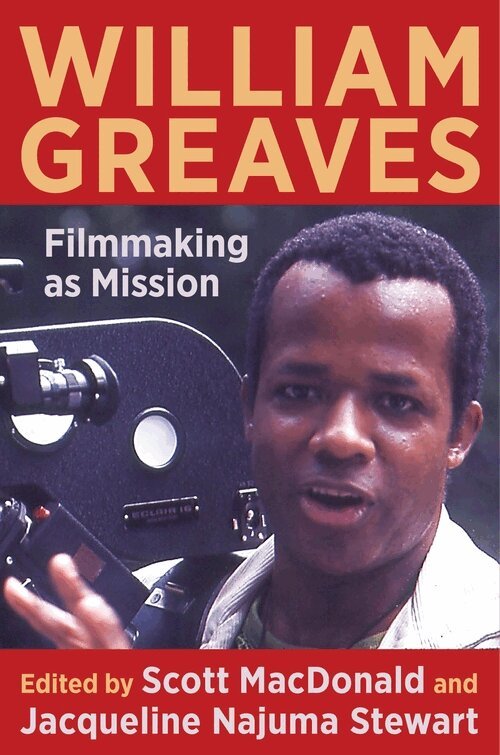
William Greaves is one of the most significant and compelling American filmmakers of the past century. Best known for his experimental film about its own making, Symbiopsychotaxiplasm: Take One, Greaves was an influential independent documentary filmmaker who produced, directed, shot, and edited more than a hundred films on a variety of social issues and on key African American figures ranging from Muhammad Ali to Ralph Bunche to Ida B. Wells. A multitalented artist, his career also included stints as a songwriter, a member of the Actors Studio, and, during the late 1960s, a producer and cohost of Black Journal, the first national television show focused on African American culture and politics.This volume provides the first comprehensive overview of Greaves’s remarkable career. It brings together a wide range of material, including a mix of incisive essays from critics and scholars, Greaves’s own writings, an extensive meta-interview with Greaves, conversations with his wife and collaborator Louise Archambault Greaves and his son David, and a critical dossier on Symbiopsychotaxiplasm. Together, they illuminate Greaves’s mission to use filmmaking as a tool for transforming the ways African Americans were perceived by others and the ways they saw themselves. This landmark book is an essential resource on Greaves’s work and his influence on independent cinema and African-American culture.
299 kr
Skickas inom 7-10 vardagar
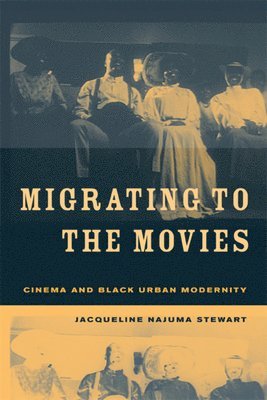
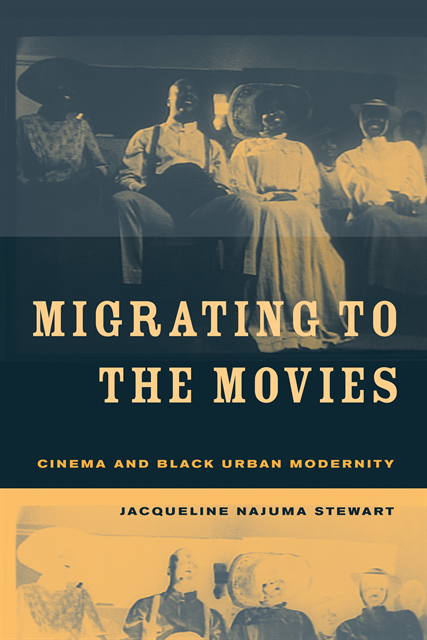
The rise of cinema as the predominant American entertainment around the turn of the last century coincided with the migration of hundreds of thousands of African Americans from the South to the urban "land of hope" in the North. This richly illustrated book, discussing many early films and illuminating black urban life in this period, is the first detailed look at the numerous early relationships between African Americans and cinema. It investigates African American migrations onto the screen, into the audience, and behind the camera, showing that African American urban populations and cinema shaped each other in powerful ways. Focusing on Black film culture in Chicago during the silent era, Migrating to the Movies begins with the earliest cinematic representations of African Americans and concludes with the silent films of Oscar Micheaux and other early "race films" made for Black audiences, discussing some of the extraordinary ways in which African Americans staked their claim in cinema's development as an art and a cultural institution.
557 kr
Skickas inom 7-10 vardagar
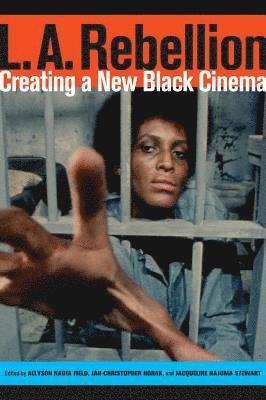
L. A. Rebellion: Creating a New Black Cinema is the first book dedicated to the films and filmmakers of the L. A. Rebellion, a group of African, Caribbean, and African American independent film and video artists that formed at the University of California, Los Angeles, in the 1970s and 1980s. The group-including Charles Burnett, Julie Dash, Haile Gerima, Billy Woodberry, Jamaa Fanaka, and Zeinabu irene Davis-shared a desire to create alternatives to the dominant modes of narrative, style, and practice in American cinema, works that reflected the full complexity of Black experiences. This landmark collection of essays and oral histories examines the creative output of the L. A. Rebellion, contextualizing the group's film practices and offering sustained analyses of the wide range of works, with particular attention to newly discovered films and lesser-known filmmakers. Based on extensive archival work and preservation, this collection includes a complete filmography of the movement, over 100 illustrations (most of which are previously unpublished), and a bibliography of primary and secondary materials.This is an indispensible source book for scholars and enthusiasts, establishing the key role played by the L. A. Rebellion within the histories of cinema, Black visual culture, and postwar art in Los Angeles.
282 kr
Skickas inom 7-10 vardagar
L. A. Rebellion: Creating a New Black Cinema is the first book dedicated to the films and filmmakers of the L. A. Rebellion, a group of African, Caribbean, and African American independent film and video artists that formed at the University of California, Los Angeles, in the 1970s and 1980s. The group-including Charles Burnett, Julie Dash, Haile Gerima, Billy Woodberry, Jamaa Fanaka, and Zeinabu irene Davis-shared a desire to create alternatives to the dominant modes of narrative, style, and practice in American cinema, works that reflected the full complexity of Black experiences. This landmark collection of essays and oral histories examines the creative output of the L. A. Rebellion, contextualizing the group's film practices and offering sustained analyses of the wide range of works, with particular attention to newly discovered films and lesser-known film-makers. Based on extensive archival work and preservation, this collection includes a complete filmography of the movement, over 100 illustrations (most of which are previously unpublished), and a bibliography of primary and secondary materials.This is an indispensible source book for scholars and enthusiasts, establishing the key role played by the L. A. Rebellion within the histories of cinema, Black visual culture, and postwar art in Los Angeles.