James G. Dwyer - Böcker
Visar alla böcker från författaren James G. Dwyer. Handla med fri frakt och snabb leverans.
12 produkter
12 produkter
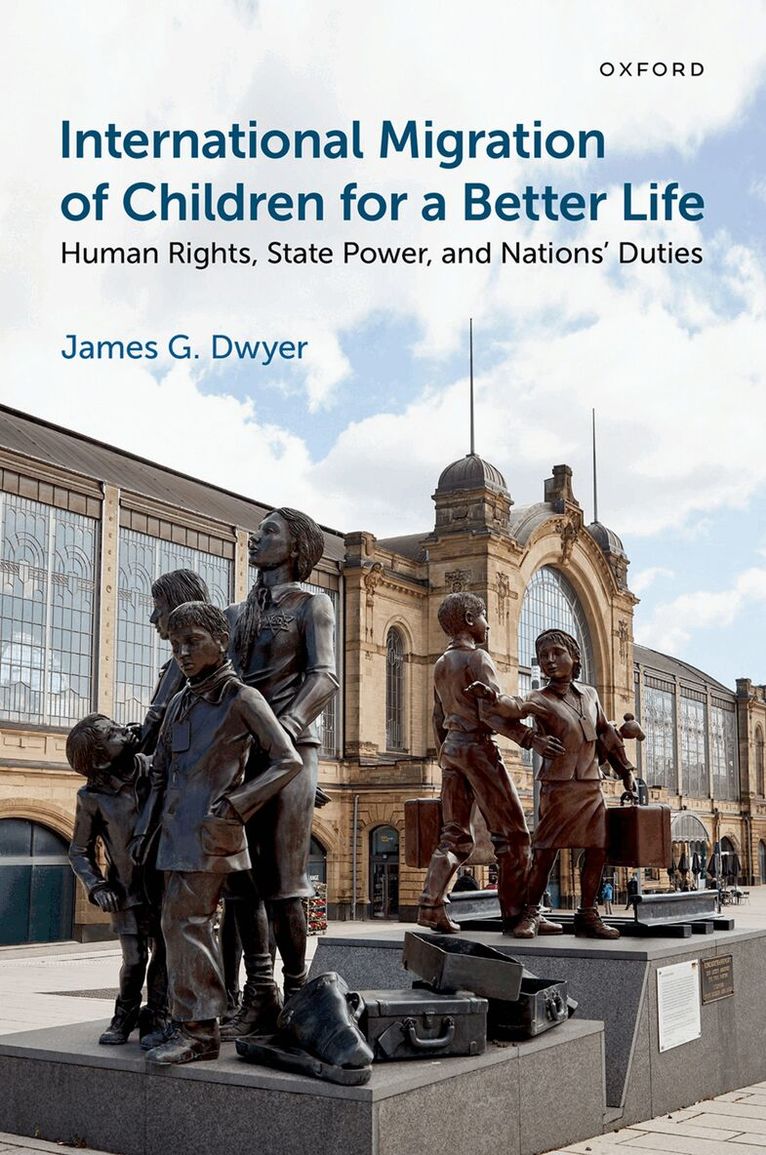
International Migration of Children for a Better Life
Human Rights, State Power, and Nations' Duties
Inbunden, Engelska, 2025
892 kr
Skickas inom 5-8 vardagar
In a world where a child's fate is often determined by the arbitrary circumstances of their birth, International Migration of Children for a Better Life challenges the legal status quo. The book advances a dramatically different vision of children's relationship to nations and to the international legal order, one that provides theoretical grounding for a right of children to escape life-threatening circumstances, rather than waiting for change in their home environment. By offering a normative critique of existing international law, the book suggests novel arguments for enabling children to migrate more freely and escape adverse environments. It argues that the conventional policy response to tragic circumstances—war, famine, natural disaster, which prioritizes transformation of local conditions so people can remain in place or quickly return, is less appropriate for children than for adults. Children's needs are more urgent.The book arrives at several recommendations, backed by a theory of children's rights: eliminate citizenship for children altogether, disallow states from inhibiting children's departure, prioritize children over adults in immigration policy, and evacuate children en masse from nations that cannot protect them. Presenting a child-centered perspective on perennial issues in immigration law and political theory, International Migration of Children for a Better Life is a must read for legal academics, political philosophers, practitioners, and policy experts alike.
673 kr
Tillfälligt slut
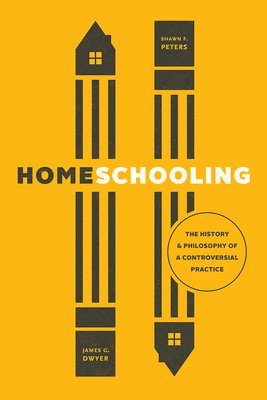
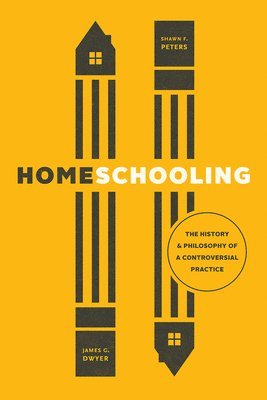
In Homeschooling: The History and Philosophy of a Controversial Practice, James G. Dwyer and Shawn F. Peters examine homeschooling's history, its methods, and the fundamental questions at the root of the heated debate over whether and how the state should oversee and regulate it. The authors trace the evolution of homeschooling and the law relating to it from before America's founding to the present day. In the process they analyze the many arguments made for and against it, and set them in the context of larger questions about school and education. They then tackle the question of regulation, and they do so within a rigorous moral framework, one that is constructed from a clear-eyed assessment of what rights and duties children, parents, and the state each possess. Viewing the question through that lens allows Dwyer and Peters to even-handedly evaluate the competing arguments and ultimately generate policy prescriptions. Homeschooling is the definitive study of a vexed question, one that ultimately affects all citizens, regardless of their educational background.
230 kr
Skickas inom 7-10 vardagar
In Homeschooling: The History and Philosophy of a Controversial Practice, James G. Dwyer and Shawn F. Peters examine homeschooling's history, its methods, and the fundamental questions at the root of the heated debate over whether and how the state should oversee and regulate it. The authors trace the evolution of homeschooling and the law relating to it from before America's founding to the present day. In the process they analyze the many arguments made for and against it, and set them in the context of larger questions about school and education. They then tackle the question of regulation, and they do so within a rigorous moral framework, one that is constructed from a clear-eyed assessment of what rights and duties children, parents, and the state each possess. Viewing the question through that lens allows Dwyer and Peters to even-handedly evaluate the competing arguments and ultimately generate policy prescriptions. Homeschooling is the definitive study of a vexed question, one that ultimately affects all citizens, regardless of their educational background.
1 376 kr
Skickas inom 7-10 vardagar
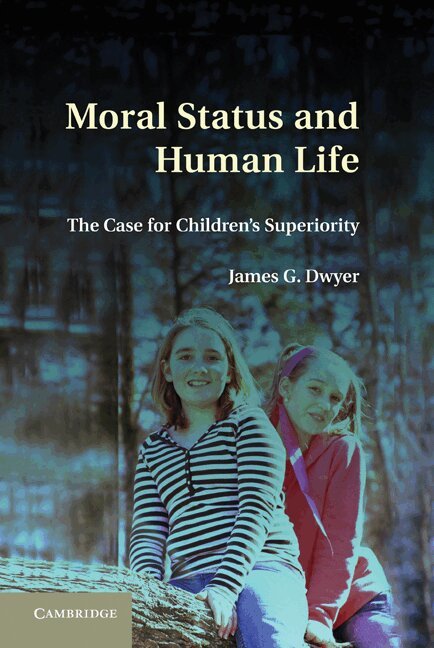
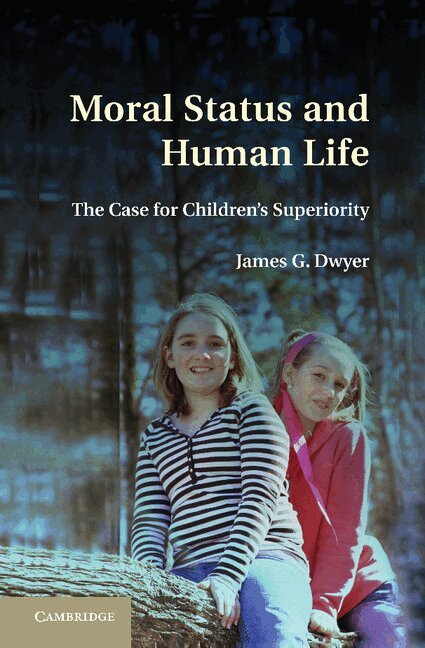
Are children of equal, lesser, or perhaps even greater moral importance than adults? This work of applied moral philosophy develops a comprehensive account of how adults as moral agents ascribe moral status to beings - ourselves and others - and on the basis of that account identifies multiple criteria for having moral status. It argues that proper application of those criteria should lead us to treat children as of greater moral importance than adults. This conclusion presents a basis for critiquing existing social practices, many of which implicitly presuppose that children occupy an inferior status, and for suggesting how government policy, law, and social life might be different if it reflected an assumption that children are actually of superior status.
1 387 kr
Skickas inom 7-10 vardagar
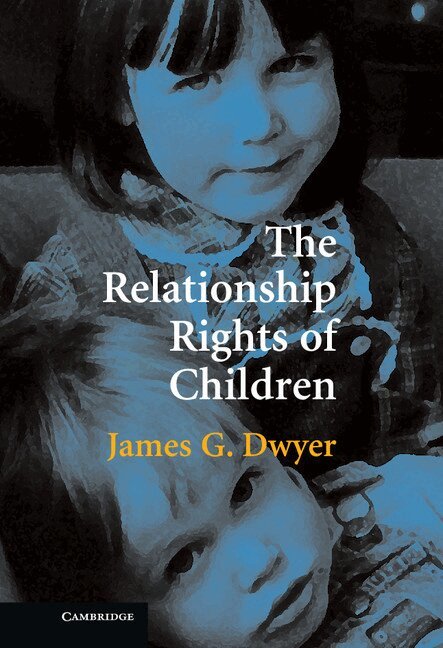
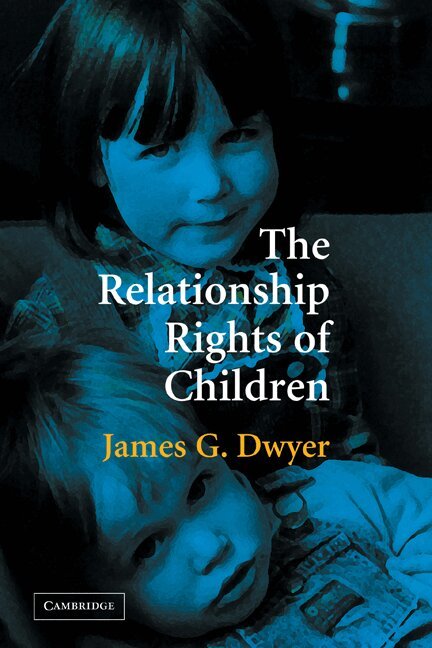
This book presents a sustained theoretical analysis of what rights children should possess in connection with state decision making about their personal relationships which the state does in numerous aspects of family law, including paternity, adoption, custody and visitation, termination of parental rights, and grandparent visitation. It examines the nature and normative foundation of adults' rights in connection with relationships among themselves and then assesses the extent to which the moral principles underlying adults' rights apply also to children. It concludes that the law should ascribe to children rights equivalent (though not identical) to those which adults enjoy, and this would require substantial changes in the way the legal system treats children, including a reformation of the rules for establishing legal parent-child relationships at birth and of the rules for deciding whether to end a parent-child relationship.
622 kr
Skickas inom 10-15 vardagar
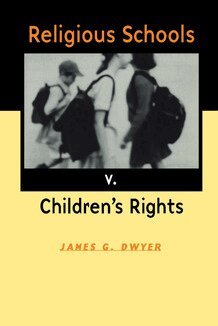
Despair over the reported inadequacies of public education leads many people to consider religious schools as an alternative. James G. Dwyer demonstrates, however, that religious schooling is almost completely unregulated and that common pedagogical practices in fundamentalist Christian and Catholic schools may be damaging to children. He presents evidence of excessive restriction of children's basic liberties, stifling of intellectual development, the instilling of dogmatic and intolerant attitudes, as well as the infliction of psychological and emotional harms, including excessive guilt and repression and, especially among girls, diminished self-esteem. Courts, legal and political theorists, and the public typically argue that families and religious communities are entitled to raise their children as they see fit and that the state must remain neutral on religious matters. Dwyer proposes an alternative framework for state policy regarding religious schooling and other child-rearing practices, urging that the focus always be on what is best, from a secular perspective, for the affected children. He argues that the children who attend religious schools have a right to adequate state regulation and oversight of their education. States are obligated to ensure that such schools do not engage in harmful practices and that they provide their students with the training necessary for pursuit of a broad range of careers and for full citizenship in a pluralistic, democratic society.
760 kr
Skickas inom 10-15 vardagar
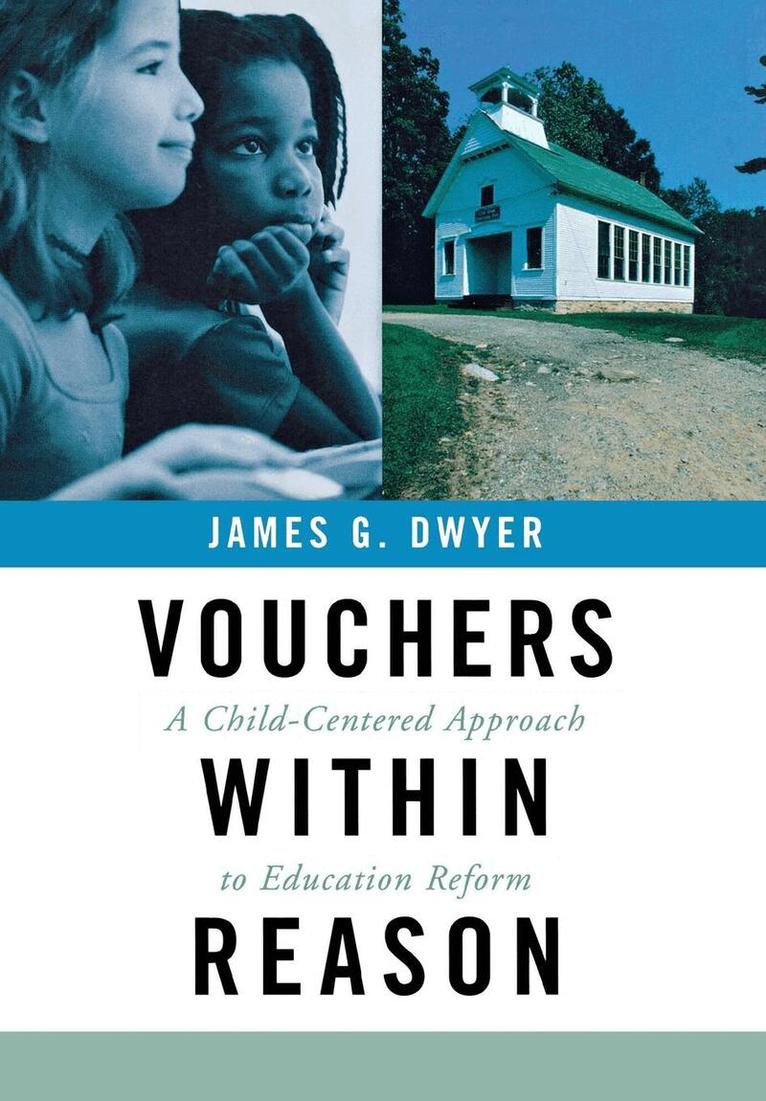
Observing the storm of recent debates around school vouchers, James G. Dwyer concludes that the welfare of children has been routinely subordinated to the interests and supposed rights of various groups of adults—parents, teachers, taxpayers, and advocates for ideological causes. Dwyer argues that a truly child-centered approach to education reform would yield dramatically different conclusions regarding the morality and constitutionality of government initiatives to improve public and private schooling in America.Dwyer makes the case that state funding of religious and other private schools is not only permissible, but mandatory, as a moral and constitutional right of the children already in private schools. In Vouchers within Reason, he also demonstrates the necessity of attaching to that funding robust standards for the content and nature of instruction and for treatment of students. These are just the sort of regulatory strings that most current supporters of vouchers fear.In the author's view, vouchers represent an opportunity for states to accomplish what they have been unable to do in the past—namely, to bring academic accountability to religious schools, many of which fail to provide a good secular education. He sees voucher programs that are now in place as morally irresponsible and clearly unconstitutional, however, because they require almost nothing of recipient schools in return for the funding. This book reorients the hot topic of universal school vouchers in a new and vital direction that may change the minds of scholars, educators, and policymakers alike.
314 kr
Skickas inom 10-15 vardagar
Despair over the reported inadequacies of public education leads many people to consider religious schools as an alternative. James G. Dwyer demonstrates, however, that religious schooling is almost completely unregulated and that common pedagogical practices in fundamentalist Christian and Catholic schools may be damaging to children. He presents evidence of excessive restriction of children's basic liberties, stifling of intellectual development, the instilling of dogmatic and intolerant attitudes, as well as the infliction of psychological and emotional harms, including excessive guilt and repression and, especially among girls, diminished self-esteem. Courts, legal and political theorists, and the public typically argue that families and religious communities are entitled to raise their children as they see fit and that the state must remain neutral on religious matters. Dwyer proposes an alternative framework for state policy regarding religious schooling and other child-rearing practices, urging that the focus always be on what is best, from a secular perspective, for the affected children. He argues that the children who attend religious schools have a right to adequate state regulation and oversight of their education. States are obligated to ensure that such schools do not engage in harmful practices and that they provide their students with the training necessary for pursuit of a broad range of careers and for full citizenship in a pluralistic, democratic society.
2 006 kr
Skickas inom 10-15 vardagar
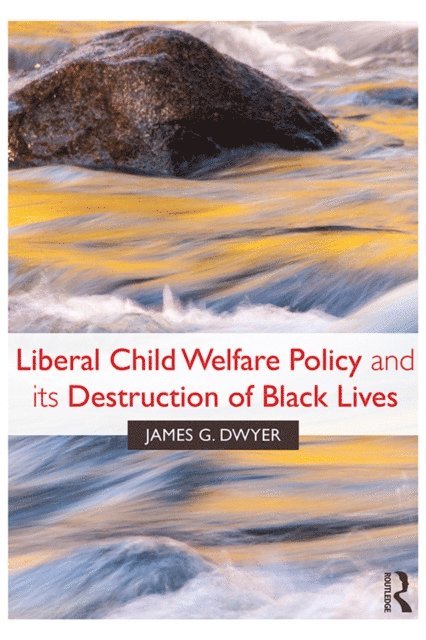
How can we end the inter-generational cycle of poverty and dysfunction in the US's urban ghettos? This ground-breaking and controversial book is the first to provide a child-centered perspective on the subject by combining a wealth of social science information with sophisticated normative analysis to support novel reforms—to child protection law and practice, family law, and zoning— that would quickly end that cycle. The rub is that the reforms needed would entail further suffering and loss of liberty for adults in these communities, and liberal advocacy organizations and academics are so adult-centered in their sympathies and thinking that they reflexively oppose any such measures. Liberals have instead promoted one ineffectual parent-focused program after another, in an ideologically-driven quest for the magic pill that can save both adults and children in these communities at the same time. This `insider critique’ of liberal child welfare policy reveals a dilemma that liberals have yet to face squarely: there is an ineradicable conflict of interests between many young children and their parents, especially in areas of concentrated poverty, and one must choose sides.It is a must read for legal academics, political scientists, urban policy experts, as well as professionals working in social work, law, education, urban planning, legislative offices, and administrative agencies.
606 kr
Skickas inom 10-15 vardagar
How can we end the inter-generational cycle of poverty and dysfunction in the US's urban ghettos? This ground-breaking and controversial book is the first to provide a child-centered perspective on the subject by combining a wealth of social science information with sophisticated normative analysis to support novel reforms—to child protection law and practice, family law, and zoning— that would quickly end that cycle. The rub is that the reforms needed would entail further suffering and loss of liberty for adults in these communities, and liberal advocacy organizations and academics are so adult-centered in their sympathies and thinking that they reflexively oppose any such measures. Liberals have instead promoted one ineffectual parent-focused program after another, in an ideologically-driven quest for the magic pill that can save both adults and children in these communities at the same time. This `insider critique’ of liberal child welfare policy reveals a dilemma that liberals have yet to face squarely: there is an ineradicable conflict of interests between many young children and their parents, especially in areas of concentrated poverty, and one must choose sides.It is a must read for legal academics, political scientists, urban policy experts, as well as professionals working in social work, law, education, urban planning, legislative offices, and administrative agencies.
552 kr
Skickas inom 7-10 vardagar
This book presents a sustained theoretical analysis of what rights children should possess in connection with state decision making about their personal relationships which the state does in numerous aspects of family law, including paternity, adoption, custody and visitation, termination of parental rights, and grandparent visitation. It examines the nature and normative foundation of adults' rights in connection with relationships among themselves and then assesses the extent to which the moral principles underlying adults' rights apply also to children. It concludes that the law should ascribe to children rights equivalent (though not identical) to those which adults enjoy, and this would require substantial changes in the way the legal system treats children, including a reformation of the rules for establishing legal parent-child relationships at birth and of the rules for deciding whether to end a parent-child relationship.
428 kr
Skickas inom 7-10 vardagar
Are children of equal, lesser, or perhaps even greater moral importance than adults? This work of applied moral philosophy develops a comprehensive account of how adults as moral agents ascribe moral status to beings - ourselves and others - and on the basis of that account identifies multiple criteria for having moral status. It argues that proper application of those criteria should lead us to treat children as of greater moral importance than adults. This conclusion presents a basis for critiquing existing social practices, many of which implicitly presuppose that children occupy an inferior status, and for suggesting how government policy, law, and social life might be different if it reflected an assumption that children are actually of superior status.