• Fri frakt över 249 kr
  • •
  • Snabba leveranser
  • •
  • Billiga böcker
Kundservice

Du är på sajten för privatpersoner.

Företag, bibliotek eller offentlig verksamhet?

Du handlar på classic.bokus.com, där alla dina funktioner finns intakta.
Till classic.bokus.com
Bokus logotyp. Gå till startsidan.
  • Erbjudanden
  • Nyheter
  • Student
  • Topplistor
  • Barn & ungdom
  • Bokus Play
  • E-böcker
  • Pocketböcker
  • Spel & pussel

10% rabatt på allt med kod: NYSTART10 →

Sidfot

Mina sidor

    Hjälp

    • Kundservice
    • Vanliga frågor och svar
    • Frakt och leverans
    • Retur vid ångerrätt
    • Reklamera vara
    • Betalning
    • Köpvillkor
    • Allmänna villkor
    • Information om webbplatsens tillgänglighet

    Om Bokus

    • Om oss
    • Pressrum
    • För studenter
    • För företag
    • För bibliotek och offentlig verksamhet
    • För leverantörer
    • Hållbarhet

    Populärt

    • Aktuella erbjudanden
    • Presentkort
    • Studentlitteratur
    • Nya böcker
    • Topplistor
    • Signerade böcker
    • Engelska böcker

    Inspiration

    • Boktips
    • BookTok
    • Populära bokserier
    • Barnbokskaraktärer
    • Populära författare
    Logotyp för Bokus
    Följ oss på Facebook (extern länk)Följ oss på Instagram (extern länk)Följ oss på YouTube (extern länk)Följ oss på TikTok (extern länk)
    bokus @ CookiesAnpassa cookiesIntegritetspolicyKöpvillkor
    Till Citymail hemsida (extern länk)Till Budbee hemsida (extern länk)Till Postnord hemsida (extern länk)Till Schenker hemsida (extern länk)Till Early Bird hemsida (extern länk)Till Walleys hemsida (extern länk)
    1. Juridik
    2. Rättsvetenskap
    3. Juridik: metod och teori

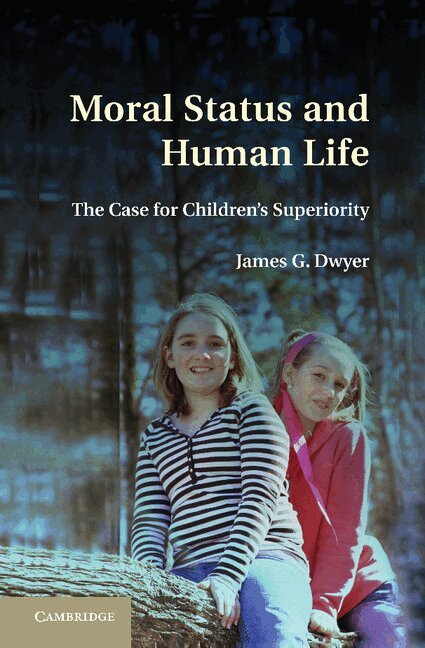
    Moral Status and Human Life

    The Case for Children's Superiority

    AvJames G. Dwyer

    Häftad, Engelska, 2013

    426 kr

    Beställningsvara. Skickas inom 10-15 vardagar. Fri frakt över 249 kr.

    Fler format och utgåvor

    Inbunden

    1 402 kr

    Beskrivning

    Are children of equal, lesser, or perhaps even greater moral importance than adults? This work of applied moral philosophy develops a comprehensive account of how adults as moral agents ascribe moral status to beings - ourselves and others - and on the basis of that account identifies multiple criteria for having moral status. It argues that proper application of those criteria should lead us to treat children as of greater moral importance than adults. This conclusion presents a basis for critiquing existing social practices, many of which implicitly presuppose that children occupy an inferior status, and for suggesting how government policy, law, and social life might be different if it reflected an assumption that children are actually of superior status.

    Produktinformation

    • Utgivningsdatum:2013-07-11
    • Mått:152 x 229 x 12 mm
    • Vikt:300 g
    • Format:Häftad
    • Språk:Engelska
    • Antal sidor:222
    • Förlag:Cambridge University Press
    • ISBN:9781107637610

    Utforska kategorier

    • Juridik: metod och teori inom Juridik

    Mer om författaren

    James Dwyer is a Professor of Law at the College of William and Mary. He previously taught at the University of Wyoming and Chicago-Kent. He received a Ph.D. in philosophy from Stanford University in 1995 and a J.D. from Yale University in 1987. Dwyer has written three other monographs on the rights of children and parents in connection with child rearing, as well as numerous law journal articles on child welfare issues. He serves on the board of several child advocacy organizations and has advocated for children in court proceedings.

    Recensioner i media

    'This is an engagingly written book that tackles a topic of vital interest not only for moral philosophers but also those having general academic, law and policy-making concerns with the status of children and the role of the family. Dwyer's style is direct, concise and philosophically literate and his overall conclusions are original and provocative.' Harry Brighouse, University of Wisconsin

    Innehållsförteckning

    • 1. What is moral status and why does it matter?; 2. How is moral status determined?; 3. Selecting criteria of moral status; 4. Problems in applying a multi-criterial approach; 5. Applying a multi-criteria moral status test to adults and children; 6. Legal, policy, and moral implications of children's superiority.