James G. Hart - Böcker
Visar alla böcker från författaren James G. Hart. Handla med fri frakt och snabb leverans.
4 produkter
4 produkter
486 kr
Skickas inom 10-15 vardagar
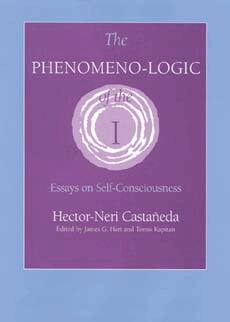
Hector-Neri Castañeda is recognized as one of the most important philosophers of the late-twentieth century. Here readers will find a lively introduction to Castañeda's thought as well as an opportunity to explore his rich and distinct voice. This unique volume will appeal to those interested in the philosophy of mind, cognitive science, and artificial intelligence as well as students of Castañeda and Latin American philosophy.
382 kr
Tillfälligt slut
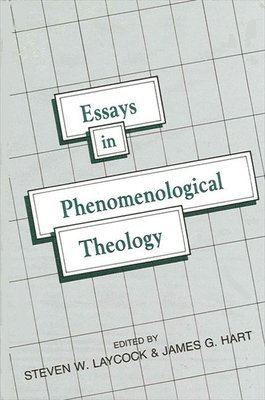
This anthology applies phenomenological concepts and methods to issues of philosophical theology and philosophical theology and philosophy: the being and nature of God, and the divine modes of relatedness to nature, to society, and to the self. Essays in Phenomenological Theology contains previously unpublished papers by Iso Kern, J. N. Findlay, Charles Courtney, Thomas Prufer, Robert Williams, James Hart, Steven Laycock, and James Buchanan. It is the first volume to assemble an entire spectrum of phenomenological-theological ideas, including those of neo-Platonic meditation, phenomenological neo-Thomism, Hegelian phenomenological dialectics, Husserlian transcendental reflection, and post-modern deconstructive iconoclasm. The book will be useful to philosophers and theologians seeking an enriched understanding of the rapidly-burgeoning discipline of phenomenological theology, and promises unexpected insights even to seasoned phenomenologists seeking to expand their horizons.
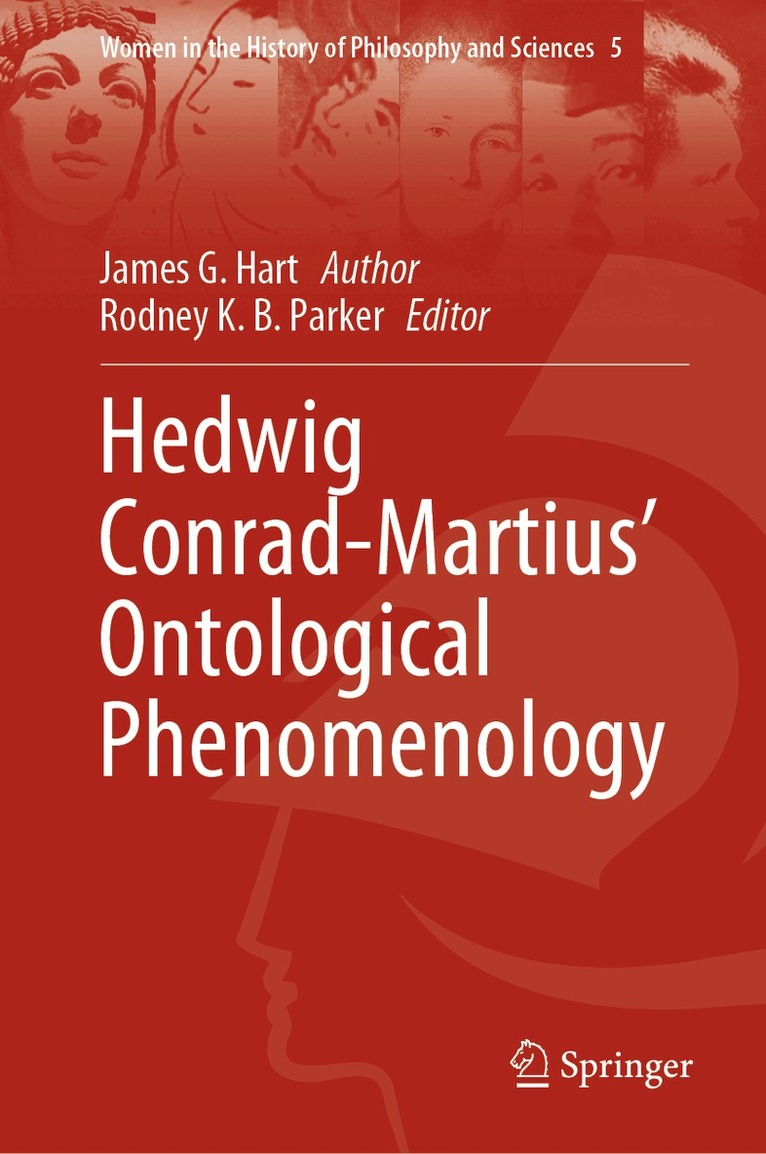
Del 5 - Women in the History of Philosophy and Sciences
Hedwig Conrad-Martius’ Ontological Phenomenology
Inbunden, Engelska, 2020
1 170 kr
Skickas inom 10-15 vardagar
This work is an introduction to the totality of the metaphysical philosophy of nature of Hedwig Conrad-Martius (1888-1966). Her own training and inclination as a realist phenomenologist enables a unique perspective on central issues in modern and contemporary (twentieth century) theoretical biology and physics. Here we find novel theories of, e.g., space and time, as well as development and evolution. This work is thus of interest to anyone studying the history of the phenomenological movement as well as religious cosmology.The philosophical basis for this cosmology is Conrad-Martius’ “realontology” which is a phenomenological account of the essence of appearing reality. The full elaboration of the modes of appearing of what is real enables the unfolding of an analogical theory of “selfness” within the order of nature culminating in an account of the coming to be of humans, for whom there is an essentially distinctive world- and self-manifestation for which she reserves the term “spirit.” Key to her position is the revival of ancient metaphysical themes in new transformed guises, especially potentiality and entelechy.Nature’s status, as a self-actuation of world-constituting essence-entelechies, places Conrad-Martius in the middle of philosophical-theological discussions of, e.g., the hermeneutical mandate of demythologization as well as the nature of evolution. Of special interest is her insistence on both nature’s self-actuating and evolving powers and a robust theory of creation.
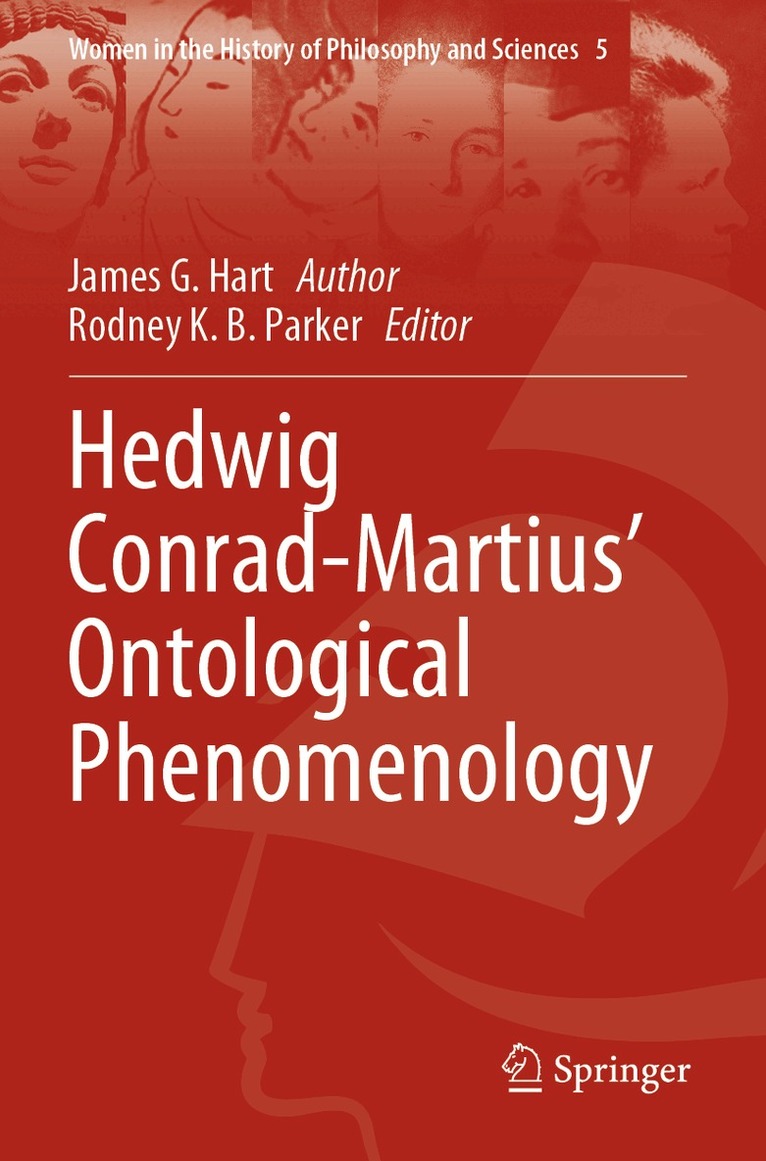
Del 5 - Women in the History of Philosophy and Sciences
Hedwig Conrad-Martius’ Ontological Phenomenology
Häftad, Engelska, 2021
1 170 kr
Skickas inom 10-15 vardagar
This work is an introduction to the totality of the metaphysical philosophy of nature of Hedwig Conrad-Martius (1888-1966). Her own training and inclination as a realist phenomenologist enables a unique perspective on central issues in modern and contemporary (twentieth century) theoretical biology and physics. Here we find novel theories of, e.g., space and time, as well as development and evolution. This work is thus of interest to anyone studying the history of the phenomenological movement as well as religious cosmology.The philosophical basis for this cosmology is Conrad-Martius’ “realontology” which is a phenomenological account of the essence of appearing reality. The full elaboration of the modes of appearing of what is real enables the unfolding of an analogical theory of “selfness” within the order of nature culminating in an account of the coming to be of humans, for whom there is an essentially distinctive world- and self-manifestation for which she reserves the term “spirit.” Key to her position is the revival of ancient metaphysical themes in new transformed guises, especially potentiality and entelechy.Nature’s status, as a self-actuation of world-constituting essence-entelechies, places Conrad-Martius in the middle of philosophical-theological discussions of, e.g., the hermeneutical mandate of demythologization as well as the nature of evolution. Of special interest is her insistence on both nature’s self-actuating and evolving powers and a robust theory of creation.