Jan van Dijk - Böcker
Visar alla böcker från författaren Jan van Dijk. Handla med fri frakt och snabb leverans.
7 produkter
7 produkter
753 kr
Skickas inom 11-20 vardagar
Contrary to optimistic visions of a free internet for all, the problem of the ‘digital divide’ – the disparity between those with access to internet technology and those without – has persisted for close to twenty-five years.In this textbook, Jan van Dijk considers the state of digital inequality and what we can do to tackle it. Through an accessible framework based on empirical research, he explores the motivations and challenges of seeking access and the development of requisite digital skills. He addresses key questions such as: Does digital inequality reduce or reinforce existing, traditional inequalities? Does it create new, previously unknown social inequalities? While digital inequality affects all aspects of society and the problem is here to stay, Van Dijk outlines policies we can put in place to mitigate it.The Digital Divide is required reading for students and scholars of media, communication, sociology, and related disciplines, as well as for policymakers.
245 kr
Skickas inom 7-10 vardagar
Contrary to optimistic visions of a free internet for all, the problem of the ‘digital divide’ – the disparity between those with access to internet technology and those without – has persisted for close to twenty-five years.In this textbook, Jan van Dijk considers the state of digital inequality and what we can do to tackle it. Through an accessible framework based on empirical research, he explores the motivations and challenges of seeking access and the development of requisite digital skills. He addresses key questions such as: Does digital inequality reduce or reinforce existing, traditional inequalities? Does it create new, previously unknown social inequalities? While digital inequality affects all aspects of society and the problem is here to stay, Van Dijk outlines policies we can put in place to mitigate it.The Digital Divide is required reading for students and scholars of media, communication, sociology, and related disciplines, as well as for policymakers.
691 kr
Skickas inom 7-10 vardagar
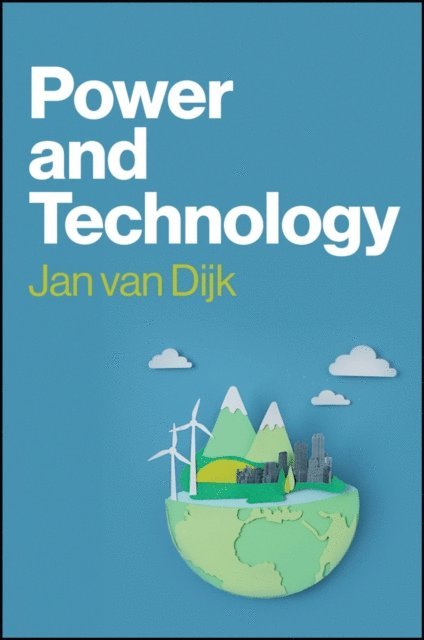
The definition of power varies across disciplines. Social scientists tend to deal with social power, philosophers of technology with the relation between technology and society, and ecologists with the relation between natural and social power. Concepts of power and technology are freely used but this relationship is complex and multifaceted. In this analytic and ambitious textbook, Jan van Dijk brings these perspectives together to provide a more comprehensive answer. In attempting to integrate social, technical, and natural power into one framework, he develops a general concept of power which unites all three – the first time such an attempt has been made. The author argues that it is important to look at these concepts together: natural power is not simply a resource for technology and society, and its inclusion is crucial given the ecological impact of technologies. Overall, nine forms of power which comprise the framework are discussed in each chapter – force, construction, coercion, domination, discipline, dependency, information, persuasion, and authority – and at all levels (individuals, organizations, and societies). Van Dijk concludes with some practical implications and asks two key questions: how can automatic and autonomous technology such as AI be controlled by humans? And, how can we find a more sustainable and less exploitive technology? Power and Technology contains many figures, tables and illustrations and is suitable for students and scholars of technology studies and the sociology, philosophy and history of technology.
258 kr
Skickas inom 7-10 vardagar
The definition of power varies across disciplines. Social scientists tend to deal with social power, philosophers of technology with the relation between technology and society, and ecologists with the relation between natural and social power. Concepts of power and technology are freely used but this relationship is complex and multifaceted. In this analytic and ambitious textbook, Jan van Dijk brings these perspectives together to provide a more comprehensive answer. In attempting to integrate social, technical, and natural power into one framework, he develops a general concept of power which unites all three – the first time such an attempt has been made. The author argues that it is important to look at these concepts together: natural power is not simply a resource for technology and society, and its inclusion is crucial given the ecological impact of technologies. Overall, nine forms of power which comprise the framework are discussed in each chapter – force, construction, coercion, domination, discipline, dependency, information, persuasion, and authority – and at all levels (individuals, organizations, and societies). Van Dijk concludes with some practical implications and asks two key questions: how can automatic and autonomous technology such as AI be controlled by humans? And, how can we find a more sustainable and less exploitive technology? Power and Technology contains many figures, tables and illustrations and is suitable for students and scholars of technology studies and the sociology, philosophy and history of technology.
Del 8 - Vorderasiatische Schriftdenkmäler der Staatlichen Museen Zu Berlin
Literarische Texte Aus Babylon
Unter Einschluß Von Kopien Adam Falkensteins Zur Veröffentlichung Vorbereitet Von Werner R. Mayer
Inbunden, Tyska, 1988
1 744 kr
Skickas inom 7-10 vardagar
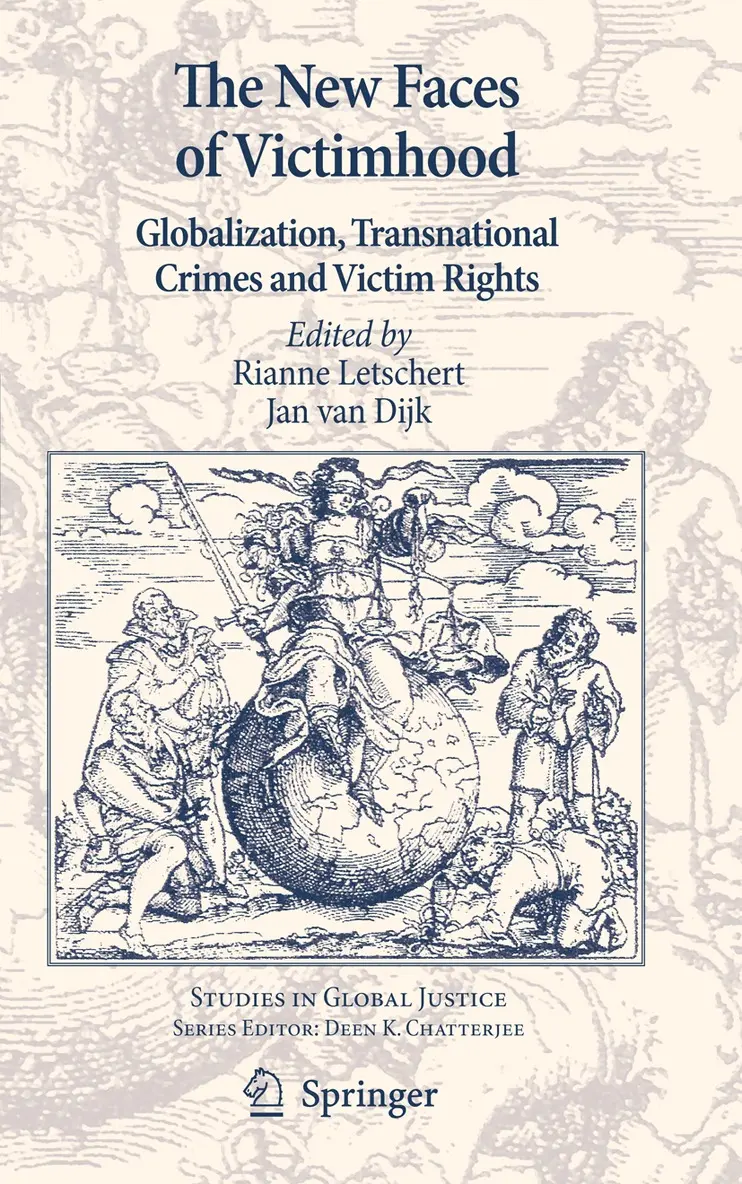
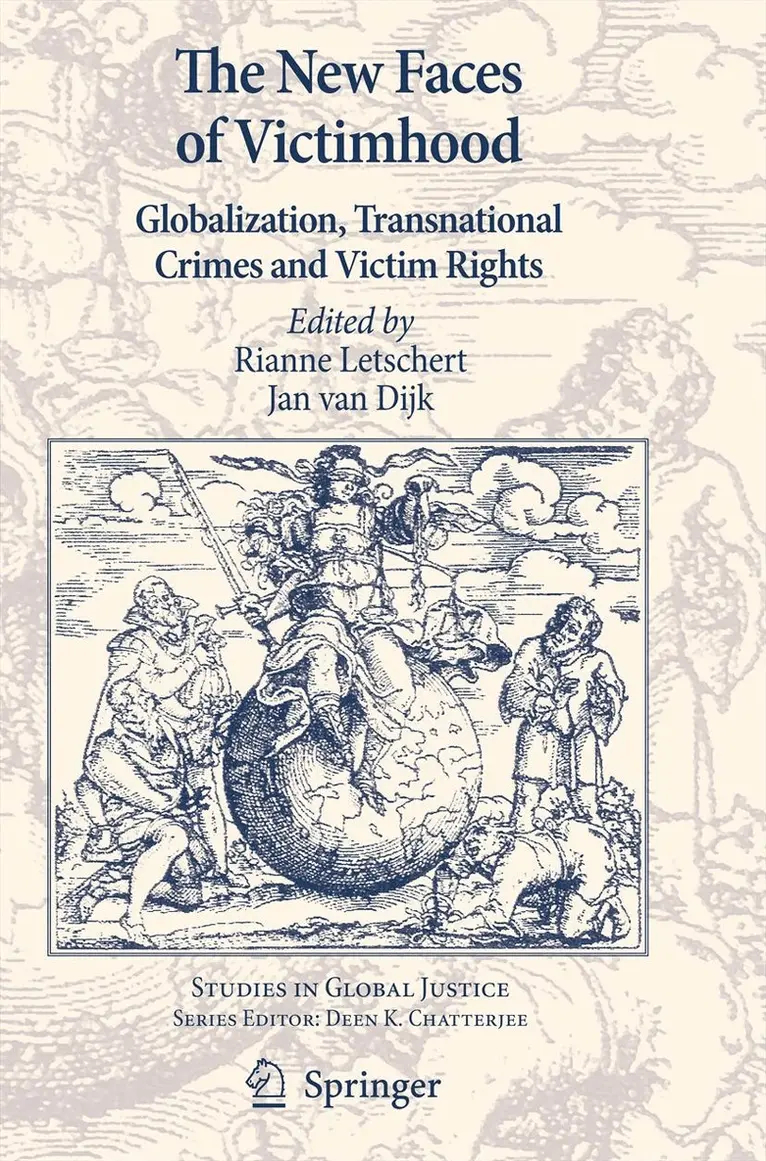
New Faces of Victimhood
Globalization, Transnational Crimes and Victim Rights
Inbunden, Engelska, 2010
1 458 kr
Skickas inom 10-15 vardagar
Besides generating wealth, globalization makes victims, including victims of new forms of crime. In this edited book of scholarly essays, international lawyers and criminologists reflect on the legal challenges posed by these dark sides of globalization. Examples include transnational organised crime, human trafficking and corruption, cyber crimes, international terrorism, global corporate crime and cross-border environmental crimes. The authors reflect on the limits of domestic systems of justice in providing protection, empowerment and redress to the victims of these emerging forms of global insecurity. They argue for the need of better international or supra-national institutional arrangements such as legal instruments and actions of the United Nations or regional organizations such as the European Union. In part I Jan Van Dijk and Rianne Letschert present an overview of trends in criminal victimization against the backdrop of globalization using a unique set of statistical indicators. By placing this issue in the framework of the human security concept, the authors draw out its broader political and normative implications. Theologist Ralf Bodelier explains how modern communication technologies have heightened sensitivities among the general public for human insecurities anywhere in the world. In his view, a new global conscience is in the making that may become the cornerstone of international solidarity and action. Marc Groenhuijsen and Rianne Letschert describe the emergence of national and international legal and institutional arrangements to offer remedies to victims of crime in an era of globalization. In part II a selection of experts analyse the specific issues surrounding the protection and empowerment of victims of different types of international crimes such as human trafficking, organised crime/corruption, terrorism, global corporate crime and cross border environmental crimes. In part III focused attention is givento the special challenges and opportunities of protecting and assisting crime victims in cyberspace. Part IV deals with emerging victim issues in humanitarian law such as the accountability of private military companies and the implementation of the ambitious victim provisions in the statute of the International Criminal Court including the establishment of a global fund for reparations. In the final part of the book some of its core authors formulate their ideas about the international institutional arrangements that should be put in place to offer justice to the victims of globalization. A concrete proposal is made for the transformation of the United Nations 1985 Declaration on the Principles of Justice for Victims of Crime and Abuse of Power into a full-fledged UN convention. In the final chapter further proposals are made for the increased involvement of regional organisations such as the European Union in the protection of victims of global crime.
1 458 kr
Skickas inom 10-15 vardagar
Besides generating wealth, globalization makes victims, including victims of new forms of crime. In this edited book of scholarly essays, international lawyers and criminologists reflect on the legal challenges posed by these dark sides of globalization. Examples include transnational organised crime, human trafficking and corruption, cyber crimes, international terrorism, global corporate crime and cross-border environmental crimes. The authors reflect on the limits of domestic systems of justice in providing protection, empowerment and redress to the victims of these emerging forms of global insecurity. They argue for the need of better international or supra-national institutional arrangements such as legal instruments and actions of the United Nations or regional organizations such as the European Union. In part I Jan Van Dijk and Rianne Letschert present an overview of trends in criminal victimization against the backdrop of globalization using a unique set of statistical indicators. By placing this issue in the framework of the human security concept, the authors draw out its broader political and normative implications. Theologist Ralf Bodelier explains how modern communication technologies have heightened sensitivities among the general public for human insecurities anywhere in the world. In his view, a new global conscience is in the making that may become the cornerstone of international solidarity and action. Marc Groenhuijsen and Rianne Letschert describe the emergence of national and international legal and institutional arrangements to offer remedies to victims of crime in an era of globalization. In part II a selection of experts analyse the specific issues surrounding the protection and empowerment of victims of different types of international crimes such as human trafficking, organised crime/corruption, terrorism, global corporate crime and cross border environmental crimes. In part III focused attention is givento the special challenges and opportunities of protecting and assisting crime victims in cyberspace. Part IV deals with emerging victim issues in humanitarian law such as the accountability of private military companies and the implementation of the ambitious victim provisions in the statute of the International Criminal Court including the establishment of a global fund for reparations. In the final part of the book some of its core authors formulate their ideas about the international institutional arrangements that should be put in place to offer justice to the victims of globalization. A concrete proposal is made for the transformation of the United Nations 1985 Declaration on the Principles of Justice for Victims of Crime and Abuse of Power into a full-fledged UN convention. In the final chapter further proposals are made for the increased involvement of regional organisations such as the European Union in the protection of victims of global crime.