Rianne Letschert – författare
Visar alla böcker från författaren Rianne Letschert. Handla med fri frakt och snabb leverans.
8 produkter
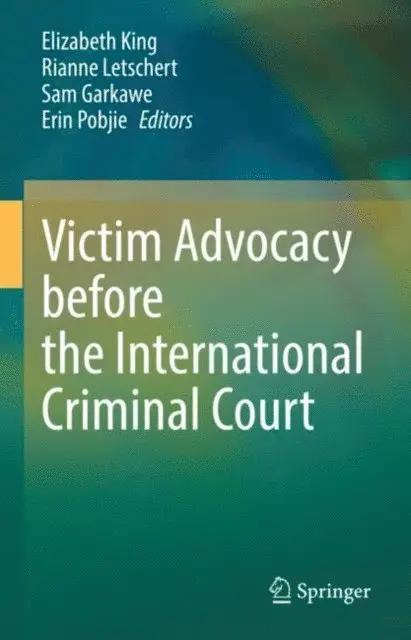
Victim Advocacy before the International Criminal Court
Av Elizabeth King, Rianne Letschert m. fl.
Inbunden, 2022
1006 kr
Lägg i varukorg
This book is a practical guide for advocates interested in the representation of victims before the International Criminal Court (ICC). It has been developed by experts responsible for the advocacy training of the International Criminal Court's List of Counsel members. Written in a readily …
Victim Advocacy before the International Criminal Court
Av Erin Pobjie, Sam Garkawe m. fl.
E-bok, 2022
1342 kr
Lägg i varukorg
This book is a practical guide for advocates interested in the representation of victims before the International Criminal Court (ICC). It has been developed by experts responsible for the advocacy training of the International Criminal Court''s List of Counsel members. Written in a readily …
Assisting Victims of Terrorism
Towards a European Standard of Justice
Av Rianne Letschert, Ines Staiger m. fl.
Inbunden, 2009
1505 kr
Lägg i varukorg
The fight against terrorism is receiving increased awareness due to recent wor- wide large-scale terrorist acts, and only since then has some attention been directed specifically to victims of terrorism. Existing legal instruments of international b- ies like the European Union, the Council of …
Assisting Victims of Terrorism
Towards a European Standard of Justice
Av Antony Pemberton, Ines Staiger m. fl.
E-bok, 2009
1942 kr
Lägg i varukorg
The fight against terrorism is receiving increased awareness due to recent wor- wide large-scale terrorist acts, and only since then has some attention been directed specifically to victims of terrorism. Existing legal instruments of international b- ies like the European Union, the Council of …
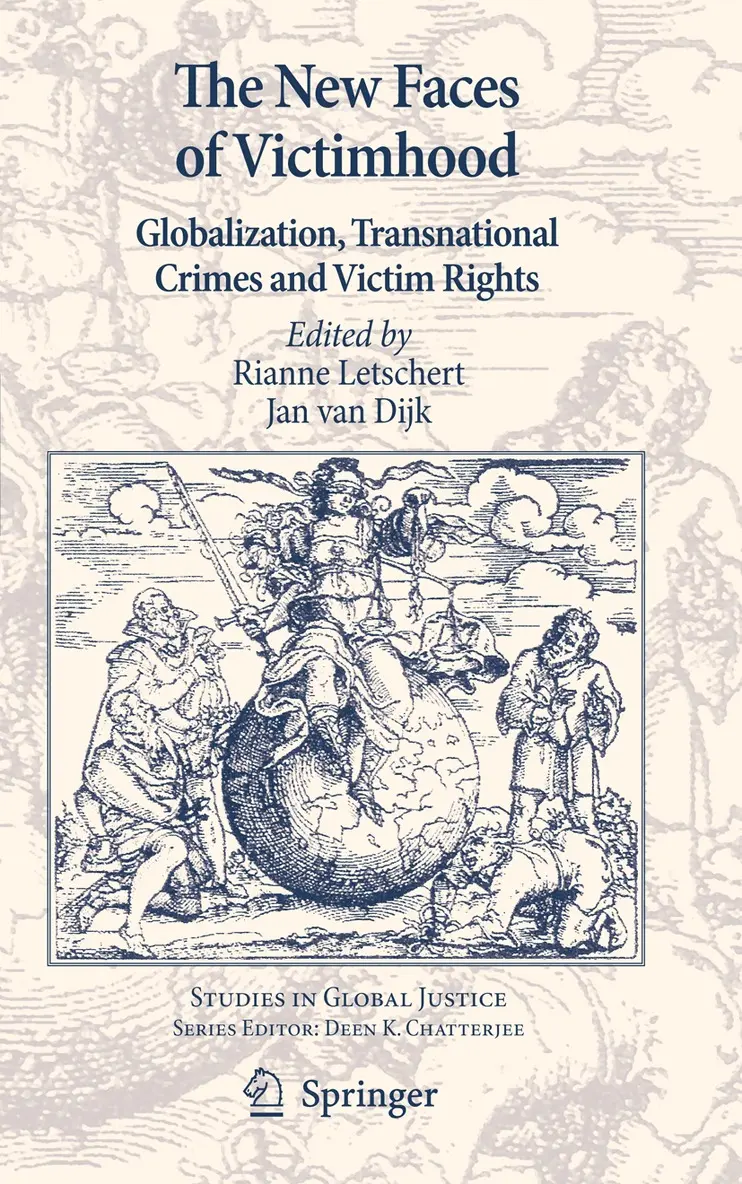
New Faces of Victimhood
Globalization, Transnational Crimes and Victim Rights
Av Rianne Letschert, Jan van Dijk
Inbunden, 2010
1505 kr
Lägg i varukorg
Besides generating wealth, globalization makes victims, including victims of new forms of crime. In this edited book of scholarly essays, international lawyers and criminologists reflect on the legal challenges posed by these dark sides of globalization. Examples include transnational organised …
New Faces of Victimhood
Globalization, Transnational Crimes and Victim Rights
Av Jan van Dijk, Rianne Letschert
E-bok, 2011
1942 kr
Lägg i varukorg
Besides generating wealth, globalization makes victims, including victims of new forms of crime. In this edited book of scholarly essays, international lawyers and criminologists reflect on the legal challenges posed by these dark sides of globalization. Examples include transnational organised …
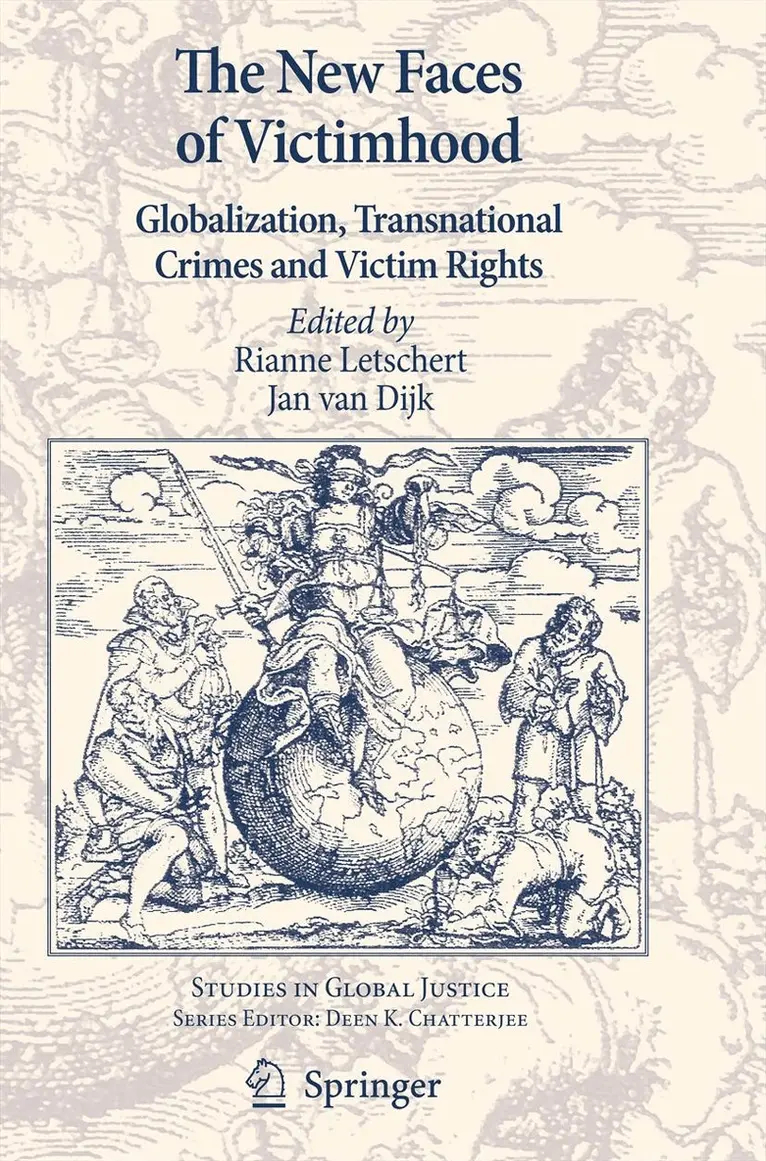
New Faces of Victimhood
Globalization, Transnational Crimes and Victim Rights
Av Rianne Letschert, Jan van Dijk
Häftad, 2012
1505 kr
Lägg i varukorg
Besides generating wealth, globalization makes victims, including victims of new forms of crime. In this edited book of scholarly essays, international lawyers and criminologists reflect on the legal challenges posed by these dark sides of globalization. Examples include transnational organised …
Assisting Victims of Terrorism
Towards a European Standard of Justice
Av Rianne Letschert, Ines Staiger m. fl.
Häftad, 2014
1505 kr
Lägg i varukorg
The fight against terrorism is receiving increased awareness due to recent wor- wide large-scale terrorist acts, and only since then has some attention been directed specifically to victims of terrorism. Existing legal instruments of international b- ies like the European Union, the Council of …