Jasna Capo Zmegac - Böcker
Visar alla böcker från författaren Jasna Capo Zmegac. Handla med fri frakt och snabb leverans.
4 produkter
4 produkter
2 103 kr
Skickas inom 10-15 vardagar
The book offers a critical overview of Croatian ethnology written by the most prominent Croatian ethnologist/ anthropologist in the second half of the 20th century - Dunja Rihtman-Augustin (recently deceased). She was the first Croatian ethnologist to break with the long established tradition of diffusionist (culture area) studies of her contemporaries and start to anthropologize Croatian ethnology. This book, compiled and completed by Jasna Capo Zmegac, highlights some crucial remarks with regard to the relationship between ethnology and politics. They are formulated as a series of research questions and problems, including: the role of folk culture as mythomoteur, cannonization of the folk culture, nationalization of the peasants in the 19th century and the role of ethnology. This vividly written text offers an exceptional insight into Croatian ethnological developments in the past century, as well as into crucial ruptures in Croatian society which have had important repercussions on ethnological discipline.
566 kr
Skickas inom 3-6 vardagar
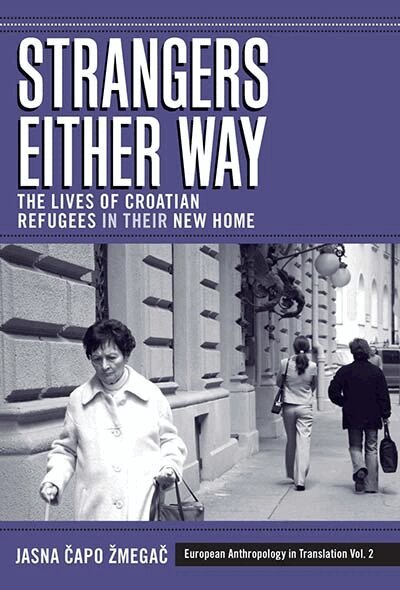
Croatia gained the world's attention during the break-up of Yugoslavia in the early 1990s. In this context its image has been overshadowed by visions of ethnic conflict and cleansing, war crimes, virulent nationalism, and occasionally even emergent regionalism. Instead of the norm, this book offers a diverse insight into Croatia in the 1990s by dealing with one of the consequences of the war: the more or less forcible migration of Croats from Serbia and their settlement in Croatia, their "ethnic homeland." This important study shows that at a time in which Croatia was perceived as a homogenized nation-in-the-making, there were tensions and ruptures within Croatian society caused by newly arrived refugees and displaced persons from Serbia and Bosnia and Herzegovina. Refugees who, in spite of their common ethnicity with the homeland population, were treated as foreigners; indeed, as unwanted aliens.
670 kr
Skickas inom 10-15 vardagar
The book offers a critical overview of Croatian ethnology written by the most prominent Croatian ethnologist/ anthropologist in the second half of the 20th century - Dunja Rihtman-Augustin (recently deceased). She was the first Croatian ethnologist to break with the long established tradition of diffusionist (culture area) studies of her contemporaries and start to anthropologize Croatian ethnology. This book, compiled and completed by Jasna Capo Zmegac, highlights some crucial remarks with regard to the relationship between ethnology and politics. They are formulated as a series of research questions and problems, including: the role of folk culture as mythomoteur, cannonization of the folk culture, nationalization of the peasants in the 19th century and the role of ethnology. This vividly written text offers an exceptional insight into Croatian ethnological developments in the past century, as well as into crucial ruptures in Croatian society which have had important repercussions on ethnological discipline.
1 860 kr
Skickas inom 3-6 vardagar
Croatia gained the world's attention during the break-up of Yugoslavia in the early 1990s. In this context its image has been overshadowed by visions of ethnic conflict and cleansing, war crimes, virulent nationalism, and occasionally even emergent regionalism. Instead of the norm, this book offers a diverse insight into Croatia in the 1990s by dealing with one of the consequences of the war: the more or less forcible migration of Croats from Serbia and their settlement in Croatia, their "ethnic homeland." This important study shows that at a time in which Croatia was perceived as a homogenized nation-in-the-making, there were tensions and ruptures within Croatian society caused by newly arrived refugees and displaced persons from Serbia and Bosnia and Herzegovina. Refugees who, in spite of their common ethnicity with the homeland population, were treated as foreigners; indeed, as unwanted aliens.