Jennifer Pitts – författare
Visar alla böcker från författaren Jennifer Pitts. Handla med fri frakt och snabb leverans.
16 produkter
Law of Nations in Global History
Av C. H. Alexandrowicz, Jennifer Pitts m. fl.
E-bok, 2017
1569 kr
Lägg i varukorg
The history and theory of international law have been transformed in recent years by post-colonial and post-imperial critiques of the universalistic claims of Western international law. The origins of those critiques lie in the often overlooked work of the remarkable Polish-British lawyer-historian …
Law of Nations in Global History
Av C. H. Alexandrowicz, Jennifer Pitts m. fl.
E-bok, 2017
1569 kr
Lägg i varukorg
The history and theory of international law have been transformed in recent years by post-colonial and post-imperial critiques of the universalistic claims of Western international law. The origins of those critiques lie in the often overlooked work of the remarkable Polish-British lawyer-historian …
The Law of Nations in Global History
Av C. H. Alexandrowicz, David Armitage m. fl.
Inbunden, 2017
2248 kr
Lägg i varukorg
The history and theory of international law have been transformed in recent years by post-colonial and post-imperial critiques of the universalistic claims of Western international law. The origins of those critiques lie in the often overlooked work of the remarkable Polish-British lawyer-historian …
Boundaries of the International
Law and Empire
Inbunden, 2018
509 kr
Lägg i varukorg
It is commonly believed that international law originated in relations among European states that respected one another as free and equal. In fact, as Jennifer Pitts shows, international law was forged at least as much through Europeans’ domineering relations with non-European states and empires, …
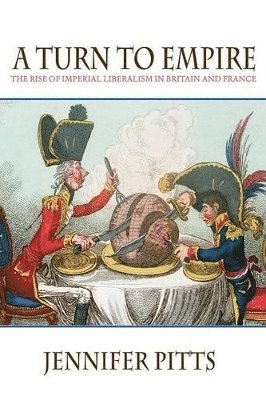
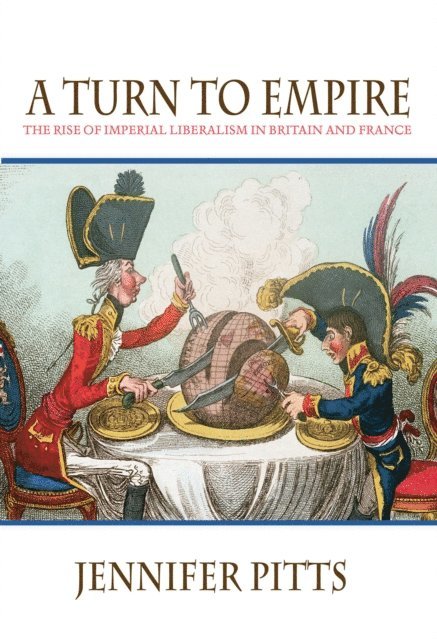
Turn to Empire
The Rise of Imperial Liberalism in Britain and France
Häftad, 2006
505 kr
Lägg i varukorg
A dramatic shift in British and French ideas about empire unfolded in the sixty years straddling the turn of the nineteenth century. As Jennifer Pitts shows in A Turn to Empire, Adam Smith, Edmund Burke, and Jeremy Bentham were among many at the start of this period to criticize European empires as …
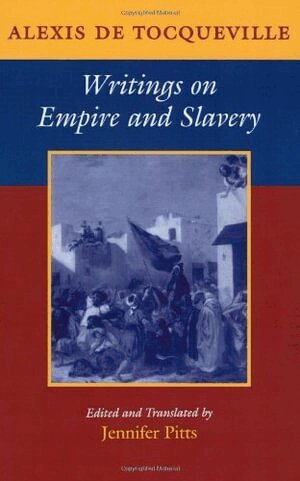
Writings on Empire and Slavery
Av Alexis de Tocqueville, Jennifer Pitts
Inbunden, 2001
781 kr
Lägg i varukorg
After completing his research for Democracy in America, Alexis de Tocqueville turned to the French consolidation of its empire in North Africa, which he believed deserving of similar attention. Tocqueville began studying Algerian history and culture, making two trips to Algeria in 1841 and 1846. He …
Writings on Empire and Slavery
Av Alexis de Tocqueville, Jennifer Pitts
Häftad, 2003
495 kr
Lägg i varukorg
After completing his research for Democracy in America, Alexis de Tocqueville turned to the French consolidation of its empire in North Africa, which he believed deserving of similar attention. Tocqueville began studying Algerian history and culture, making two trips to Algeria in 1841 and 1846. He …
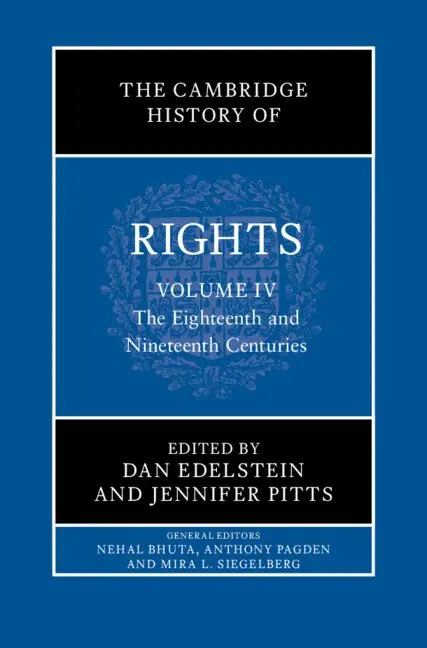
Cambridge History of Rights: Volume 4, The Eighteenth and Nineteenth Centuries
Av Jennifer Pitts, Dan Edelstein
E-bok, 2024
1956 kr
Lägg i varukorg
Cambridge History of Rights: Volume 4, The Eighteenth and Nineteenth Centuries
Av Jennifer Pitts, Dan Edelstein
E-bok, 2024
1914 kr
Lägg i varukorg
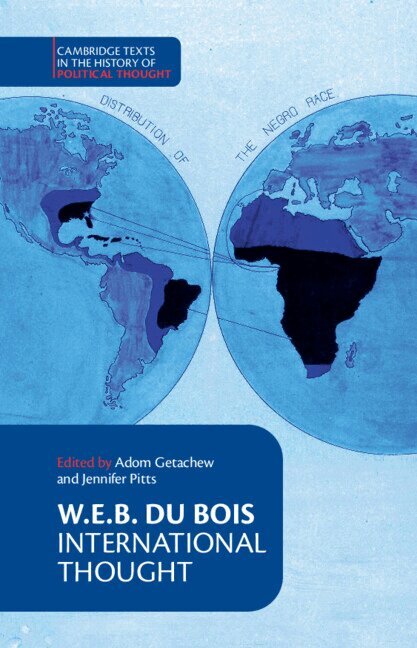
W. E. B. Du Bois: International Thought
Av W. E. B. Du Bois, Adom Getachew m. fl.
Inbunden, 2022
1270 kr
Lägg i varukorg
W. E. B. Du Bois was one of the most significant American political thinkers of the twentieth century. This volume collects 24 of his essays and speeches on international themes, spanning the years 1900-1956. These key texts reveal Du Bois's distinctive approach to the problem of empire and …
W. E. B. Du Bois: International Thought
Av W. E. B. Du Bois, Adom Getachew m. fl.
Häftad, 2022
422 kr
Lägg i varukorg
W. E. B. Du Bois was one of the most significant American political thinkers of the twentieth century. This volume collects 24 of his essays and speeches on international themes, spanning the years 1900-1956. These key texts reveal Du Bois's distinctive approach to the problem of empire and …
W. E. B. Du Bois: International Thought
Av W. E. B. Du Bois, Jennifer Pitts m. fl.
E-bok, 2022
408 kr
Lägg i varukorg
W. E. B. Du Bois was one of the most significant American political thinkers of the twentieth century. This volume collects 24 of his essays and speeches on international themes, spanning the years 1900-1956. These key texts reveal Du Bois''s distinctive approach to the problem of empire and …
W. E. B. Du Bois: International Thought
Av W. E. B. Du Bois, Jennifer Pitts m. fl.
E-bok, 2022
399 kr
Lägg i varukorg
W. E. B. Du Bois was one of the most significant American political thinkers of the twentieth century. This volume collects 24 of his essays and speeches on international themes, spanning the years 1900-1956. These key texts reveal Du Bois''s distinctive approach to the problem of empire and …
The Cambridge History of Rights: Volume 4, The Eighteenth and Nineteenth Centuries
Av Dan Edelstein, Jennifer Pitts
Inbunden, 2024
1970 kr
Lägg i varukorg
The age of Enlightenment and revolutions produced some of our best-known declarations of rights, but they did not create the idea of rights. Writers during this age did such a good job at declaring rights that many historians and politicians later believed that they invented them. The fourth volume …
Turn to Empire
The Rise of Imperial Liberalism in Britain and France
E-bok, 2009
665 kr
Lägg i varukorg
A dramatic shift in British and French ideas about empire unfolded in the sixty years straddling the turn of the nineteenth century. As Jennifer Pitts shows in A Turn to Empire , Adam Smith, Edmund Burke, and Jeremy Bentham were among many at the start of this period to criticize European empires …